
The 7 car brands with the most recalls in 2025
Millions of cars were recalled this year. But software and mechanical issues hit these seven brands particularly hard
Credit: SIphotography
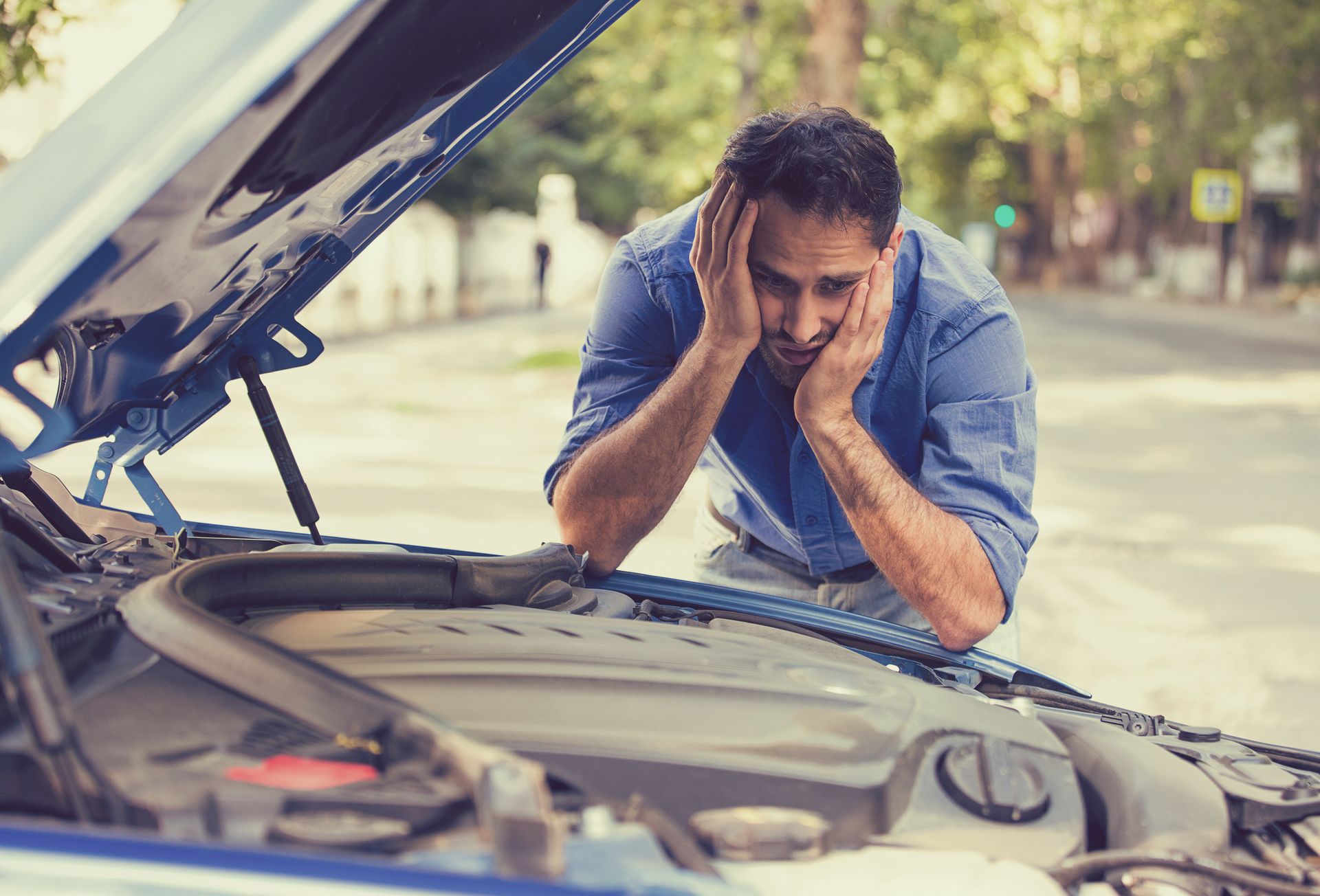
2025 hit the auto industry pretty hard. Recalls kept coming one after another, and a lot of car owners got blindsided by issues they had no reason to expect. Certain brands took a bigger beating than others — mostly because of software bugs and mechanical problems that nobody caught before those vehicles made it to buyers.
With numbers pulled from BizzyCar, a platform that keeps tabs on recall data, here's a look at which manufacturers had the roughest stretch through the first nine months of the year and what was going wrong under the hood.
#7: Tesla
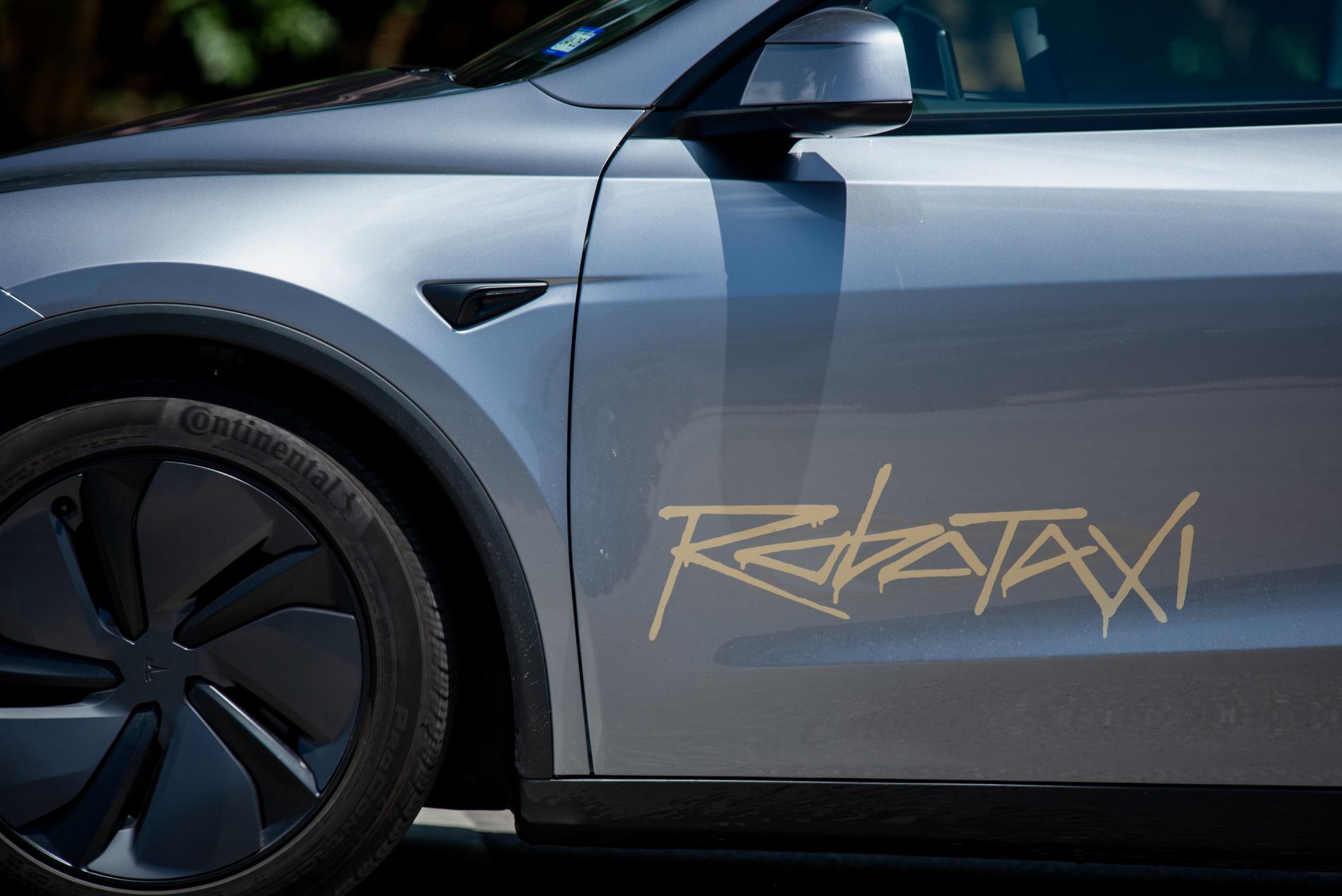
Tesla $TSLA is a company that tends to make headlines, and 2025 was no exception — just not for the reasons they'd prefer. The company recalled 662,036 vehicles, including nearly every Cybertruck it had delivered. Tesla's software-heavy vehicles have always carried a certain amount of risk in this area. The more a car depends on complex code, the more places there are for something to go wrong, and Tesla has had to learn that lesson more than once.
#6: Kia
Credit: Kia
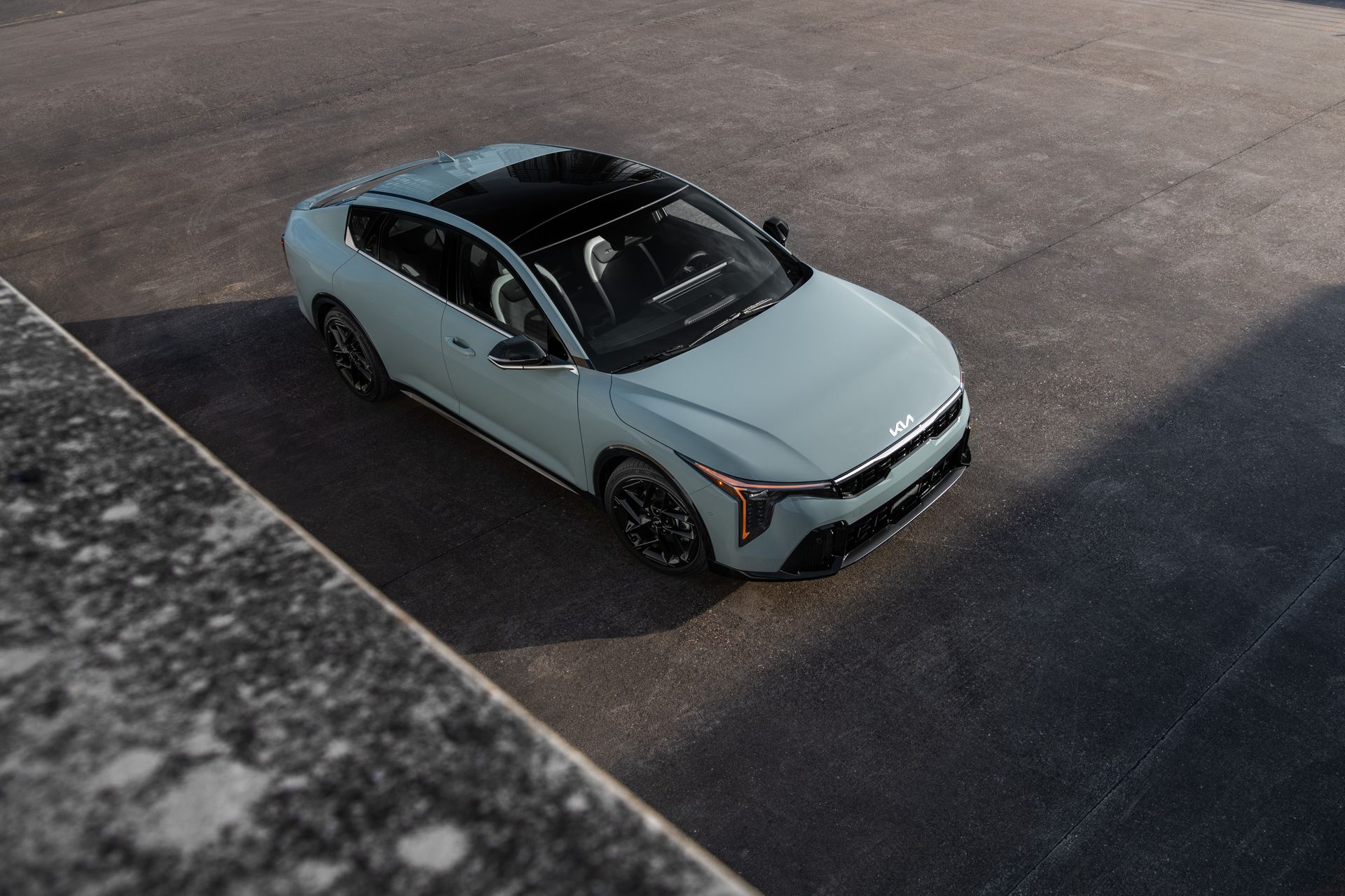
Kia recalled 726,708 vehicles, with the K5 sedan at the center of it. The problem was a fuel tank defect — the kind of issue that doesn't give you a lot of room to wait and see. Kia moved quickly to get it addressed, which is about the best you can do once a problem like that surfaces. Nobody wants a fuel system issue sitting unresolved.
#5: Honda
Credit: Honda
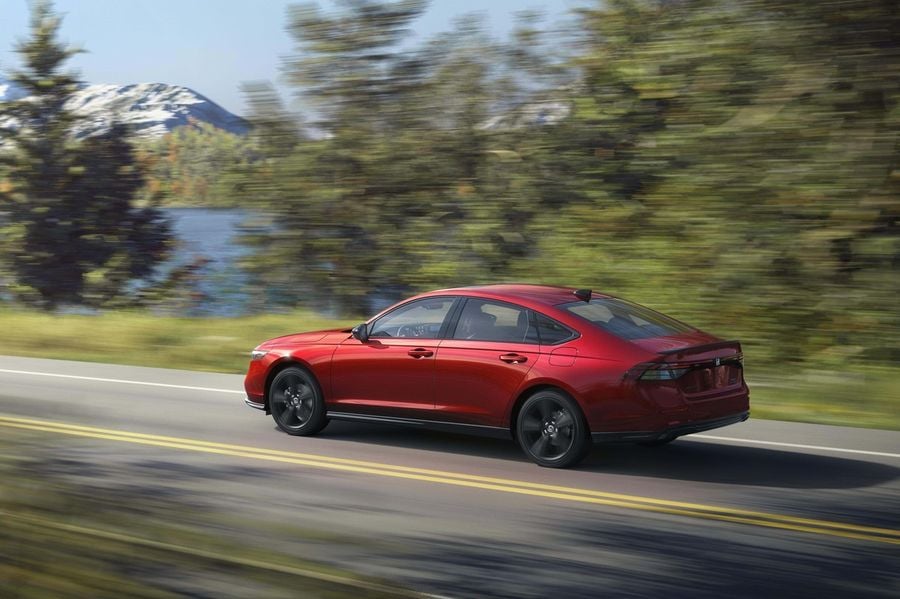
Honda $HMC has spent decades earning a reputation for building cars that just don't give you trouble, so when its 2025 recall figures came out, a lot of people did a double take. Nearly 900,000 vehicles — 891,653 to be exact — got recalled, and the majority of those were Accord Hybrids from the 2023 to 2025 model years.
A software defect was the problem, one that was incorrectly picking up on crash risks. Not exactly something you can put off fixing. Honda didn't drag its feet, but the whole situation was a wake-up call that even the brands with the cleanest track records aren't immune once software gets complicated enough.
#4: General Motors
Credit: Walter Bibikow
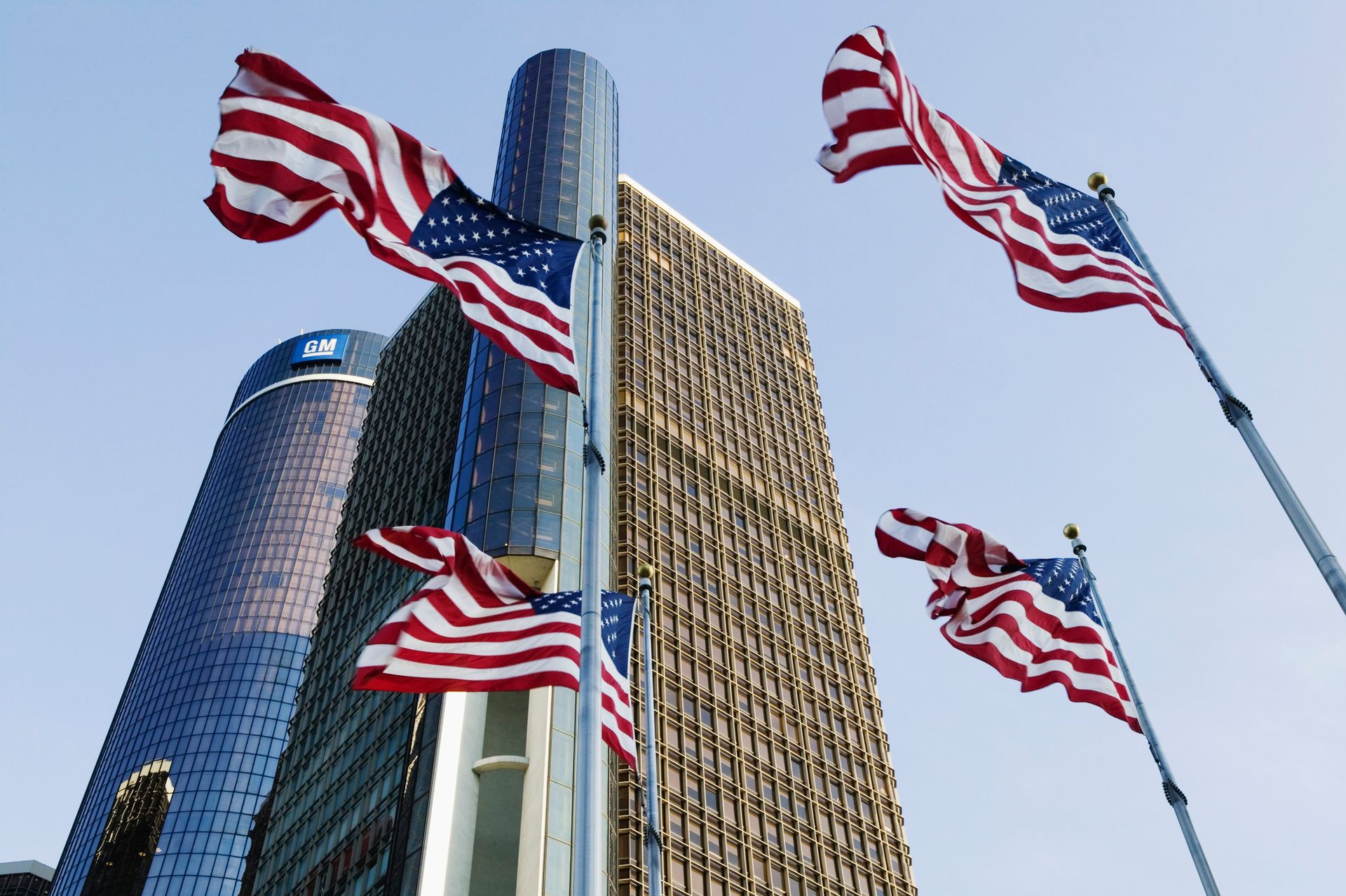
General Motors $GM recalled 967,380 vehicles across some of its biggest nameplates — the Cadillac Escalade, Chevrolet Silverado, Suburban, Tahoe, GMC Sierra, and Yukon. When you build as many vehicles as GM does across as many different platforms, the chances of something slipping through go up. The issues varied by model, which reflects just how complicated it is to manage quality across a lineup that large.
#3: Stellantis
Bloomberg / Contributor / Getty Images
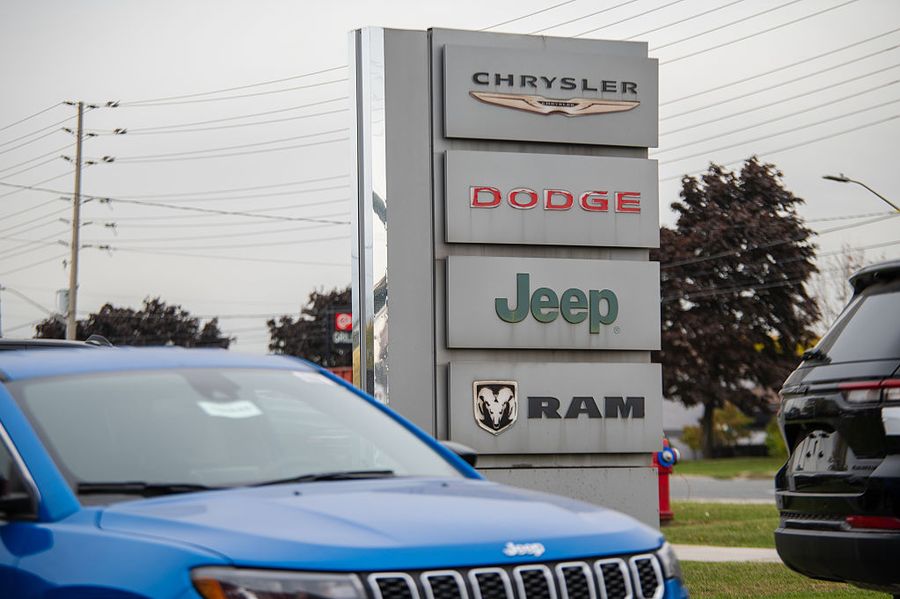
Stellantis $STLA had a harder year than most, recalling 1,439,074 vehicles. Jeep Wranglers and Chrysler Pacificas made up a big chunk of that number. Managing recalls across a brand portfolio as wide as Stellantis's is genuinely difficult, and the numbers show the strain. Getting ahead of these issues — and keeping customers informed — is a significant operation on its own.
#2: Toyota
Credit: Hyundai
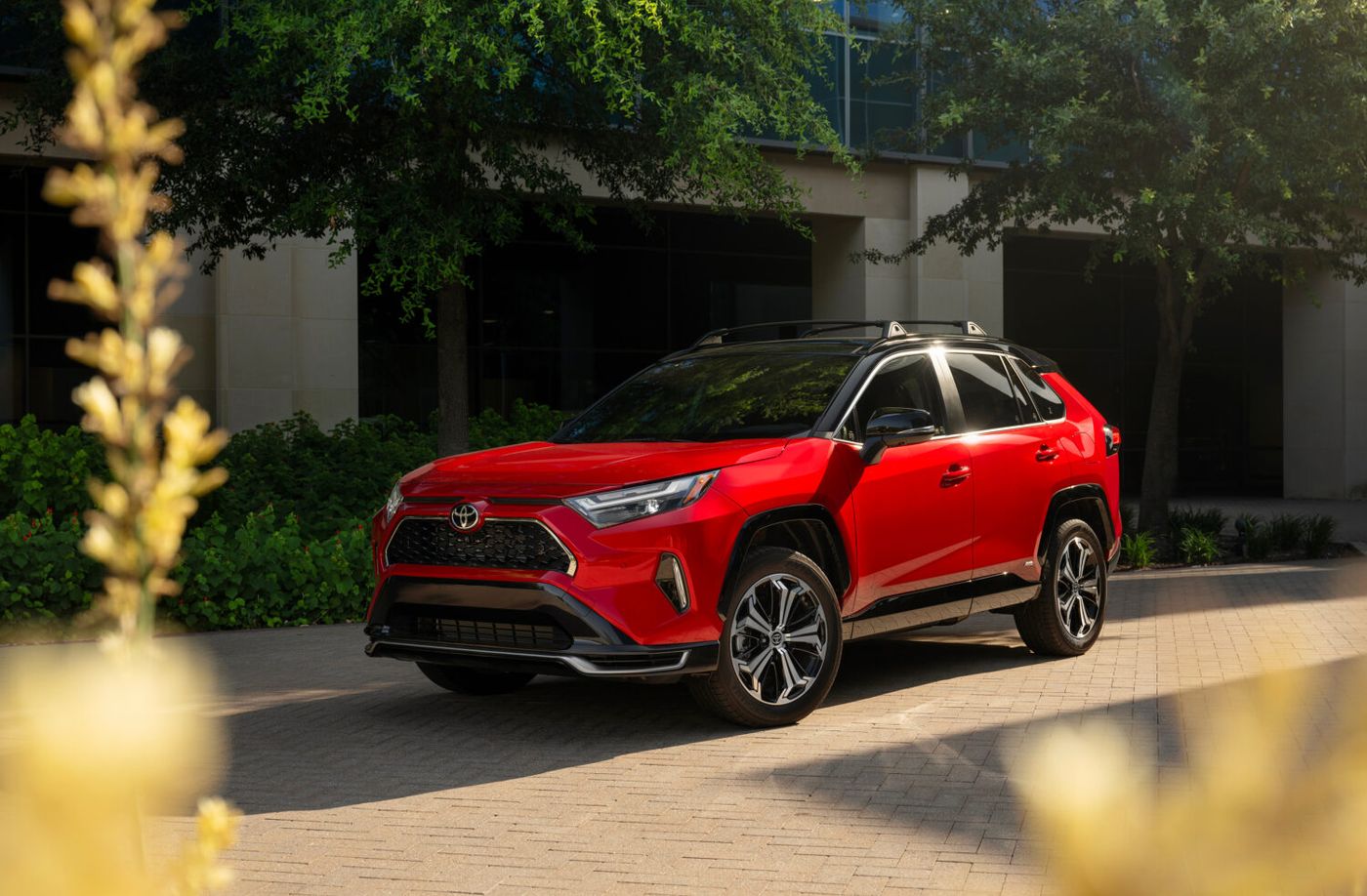
Toyota $TM's recall situation centered on a software issue with the backup parking camera system, which ended up pulling 1,446,500 vehicles off the road — covering both Toyota and Lexus models. It's part of a pattern that keeps showing up across the industry: the more cars lean on software to do things, the more places there are for something to quietly go wrong. Toyota sorted it out, but it's a sign of where the weak points are starting to shift.
#1: Ford
Credit: Ford
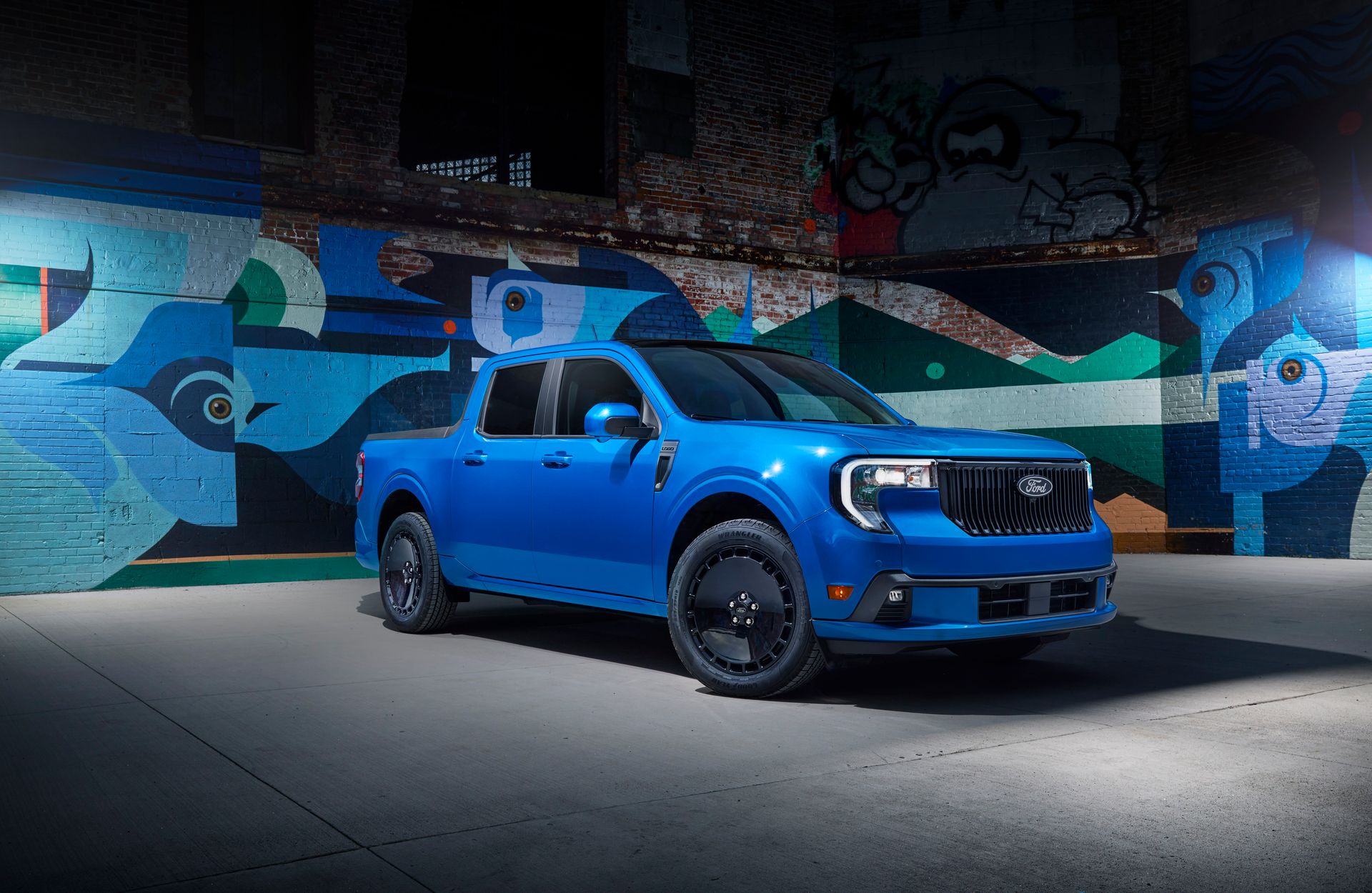
Ford $F topped the list by a wide margin, with 9,420,920 recalls. The issues covered a lot of ground — rollaway risks, backup camera problems, rear-view mirror failures — across a wide range of models including Lincoln and Mustang vehicles. Numbers that large reflect the scale of Ford's operation as much as anything else. When you're building and selling that many cars, even a small defect rate produces enormous recall figures. Ford has the infrastructure to manage it, but it's still a significant undertaking.