Chris Rogers / Getty Images
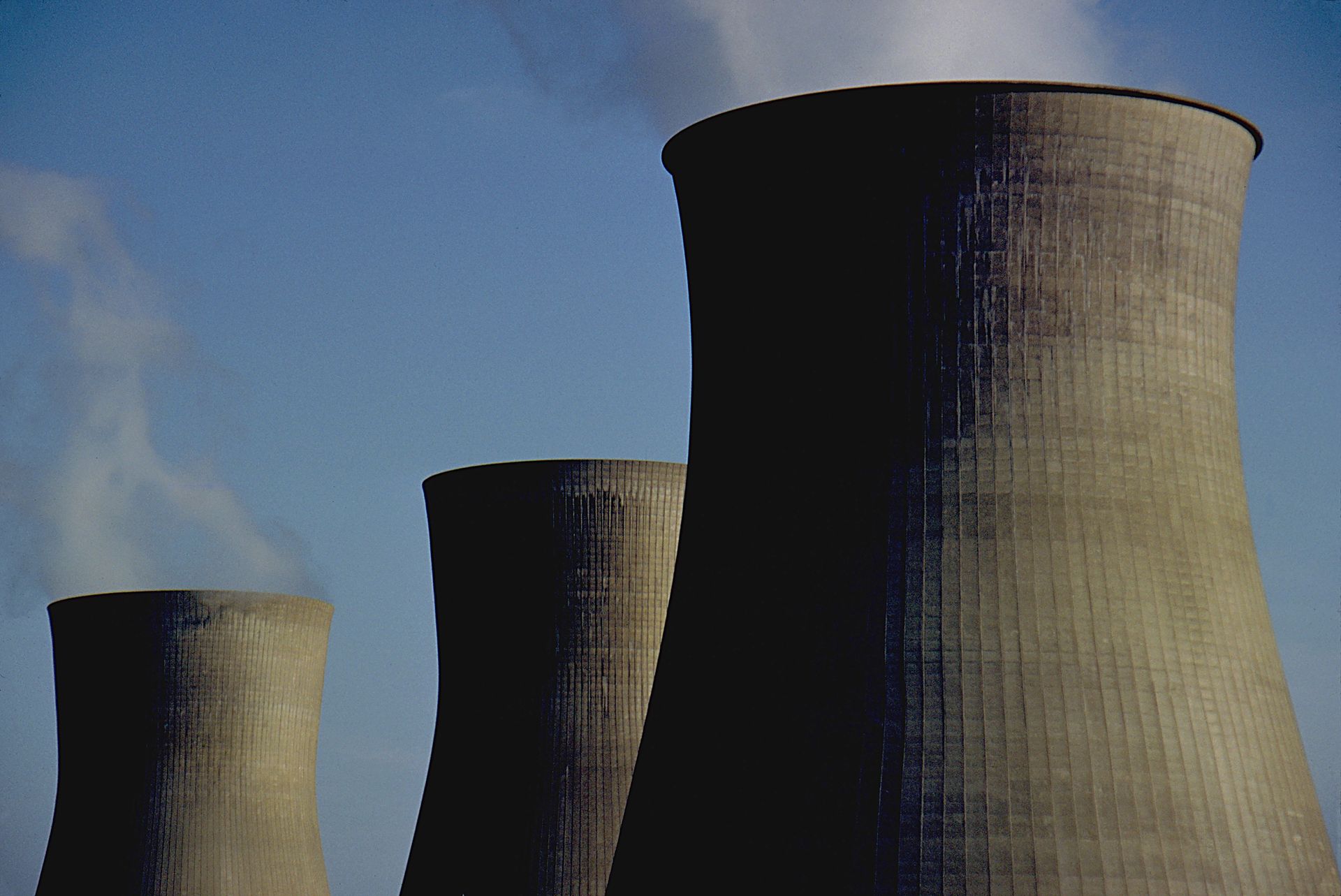
Nuclear power has long been a cornerstone of the U.S. electricity system, offering a steady, large-scale source of energy that doesn’t rely on fossil fuels.
In 2023, fossil fuels still made up 60.0% of total U.S. electricity generation, according to the Energy Information Administration (EIA), but nuclear remains the single largest source of carbon-free power in the country. Its ability to provide consistent “baseload” energy — running around the clock, regardless of weather — sets it apart from many renewables.
The history of nuclear energy in the United States stretches back to the mid-20th century, when the first commercial reactors came online. Over the decades, nuclear power has grown to supply about a fifth of U.S. electricity, helping reduce dependence on coal and natural gas. At the same time, the industry has faced challenges, like high construction costs, public concern over radioactive waste, and high-profile accidents.
No matter, nuclear plants continue to operate in dozens of states, often serving as the backbone of regional power grids. The industry is also in the midst of a renaissance, as the construction of AI data centers is creating more need for energy. Companies like Meta $META, Google $GOOGL and Amazon $AMZN are investing in nuclear to power their efforts, and states are showing renewed interest in building new reactors.
Today, a relatively small group of states dominates nuclear production, operating the majority of America’s reactors. Using data from Statista and the EIA, we've compiled a list of the eight states that produce the most nuclear energy in 2024.
1 / 8
Steve Proehl / Getty Images
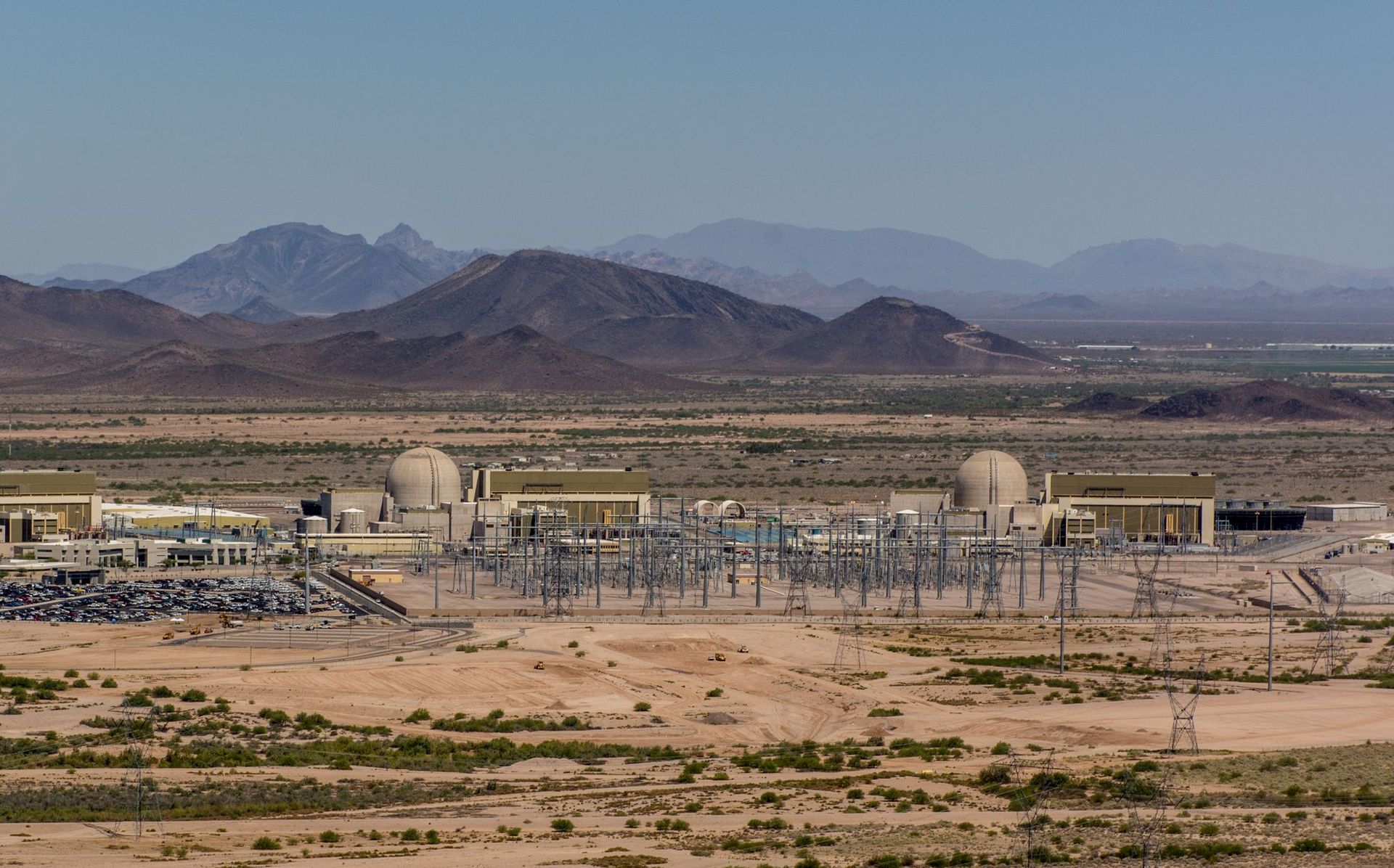
Arizona produced 32,388 gigawatt-hours of nuclear power in 2024. Its Palo Verde Nuclear Generating Station is the second-largest nuclear power plant in the country. "In 2024, Palo Verde's three operating reactors supplied about 27% of the state's net generation, and it accounted for 4% of the nation's nuclear generation," the EIA said.
2 / 8
Houston Chronicle/Hearst Newspapers / Contributor / Getty Images
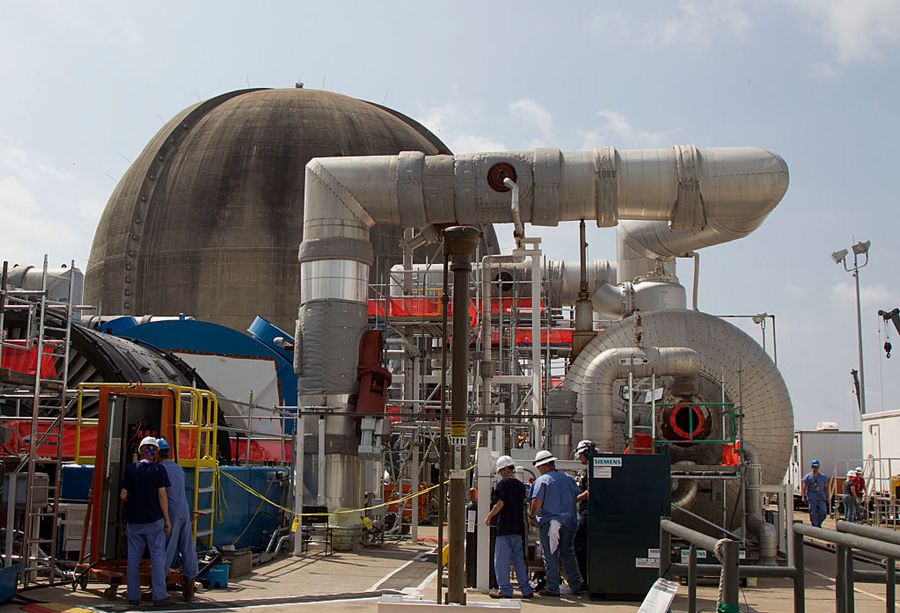
Texas produced 38,613 gigawatt-hours of nuclear power in 2024. "The state's two operating nuclear power plants provided about 7% of the state's electricity net generation in 2023," the EIA said.
3 / 8
Bloomberg / Contributor / Getty Images
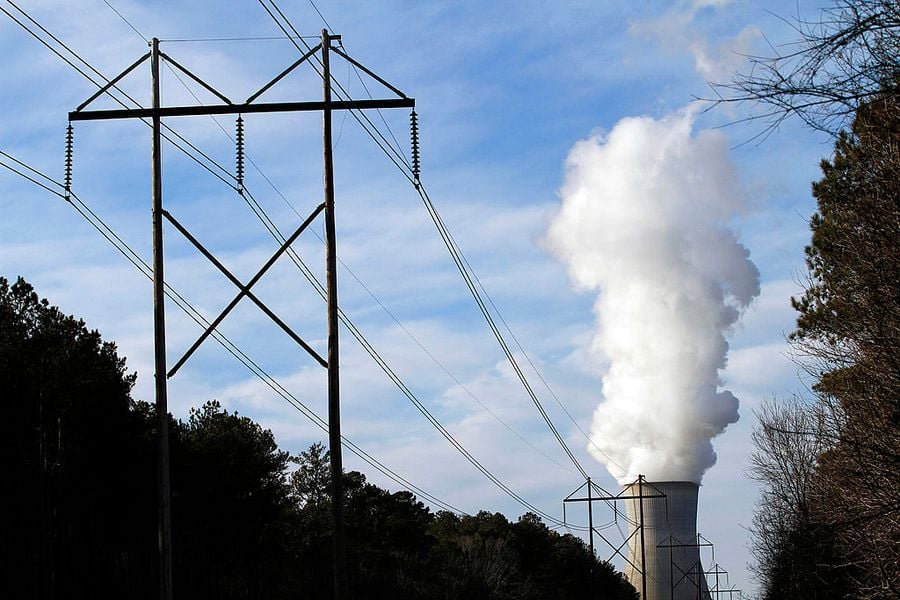
North Carolina produced 43,349 gigawatt-hours of nuclear power in 2024. "In 2023, nuclear energy was the state's second-largest fuel source for electricity and provided 33% of the state's net generation," the EIA said.
4 / 8
PeteMuller / Getty Images
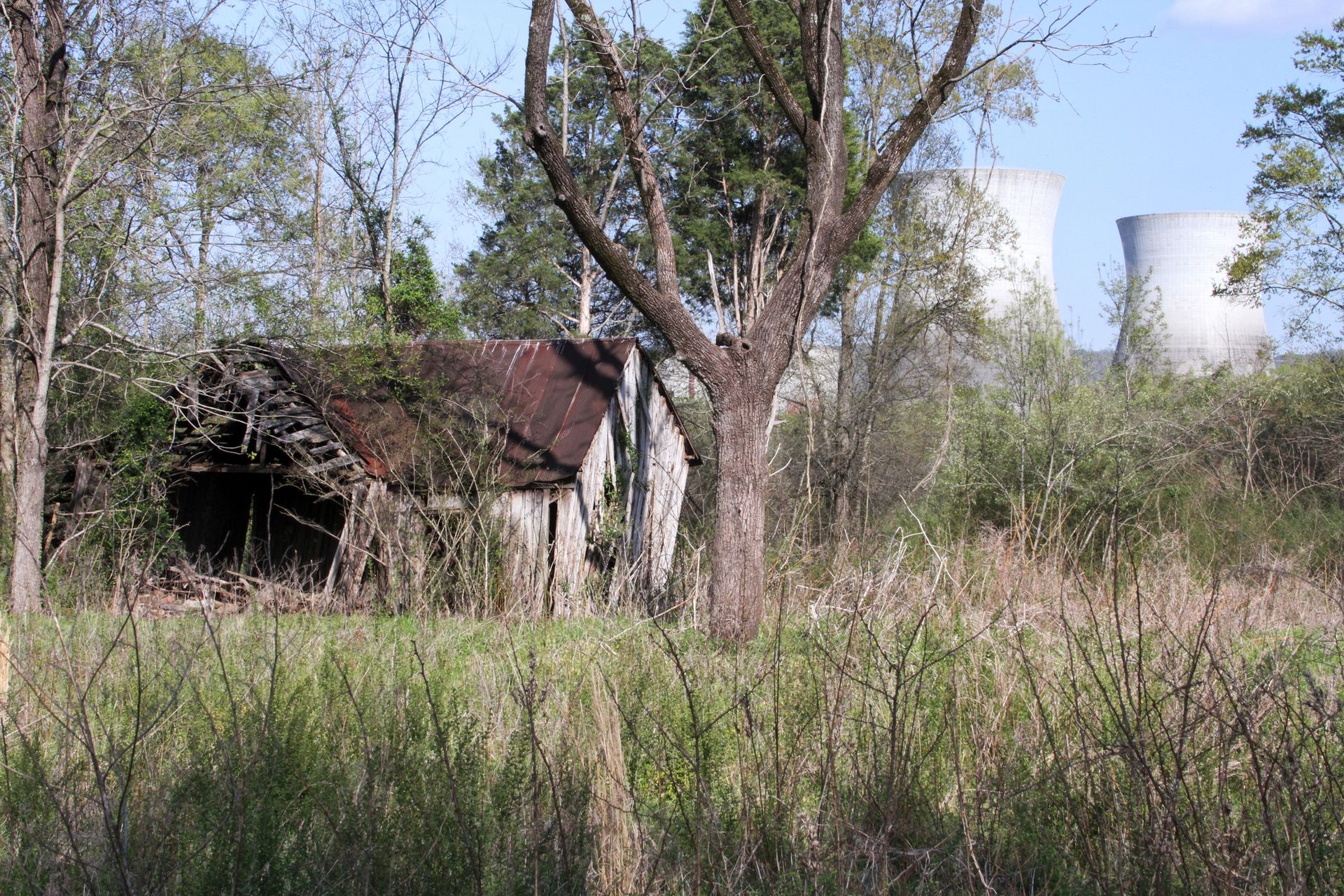
Alabama produced 44,487 gigawatt-hours of nuclear power in 2024. "Alabama's two nuclear power plants, with a total of five reactors, produced 33% of the electricity generated in the state in 2023," the EIA said. "The Browns Ferry power plant has the third-largest nuclear power generating capacity in the nation."
5 / 8
Pallava Bagla / Contributor / Getty Images
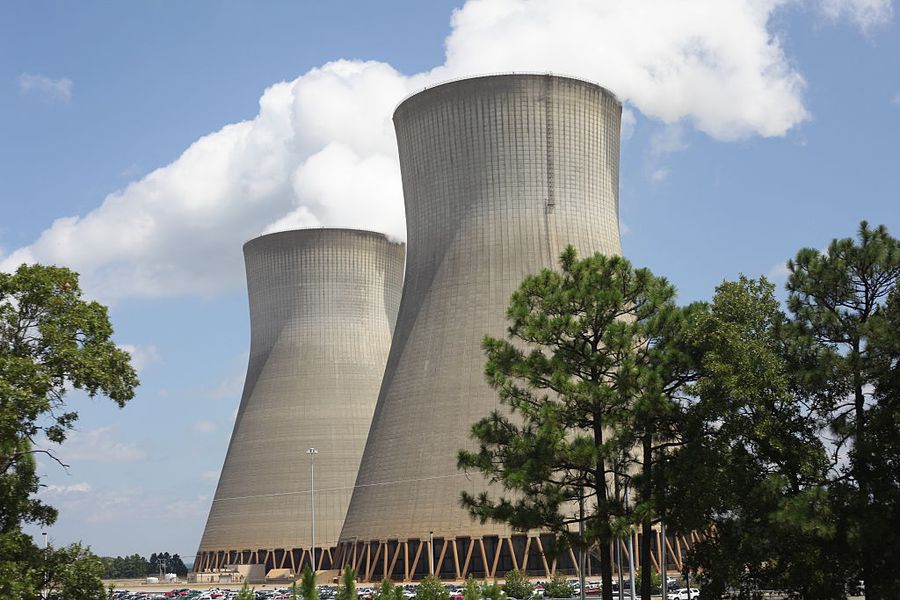
Georgia produced 47,976 gigawatt-hours of nuclear power in 2024. "Two new nuclear reactors at Georgia’s Vogtle nuclear plant created the nation’s largest nuclear power plant," the EIA said.
6 / 8
StevenStarr73 / Getty Images
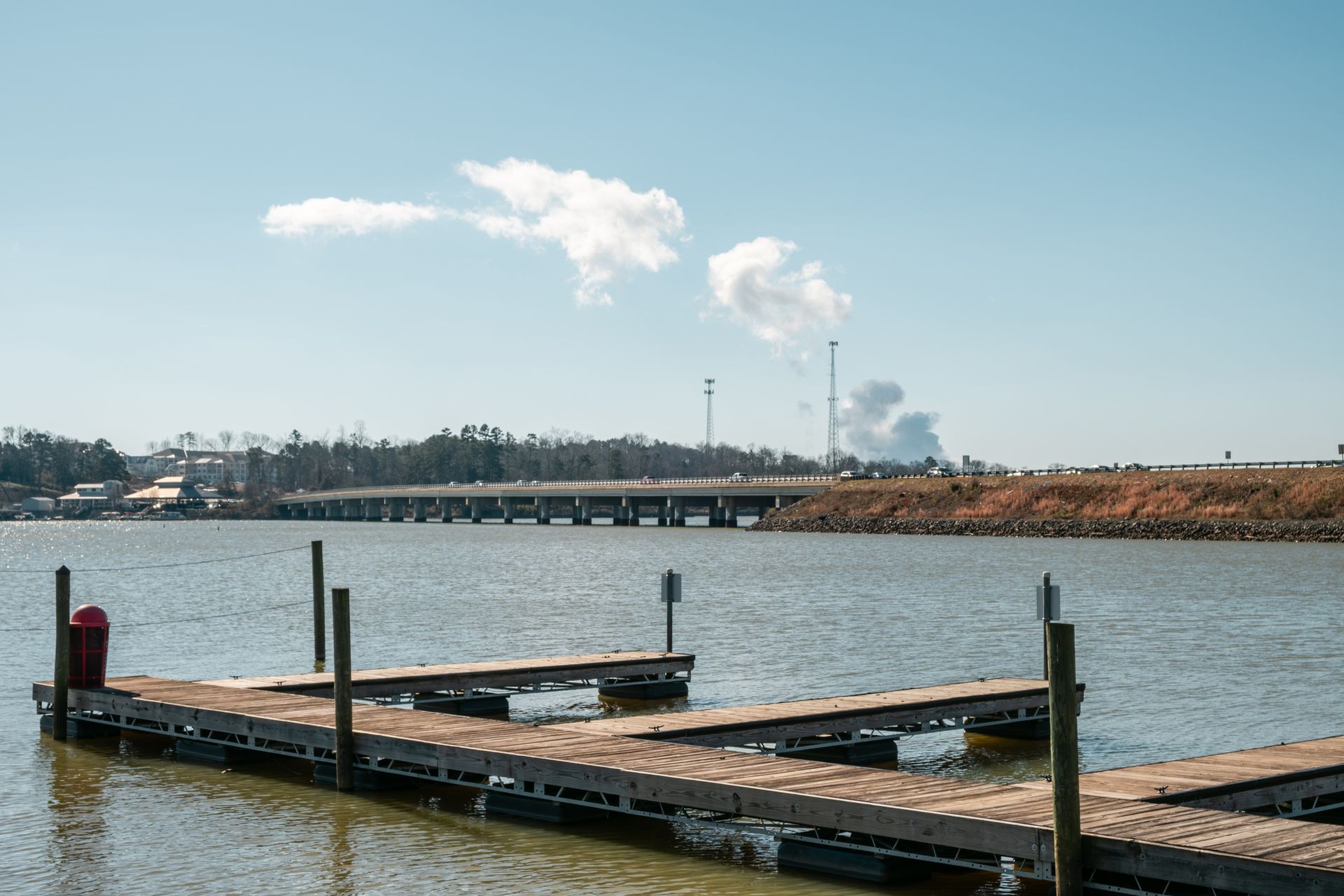
South Carolina produced 53,770 gigawatt-hours of nuclear power in 2024. "Nuclear energy is the leading source of electricity generation in South Carolina and produced 55% of total in-state electricity in 2023," the EIA said. The state has seven operating reactors.
7 / 8
halbergman / Getty Images
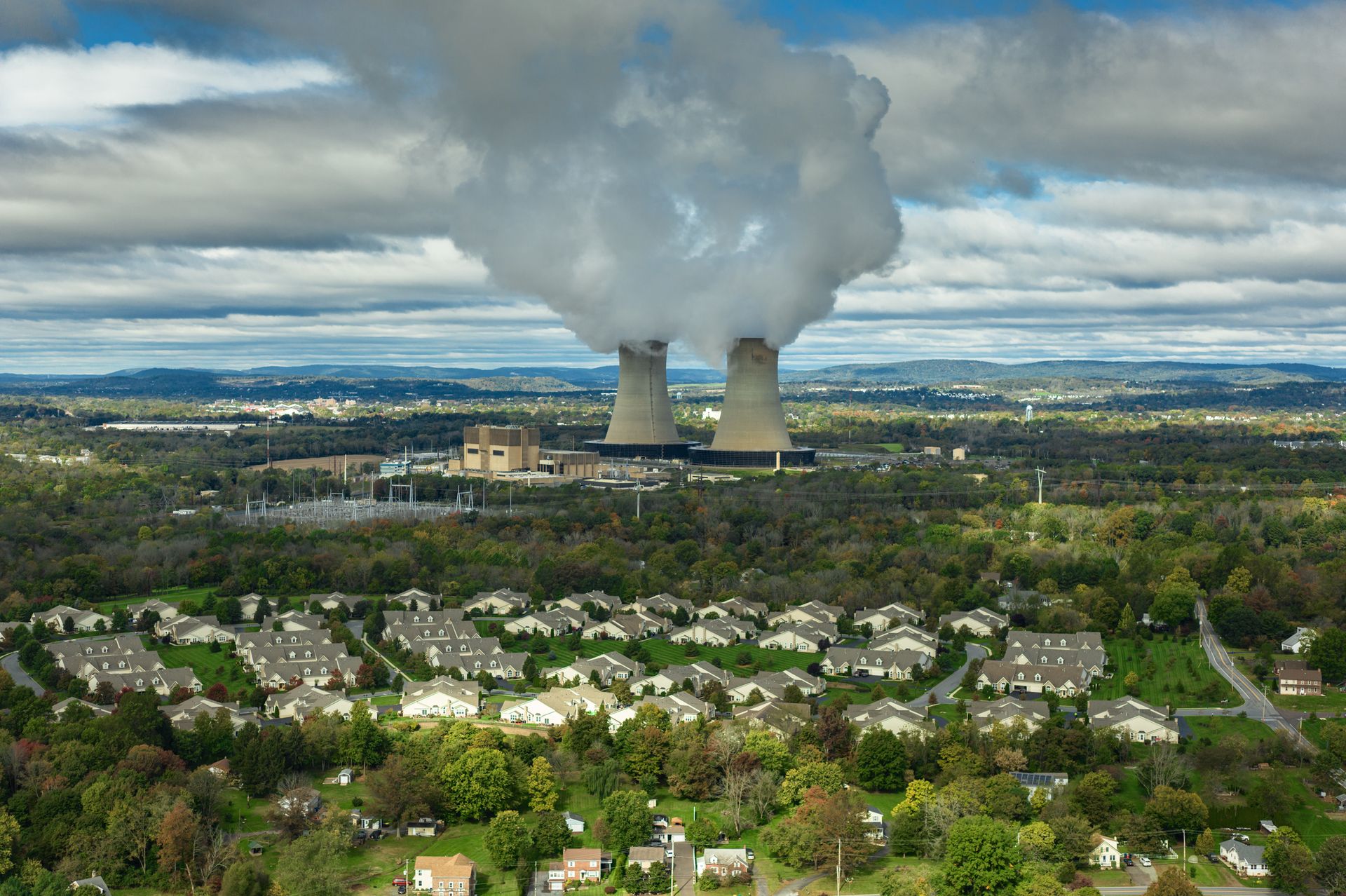
Pennsylvania produced 75,404 gigawatt-hours of nuclear power in 2024. "Pennsylvania ranks second in the nation, after Illinois, in nuclear energy generation, accounting for one-tenth of the nation's nuclear energy generation," the EIA said. "The state's four nuclear power plants provided 32% of the state's electricity net generation in 2023."
8 / 8
Allkindza / Getty Images
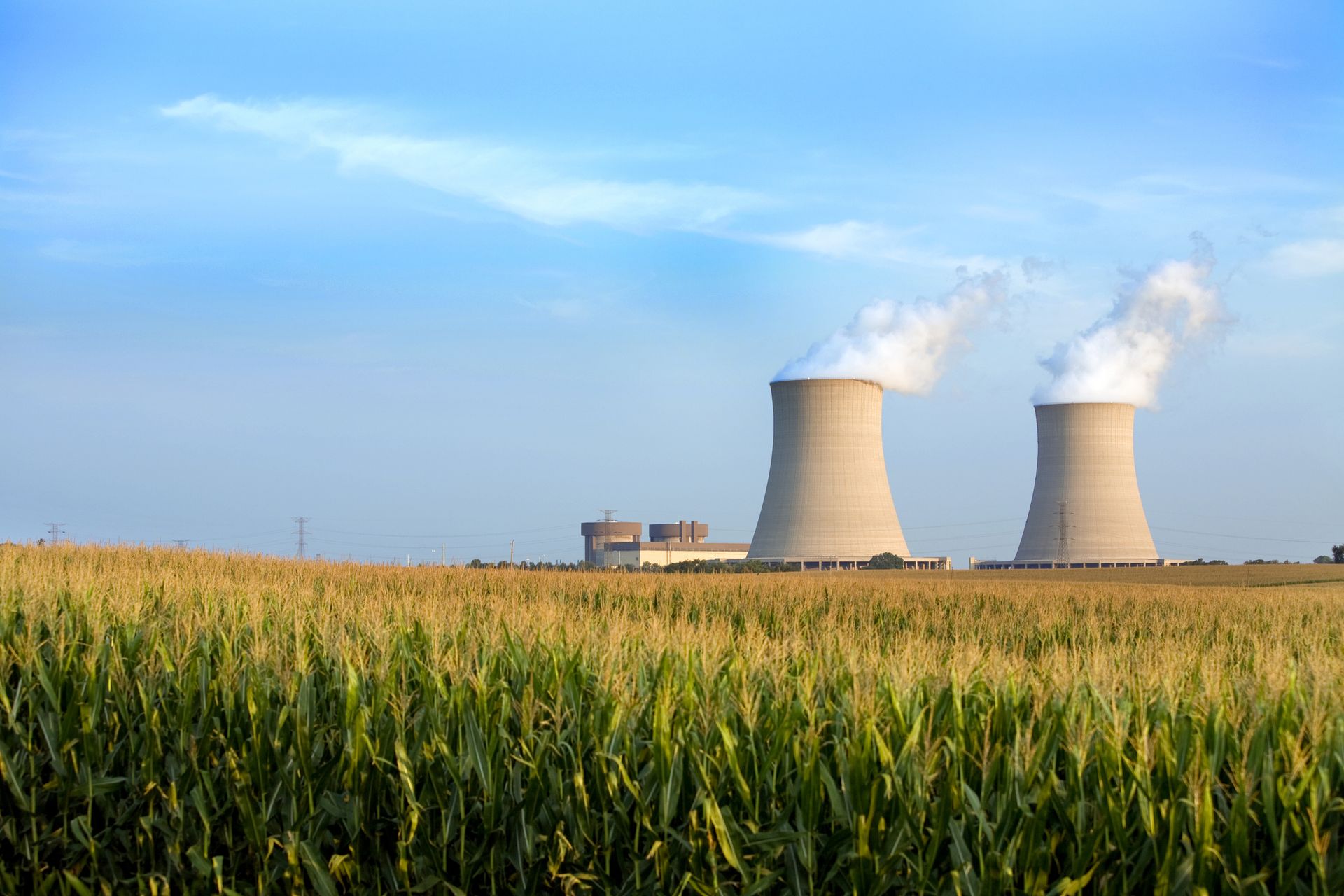
Illinois produced 99,212 gigawatt-hours of nuclear power in 2024. "Illinois generates more electricity from nuclear energy than any other state, accounting for one-eighth of the nation’s total nuclear power generation," the EIA said. "In 2023, the state's 6 nuclear power plants, with 11 total reactors, produced 54% of the state's electricity net generation."
