
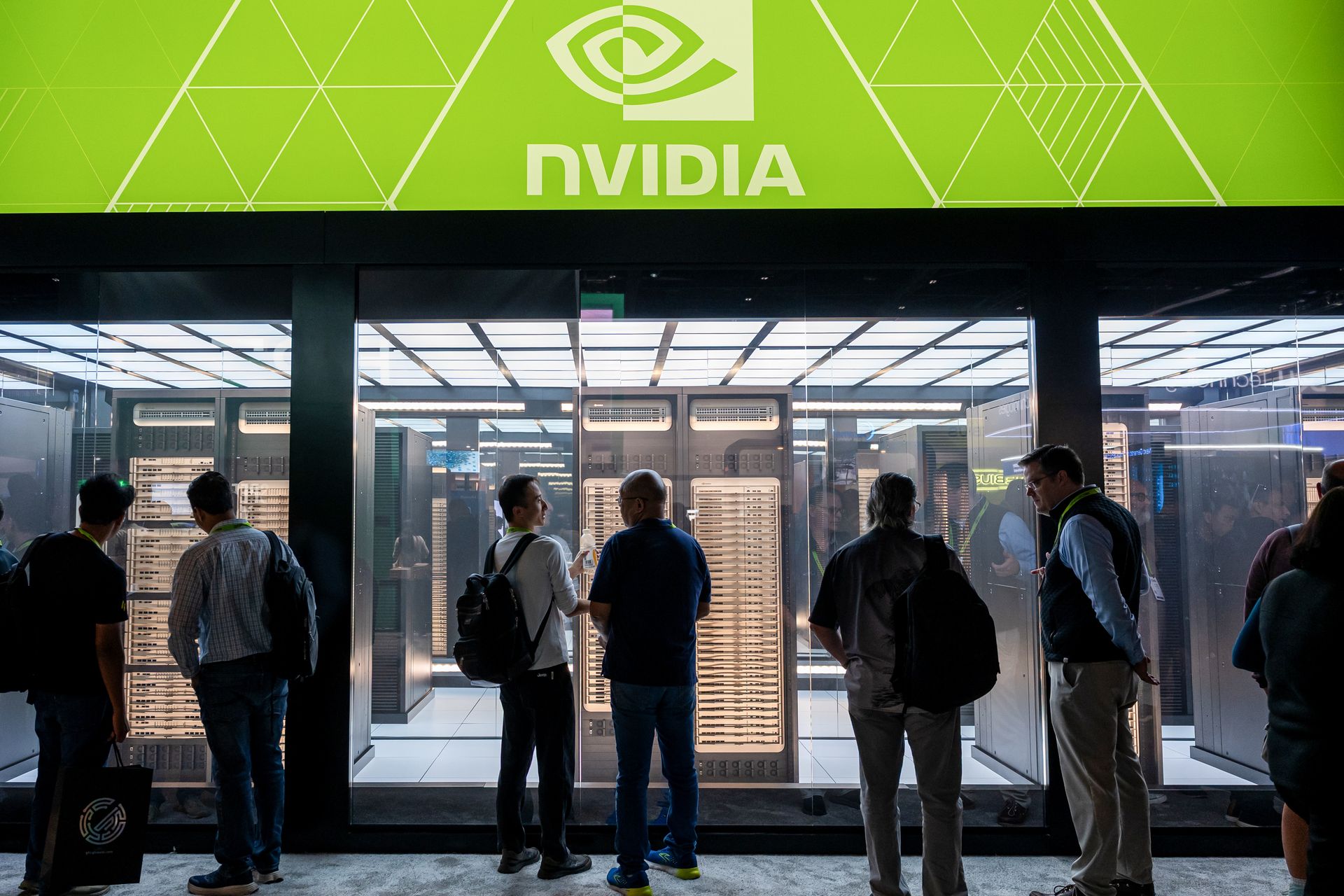
About 10 Chinese companies have received U.S. Commerce Department authorization to buy Nvidia $NVDA's H200 artificial intelligence chips, yet no shipments have reached any of them, Reuters reported, citing unnamed sources.
The approved buyers include Alibaba, Tencent, ByteDance, and JD.com. Authorization has also been extended to distributors Lenovo and Foxconn, through whom Chinese customers may route their purchases rather than buying from Nvidia directly. U.S. licensing terms cap individual purchases at 75,000 chips per approved company, according to Reuters.
Lenovo confirmed that it "is one of several companies approved to sell H200 in China as part of Nvidia's export license," the company said in a statement. Nvidia, Alibaba, Tencent, ByteDance, JD.com, and Foxconn did not respond to requests for comment, according to Reuters.
Reuters reported that transactions have frozen after Chinese companies backed away in response to direction they received from Beijing. Commerce Secretary Howard Lutnick told a Senate hearing last month that "the Chinese central government has not let them, as of yet, buy the chips, because they're trying to keep their investment focused on their own domestic industry."
A desire to protect China's domestic chip industry from foreign competition is at the heart of Beijing's resistance to completing the purchases. The deal structure itself has also created friction. Under a deal framework President Donald Trump put together, Washington would take a 25% cut of chip sale revenues; because American law prohibits levying export fees directly, the arrangement routes the chips through U.S. territory on their way to China.
Nvidia CEO Jensen Huang was added to the White House's Beijing trip after Trump personally invited him, even though Huang had not been part of the delegation's original roster. Huang boarded the presidential party in Alaska as Trump was en route to meet Chinese President Xi Jinping. Speaking to CCTV, China's state broadcaster, Huang expressed hope that the Beijing talks would strengthen the personal bond between Trump and Xi and lead to warmer relations between the two countries.
When U.S. export controls were less stringent, Nvidia's share of China's advanced chip market stood at roughly 95%, with Chinese sales representing around 13% of the company's overall revenue. The value of China's AI market this year could reach $50 billion, by Huang's own reckoning.