Quartz
Subscribe
Quartz
Subscribe
Edition
Business News
A.I.
Technology
Money & Markets
Leadership
Lifestyle
Latest

Get Quartz in your inbox

Free daily briefing on global business news.

Business News
AirlinesAutomobilesFoodPharmaceuticalsPolitics & GovernmentRetail & EcommerceSpace & AerospaceEarnings
Technology
A.I.ComputingConsumer TechSpace & AerospaceEarnings
Money & Markets
Economic IndicatorsMarketsPersonal FinanceEarnings
Lifestyle
Cars & BikesCollectingEntertainmentFood & Fine DiningHealth and FitnessReal EstateTravel
Economic Indicators

Oil surges toward $100 as Houthis strike Saudi tankers and Trump escalates Iran threats

Brent crude surged more than 4% on Thursday, putting it on course for one of its biggest monthly gains in a decade

By Cris Tolomia·3 min read·Updated July 23, 2026
Add QZ to Google
Oil surges toward $100 as Houthis strike Saudi tankers and Trump escalates Iran threats

Bloomberg / Getty Images

Brent crude topped $98 a barrel on Thursday after Yemen's Houthi militia claimed strikes on Saudi oil tankers in the Red Sea, compounding fears over energy supplies already disrupted by near-halted shipping through the Strait of Hormuz.

Brent futures reached $98.44 per barrel, a gain of 4.6% that pushed the contract to its strongest point since late May, while U.S. West Texas Intermediate crude added 3.8% to settle at $90.14 per barrel, a peak not seen since June 8, according to CNBC. The day's rally left Brent tracking a monthly advance of 35.3%, which would rank as the third-largest such move over the past decade.

The United Kingdom Maritime Trade Operations reported Wednesday that a vessel had been hit roughly 70 nautical miles southwest of Al Shuqaiq, Saudi Arabia, igniting an onboard fire that crew members were working to contain. No casualties were reported. Yemen's Houthi movement said it carried out the strikes, asserting that the two Saudi oil tankers had breached its maritime blockade and were therefore hit with drones and missiles — claims CNBC said it could not independently verify.

Iran's Islamic Revolutionary Guards Corps announced that an explosion aboard one of three tankers navigating a southern corridor below the Strait of Hormuz caused it to catch fire, leading the remaining two vessels to abandon their passage and reverse course, according to The New York Times.

The attacks followed a threat by President Donald Trump to destroy Iranian infrastructure in response to any strikes on ships in the Strait of Hormuz. "From this point forward, any time the Islamic Republic of Iran shoots at a ship in the Strait of Hormuz, whether it be by Missile, Rocket, Drone, or any other device or weapon, the United States will bomb and destroy ONE BRIDGE OR POWER PLANT," Trump said. Tehran responded with a threat of its own, with an unnamed Iranian military source telling state-run Tasnim News Agency that any American strike on Iranian infrastructure would be met with retaliatory attacks on energy facilities and other assets in the region tied to U.S. interests.

The U.S. said it had completed its 12th consecutive night of strikes aimed at degrading Iran's ability to threaten commercial shipping. Vessel transits through the Strait of Hormuz totaled just 15 on Wednesday, a fraction of the roughly 130 ships that passed through daily before the war began, according to maritime data firm Kpler, as cited by The New York Times. Between Monday and Tuesday, six ships abruptly changed direction and retreated from the Bab al-Mandab strait following a Houthi warning that shipping companies should steer clear of Saudi ports.

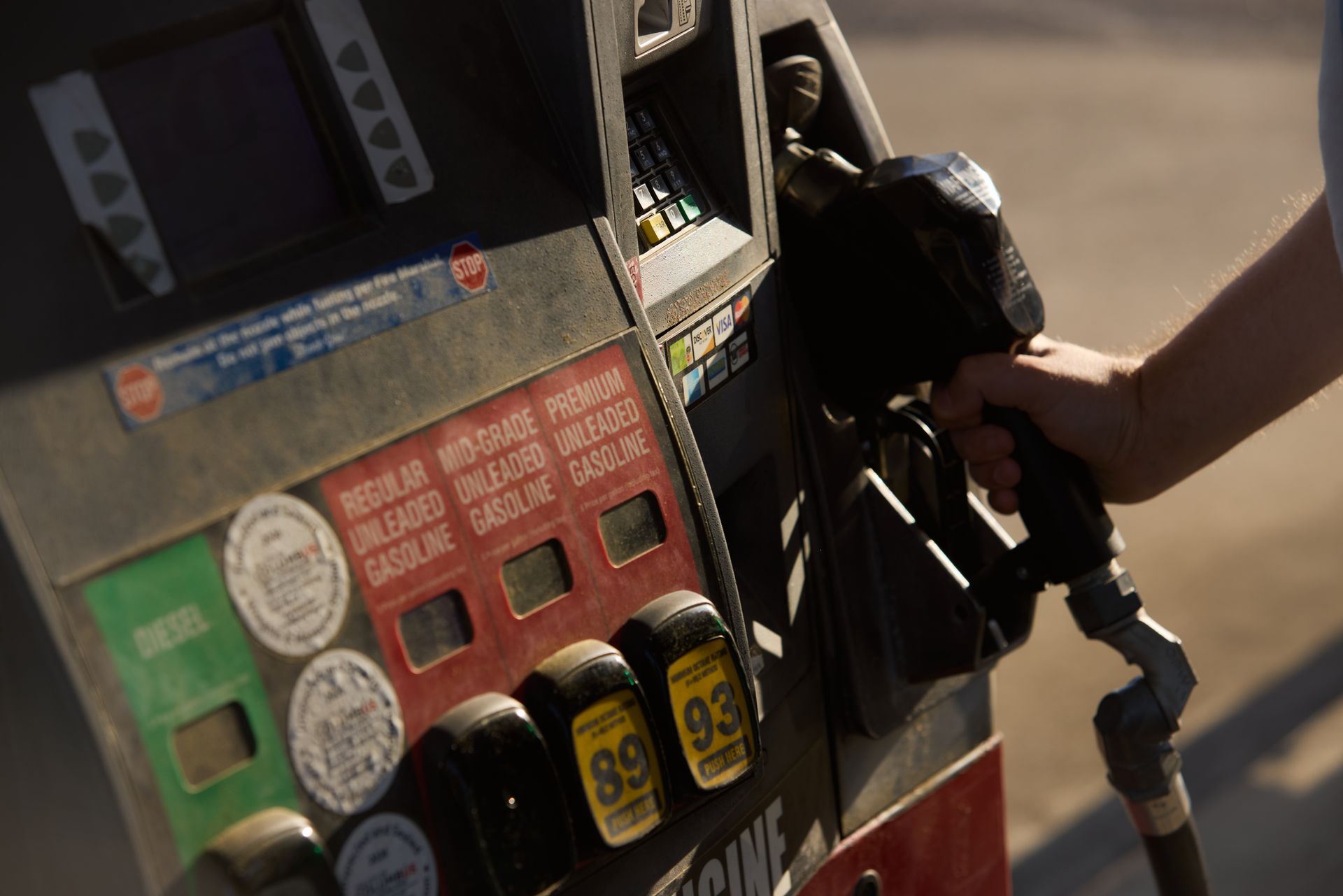
Gas prices in the United States rose to $4.09 a gallon on Thursday, up 37% since the war began, according to the AAA motor club. Diesel climbed to $5.21 a gallon, about 39% above its level at the start of the conflict.

The widening violence comes after the U.S.-Iran ceasefire that had briefly stabilized energy markets collapsed earlier this month. As Quartz covered when the U.S. reinstated its naval blockade of Iranian ports, Citi warned that renewed hostilities substantially raised the chances of a broader military confrontation. Secretary of State Marco Rubio said Wednesday that Iran was not being serious about reaching an agreement with Washington, while maintaining the U.S. remained committed to diplomacy.

Daily Brief

The essential business news, delivered fresh every morning.

Join 500,000+ readers who start their day with Quartz.

By subscribing, you agree to our Terms of Service and Privacy Policy.

Related

Business NewsT-Mobile posted stronger earnings as customers moved to premium wireless plans
Business NewsBlackstone's profits surged 26% as AI bets and record inflows pushed assets to $1.35 trillion
A.I.AMD is launching a new generation of AI chips and rack systems to challenge Nvidia
Economic IndicatorsBrent crude surges past $100 as Houthis strike Saudi tankers in the Red Sea
Business NewsPeacock posted its first-ever quarterly profit, powered by the World Cup and Love Island USA
Quartz

Global business news for a smarter world

Topics

  • Business News
  • Money & Markets
  • Tech & Innovation
  • Generation A.I.
  • Lifestyle
  • Leadership

Products

  • Daily Brief
  • Weekly Digest
  • Member Benefits
  • Quartz Pro

Legal

  • Sitemap
  • About
  • Accessibility
  • Privacy
  • Terms of Service
  • Advertising

© 2026 Quartz Media, Inc. All rights reserved.