
Oil prices climbed Friday after Iran struck a power and water desalination plant in Kuwait, extending a week of escalating U.S.-Iran fighting that has pushed both benchmark crude contracts up roughly 12%.
Brent crude futures rose to $86.03 per barrel, while U.S. West Texas Intermediate futures traded at $80.99. Brent is heading toward its third straight weekly gain, and both contracts are up close to 12% over the course of the week, according to Reuters.
According to CNBC, Kuwait's Ministry of Electricity, Water and Renewable Energy confirmed that the strike set off a fire at the plant and put a large portion of its power generation capacity out of service.
U.S. Central Command completed its sixth consecutive night of strikes against Iran overnight, hitting dozens of military targets including coastal surveillance and air defense sites, military logistics infrastructure, and maritime capabilities. More than 50,000 U.S. service members are operating across the Middle East, CENTCOM said.
Iran has countered with missiles and drones aimed at U.S. military bases in neighboring states, including a barrage at an air base in Jordan. Qatar's defense ministry said its armed forces thwarted an Iranian missile attack early Friday, with a child injured by shrapnel from the interception, Reuters reported.
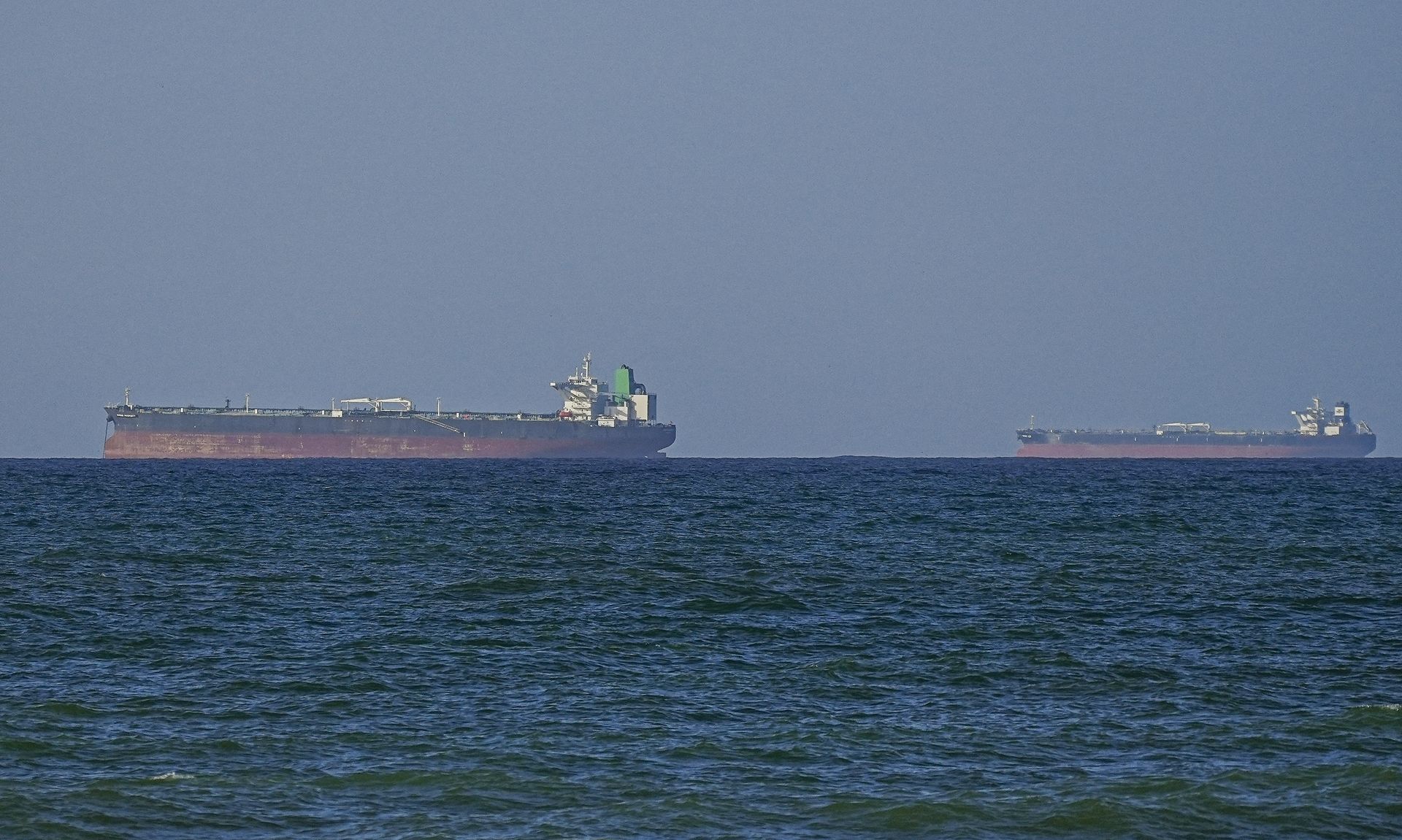
The fighting has choked off movement through the Strait of Hormuz, a chokepoint that accounts for roughly one-fifth of global oil supply, according to CNBC. The conflict reignited after a truce reached last month fractured.
Tehran has separately told its Houthi allies to stand by to shut down Red Sea oil transit in the event that the U.S. strikes Iranian power infrastructure, citing three unnamed sources. "The potential threat of the Red Sea becoming another major supply disruption point is further complicating the global oil outlook," Tim Waterer, chief market analyst at KCM Trade, said.
The flare-up comes after President Donald Trump warned on Tuesday during a Fox News interview that Washington would strike Iranian infrastructure if no deal was on the table, according to CNBC. Tehran pushed back Thursday via a Telegram statement in which a spokesperson for Iran's top military command declared that acting on those threats would mean "everything that is still intact … that is, all the infrastructure in the region – will be crushed," according to CNBC.
Oil prices had already climbed to a four-week high after CENTCOM announced a naval blockade of Iranian ports, adding to concerns about energy flows through the Strait of Hormuz.
International Energy Agency Executive Director Fatih Birol said Thursday at a Council on Foreign Relations event in Washington that the situation remained a serious concern. "We should be worried, and I am worried, if the situation does not improve in the next few weeks," Birol said.