Oil prices surged Monday after Iranian state media said Tehran would halt nuclear negotiations with the U.S. and close the Strait of Hormuz in response to Israeli military operations in Lebanon.

Iran said negotiators would not meet with U.S. officials until Israel stopped attacks in Gaza and Lebanon and pulled back from occupied Lebanese territory
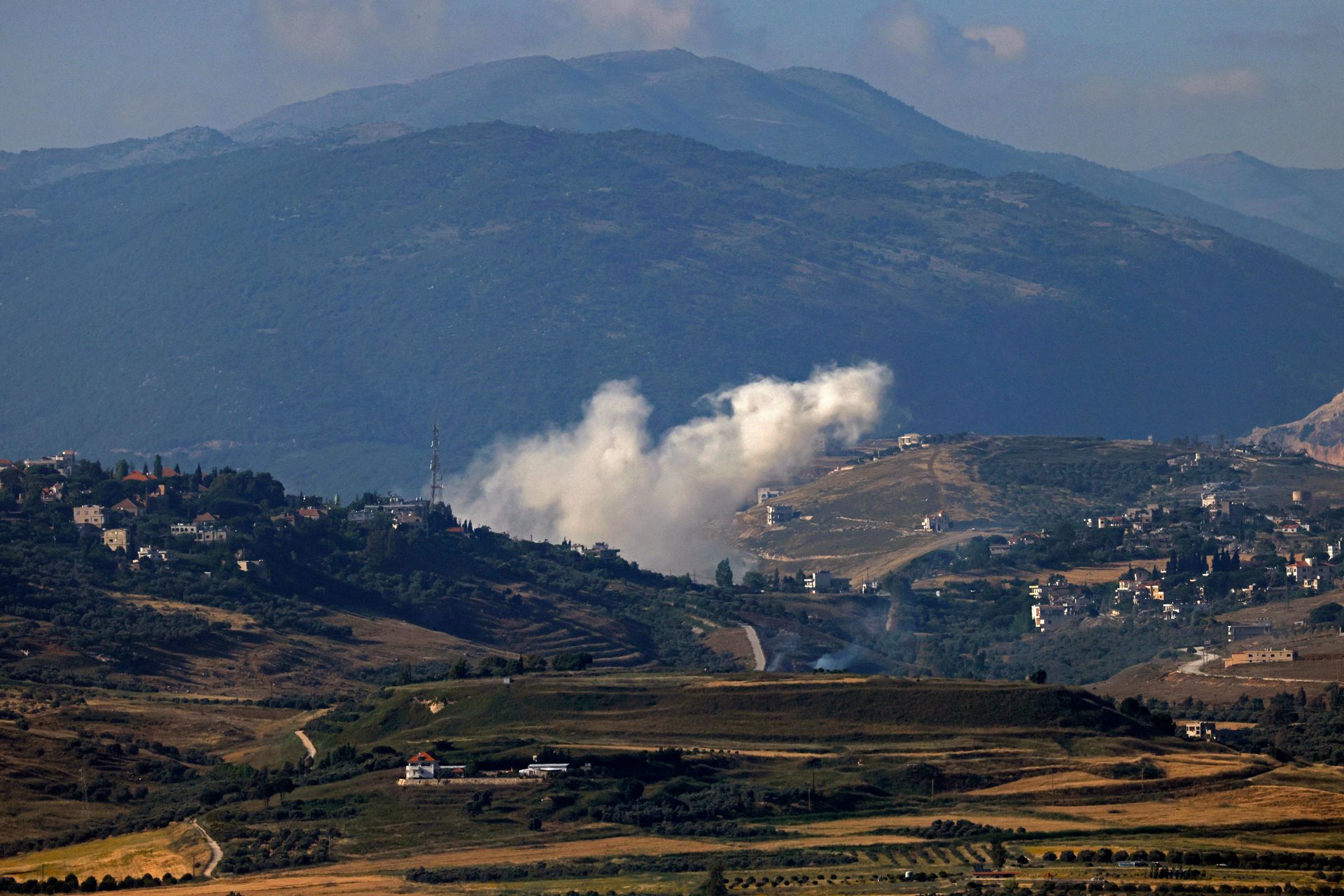
JALAA MAREY / Getty Images
Oil prices surged Monday after Iranian state media said Tehran would halt nuclear negotiations with the U.S. and close the Strait of Hormuz in response to Israeli military operations in Lebanon.
WTI futures had gained 7.8% to reach $94.20 per barrel in Monday morning trading, while Brent crude — the international benchmark — was up 6.7% to $97.23. The moves came after Iran's state-affiliated Tasnim news agency said Iranian negotiators would not meet with U.S. officials until Israel stopped attacks in Gaza and Lebanon and pulled back from occupied Lebanese territory.
Tehran also threatened to block the Bab el-Mandeb Strait, a chokepoint connecting the Red Sea to the Gulf of Aden, in addition to the Strait of Hormuz, according to CNBC. The Strait of Hormuz handles around 20% of global oil traffic.
Fresh air strikes were exchanged by the U.S. and Iran over the weekend, with military targets near the Strait of Hormuz reportedly struck by both sides. Israeli Prime Minister Benjamin Netanyahu separately said his forces' capture of Beaufort Castle in southern Lebanon marked a turning point in the country's ground offensive against Hezbollah.
The escalation threatens a ceasefire between Washington and Tehran that has held uneasily since early April. Last week's oil selloff was the steepest for both benchmarks since mid-April, with Brent shedding about 11% and WTI losing almost 10%. But measured from the start of the U.S.-Israeli war against Iran on Feb. 28, each contract has still added about 30%,.
President Donald Trump said Monday on Truth Social that Iran "really wants to make a deal," adding: "Just sit back and relax, it will all work out well in the end - It always does!" Axios, citing unnamed U.S. officials, reported Saturday that Trump had requested amendments to terms his envoys had reached with Iranian negotiators, with a key sticking point involving Iran's nuclear material.
Join 500,000+ readers who start their day with Quartz.
By subscribing, you agree to our Terms of Service and Privacy Policy.