
Oil prices swung Thursday as investors weighed conflicting signals from Washington and Tehran over a potential deal to end the war between the two countries. Brent crude oil futures, the international benchmark, settled at $99.40 a barrel, and WTI futures edged up to $93.21 per barrel.
It came a day after reports from NBC News and other outlets — citing unnamed U.S. and other officials — that Washington and Tehran were close to a one-page memorandum of understanding to end the war sent U.S. crude tumbling by as much as 15%, hitting $88 per barrel at its low. Prices recovered somewhat from their intraday lows after President Donald Trump told the New York Post it was "too soon" to talk about signing a peace deal, with U.S. crude ending the session 7% lower at $95.08 per barrel and Brent finishing down 7.8% at $101.27.
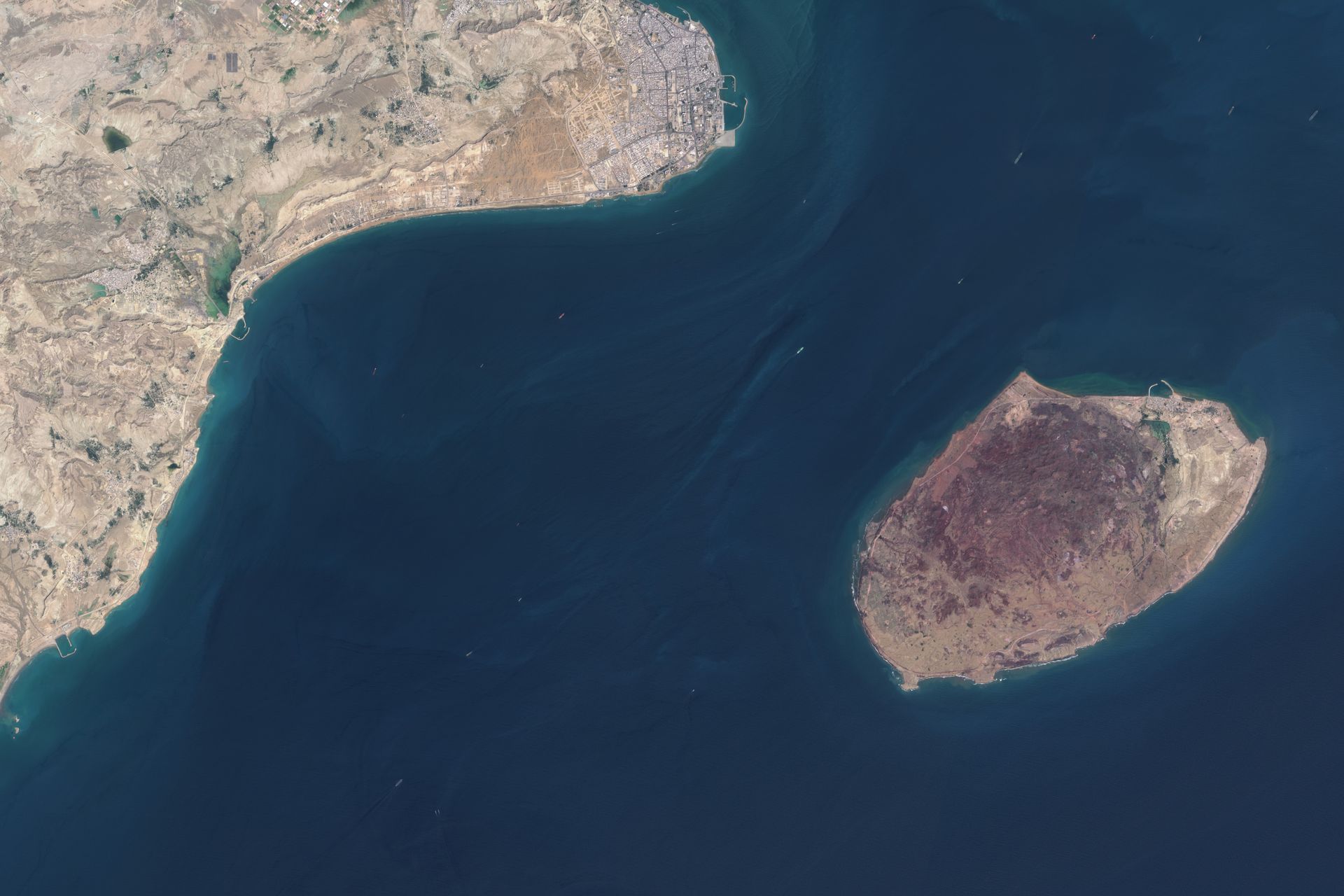
In a Truth Social post, Trump declared that Operation Epic Fury — the U.S. military campaign — would conclude if Iran delivered on what had already been agreed to, calling that outcome "perhaps, a big assumption." A deal, he wrote, would bring the Strait of Hormuz back open to all vessels, Iran's included, but he cautioned that a failure to reach one would mean renewed strikes at a far greater scale.
Pakistani mediators are awaiting Tehran's assessment of the proposal, Iranian Foreign Ministry spokesperson Esmaeil Baqaei said, noting that a response had not yet been finalized. On X $TWTR, Baqaei appeared to rebuke the terms of engagement, posting that genuine negotiations demand "good faith" and cannot be reduced to what he called "dictation," "deception," "extortion" or "coercion."
Speaking on CNBC, former U.S. Ambassador to Oman Marc Sievers described unfettered access through the Strait of Hormuz as the core demand animating the negotiations. "The immediate focus has been on a full reopening of the Strait of Hormuz, allowing all of this international commerce and energy to flow smoothly, tankers full of oil and so forth that have been blocked up, and that there would be no toll imposed by the Iranian IRGC on tankers to pass," he said.
A near-total halt in traffic through the strait has been among the chief drivers pushing oil prices up more than 65% since January. S&P Global $SPGI Market Intelligence data reviewed by NBC News showed that just a single vessel transited the waterway on Tuesday, with the count dropping to zero on Wednesday. Just ahead of Wednesday's reports about a possible agreement, the average pump price for gasoline in the U.S. breached $4.50 per gallon, a threshold not seen since the summer of 2022.
Appearing on CNBC's Squawk Box, Citi U.S. equity strategist Scott Chronert warned that a prolonged conflict poses risks well beyond the energy market. "The duration of the conflict and the implication that has for higher oil prices for longer is a big deal as it pertains to future growth expectations for many parts of the market, as well as how it influences the Fed thinking in terms of the interest rate dynamic," he said.
Negotiations have repeatedly stalled. A delegation that included Vice President JD Vance, special envoy Steve Witkoff, and Jared Kushner traveled to Islamabad last month for face-to-face discussions but returned without a deal. Talks that were to follow never got off the ground after Trump publicly rejected Iran's proposal as insufficient.
