
Saudi Aramco reported second-quarter adjusted net income of $33.4 billion on Tuesday, a 33% jump from a year earlier, as the Iran war drove oil prices sharply higher. Analysts had expected $31.59 billion, according to CNBC.
The oil giant posted $33.4 billion in adjusted net income for the second quarter, topping analyst expectations, as crude averaged $108 a barrel
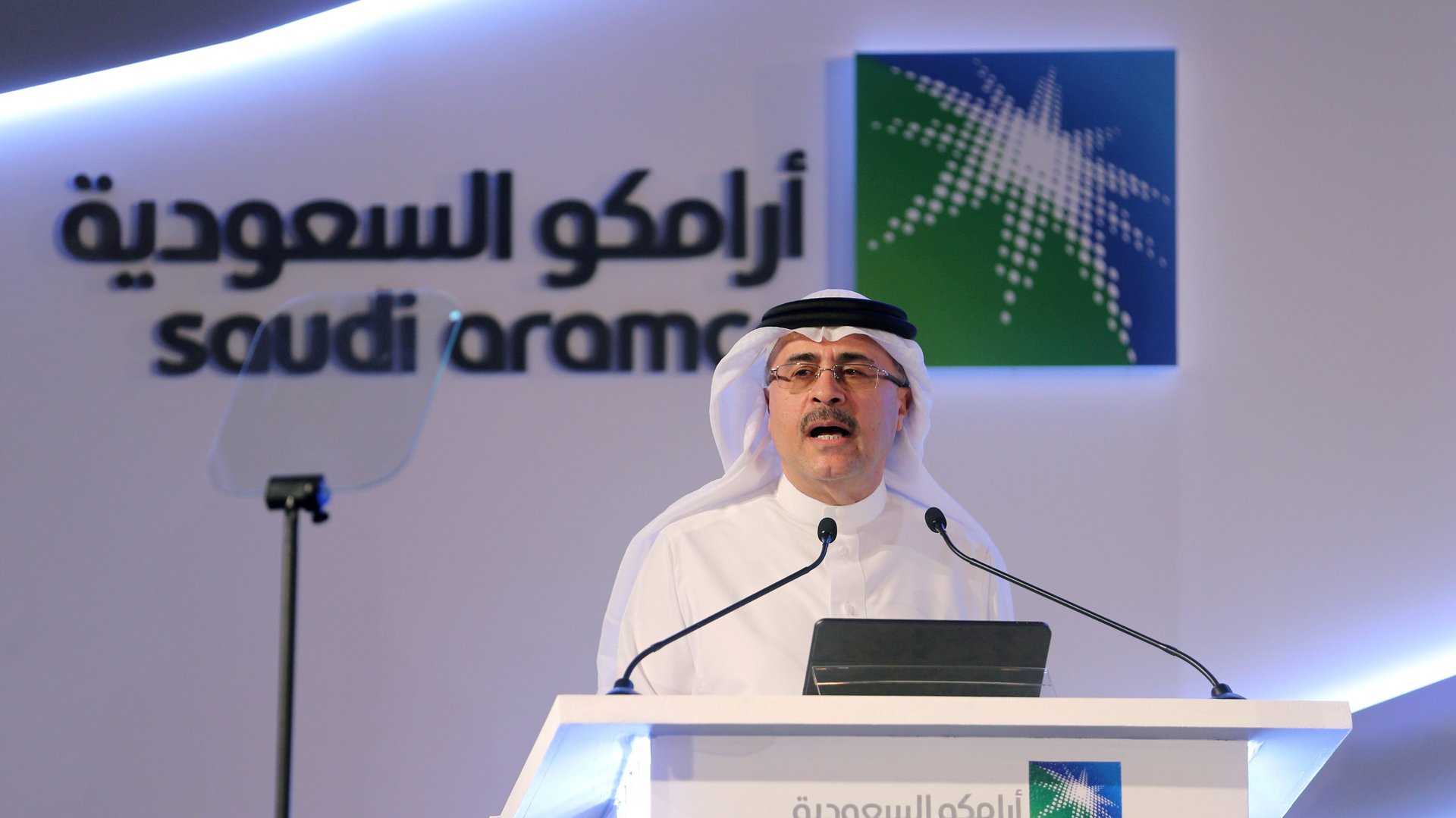
Saudi Aramco reported second-quarter adjusted net income of $33.4 billion on Tuesday, a 33% jump from a year earlier, as the Iran war drove oil prices sharply higher. Analysts had expected $31.59 billion, according to CNBC.
The surge in earnings came despite Aramco selling and producing fewer barrels during the quarter. Crude fetched an average of roughly $108 a barrel during the April-to-June period, a gain of more than 60% over the $67-a-barrel average recorded in the same quarter of the prior year, according to The Wall Street Journal. Total hydrocarbon production declined by about a quarter over the same period.
Aramco credited its 1,200-kilometer East-West pipeline, which runs across Saudi Arabia to the Red Sea port of Yanbu, with allowing the company to keep export volumes at a ceiling of 7 million barrels per day even as the Strait of Hormuz remained effectively closed, according to CNBC. The company said it continued to use the pipeline to secure flows across its network.
Aramco President and CEO Amin H. Nasser said in a statement that the conflict "continues to aggravate the biggest supply shock in history," estimating that more than 2.6 billion barrels of oil destined for global industries had been removed from supply. Emergency stock releases and alternative export routes reduced the net loss to about 1.8 billion barrels, he said. Even if the Strait of Hormuz reopened immediately, Nasser warned, rebuilding depleted global inventories would take up to 18 months at an average rate of 2.1 million barrels per day.
Operating activities generated $25.4 billion in cash flow during the quarter. Free cash flow reached $12.3 billion, impacted by $13.6 billion of working capital build, the company said. The company's gearing ratio climbed to 6.2% by the close of June, up from 4.8% three months earlier. Aramco's board declared a second-quarter base dividend of $21.9 billion, to be paid in the third quarter.
Nasser had already cautioned that global oil market normalization could extend into 2027 if the Strait of Hormuz disruption continued. In that quarter, adjusted net income came to $33.6 billion and the company began redirecting shipments through the East-West pipeline to Yanbu.
The conflict has since widened, drawing in additional countries including Iraq and Egypt. Aramco facilities in Jizan and Yanbu came under attack by Iran-backed Houthi militants in late July, a response to Saudi aerial strikes on targets in Yemen, according to the Journal. Aramco said Tuesday that those attacks, and others targeting its facilities during the quarter, had no material effect on its financial position, operations, or cash flows.
Join 500,000+ readers who start their day with Quartz.
By subscribing, you agree to our Terms of Service and Privacy Policy.