
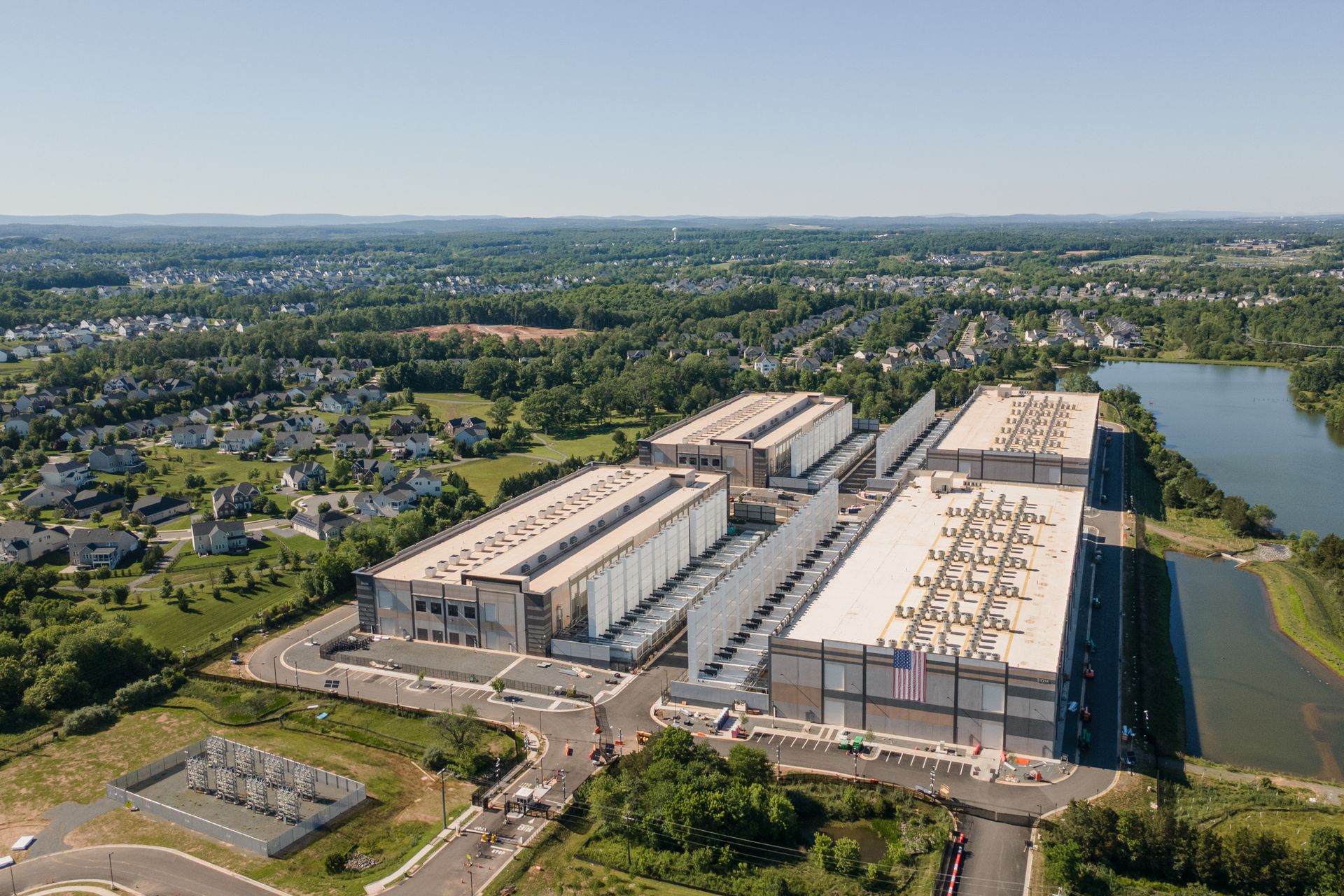
The House panel is scheduled to debate and vote Wednesday on the bipartisan Ratepayer Protection Act, which would require state utility regulators to consider making data center builders pay for grid upgrades needed to power their facilities, rather than passing those costs to residential and small-business ratepayers.
Republican Rep. Gabe Evans of Colorado and Democratic Rep. Kathy Castor of Florida are sponsoring the bull that will go before the House Energy and Commerce Committee's energy subcommittee on Wednesday. Through an amendment to Section 111(d) of the Public Utility Regulatory Policies Act of 1978, the legislation would direct state regulatory authorities to weigh whether to establish a large-load standard applying to customers drawing 100 megawatts or more — a threshold that would obligate data center developers to absorb costs for new generation, transmission, and other infrastructure improvements rather than spreading them across the ratepayer base.
The legislation also codifies the principles behind President Donald Trump's "Ratepayer Protection Pledge," a commitment by Amazon $AMZN, Google $GOOGL, Meta $META, Microsoft $MSFT, OpenAI, Oracle $ORCL, and xAI to cover their own data center energy costs, the bill's sponsors said.
"Families and small businesses across the country shouldn't be left to foot the bill for this new development," House Energy and Commerce Chair Brett Guthrie, a Kentucky Republican, said in a statement. "The Ratepayer Protection Act is a bipartisan effort, which would ensure that the costs of grid upgrades are appropriately paid for according to demand."
Castor cast her support in terms of fairness. "Ratepayers should not have to subsidize wealthy corporations' growing energy demands, especially from AI data centers," she said in a statement.
Rep. Bob Latta, the Ohio Republican who chairs the energy subcommittee, said the legislation "would create a baseline standard so that Americans are protected from large rate increases due to data centers and other large load operations."
Wednesday's subcommittee markup also includes five other electricity-policy bills addressing load forecasting, advanced grid technologies, and transmission infrastructure, according to E&E News. Castor said that the willingness of Republicans to engage on the issue stems from what she described as "populist anger" filtering up from their districts. "The public is up in arms," she said. "It doesn't matter how people are registered at home, Republican, Democrat, Independent, they are very skeptical, and they're very wary of paying any more for electricity."
Before any of this takes effect, the measure must clear several more legislative hurdles. The full Energy and Commerce Committee, the entire House chamber, and the Senate would all need to pass the bill before it could be sent to Trump for his signature.
The vote comes as at least 11 states have introduced moratorium bills on new data center construction and more than 150 pieces of energy-related legislation have been considered across statehouses in 2026 alone. Electricity bills near major data center hubs have risen as much as 267% over the past five years, and data centers now account for 4% to 5% of all U.S. electricity consumption nationally.