OpenAI chief executive Sam Altman says he understands concerns about the speed of the company’s expansion — but insists its building program is necessary to meet demand for artificial intelligence.

The CEO’s comments come as OpenAI pushes ahead with $850 billion in data center plans that will demand vast amount of power
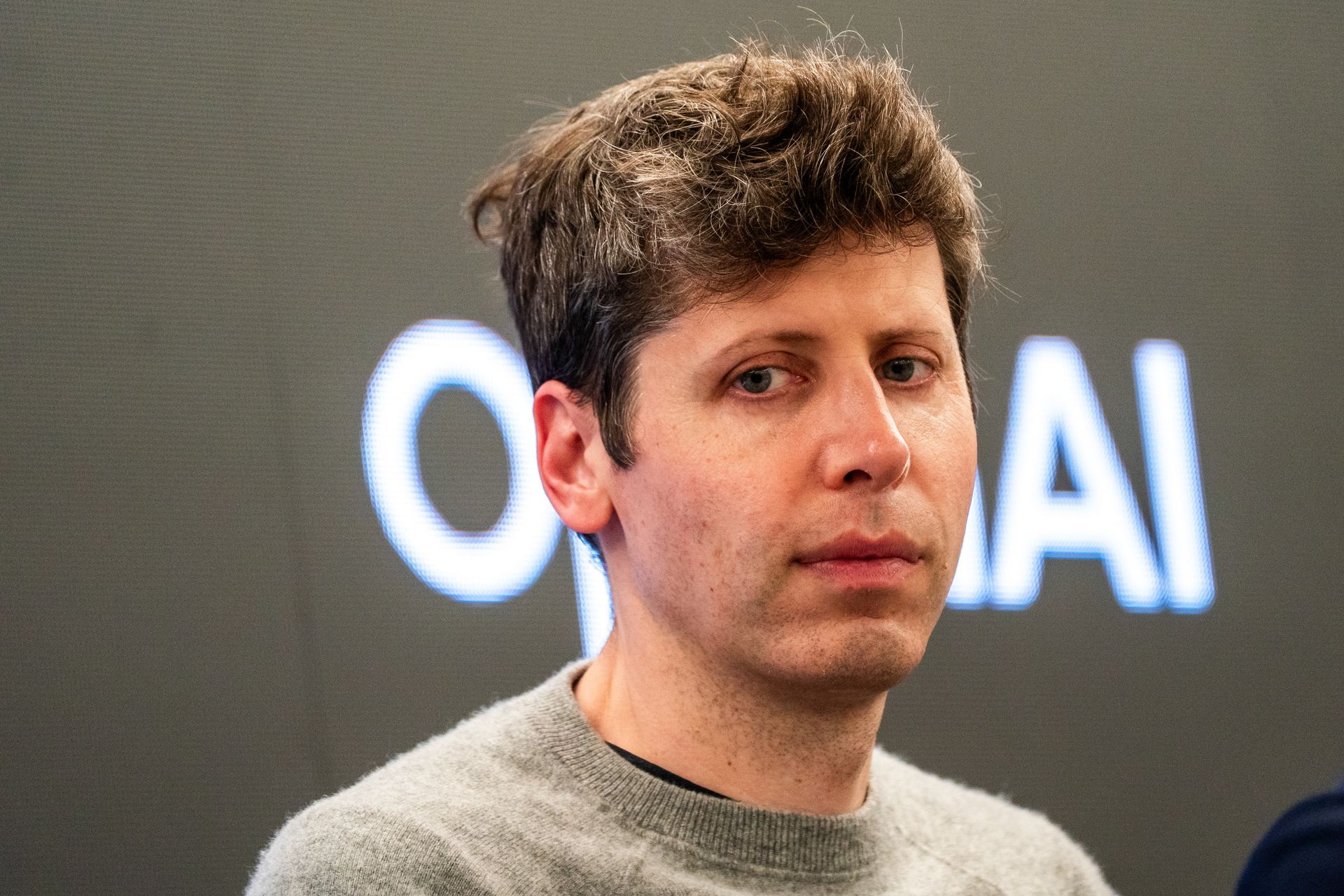
Kyle Grillot / Bloomberg via Getty Images
OpenAI chief executive Sam Altman says he understands concerns about the speed of the company’s expansion — but insists its building program is necessary to meet demand for artificial intelligence.
“People are worried. I totally get that. I think that’s a very natural thing,” Altman told CNBC. “We are growing faster than any business I’ve ever heard of before.”
The company has announced plans in recent days to build a network of massive data centers with Oracle $ORCL, Nvidia $NVDA and SoftBank. Together, the sites would require 17 gigawatts of electricity, enough power for more than 13 million U.S. homes.
But Altman said the breakneck expansion is designed to meet rising demand for OpenAI’s products, pointing to a tenfold increase in ChatGPT use in 18 months.
“This is what it takes to deliver AI,” he said. “Unlike previous technological revolutions or previous versions of the internet, there’s so much infrastructure that’s required, and this is a small sample of it.”
Each site is expected to cost around $50 billion, with overall spending projected at $850 billion. HSBC analysts on Monday estimated that global investment in AI infrastructure could reach $2 trillion.
The CEO’s comments come amid increasing concerns that the AI industry is a bubble. Yesterday, Bain & Co. warned that companies developing AI are committing vast sums to new data centers but are not on course to generate the income to pay for them.
In its annual Global Technology Report, Bain said AI firms will need roughly $2 trillion in yearly revenue by 2030 to cover the computing power needed to meet demand, but will miss that by $800 billion as services such as ChatGPT bring in less money than the infrastructure costs required to support them.
OpenAI is losing billions of dollars a year as it focuses on expansion, though the company has said it expects to turn cash-flow positive by 2029.
Altman admitted that electricity is the biggest challenge facing the industry, but added that cycles of overbuilding and retrenchment are part of every major technological shift.
“People will get burned on overinvesting and people also get burned on underinvesting and not having enough capacity,” Altman said Tuesday. “Smart people will get overexcited, and people will lose a lot of money. People will make a lot of money. But I am confident that long term, the value of this technology is going to be gigantic to society.”
Join 500,000+ readers who start their day with Quartz.
By subscribing, you agree to our Terms of Service and Privacy Policy.