The Senate Banking Committee is scheduled to vote this week on the Clarity Act, legislation that would establish a regulatory framework for the cryptocurrency industry.

The Clarity Act would define regulators' jurisdiction over digital assets and resolve a dispute between crypto companies and banks over stablecoins
Tom Williams / Getty Images
The Senate Banking Committee is scheduled to vote this week on the Clarity Act, legislation that would establish a regulatory framework for the cryptocurrency industry.
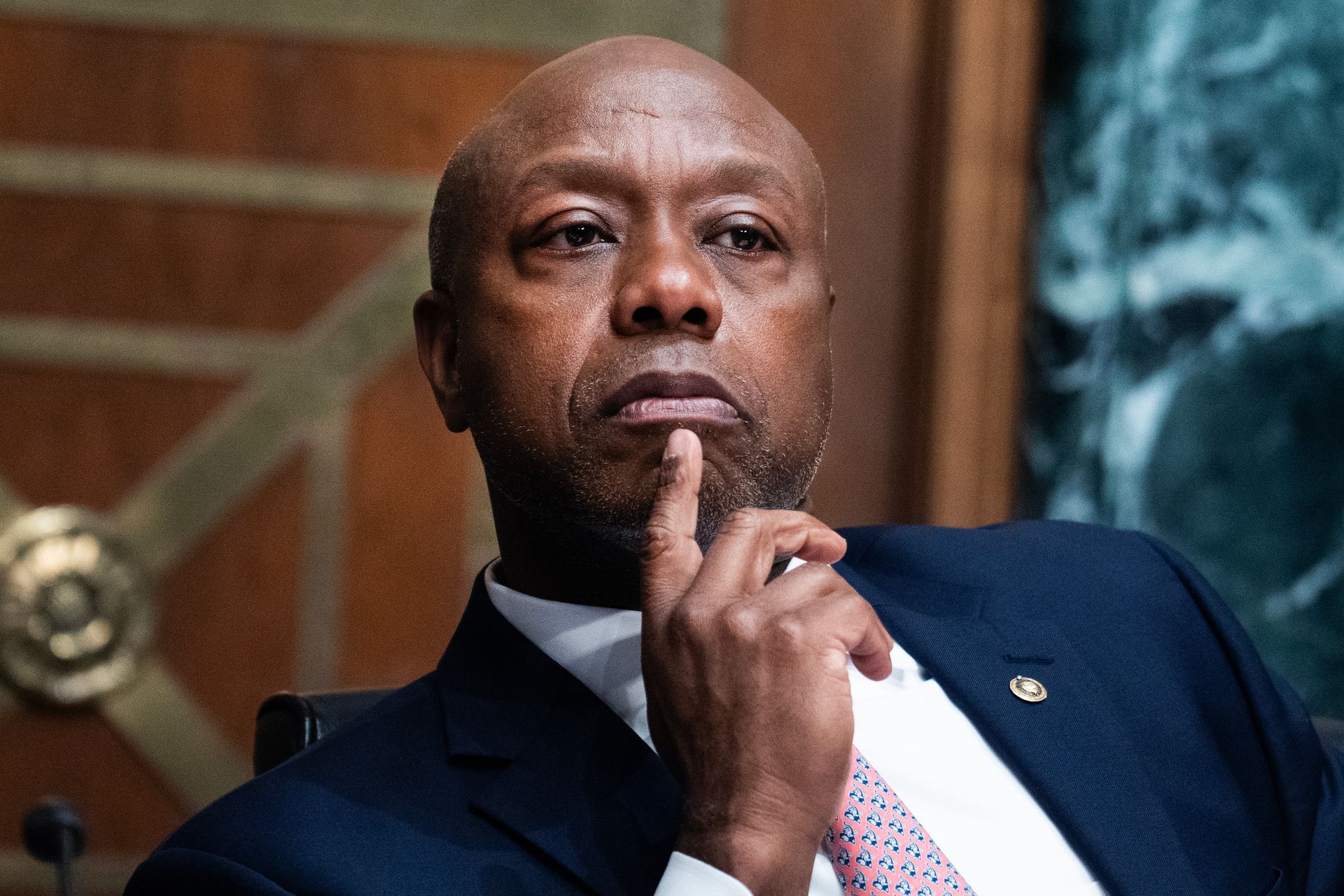
Senate Banking Committee Chairman Tim Scott announced the panel would hold an executive session Thursday, according to Reuters. Among its provisions, the bill addresses a core question the crypto sector has long sought to resolve: how digital tokens are categorized — as securities, commodities, or something else entirely — for regulatory purposes.
A central dispute in the legislation involves stablecoins — digital tokens pegged to the U.S. dollar — and whether crypto companies can offer rewards on them in ways that compete with bank deposits. A deal crafted by Senators Thom Tillis, a Republican, and Angela Alsobrooks, a Democrat, draws a line between two types of stablecoin rewards: those paid simply for holding a stablecoin would be banned due to their resemblance to bank deposit interest, but rewards earned through actions like making a payment would remain allowed, according to CNBC.
Groups representing the banking industry remain opposed, contending that the provision is too permissive toward crypto firms and risks pulling money out of the deposit base that underpins the insured banking system. Tillis, in an X $TWTR post, conceded that banks are unhappy but offered no further ground, quoting himself as saying "we respectfully agree to disagree." An earlier attempt to move the bill forward collapsed in January when objections from both the banking sector and crypto firms derailed the scheduled vote.
It is not clear whether any Democrats will vote for the bill in committee. Outstanding disagreements include provisions that would limit how political officials can profit from digital assets. Clearing the full Senate would require the bill to win over a minimum of seven Democrats, according to Reuters.
Industry participants and several senators have suggested the bill could be amended to attract Democratic support between the committee vote and a potential floor vote. Lawmakers in the House approved their version of the legislation back in July of last year. For the bill to reach President Donald Trump, the Senate must act before 2026 ends. Crypto advocates are eager for that to happen ahead of the November midterm elections, where a Democratic takeover of the House could put the legislation's future in jeopardy.
Join 500,000+ readers who start their day with Quartz.
By subscribing, you agree to our Terms of Service and Privacy Policy.