The Senate Commerce Committee will take up legislation next week that would permanently bar Chinese vehicles and their connected components from the American market.

The Connected Vehicle Security Act, introduced by Sens. Bernie Moreno and Elissa Slotkin, would prohibit the import, sale, and operation of Chinese-made vehicles in the U.S.
Justin Sullivan / Getty Images
The Senate Commerce Committee will take up legislation next week that would permanently bar Chinese vehicles and their connected components from the American market.
The committee, chaired by Texas Republican Sen. Ted Cruz, will consider the Connected Vehicle Security Act of 2026 during a full committee executive session set for next Wednesday. The bill was introduced by Ohio Republican Sen. Bernie Moreno Michigan Democratic Sen. Elissa Slotkin.
The legislation would prohibit the importation, manufacture, sale, and resale of connected vehicles, software, and hardware linked to China or other foreign adversaries. It would also empower the Commerce Department to identify and block high-risk vehicle technologies. Vehicle and software restrictions would take effect in 2027, with hardware restrictions following in 2030, according to Senator Moreno's office.
The measure would give permanent legal standing to rules finalized under President Joe Biden in early 2025, which blocked Chinese automakers from the U.S. passenger vehicle market by citing risks to national security posed by data-collecting vehicle technology. The legislation is designed to make any future policy reversal politically and legally difficult. A companion bill has been introduced in the House.
"Chinese cars are a serious threat to America's national security and Michigan's economic security," Slotkin said in a statement. "Chinese cars are surveillance packages on wheels, with the ability to collect on American citizens and sensitive sites."
The bill has drawn support from General Motors $GM, the UAW, and the CAR Coalition, among others. UAW President Shawn Fain said in a statement that the legislation "puts common sense guardrails on a major threat to our nation's auto industry."
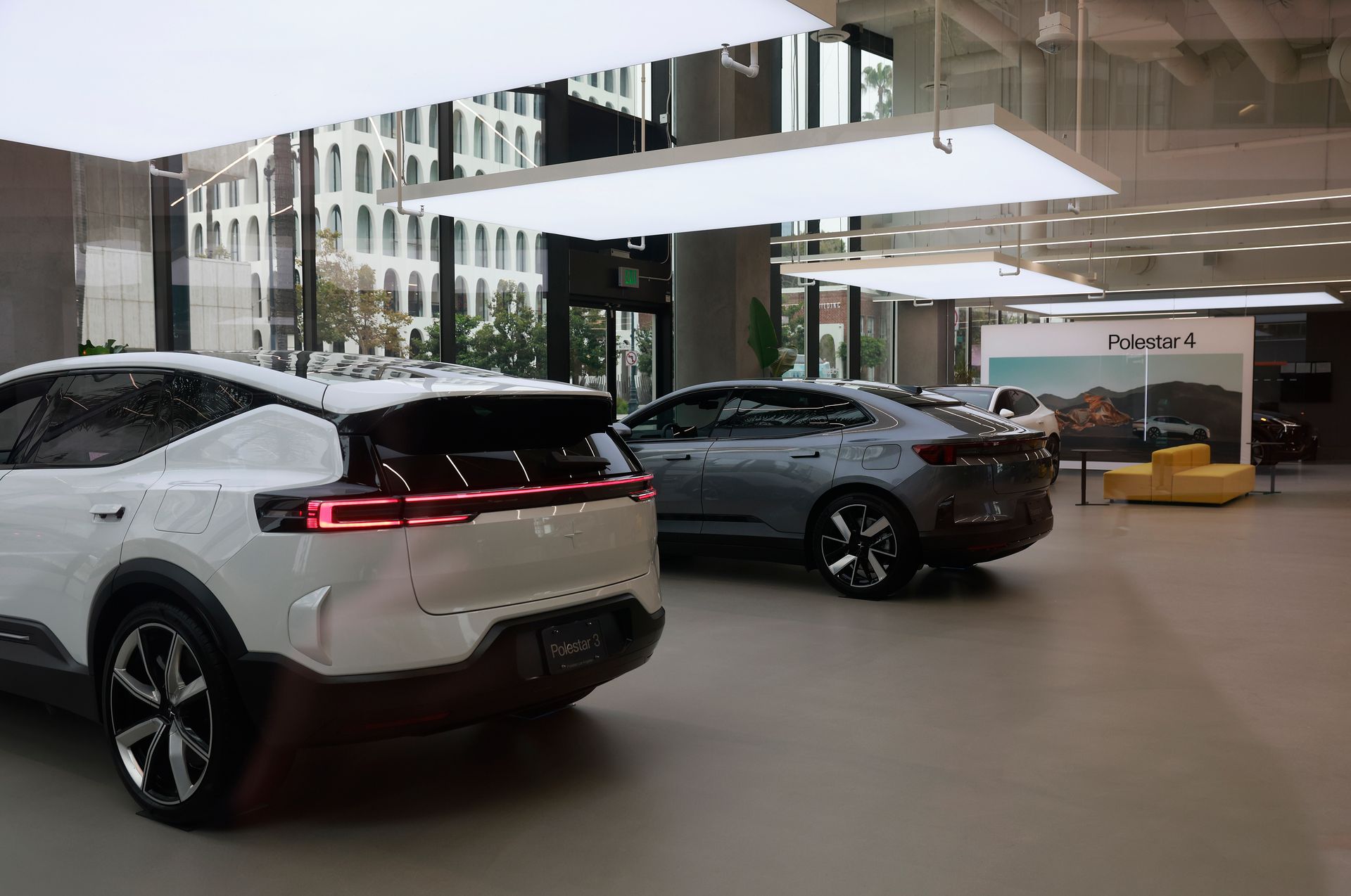
The vote comes as the U.S. government has moved to restrict Chinese-affiliated automakers from the American market. Polestar, owned by Chinese automaker Geely, was forced to stop selling vehicles in the U.S. after the Commerce Department declined to grant the company authorization under the existing Connected Vehicle Rule.
The Senate bill also includes a provision targeting foreign ownership stakes in automakers. A related measure could affect Mercedes-Benz due to Chinese government and investor ownership stakes totaling roughly 20% of the company, and that the Connected Vehicle Security Act's 15% ownership threshold could also sweep in other automakers with Chinese investors.
Despite facing substantial U.S. tariff barriers, Chinese automakers have made notable inroads in European and Mexican markets. In Mexico, 34 Chinese auto brands hold roughly 15% of the market.
Join 500,000+ readers who start their day with Quartz.
By subscribing, you agree to our Terms of Service and Privacy Policy.