
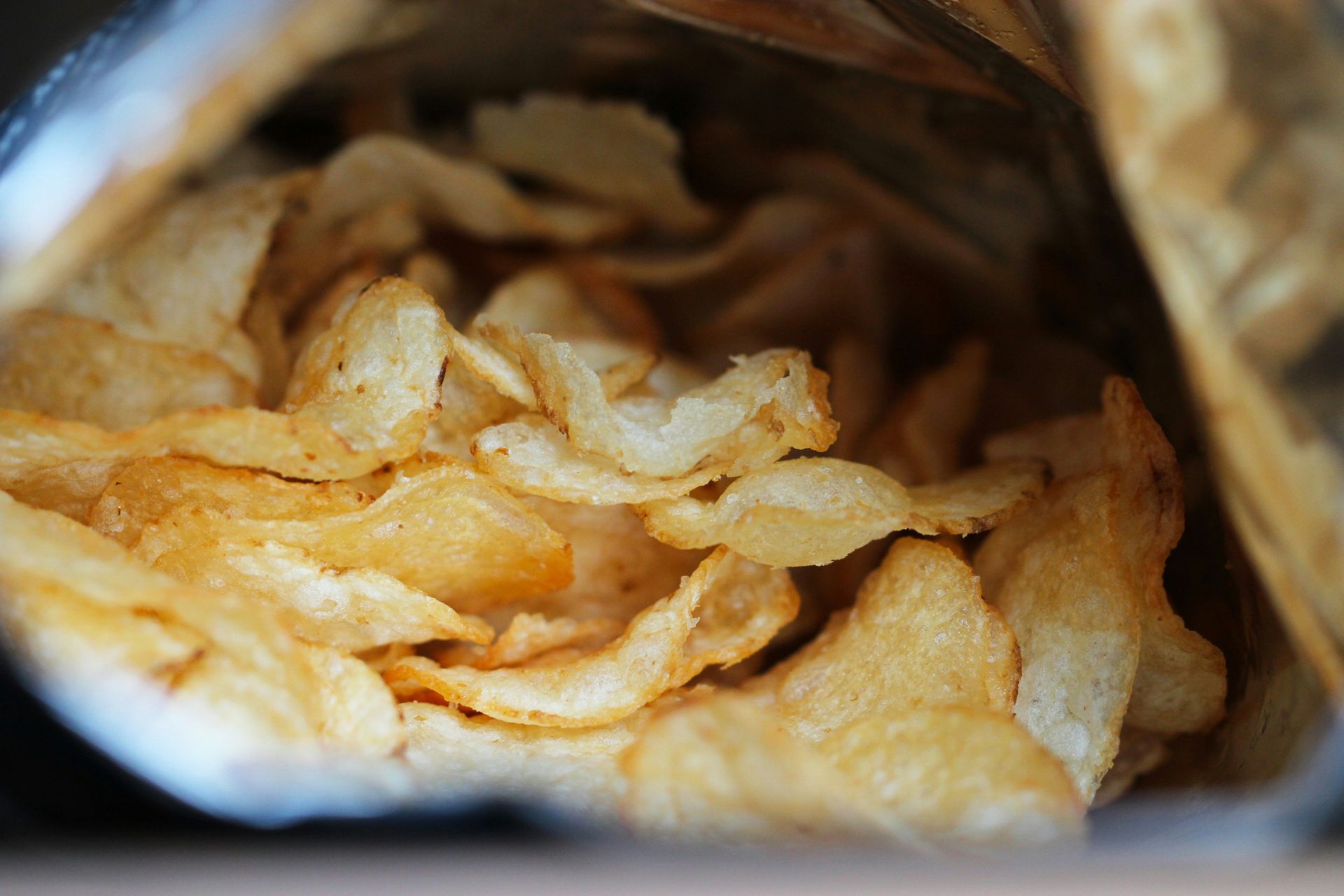
Shrinkflation may sound like something out of a science fiction script, but it's a real (and sneaky) pricing strategy used by companies worldwide. At its core, shrinkflation happens when manufacturers reduce a product's size, weight, or quality while keeping it at the same price. The packaging might look identical, but what's inside could be subtly, and deliberately, less.

Unlike direct price increases, this tactic is designed to fly under the radar. It's a way to protect profit margins without triggering sticker shock. For budget-conscious shoppers, that missing ounce of cereal or fewer chips in the bag might go unnoticed, at least at first.
While not new, this strategy has seen a resurgence as brands face rising production costs and economic pressure.
Why do companies use shrinkflation?
Shrinkflation is often a response to inflation and increased production costs. Instead of raising prices outright, companies sometimes shrink their product sizes, so consumers pay the same amount but receive less. It is a discreet tactic that lets the company manage those rising expenses without obvious price hikes.
However, it’s not always about rising costs either. Some experts and consumer advocates, as noted by sources like CNN, point to corporate profit strategies (or greed) as a driver of inflation. Companies use shrinkflation to maintain or increase their margins, sometimes at the expense of consumers.
Shrinkflation in action
You open a Reese's Peanut Butter Cups package and hesitate. Did it always feel this light? You might think it's just your imagination, but the classic two-pack has quietly slimmed down over the years. Hershey reduced the size of each cup by about 0.05 ounces in 2009, and there have been subtle tweaks since then to meet calorie goals while keeping prices steady.
This strategy is effective because consumer behavior tends to focus more on price tags than net weights. Manufacturers know most shoppers scan prices, not portion sizes.
Some of the most common reasons companies resort to shrinkflation include:
- Preserving or increasing profit margins in the face of higher costs for raw materials, labor, packaging, and transportation
- Maintaining pricing perception by keeping product prices stable and competitive on the shelf
- Reducing the risk of consumer backlash compared to a visible price increase
- Simplifying logistics with changes that don't require shelf repricing or renegotiation with retailers
- Encouraging faster product turnover, especially when consumers don't realize they're buying less
In times of economic uncertainty, shrinkflation becomes a common cost-cutting tool.
Real-world examples of shrinkflation
Some of the most recognizable brands in the world have adjusted their products quietly through shrinkflation. These changes often come disguised in new packaging or updated designs, but the effects are clear when you look closely.
A few notable examples include:
- Doritos: Frito-Lay reduced the weight of a standard bag from 9.75 ounces to 9.25 ounces in 2022, citing rising production costs. The price remained unchanged. That's about five fewer chips per bag.
- Gatorade: The sports drink underwent a packaging redesign, shrinking its bottles from 32 ounces to 28 ounces. The new bottle looked sleeker, but the cost stayed the same.
- Charmin: Procter & Gamble $PG cut the number of sheets per toilet paper roll. Some rolls dropped from 264 to 244 sheets while marketing the same Mega Roll sizing.
- KitKat: Nestlé has repeatedly adjusted the weight and dimensions of its iconic chocolate bar in various markets, subtly altering portions while keeping prices stable.

How to spot shrinkflation
While companies might prefer that consumers stay unaware, there are ways to detect shrinkflation and protect your wallet. The key is to go beyond the price tag and look at the details. With a little consumer know-how, you'll never need to wonder whether your imagination is playing tricks on you.
Some effective ways to spot shrinkflation include:
- Reading net weights and serving sizes on product labels, especially for frequently purchased goods
- Tracking price per unit or ounce, which provides a more accurate measure of value than total price
- Comparing packaging over time — a new look might mean a smaller quantity
- Watching for fewer items in multipacks, even if the outer packaging looks unchanged
- Using price-tracking apps or loyalty programs to monitor changes over time. For example, the Consumer Federation of America (CFA) advocates for consumer interests in food pricing. It supports greater transparency and digital tools to aid budgeting.
Some retailers, especially in Europe, now include price-per-unit breakdowns on shelf tags. This allows savvy shoppers to compare brands more effectively and avoid paying more for less.
For example, two boxes of cereal might both cost $4.49, but one lists a unit price of 18 cents per ounce, while the other is 22 cents per ounce. That small difference adds up over time, and the lower unit price signals better value for the same shelf price.
The impact of shrinkflation
While shrinkflation can help companies ride waves of economic volatility, it can have long-term consequences for consumers and their trust in brands.
Some key impacts include:
- Financial stress: When the contents of a product decrease but the price doesn't, households effectively pay more without realizing it. Over time, this contributes to budget strain, especially for families on fixed incomes.
- Erosion of trust: Consumers may feel misled when they notice their usual snack seems smaller or less satisfying. Repeated experiences of this nature can damage brand loyalty.
- Distorted inflation data: Traditional inflation metrics focus on price changes, not product sizes. This means shrinkflation can lead to an underestimation of the true cost-of-living increases consumers are experiencing.
Shrinkflation can also subtly change buying habits. Shoppers may begin switching to generic brands or bulk purchases to find better value, which could reshape retail landscapes over time.
Legal and ethical implications of shrinkflation
Despite growing frustration among consumers, shrinkflation is legal in most countries, as long as product packaging and labels accurately reflect the quantity being sold.
This means if a cereal box contains 13.5 ounces instead of 14, and it's clearly stated on the label, the manufacturer is within its legal rights, even if the box looks nearly identical to its predecessor.
There's also the matter of ethics. Many critics argue that the practice undermines transparency and preys on consumer inattention. Although the tactic might comply with labeling regulations, it can still feel deceptive.
Efforts to increase transparency are emerging. France's decision to mandate shrinkflation labeling could signal a broader trend toward regulation. Consumer advocacy groups, such as the Center for Science in the Public Interest (CSPI), the Consumer Federation of America, and Healthy Food America, are also calling for clearer front-of-package disclosures to help consumers make informed choices.
In the meantime, education remains the most powerful tool consumers have.
