One of Tesla $TSLA’s biggest regulatory advantages is vanishing — and so is some of Wall Street’s confidence.

William Blair cut Tesla’s rating, citing lost EV tax credits, shrinking regulatory revenue, and investor fatigue with Elon Musk’s political detours
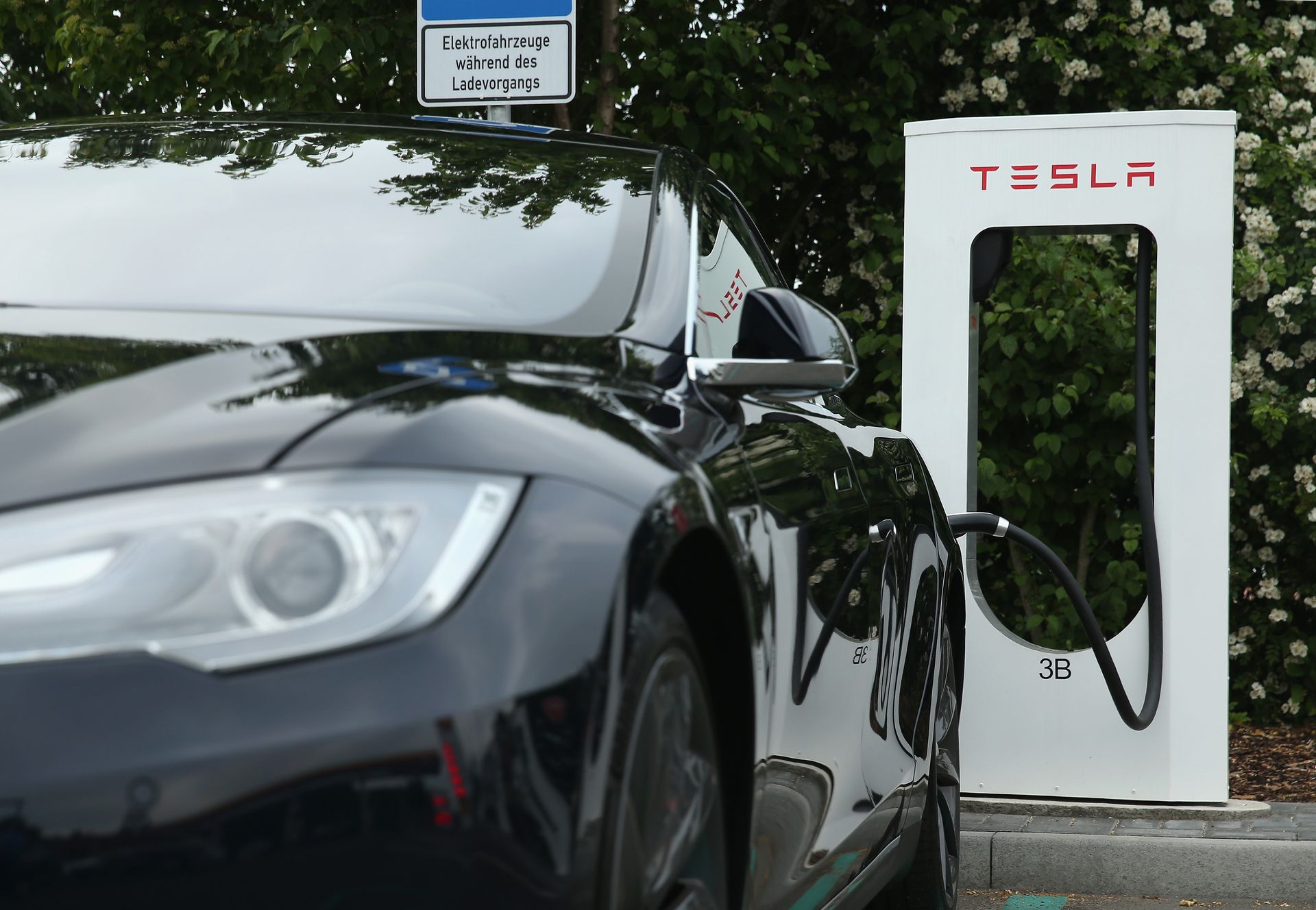
Sean Gallup/Getty Images
One of Tesla $TSLA’s biggest regulatory advantages is vanishing — and so is some of Wall Street’s confidence.
William Blair downgraded Tesla to “Market Perform” on Monday, citing a combination of policy headwinds, declining regulatory credit revenue, and growing investor fatigue with CEO Elon Musk’s political distractions. The catalyst: President Donald Trump’s “Big Beautiful Bill,” passed mostly along party lines, which eliminates the $7,500 EV tax credit and guts enforcement of fuel economy standards that once made Tesla’s regulatory credits so valuable.
“While the $7,500 tax credit is likely to affect demand, the combination of a demand headwind and over $2 billion in profit from regulatory credits at risk may be too much for investors to bear,” wrote analyst Jed Dorsheimer. Tesla earned $2.8 billion from credit sales in 2024, which accounted for 16% of gross profit. William Blair estimates that roughly 75% of that revenue is tied to fuel economy rules — rules that now lack teeth, thanks to the tax bill’s elimination of fines and Congress’ earlier move to block California from enforcing stricter standards.
Tesla shares are down roughly 23% year-to-date and fell nearly 7% after the long holiday weekend, reflecting renewed investor anxiety around both policy headwinds and Musk’s political detours. It’s been a volatile stretch for the stock, which has whipsawed on everything from demand concerns to robotaxi hype. While shares briefly rallied 5% following last week’s second-quarter delivery report — helped by the fact that results, though down almost 14% year over year, came in above some lowered forecasts — the stock is currently trading around $293, far below the $400 level it hit in 2022.
The bigger concern for Tesla isn’t any one quarter. While short-term relief rallies are still in play, longer-term performance hinges on whether Musk can keep his attention trained on Tesla’s core business. That means finally delivering on promises around full self-driving, expanding margins through AI-driven products, and getting Tesla’s next-gen platform off the ground — without getting pulled further into feuds, drama, or personal brand-building. Tesla’s stock cratered 6%, for example, after Trump said he’d look into deporting Musk amid his continued criticism of the president’s big policy bill.
William Blair’s downgrade identified Musk’s recently announced creation of the “America Party” as a red flag for investors. “We expect that investors are growing tired of the distraction at a point when the business needs Musk’s attention the most,” the report said, suggesting political grandstanding is colliding with execution risk, particularly on robotaxis.
The financial institution noted that Tesla’s valuation remains steep, trading at 76 times William Blair’s lowered 2026 EBITDA estimate — well above tech peers in the range of 20–25 times. That multiple, Dorsheimer warned, is likely to be “put under pressure” and is unlikely to hold if profits reset and momentum fades.
Recently, JPMorgan $JPM analysts slightly raised their delivery and earnings estimates after Tesla’s second-quarter numbers came in above their lowered forecast, but the analysts maintained an “Underweight” rating and reiterated that sales remain in a “troubling trend.” Tesla delivered 384,000 vehicles in the second quarter — down 25% from where consensus stood at the start of 2025.
William Blair isn’t writing off Tesla’s long-term future but says investor confidence now hinges on execution — especially on robotaxis — and a break from the political noise. “We would prefer this effort to be channeled towards the robotaxi rollout at this critical juncture,” Dorsheimer wrote.
With policy advantages fading, Wall Street wants Musk’s hands back on the wheel — and fast.
Join 500,000+ readers who start their day with Quartz.
By subscribing, you agree to our Terms of Service and Privacy Policy.