
Until recently, the idea of humanoid robots that we can talk to and interact with naturally and fluidly has seemed like a distant dream.
Robots from Boston Dynamics, Agility Robotics, and more are poised to change the way we live and work
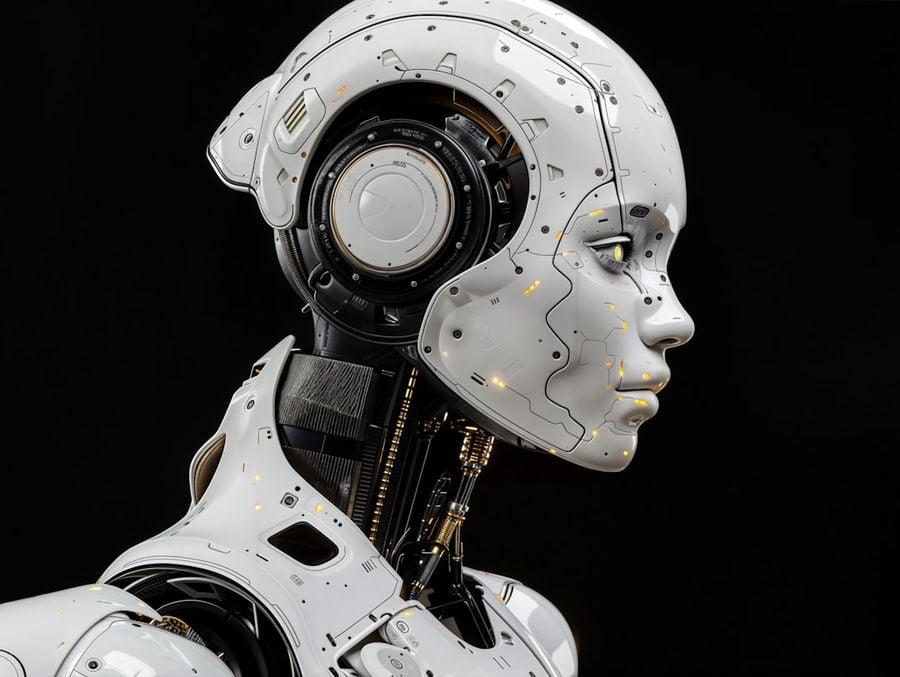
Gabriele Malaspina via Unsplash
Until recently, the idea of humanoid robots that we can talk to and interact with naturally and fluidly has seemed like a distant dream.
Musk's promise of Tesla $TSLA Optimus robots working in factories and helping out in our homes is a bold one. However, the project has been plagued with delays, like many other Musk-led efforts. Other labs are also developing robots around similar premises, but it's only recently, with advances like Nvidia $NVDA's Jetson Thor supercomputer, that the sci-fi-like tech has appeared to take big steps forward.
Several companies are working on overcoming the obstacles and challenges inherent in building useful humanoid robots. Here are some of the most notable pioneers in the space — and how their research is progressing.
Atlas is a humanoid robot developed by Boston Dynamics. Initially commissioned by DARPA as a search and rescue robot, the project has evolved since 2013, and the new fully-electric version of Atlas can fill various practical roles.
Digit claims to be the world's first commercially deployed humanoid robot. It's designed to carry out repetitive tasks, such as loading and unloading, palletizing products, and tote recycling.
Apollo is a general-purpose humanoid robot with a friendly appearance. Apptronik has tested using Google $GOOGL's DeepMind technology to power Apollo, enabling it to fulfill a variety of use cases.
Phoenix is a multipurpose robot developed by Sanctuary AI. The company is one of many focusing on using AI to help robots carry out more human-like tasks.
Ameca is a humanoid robot developed in the United Kingdom, designed not for heavy industrial use but for human interaction. Unlike traditional humanoid robots built to handle manufacturing tasks, Ameca’s purpose is to mimic human expressions and engage in real-time conversation.
Walker S2 is an industrial robot produced by UBTech. It features advanced bipedal locomotion, enabling it to adapt to changing terrain without stumbling or falling. It can also find its charging station and replace its own batteries, allowing for continuous operation.
Neo Gamma is a humanoid robot aimed at home users. It features a soft, fabric body and quiet servos and actuators, making it ideal for small home use environments. The product is currently in development at 1X Technologies and is a refinement of previous industrial models such as Eve and Neo Beta, which are already commercially available.
Join 500,000+ readers who start their day with Quartz.
By subscribing, you agree to our Terms of Service and Privacy Policy.