
Quartz
Subscribe
Quartz
Subscribe
Edition
Business News
A.I.
Technology
Money & Markets
Leadership
Lifestyle
Latest

Get Quartz in your inbox

Free daily briefing on global business news.

Business News
AirlinesAutomobilesFoodPharmaceuticalsPolitics & GovernmentRetail & EcommerceSpace & AerospaceEarnings
Technology
A.I.ComputingConsumer TechSpace & AerospaceEarnings
Money & Markets
Economic IndicatorsMarketsPersonal FinanceEarnings
Lifestyle
Cars & BikesCollectingEntertainmentFood & Fine DiningHealth and FitnessReal EstateTravel
Quartz

Global business news for a smarter world

Topics

  • Business News
  • Money & Markets
  • Tech & Innovation
  • Generation A.I.
  • Lifestyle
  • Leadership

Products

  • Daily Brief
  • Weekly Digest
  • Member Benefits
  • Quartz Pro

Legal

  • Sitemap
  • About
  • Accessibility
  • Privacy
  • Terms of Service
  • Advertising

© 2026 Quartz Media, Inc. All rights reserved.

Politics & Government

A judge indefinitely blocks Trump's 'anti-weaponization' fund — and wants it in writing

U.S. District Judge Leonie Brinkema gave the acting attorney general and Treasury secretary one week to submit written declarations that the fund is dead

By Cris Tolomia·3 min read·Updated July 3, 2026
Add QZ to Google
A judge indefinitely blocks Trump's 'anti-weaponization' fund — and wants it in writing

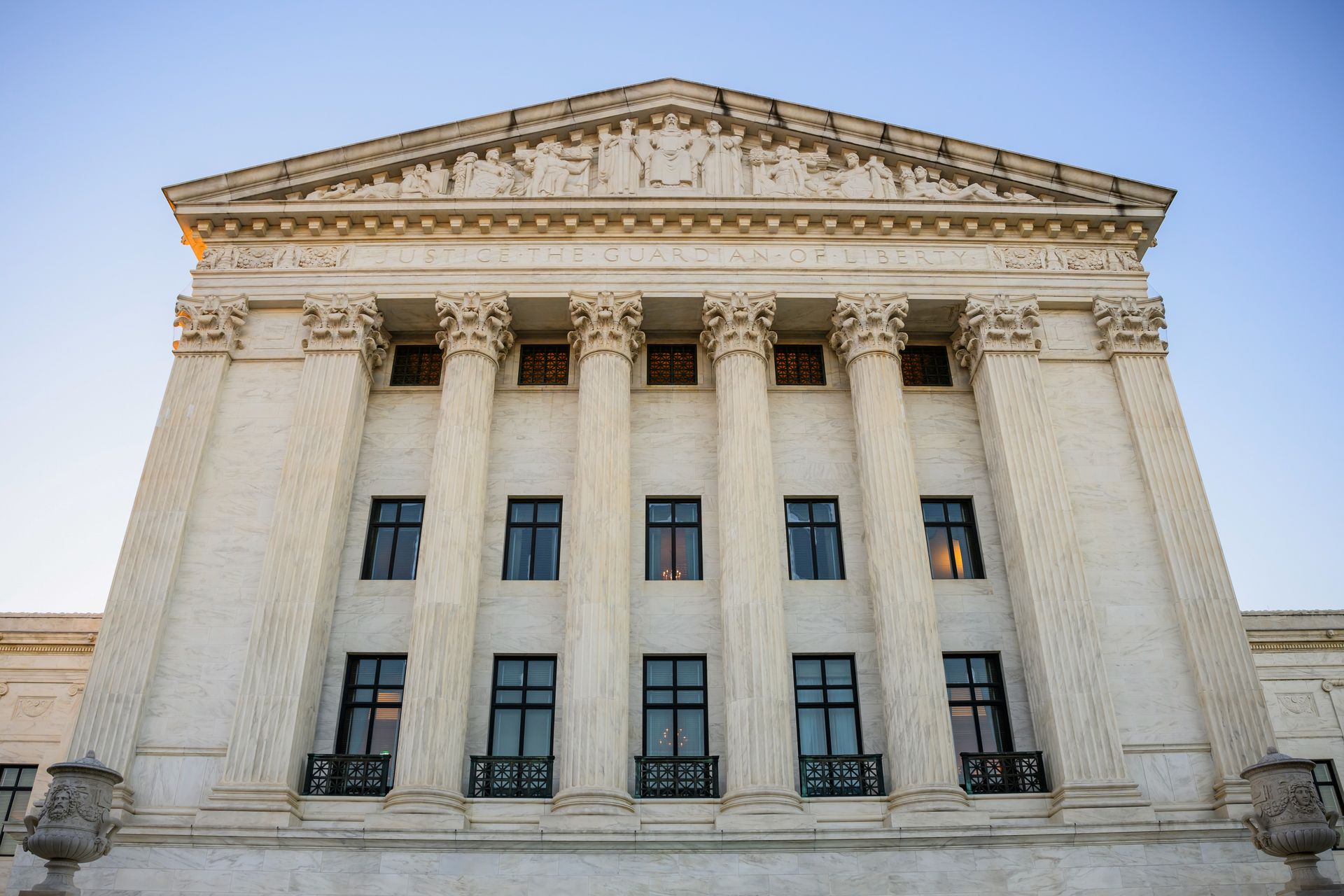
The US Supreme Court in Washington, DC, US, on Tuesday, Nov. 4, 2025.(Pete Kiehart/Bloomberg via Getty Images)


U.S. District Judge Leonie Brinkema issued a preliminary injunction Friday blocking the Trump administration's $1.8 billion "Anti-Weaponization Fund," ruling that verbal assurances the program was being abandoned were not sufficient to halt her review of its legality, according to Reuters.

Written sworn declarations from both Deputy Attorney General Todd Blanche and Treasury Secretary Scott Bessent — due within seven days — were ordered by Brinkema as a condition for her to reconsider the injunction, with the judge making clear that verbal assurances from administration officials fell short of what the court required. The judge's earlier temporary block on the fund was set to expire Friday. At the same hearing, Brinkema raised the possibility of withdrawing the injunction should the administration produce such a declaration, and put to the plaintiffs whether they would be willing to dismiss their claims altogether.

Trump's own words gave Brinkema reason for skepticism: the president had publicly voiced enthusiasm for the fund after Blanche's congressional testimony, and the judge said those statements cast doubt on whether the administration had truly walked away from the idea, according to CNBC. "I don't have in this record the type of uncontested evidence that this will not be repeated," Brinkema said during the Friday hearing.

During a June 2 House hearing, Blanche said the fund would not proceed — but when Democratic lawmakers pressed him to formalize that promise on paper, he repeatedly declined to do so. The judge said his verbal testimony to Congress was not an adequate guarantee.

The case was brought by a group of plaintiffs including Andrew Floyd, a former federal prosecutor whose work included cases stemming from the Jan. 6, 2021 Capitol riot; Jonathan Caravello, a professor at California State University Channel Islands; and the city of New Haven, Connecticut. The plaintiffs argue they were victims of political targeting by the Trump administration and would be ineligible for compensation from the fund.

Pooja Boistute, senior counsel at Democracy Forward, which represents the plaintiffs, said after the hearing that she did not expect Blanche and Bessent to submit the written declarations. "I think it will tell a lot to the court that they have represented that they're terminating the fund, and there's no evidence to support that," she said.

The Justice Department said it was expected to drop the fund after a wave of opposition from Senate Republicans threatened to derail broader legislative priorities, and multiple federal lawsuits sought to shut it down. Announced by the DOJ on May 18, the fund emerged from a legal settlement resolving Trump's $10 billion lawsuit against the Internal Revenue Service over the unauthorized disclosure of his tax records; the dollar amount chosen — $1.776 billion — deliberately echoed the year American independence was declared, and the money was earmarked to pay individuals who alleged the government had prosecuted them for political reasons.

Brinkema was openly critical of the fund's design, saying it was "problematic" for public money to be directed toward "an extremely small group" whose conduct a large share of Americans regarded as "unacceptable."

Daily Brief

The essential business news, delivered fresh every morning.

Join 500,000+ readers who start their day with Quartz.

By subscribing, you agree to our Terms of Service and Privacy Policy.

Related

A.I.What happens when 12,000 tech employees become millionaires overnight
AutosTesla revenue climbed 26% but profit fell short of Wall Street expectations
Business NewsAlphabet posted 24% revenue growth as Google Cloud surged 82% in the second quarter
A.I.San Francisco's housing market is overheating. Tech buyers will make the situation worse
A.I.History suggests San Francisco homeowners will win big from the AI gold rush