
The Trump administration moved to reclassify medical marijuana under federal law, shifting FDA-approved cannabis products and state-licensed medical marijuana from Schedule I to Schedule III of the Controlled Substances Act.
The DOJ order immediately shifts FDA-approved and state-licensed cannabis products to Schedule III, lowering barriers to research and easing tax burdens on cannabis companies
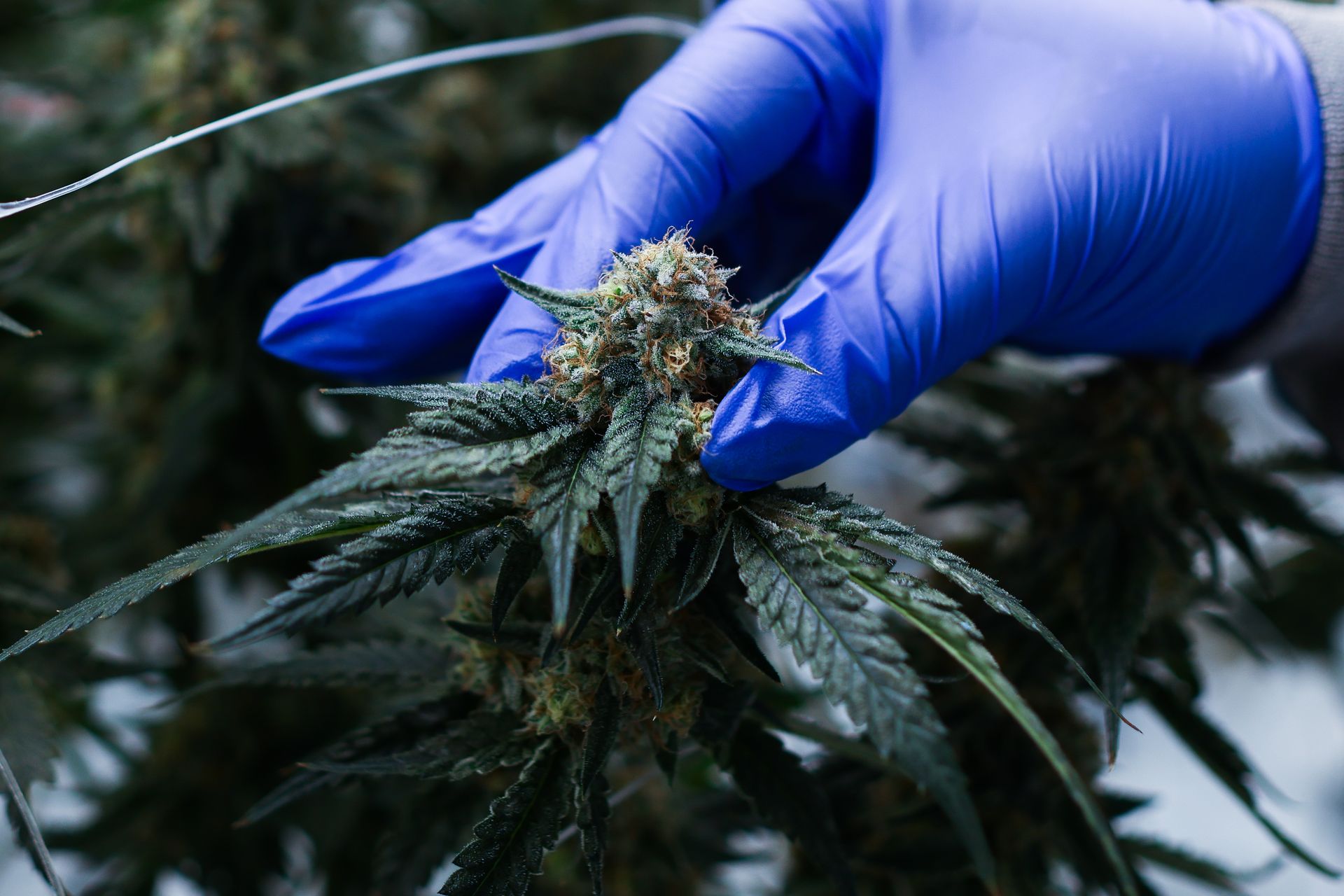
Bloomberg / Getty Images
The Trump administration moved to reclassify medical marijuana under federal law, shifting FDA-approved cannabis products and state-licensed medical marijuana from Schedule I to Schedule III of the Controlled Substances Act.
Acting Attorney General Todd Blanche announced the order, which takes effect immediately. The Department of Justice also said it would initiate an expedited administrative hearing beginning June 29, 2026, to consider the broader reclassification of marijuana from Schedule I to Schedule III across the board. The announcement does not legalize marijuana at the federal level.
"This rescheduling action allows for research on the safety and efficacy of this substance, ultimately providing patients with better care and doctors with more reliable information," Blanche said in a statement.
Substances placed in Schedule I — a category that encompasses heroin and LSD — are deemed to have no legitimate medical use and pose a high abuse risk, while Schedule III drugs like Tylenol with codeine and testosterone are acknowledged to have therapeutic value and face lighter regulatory requirements, according to CNBC.
The reclassification carries significant financial consequences for the cannabis industry. A long-standing provision of federal tax law known as Section 280E bars companies that traffic in Schedule I and II controlled substances from writing off ordinary business costs. Cannabis companies that move to Schedule III would escape that penalty. Archos, Verano's chief executive, had previously told investors the rescheduling alone would spare his company roughly $80 million a year in 280E-related tax costs, according to Reuters. The change could also ease access to banking and institutional funding, which federal restrictions have historically limited for cannabis producers.
Following the announcement, shares of Cronos Group, Aurora Cannabis, Canopy Growth, and Tilray Brands each posted gains ranging from 6% to 13%.
The action follows a December 2025 executive order from President Donald Trump directing the Justice Department to loosen marijuana restrictions. The DOJ said it is withdrawing the prior administrative hearing notice issued under the Biden administration, which had published a notice of proposed rulemaking in May 2024 but did not finalize the measure before leaving office. The new hearing process will include firm deadlines and, the department said, allow for a more expeditious resolution.
The broader fragmentation of U.S. cannabis law has left the industry navigating a patchwork of state and federal rules. Despite the fact that roughly half of all states have enacted some form of marijuana legalization — whether for recreational or medical purposes — federal law had long placed cannabis in the same classification tier as significantly more dangerous drugs. Separately, the federal government recently rewrote the definition of hemp to tighten THC thresholds, a move the hemp industry estimates would render 95% of hemp extract products currently on the market illegal.
DEA Administrator Terry Cole said the agency would move forward with the administrative hearing process to bring "consistency and oversight to an area that has lacked both," according to the Justice Department.
Join 500,000+ readers who start their day with Quartz.
By subscribing, you agree to our Terms of Service and Privacy Policy.