
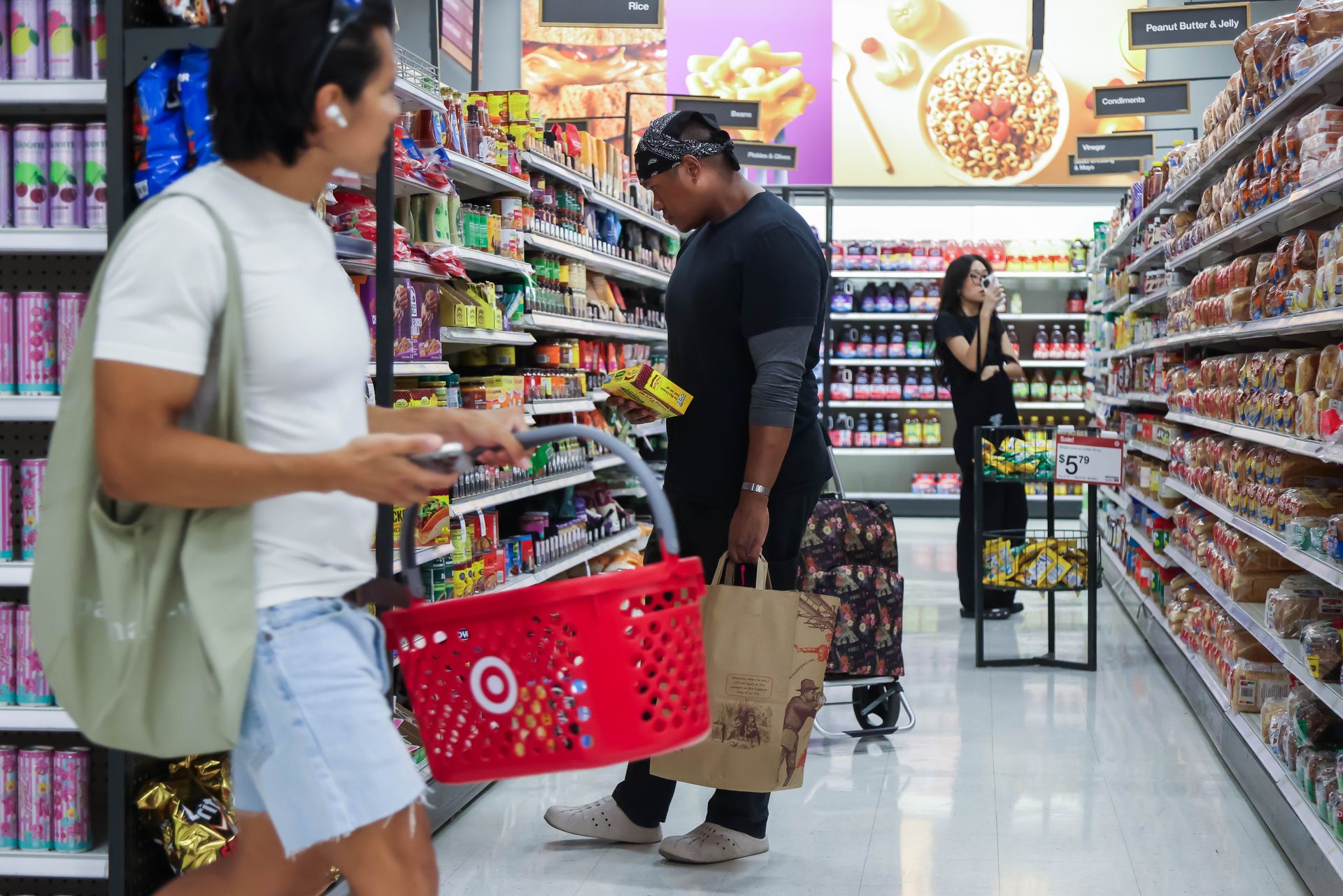
American grocery shoppers are buying fewer items, and the cushion that rising prices once provided to the food industry is shrinking, according to new analysis from Bain & Company using NielsenIQ grocery data shared with CNBC.
Grocery unit sales — a measure of individual items purchased — were down 1.8% in June relative to the same month last year. That marks a notable swing from June 2025, when the same metric was up 0.1% on a year-over-year basis. Prices continue climbing at roughly 2% to 3% a year, but that tailwind has lost its power to offset declining volumes and prop up total sales figures.
The Bain analysis points to several overlapping pressures on consumers. Food at the grocery store now costs consumers about a third more than it did in 2019, and gasoline expenses have climbed as well. Households at the lower end of the income scale have been squeezed further by cuts to SNAP benefit amounts and stricter rules governing who qualifies for the program, according to CNBC.
"That big grocery stock up trip that costs you $300 in 2019, now costing you $400," Kurt Grichel, head of Bain's Americas retail practice, said. "Even that upper-income consumer, you're talking a big enough absolute dollar change that people start to feel a little bit of that sticker shock and start to shop around."
A Bain U.S. Consumer Pulse Wave survey conducted in May found that 80% of Americans are still trying to spend less, while 28% are cutting back on groceries. Among that group, 56% said they are trading down to cheaper brands, 49% said they are buying fewer items, and 44% said they are relying more heavily on coupons and promotions.
The downstream consequences of these changes are being felt across the grocery sector. Retailers including Walmart $WMT and Kroger have emphasized price cuts and value-focused promotions to attract shoppers. Walmart announced summer price reductions on beef, ice cream, and other products.
Joe Feldman, an analyst at Telsey Advisory Group, said grocers have been pressing suppliers to lower prices where possible. "The entire industry is trying to get back to unit growth, not just dollar growth," Feldman said.
Grichel said the competitive edge will go to grocers that price sharply on high-visibility products. "Most things like ground beef, chicken, milk, eggs, and they're using a combination of promotions, loyalty programs, personalization, private label to stitch together an overall value proposition that customers can understand and trust," he said.