President Donald Trump demanded that Intel $INTC CEO Lip-Bu Tan resign over his purported connections to the Chinese government, describing him as someone who’s “conflicted” in his business dealings.

GOP Sen. Tom Cotton of Arkansas sent a letter to Intel’s board of directors describing Tan's connections to the Chinese government
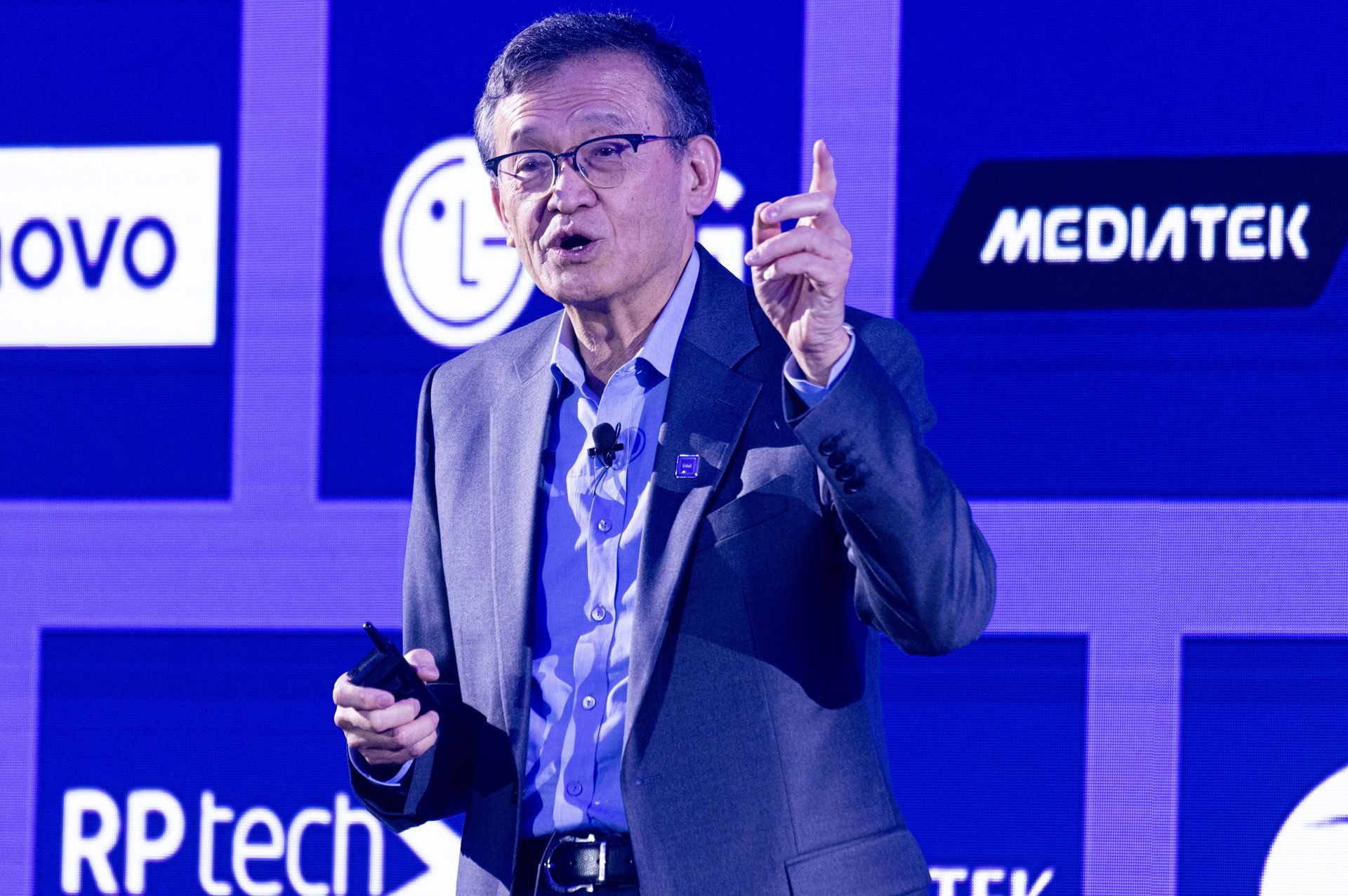
Lip-Bu Tan, chief executive officer of Intel Corporation, during a news conference in Taipei, Taiwan. (Annabelle Chih/Bloomberg via Getty Images)
President Donald Trump demanded that Intel $INTC CEO Lip-Bu Tan resign over his purported connections to the Chinese government, describing him as someone who’s “conflicted” in his business dealings.
“The CEO of INTEL is highly CONFLICTED and must resign, immediately. There is no other solution to this problem. Thank you for your attention to this problem!” Trump wrote in a social media post.
Intel shares fell about 4% in Thursday’s trading session. Intel did not immediately respond to a request for comment.
A White House official didn’t spell out their concerns with Tan but said the president is committed to ensuring U.S. interests are protected. “This includes ensuring that iconic American companies in cutting-edge sectors are led by men and women who Americans can trust,” the official said.
Trump’s comments are the latest example of his comfort with wielding his authority to achieve specific outcomes in the private sector. It comes a day after GOP Sen. Tom Cotton of Arkansas sent a letter to Intel’s board of directors describing his connections to the Chinese government and Chinese tech companies. Cotton, who chairs the Senate Intelligence Committee, claimed that Tan had investment stakes in semiconductor firms with connections to the Chinese military.
“U.S. companies who receive government grants should be responsible stewards of taxpayer dollars and adhere to strict security regulations,” Cotton wrote on X $TWTR, adding that Intel’s board “owes Congress an explanation.”
It’s not the first time Cotton has questioned a chief executive about his potential ties to China. He once attracted scrutiny for his hardline questioning of TikTok CEO Shou Zi Chew, a Singaporean national, on Chinese citizenship
Tan took over Intel in March, as the company was locked in negotiations with the Trump administration to shift its chip-making plants to a Taiwanese rival.
Intel received $8 billion in direct federal funding under the bipartisan Chips and Science Act, which former President Joe Biden signed into law in 2022. That government cash was meant to be directed to fortify Intel’s domestic computer chip manufacturing with new projects in Arizona, New Mexico, Oregon, and Ohio.
Trump on Wednesday announced a new 100% tariff on semiconductors, but it included an enormous caveat that could spare tech firms like Intel. U.S. companies that have planned a domestic spending spree in the U.S are likely to avoid the sizable import tax. Intel has stated it will pour $100 billion in new U.S. corporate spending over the next five years, a move it had announced before the 2024 election.
Join 500,000+ readers who start their day with Quartz.
By subscribing, you agree to our Terms of Service and Privacy Policy.