
Renewable energy stocks took a hit in early trading Monday after the Trump administration issued a stop work order on a wind project.
Orsted said it had finished 80% of its Revolution Wind Project before receiving a stop work order from the Bureau of Ocean Energy Management
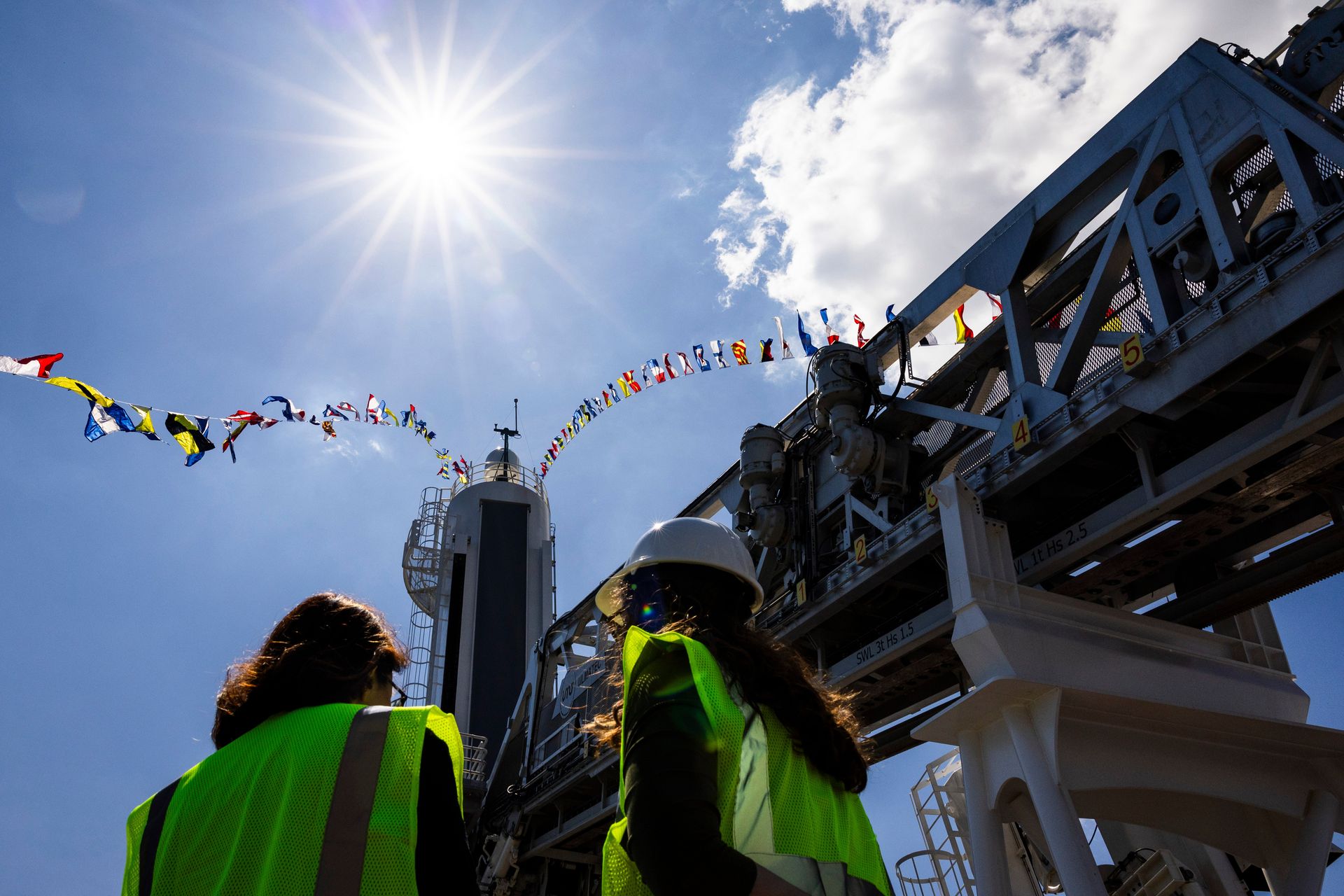
Adam Glanzman/Bloomberg via Getty Images
Renewable energy stocks took a hit in early trading Monday after the Trump administration issued a stop work order on a wind project.
The Bureau of Ocean Energy Management, part of the U.S. Department of the Interior, sent a letter on Friday to Revolution Wind LLC, a subsidiary of Danish renewable energy company Orsted, telling the company to “halt all ongoing activities” for its wind project on the outer continental shelf along U.S. coasts.
Orsted stock fell almost 17% as of Monday morning trading following the order, and other renewable energy stocks began struggling as well. First Solar NextEra $NEE Energy, Brookfield Renewable Partners LP, and Clearway Energy have all been in the red.
In a statement on Friday, Orsted said that it is complying with the stop work order, even though it was 80% done with the project’s installation, with 45 out of 65 wind turbines in place.
BOEM said it stopped Orsted’s Revolution Wind Project to “allow time for it to address concerns that have arisen during the review that the Department is undertaking pursuant to the President’s Memorandum of January 20, 2025.”
On Wednesday before the stop work order, President Trump had issued what appeared to be a blanket ban on federal approval of wind and solar energy projects on his social media platform, leading to a slump in renewable stocks afterwards. The president has a well-documented history of especially being against wind renewables.
“This is not the first time extreme partisan politics has derailed sound energy policy. The unfortunate message to investors is clear: the U.S. is no longer a reliable place for long-term energy investments,” Jason Grumet, American Clean Power Association CEO, said in a statement Friday.
Orsted said under 20-year power purchase agreements its project intends to bring 400 MW of electricity to Rhode Island and 304 MW to Connecticut, adding that this is “enough to power over 350,000 homes across both states to meet their growing energy demand.”
The bureau said more specifically it is looking to “address concerns” in relation to “national security interests” of the U.S. and “prevention of interference with reasonable uses of the exclusive economic zone, the high seas, and the territorial seas” in accordance with the Outer Continental Shelf Lands Act.
The letter said Orsted can’t resume working on the project until the bureau completes its review. Orsted said it is working on solutions as it aims to continue its project in the second half of 2026.
Join 500,000+ readers who start their day with Quartz.
By subscribing, you agree to our Terms of Service and Privacy Policy.