
Quartz
Subscribe
Quartz
Subscribe
Edition
Business News
A.I.
Technology
Money & Markets
Leadership
Lifestyle
Latest

Get Quartz in your inbox

Free daily briefing on global business news.

Business News
AirlinesAutomobilesFoodPharmaceuticalsPolitics & GovernmentRetail & EcommerceSpace & AerospaceEarnings
Technology
A.I.ComputingConsumer TechSpace & AerospaceEarnings
Money & Markets
Economic IndicatorsMarketsPersonal FinanceEarnings
Lifestyle
Cars & BikesCollectingEntertainmentFood & Fine DiningHealth and FitnessReal EstateTravel
Quartz

Global business news for a smarter world

Topics

  • Business News
  • Money & Markets
  • Tech & Innovation
  • Generation A.I.
  • Lifestyle
  • Leadership

Products

  • Daily Brief
  • Weekly Digest
  • Member Benefits
  • Quartz Pro

Legal

  • Sitemap
  • About
  • Accessibility
  • Privacy
  • Terms of Service
  • Advertising

© 2026 Quartz Media, Inc. All rights reserved.

Business News

How UnitedHealthcare and other insurers use AI to deny claims

UnitedHealthcare and Humana have been sued over their use of algorithms to determine coverage of care for some patients

By Bruce Gil·3 min read·Updated December 6, 2024
Add QZ to Google

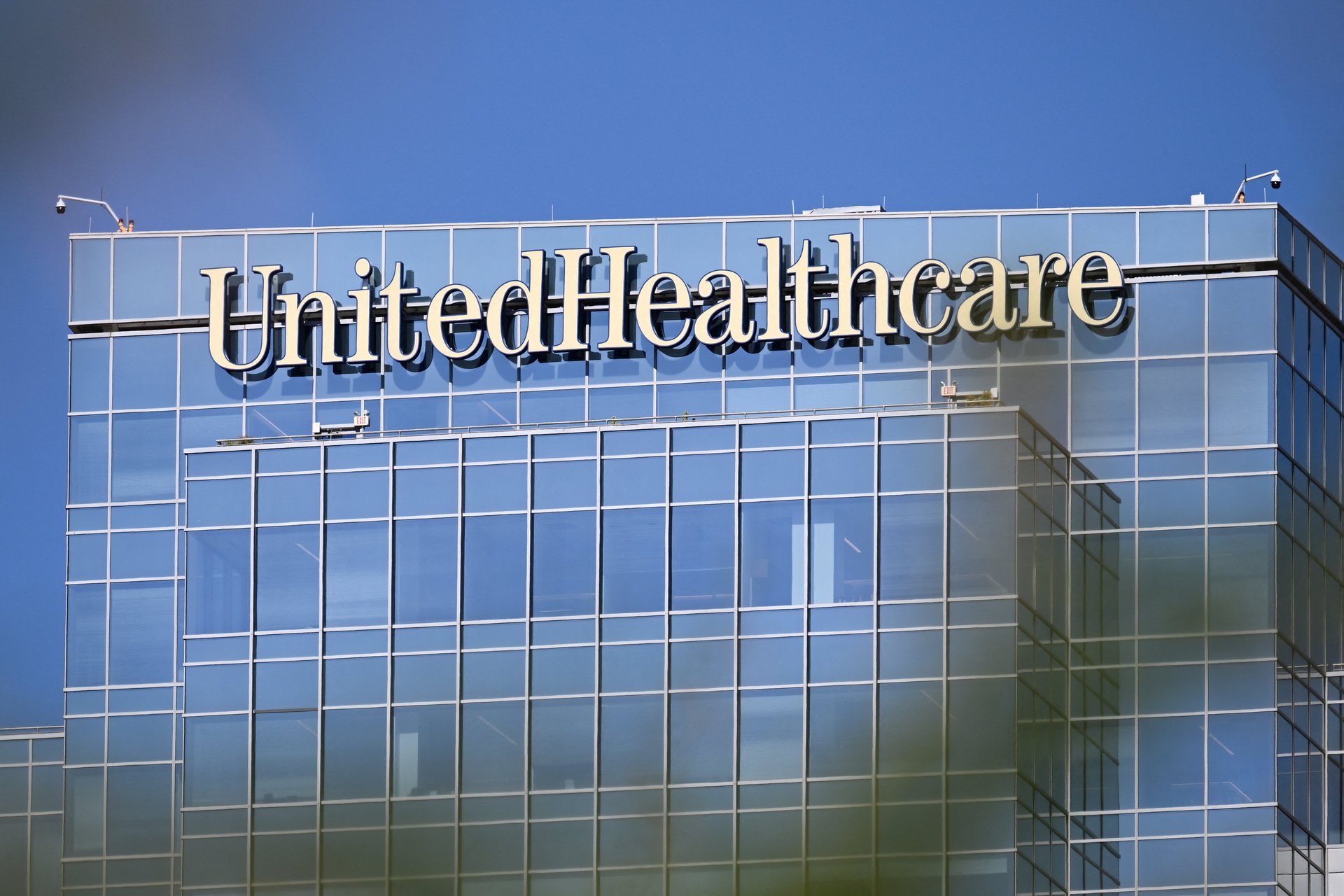
The fatal shooting of UnitedHealthcare (UNH) CEO Brian Thompson on Wednesday has sparked public scrutiny of health insurers, especially regarding their use of AI in evaluating claims. The incident also comes as several insurance providers have been facing litigation over their coverage practices and the potential impact they have on patient care.

Thompson was fatally shot in New York City on Wednesday morning, just hours before he was set to speak at the insurance firm’s annual investor day.

Multiple outlets reported on Thursday that shell casings from the shooting had the words “deny,” “defend,” and “depose” written on them. The words appear to reference terms industry critics use to describe how insurers deny claims.

At the same time, posts on social media have been claiming that UnitedHealthcare’s claim-denial rate is the highest in the industry; however, since insurers try to keep these numbers hidden, the true extent of its denials remains uncertain, especially when it comes to private plans.

Still, some recent reports show that denials for some patients have been on the rise.

In October, a report from the U.S. Senate Permanent Subcommittee on Investigations showed that the nation’s insurers have been using AI-powered tools to deny some claims from Medicare Advantage plan subscribers.

The report found that UnitedHealthcare’s denial rate for post-acute care — health care needed to transition people out of hospitals and back into their homes — for people with Medicare Advantage plans rose to 22.7% in 2022, from 10.9% in 2020.

The rise coincides with UnitedHealthcare’s implementation of an AI model called nH Predict, originally developed by naviHealth, a subsidiary of UnitedHealth $UNH Group that has since been rebranded.

Algorithms like nH Predict can analyze millions of data points to generate predictions and recommendations by comparing patients to others with apparently similar characteristics, according to an article on JAMA Network. However, the article cautions that claims of enhanced accuracy through advanced computational methods are often exaggerated.

Both UnitedHealth and Humana $HUM are currently facing lawsuits over their use of nH Predict. The suits allege that insurers pressured case managers to follow the algorithm’s length-of-stay recommendations, even when clinicians and families objected.

One lawsuit filed last year against UnitedHealth claims that 90% of the algorithm’s recommendations are reversed on appeal.

The lawsuit states that UnitedHealthcare wrongfully denied elderly patients care by “overriding their treating physicians’ determinations as to medically necessary care based on an AI model that Defendants know has a 90% error rate.”

In court filings, lawyers for UnitedHealth argued that the lawsuit should be dropped because plaintiffs failed to complete Medicare’s appeals process and that their grievances are with the federal government and not UnitedHealth, STAT News reported in May.

UnitedHealthcare and Humana (HUM) did not immediately respond to requests for comment from Quartz.

Cigna $CI (CI) is also facing legal action over its use of a separate algorithm to reject insurance claims. A 2023 lawsuit alleges that the company uses its PxDx system to analyze and deny claims in bulk before forwarding them to physician reviewers for final approval. Cigna relies heavily on the automated system, allowing claims to be denied without any review of individual patient files, according to the complaint. It cites a ProPublica investigation revealing that a single Cigna medical director rejected 60,000 claims in just one month.

Cigna also did not did immediately respond to a request for comment from Quartz.

Daily Brief

The essential business news, delivered fresh every morning.

Join 500,000+ readers who start their day with Quartz.

By subscribing, you agree to our Terms of Service and Privacy Policy.

Related

A.I.Google is launching three new AI models, including a security tool to rival Anthropic
Business NewsOpenAI and Anthropic are breaking their own lobbying records as IPOs loom
MarketsSpaceX stock pops after setting first earnings date — and triggering a massive insider share unlock
Business NewsTrump's trade chief is warning new tariffs are coming as temporary 10% global duties expire
Economic IndicatorsInstitutional investors are doubling their home listings after new housing ban