U.S. retail sales rose 1.7% in March from February — the largest monthly gain in three years — but most of the increase came from a spike in gas prices driven by the Iran war, according to the Census Bureau.

Stripping out gasoline stations, which posted a 15.5% monthly jump, overall retail sales rose just 0.6%
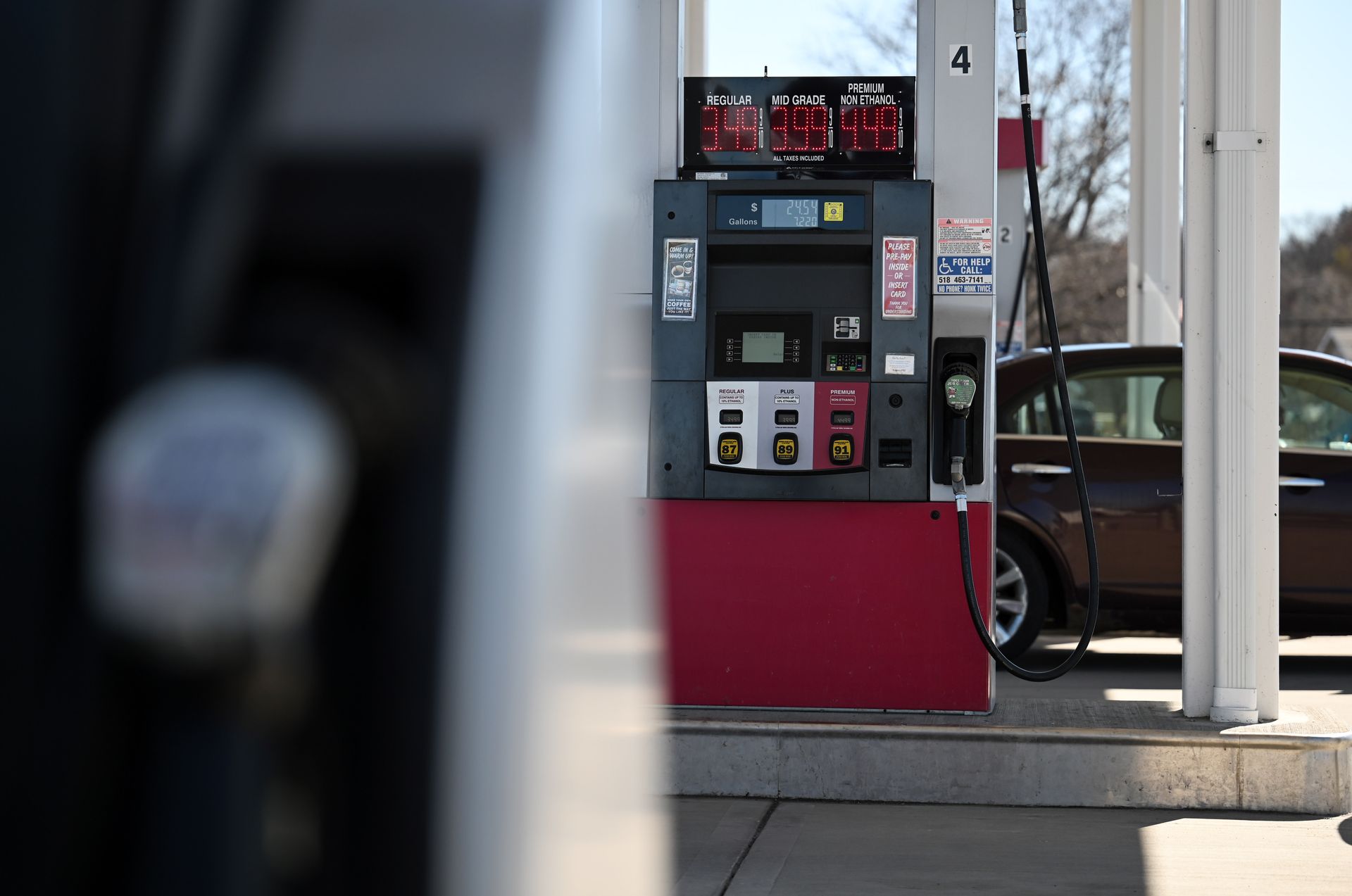
Albany Times Union / Hearst Newspapers / Getty Images
U.S. retail sales rose 1.7% in March from February — the largest monthly gain in three years — but most of the increase came from a spike in gas prices driven by the Iran war, according to the Census Bureau.
Total retail and food services sales reached $752.1 billion in March, up 4.0% from the same month a year ago. Sales at gasoline stations surged 15.5% compared to the previous month. Once those gas station figures are set aside, the broader retail gain shrinks to just 0.6%.
According to PBS, March's data represents the earliest look at how consumer spending has been shaped by the Iran war, which started on Feb. 28 and whose disruption of Strait of Hormuz traffic has squeezed global crude supplies. AAA data showed the national average for a gallon of regular gasoline hitting $4.02 on Tuesday, a threshold that marks the first time pump prices have exceeded $4 since 2022.
In a written report, Heather Long, chief economist at Navy Federal Credit Union, described the numbers in stark terms: "It's a blowout retail sales figure for March. Stripping out the big surge in spending on gas due to the Middle East conflict, it's a solid but more modest 0.6% increase."
Outside of gas stations, department stores recorded a 4.2% monthly increase, while furniture and home furnishings retailers gained 2.2%. Consumer electronics and appliance stores were up 0.9%, and clothing and accessories stores finished flat. Among nonstore retailers — which encompasses e-commerce — sales climbed 1.0% from February and were 10.1% higher than a year earlier. Restaurants, the report's sole services category, eked out a 0.1% gain.
Long pointed to tariff-driven price inflation as a likely factor behind the outsized electronics and appliance figures, and suggested that the muted restaurant result could be an early warning sign that consumers are tightening their budgets in response to surging fuel bills. Long added: "Overall, the American consumer is still healthy. Extra income from tax refunds is helping many households weather this oil shock, but that extra money won't last forever."
Gas prices are expected to remain elevated even after a temporary ceasefire was reached in the Iran war. Most shipping firms continue to view routing oil tankers through the Strait of Hormuz as too risky, keeping crude supplies tight. The U.S. Energy Information Administration projected gas prices could peak near $4.30 per gallon before easing, and estimated the national average will hover around $3.70 for the full year — well above pre-war levels.
The surge in energy costs has also fed broader inflation. March's year-over-year inflation rate reached 3.3%, according to the AP, a sharp acceleration from February's 2.4% reading and the steepest annual gain recorded since May 2024.
The Census Bureau's next retail sales report, covering April, is scheduled for release May 14.
Join 500,000+ readers who start their day with Quartz.
By subscribing, you agree to our Terms of Service and Privacy Policy.