
There comes a time… when songs that have been a part of the Generation X $TWTR soundtrack reach middle age. And that time has come for "We Are the World."
The '80s pop-rock anthem set sales records and helped usher in the age of music industry philanthropy
Courtesy: USA for Africa
There comes a time… when songs that have been a part of the Generation X $TWTR soundtrack reach middle age. And that time has come for "We Are the World."
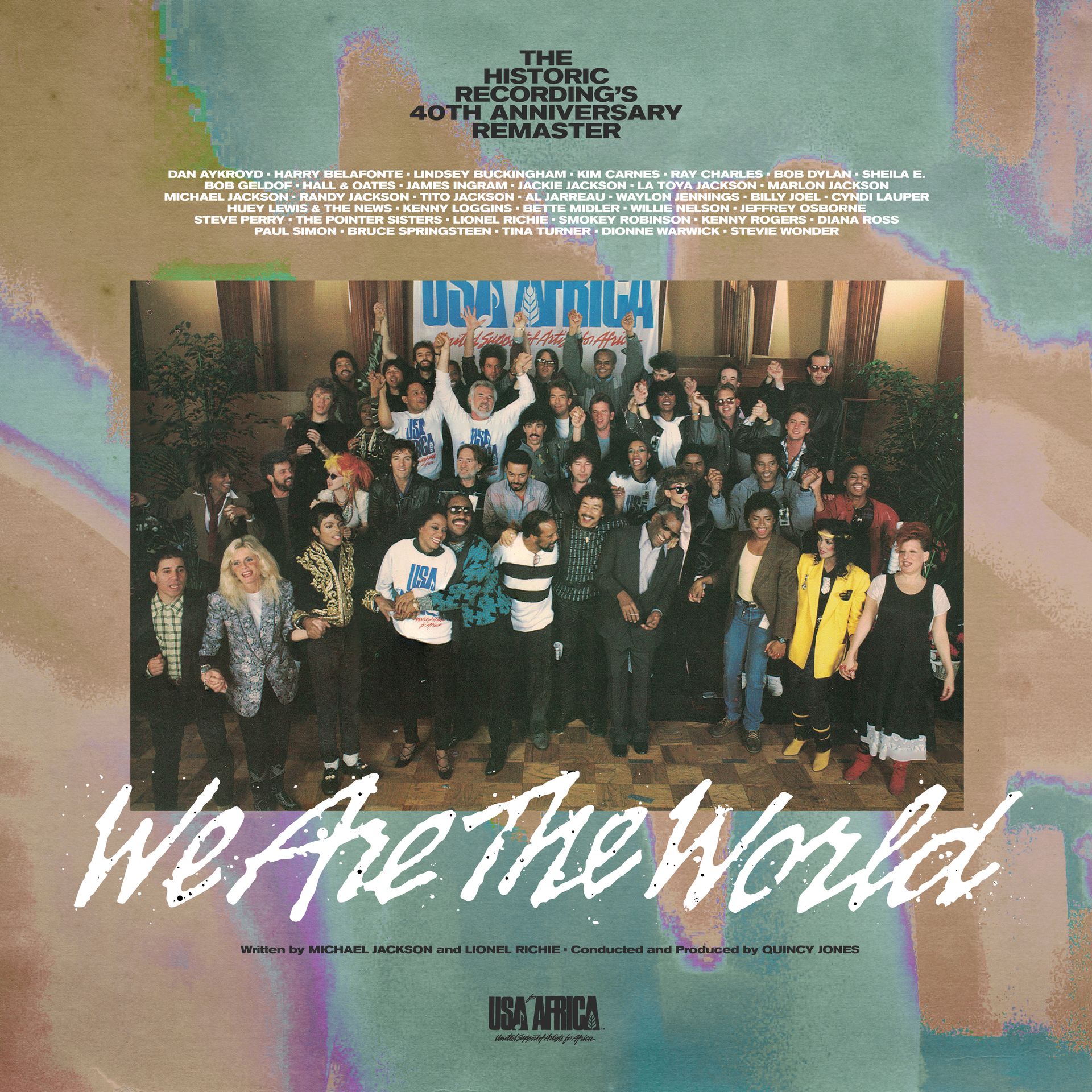
The anthem that brought together a who's who of music stars turned 40 years old on Nov. 21 — and to celebrate the occasion, USA for Africa, the nonprofit that controls income from the song, has released a remastered version, making it available for the first time in Spatial Audio and high-resolution audio formats.
While Band-Aid/Bob Geldof's "Do They Know It's Christmas" (which is about to dominate airwaves for the next month) preceded "We Are the World" by three months, it was the latter song that became a true cultural zeitgeist.
Written by Lionel Richie and Michael Jackson and produced by Quincy Jones, the song raised over $100 million for humanitarian aid, spotlighting starvation in Ethiopia in particular. To date, over 500 African organizations across 21 African countries have received grants from USA for Africa, supporting programs in health, agriculture, environmental sustainability, refugee recovery, institutional development, and support for women and children.
And while the song featured some names that seem curious today (Dan Aykroyd springs to mind), it's still one of the biggest collections of musical talent to have ever been assembled. A Netflix $NFLX film, documenting the making of the song, shows how chaotic and time-pressed a period it was when recording.
Egos and tensions occasionally ran high that evening as well. When Stevie Wonder suggested singing a line in Swahili, Waylon Jennings walked out of the recording session, saying "No good ol' boy sings in Swahili" (and arguing that the language wasn't spoken in Ethiopia). And Al Jarreau kept forgetting the lyrics after having a bit too much to drink.
Despite those speed bumps, the song was finished and quickly became hit #1, staying atop the charts for four weeks – and remaining as an earworm for four decades.
Join 500,000+ readers who start their day with Quartz.
By subscribing, you agree to our Terms of Service and Privacy Policy.