How to manage performance and build trust as a remote manager
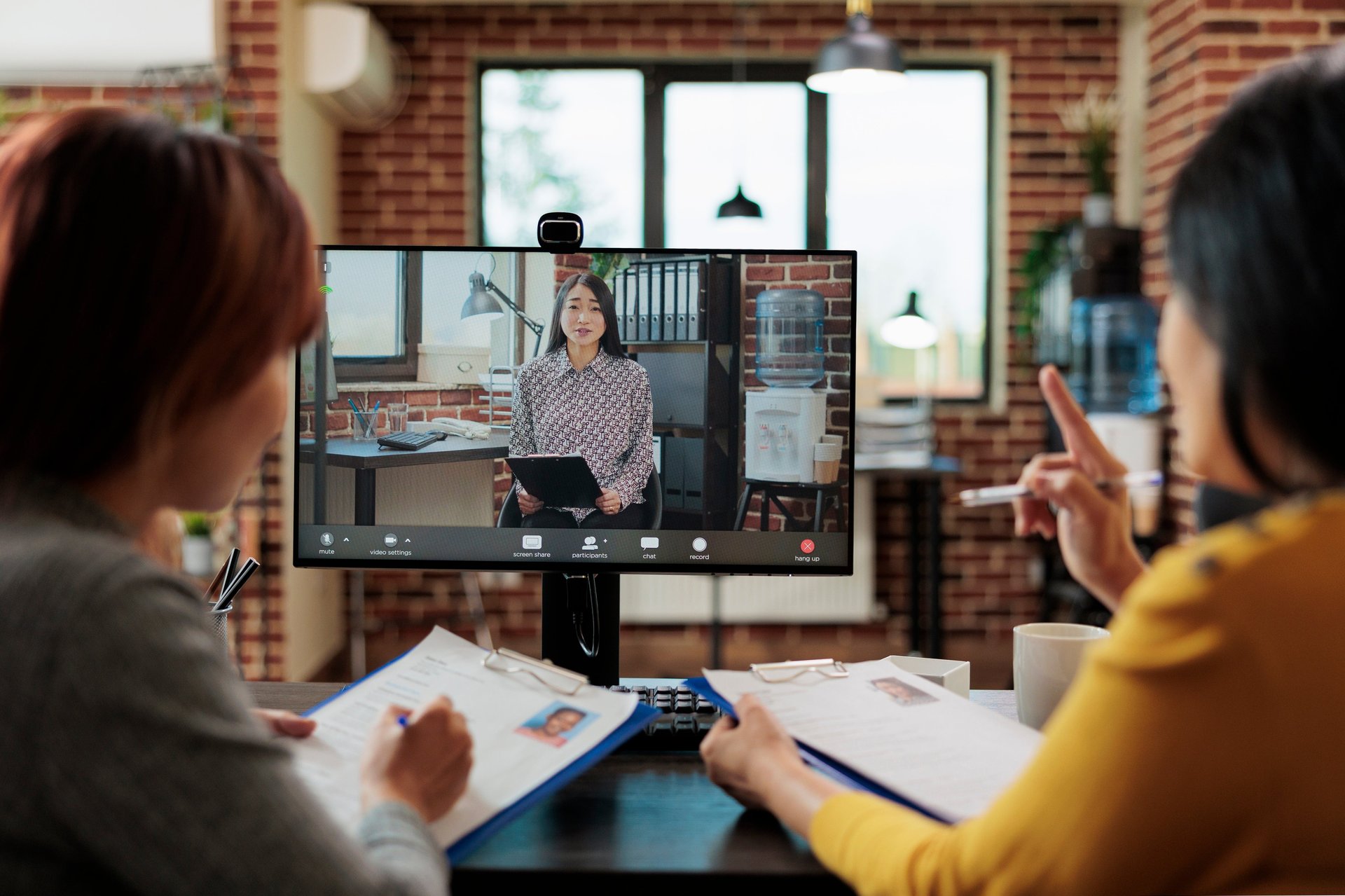
Remote work has brought out the worst in managers—especially the bad ones.
When we were in the office pre-pandemic, managers relied on visual cues to assess productivity: showing up on time, hours spent at the desk, and the appearance of being on task. Without those aids, sub-par managers have struggled to judge performance and even, at times, confirm if employees are working at all. Even some of the most experienced, high-profile executives have fallen prey to falsely correlating remote and hybrid work with a lack of productivity.
Join 500,000+ readers who start their day with Quartz.
By subscribing, you agree to our Terms of Service and Privacy Policy.
This intense need to see work happening has morphed into booming sales for productivity trackers, keyboard monitors, remote surveillance, and other big brother-like methods to watch and obsess over employees’ actions. But, unfortunately, this behavior only damages the relationship between management and employees—something that, in many organizations, was already tenuous at best.
Extreme methods to monitor work create a lack of trust and increase turnover. Good managers don’t need to spy on employees or be able to see them to trust that they’re working effectively because good managers can manage everywhere. If remote work strains management to the point of an unnecessary return-to-office, it says more about the leaders’ performance than the employees.
Managers can make productivity problems worse without efficient and effective communication. Too often, managers fail to establish clear and consistent communication daily, leaving them in the dark about how their reports are faring. In addition, organizations that have struggled to adjust to remote work often spend large swaths of time in unnecessary meetings that prevent real work from being done.
These problems are compounded by a lack of personal connection between managers and their direct reports. Without that component, employees build resentment, and managers become paranoid. Suspicion and irritation hurt both the company and the employees. To turn it around, leaders need to reframe their mindset.
Until proven otherwise, assume that your employees have good intentions and want to further the organization with work they’re proud of.
Before a problem occurs, employees should understand what underperformance looks like in their role. This gives them a chance to course-correct or ask for help early on.
As a manager, you must check for performance problems and find solutions collaboratively. There are other causes for performance issues: insufficient resources, too much workload, or unrealistic expectations. Those are leadership’s problems to fix, not the employees.
If an employee consistently misses expectations after several notices and conversations, implement a performance improvement plan (PIP). PIPs have a terrible reputation for being the first step to firing someone, but when used correctly, they can provide employees with the support and resources to bring them back up to par. Treat each employee with the genuine intention to keep them on; it’s more productive for growth and cheaper for the company to retain than recruit. If, after extensive interventions, the employee fails to improve, it’s time to consider that this role isn’t the best fit for your company or them.
And watch out for our attachment to hours. Whether they worked 30 hours or 40, their results are what matters. Long hours don’t necessarily signal good performance. An abundance of overtime can be a red flag that an employee is struggling at their job or overloaded with responsibilities.
Job van der Voort is the co-founder and CEO of Remote, the company enabling employers to hire anyone from anywhere. Job is a former neuroscientist and was VP of product at GitLab before founding his company.
