Chinese scientists in Beijing say they’ve successfully created a dozen low-fat piglets using gene-editing technology.
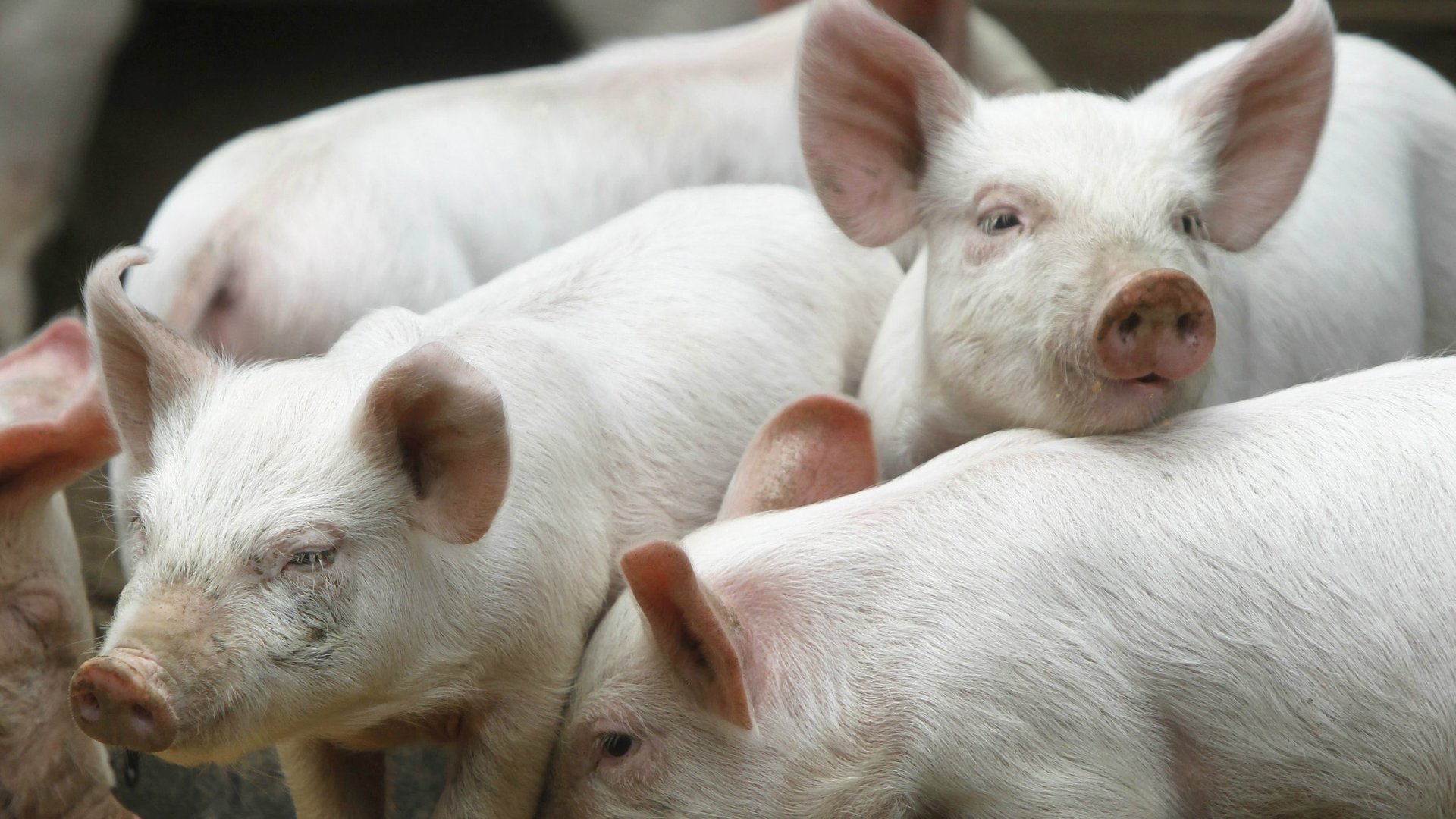
Chinese scientists in Beijing say they’ve successfully created a dozen low-fat piglets using gene-editing technology.
The researchers rejiggered the piglets’ genes using Crispr-Cas9 to help the animals regulate their body temperatures by burning fat. It’s an application of the technology that could one day help farmers save millions of dollars in pork-production costs. Current agricultural practices require farmers to spend money on heating and extra feed to help pigs stay warm in cold weather. By creating an animal that can more efficiently control its body temperature, some of those costs can be mitigated, according to a new study published this week (Oct. 23) in the journal Proceedings of the National Academy of Sciences.
Join 500,000+ readers who start their day with Quartz.
By subscribing, you agree to our Terms of Service and Privacy Policy.
In theory, it’s a remarkable scientific achievement. Whether consumers around the world will be interested in eating the pork from these genetically modified pigs remains to be seen. Skepticism over genetically modified foods is high in the US, Europe, and China. The US Food and Drug Administration in recent years treaded lightly in approving a non-browning GM apple. And US approval for AquaBounty’s GM salmon took decades; it is still not available for sale in the states and even the small amount released into the Canadian market has stirred controversy.
How low-fat pigs might taste compared to their heftier counterparts is still unknown. The meat would likely be leaner, the researchers surmised.
Regardless of public acceptance, this latest study exhibits the specificity with which scientists can tinker with an animal’s genetics. Pigs naturally exist without a gene called UPC1, common in other mammals, that helps regulate body temperature. The Beijing-based researchers used Crispr to take a version of UPC1 from mice and stick it into pig embryos, which they then implanted into 13 female pigs. Three of them became pregnant and gave birth to 12 piglets, according to NPR.
