Wondering how 168 million child laborers could be a positive thing? Well, the number represents about a third fewer workers aged 5 to 17 than there were in 2000. The fastest decrease in child laborers has come in last four years, even though child advocates had feared an increase because of the global recession:
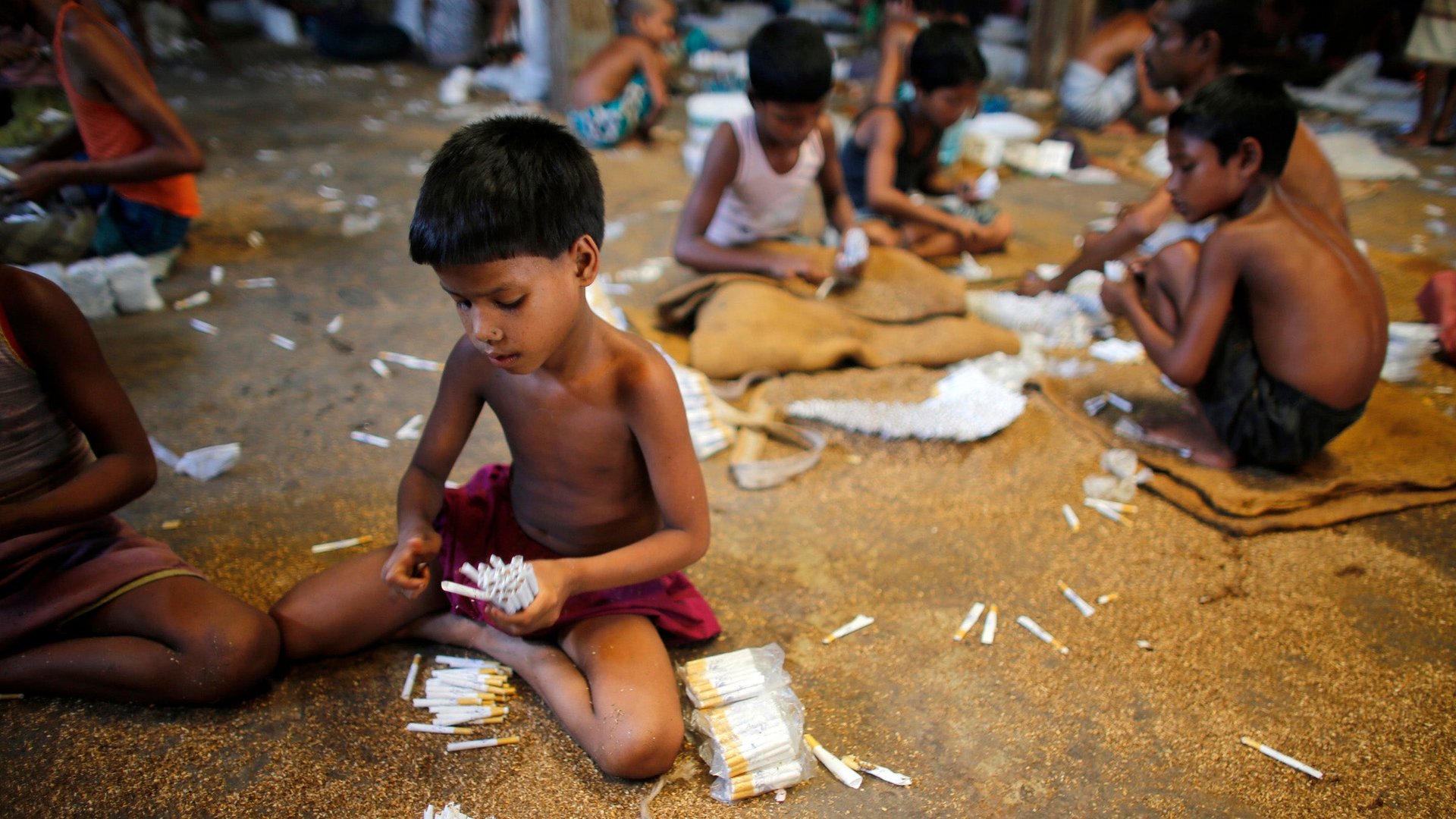
Wondering how 168 million child laborers could be a positive thing? Well, the number represents about a third fewer workers aged 5 to 17 than there were in 2000. The fastest decrease in child laborers has come in last four years, even though child advocates had feared an increase because of the global recession:
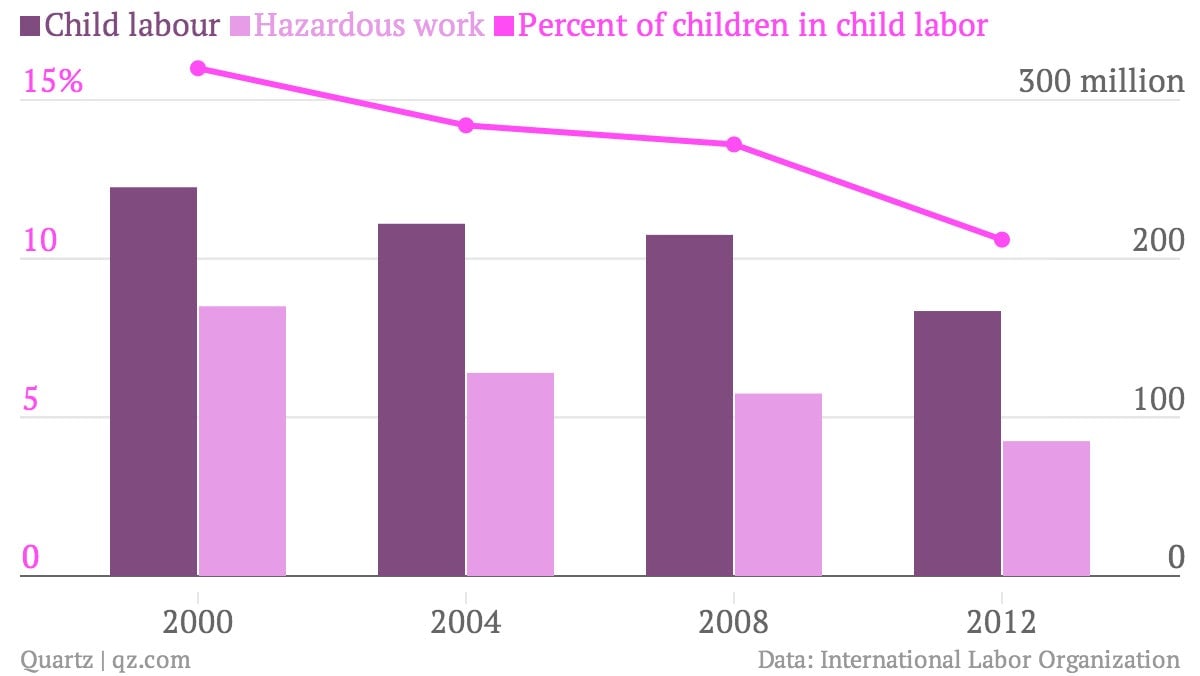
Child labor statistics exclude children involved in “permissible light work”—summer jobs in wealthy countries, say—to focus on unregulated and forced child labor. Despite recent declines, one in ten children around the world is still involved in child labor and some 85 million are involved in hazardous work. The International Labor Organization, which published these statistics today, reports that there is little chance that the worst forms of child labor will be eliminated by 2016, the goal set by some 80 countries at the Hague in 2010. At the current pace of progress, some 65 million children will be performing hazardous labor in 2016.
Join 500,000+ readers who start their day with Quartz.
By subscribing, you agree to our Terms of Service and Privacy Policy.
The ILO points to two major reasons for the recent decrease: The poorer nations where child labor is concentrated recovered more quickly from the global recession, which meant fewer children were forced by impoverishment into child labor. Also, reduced labor demand meant that older children weren’t able to enter the workforce as quickly. Meanwhile, over the last decade, more countries around the world have adopted and enforced anti-child labor rules.
Asia and the Pacific region have the largest number of child laborers, though they also have seen the greatest absolute reduction in recent years. But the ILO’s biggest immediate concern is Sub-Saharan Africa, which has a much higher percentage of child laborers (21.4% of children) than any other region studied. The ILO is planning to re-double its focus there.
Most child laborers work in agriculture, generally farming with their families, so economies reliant on subsistence farming have more child laborers. Paid employment makes up only 22.5% of child labor, and only 7.2% of child laborers work in an industrial setting. The more worrisome trend for anti-child labor activists is the increasing number of children working in the services sector, especially in middle-income countries.
Continuing the decline will demand bigger commitments from national governments to enforce child labor standards and more development investments focused on giving children and their families options that don’t involve putting the kids to work. One remedy would be to pay adult workers more; not doing so has driven Bangladeshi workers to protest in the streets this week.
