Later today, US senator Jay Rockefeller will introduce legislation designed to encourage growth of online video platforms and prevent cable companies from engaging in what he claims is anti-competitive behavior in the US. The West Virginia Democrat, who chairs the Senate commerce, science and transportation committee, says the “Consumer Choice in Online Video Act” builds on similar legislation that promoted the growth of satellite TV in 1992.
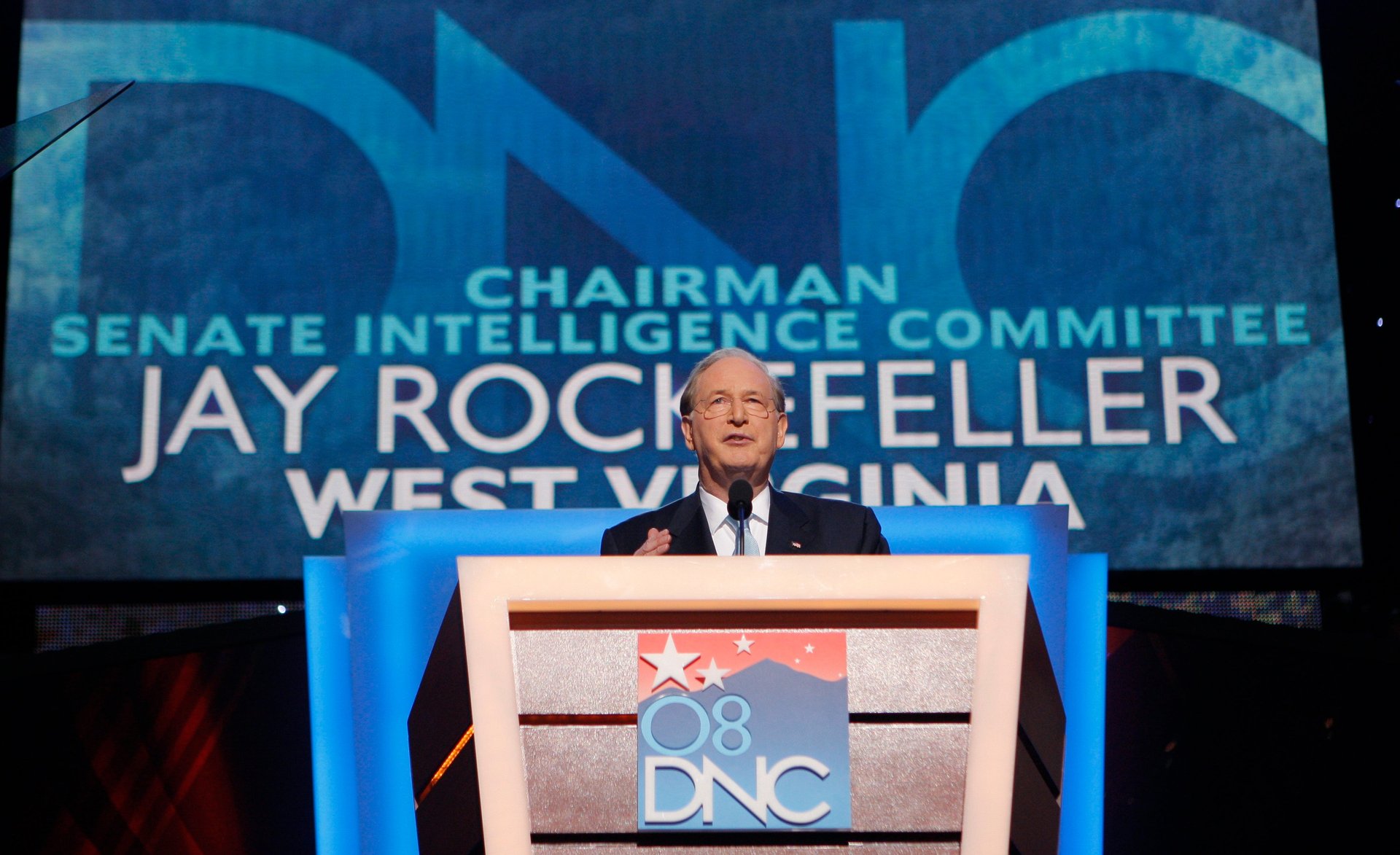
Later today, US senator Jay Rockefeller will introduce legislation designed to encourage growth of online video platforms and prevent cable companies from engaging in what he claims is anti-competitive behavior in the US. The West Virginia Democrat, who chairs the Senate commerce, science and transportation committee, says the “Consumer Choice in Online Video Act” builds on similar legislation that promoted the growth of satellite TV in 1992.
“My legislation aims to enable the ultimate a la carte—to give consumers the ability to watch the programming they want to watch, when they want to watch it, how they want to watch it, and pay only for what they actually watch,” Rockefeller said in a prepared statement.
Join 500,000+ readers who start their day with Quartz.
By subscribing, you agree to our Terms of Service and Privacy Policy.
The bill would:
The legislation would allow online video companies to voluntarily “opt-in” to be classified as multi-video programming distributors” (MVPD), which would give them greater access to content on fair terms the way that satellite providers already do, but would also possibly lead to greater regulation that these services do not want, such as forcing them to carry local channels, which might be logistically complicated and costly.
It’s not clear how the legislation would encourage the likes of HBO to begin selling content directly to consumers, an issue that has frustrated many. Also, its chances of success remain an open question: the powerful cable lobby will surely respond. But at least Washington might have more sway than frustrated American consumers.
