In the United States, there is a growing divide in the median household income and the thickness of the American paper towel. As middle class consumers tighten their wallets, consumer brands have introduced value-priced versions of industry standards with names like “simple” and “basic.” But companies are still betting on premium products, “everyday luxury” in new household cleaners, shampoos and nutrition that cost 30-50% more.
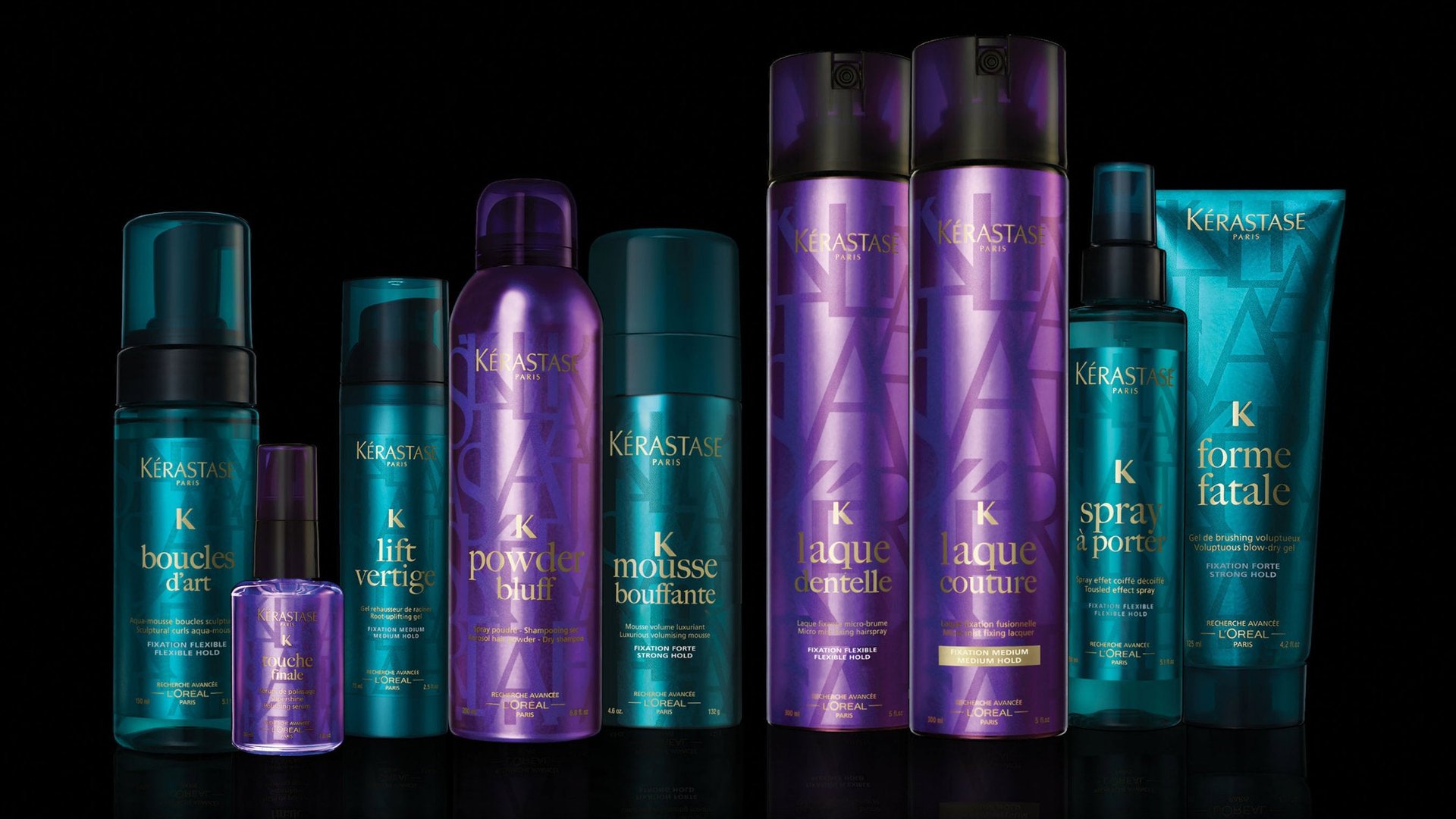
In the United States, there is a growing divide in the median household income and the thickness of the American paper towel. As middle class consumers tighten their wallets, consumer brands have introduced value-priced versions of industry standards with names like “simple” and “basic.” But companies are still betting on premium products, “everyday luxury” in new household cleaners, shampoos and nutrition that cost 30-50% more.
Dubbed the “democratization of luxury,” by research firm Mintel, a new group of consumers is treating themselves in small ways by going premium on extra thick paper towels, moisturizer with anti-aging serum, and pomegranate juice instead of orange juice.
Join 500,000+ readers who start their day with Quartz.
By subscribing, you agree to our Terms of Service and Privacy Policy.
Product companies are investing in both the aesthetic and functional aspects of their packaging as a way to convey the premium luxury experience. In fact, when it comes to what’s important for overall satisfaction with a product, consumers rank packaging almost equal to the brand, according to MWV’s Packaging Matters study.
Often overlooked by brand managers, packaging can play a major role in “nonconscious priming,” the sensory and environmental factors that give consumers emotional cues on the context and “premiumness” of their experience. Lighting and scent in a hotel lobby, for example, can cue a visitor as to whether they’re about to find 600-thread-count sheets on their bed or a continental breakfast in the lobby when they wake up. The same is true for everyday products. How is it that we know artisan potato crisps are more premium than regular potato chips or that Kerastase shampoo is more high-end than Pantene? Other than cost and shelf placement, how do consumers rank a product’s premiumness and align it with their values to decide on a purchase?
