Video games within China have long been subject to censorship. Now gamers are wondering if terms deemed politically sensitive in China are also being filtered out for players in other regions—thanks to the reach of Chinese tech giant Tencent, the world’s largest video game publisher.
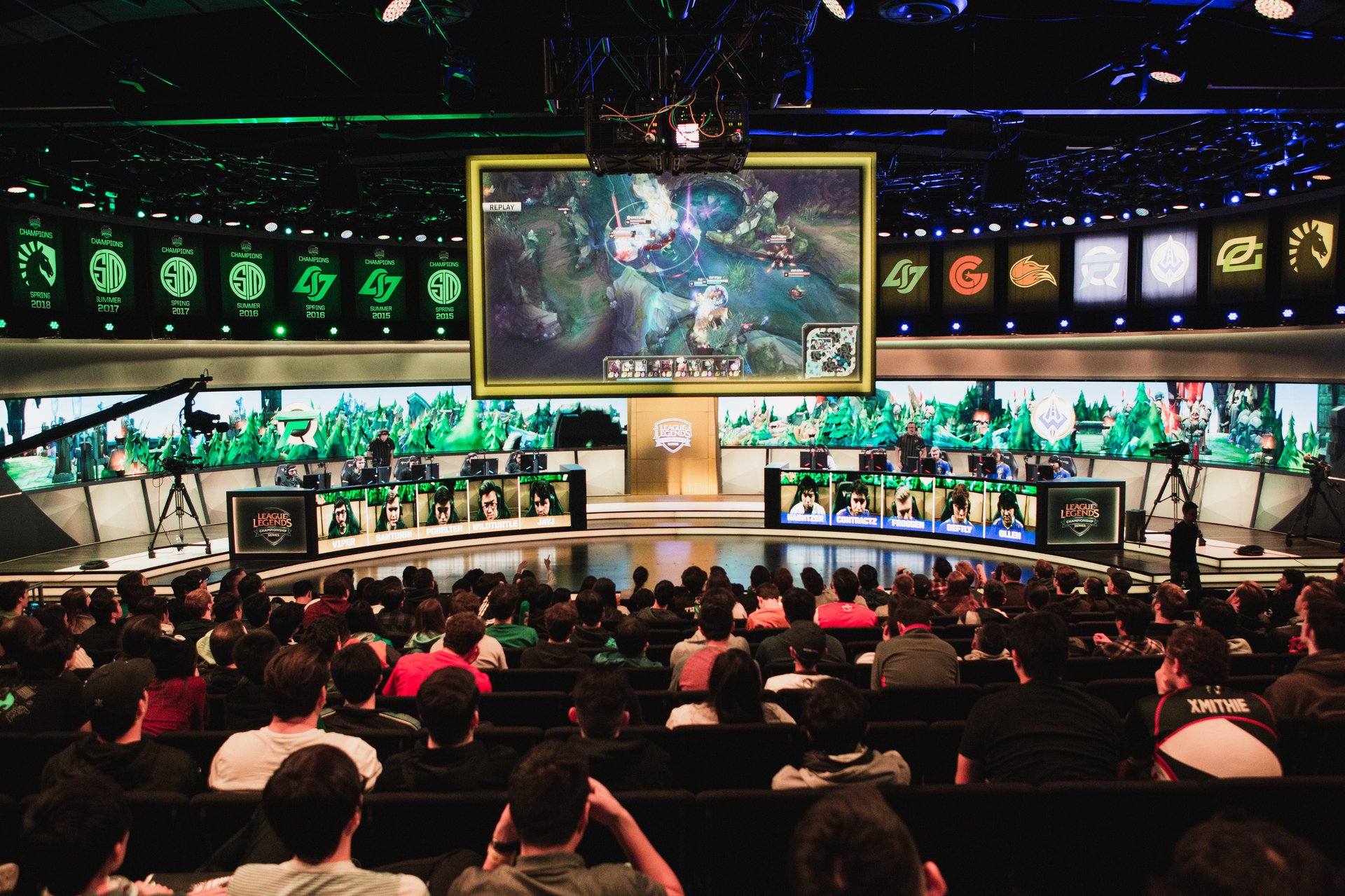
Video games within China have long been subject to censorship. Now gamers are wondering if terms deemed politically sensitive in China are also being filtered out for players in other regions—thanks to the reach of Chinese tech giant Tencent, the world’s largest video game publisher.
The creep of China’s censorship regime came into prominence this month after a Beijing-backed backlash against the NBA in response to a tweet from Houston Rockets general manager Daryl Morey in support of the ongoing Hong Kong protests. Tencent, the NBA’s biggest foreign partner, temporarily suspended live-streaming some games. Soon after, US video-game powerhouse Blizzard Entertainment—Tencent in its parent company—banned a Hong Kong gamer during a post-game interview. (After an outcry against Blizzard, the suspension was later reduced to six months.)
Join 500,000+ readers who start their day with Quartz.
By subscribing, you agree to our Terms of Service and Privacy Policy.
A discussion thread posted today (Oct. 21) on the online forum Reddit $RDDT complained that the world’s most popular PC game, League of Legends, appeared to forbid users from changing their status message to certain words, including “Uyghur.” That’s the name of an ethnic minority in China’s far western region of Xinjiang, where experts say an estimated million Uyghur Muslims have been forced to undergo “re-education” in detention camps since 2016.
Several other comments under the post said they had a similar experience, although others said variations, such as “free Uyghurs,” could be set as a status. The multiplayer online battle game was developed by US studio Riot Games, which has been owned by Tencent since 2015, leading to speculation in online forums that the filtering result was due to intentional censorship.
“I’m guessing they don’t have much of a say in the matter as the company is 100% owned by Tencent. It’s pretty unsettling to think about the implications of it, though,” wrote Reddit user “ResplendentShade.“
Hansen, a US-based League of Legends player, told Quartz that he ran into problems while trying to include “Uyghur” in his status message despite being, presumably, on a server based outside of China.
Soon after the public discussions of this on Twitter $TWTR and Reddit, Riot Games issued a statement on Twitter, saying it had fixed the issue. “We’ll be spending the next few weeks triaging with our global teams to review our ‘disallowed words/phrases’ lists and update accordingly,” said Riot representative Ryan Rigney in a statement. Rigney did not elaborate on why the word didn’t show up, but earlier posted in Reddit that sometimes the system bans “really weird words for no good reason.”
Most games have controls to filter words, typically to root out profanity since players are often children and harassment. But the filtering in League of Legends don’t appear to only be linked to such words.
While the word “Uyghur” no longer appears to be filtered, words such as “genocide” and “Tiananmen” in simplified Chinese (天安门), and “great firewall,” which refers to China’s blocking of foreign websites, seem to get weeded out, according to Hansen, who uploaded videos of his experiments.
Tencent, which owns or is an investor in a wide range of gaming powerhouses apart from Riot Games, didn’t respond to a request for comment.
