The omicron variant is spreading fast. According to the World Health Organization, at least 38 countries, on six continents, have confirmed cases of the new variant. There is still quite a bit we don’t know about omicron—including whether it is more contagious than delta, and if it is more likely to escape vaccine protection.
So far, we have some indications that both conditions might be true, and that omicron appears to present a higher risk of reinfection for people who already had covid-19. At the moment, delta—which is more contagious than previous variants—is still the prevailing variant around the world, and with omicron increasing and winter underway in the northern hemisphere, it’s again time to mask up properly.
In other words, you might want to put away your cloth masks and turn to N95.
The Centers for Disease Control and Prevention (CDC) has only recently updated its guidance on masks. While there are different levels of effectiveness, there are a few elements that guarantee the mask isn’t doing its job. In order to protect the wearer and others, fabric masks need to have more than one layer, not have gaps on the sides, and not have valves or other openings. Disposable masks are generally designed correctly, but they shouldn’t be dirty or wet.
The CDC also recommends double masking. And while not all experts agree that there is a need for respirators (which filter particles coming into the nose as well as those breathed out) in the general population, the CDC shares a list of respirator-style masks that have been tested. They are no longer in short supply, and those in the general population looking for the most protection can turn to them.
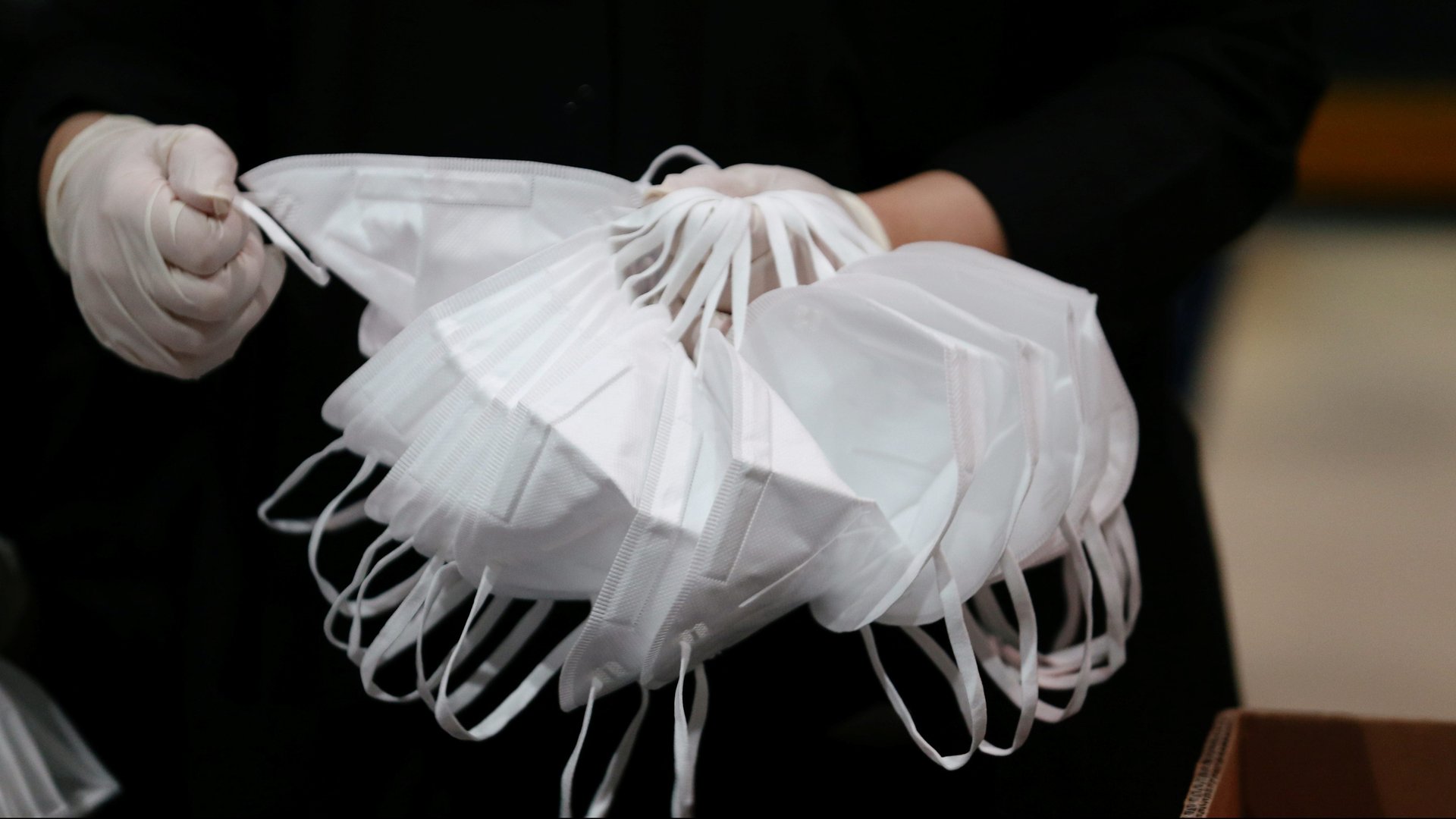
The most common among them are the N95 masks, which are thicker and fit tighter than disposable masks. These masks filter out 95% of particles. Comparable ones are KN95, a Chinese model which is similarly effective but fits a little loser and might be more comfortable.
While these are widely available, the CDC warns that 60% of the KN95 available in the US are counterfeit and don’t meet the safety and efficacy requirements. There are recommendations on what to look for when buying a mask online, but the ubiquity of counterfeit masks makes the risk of buying a defective one very high, and there is no direction from the agency on where to get the masks.
One way to be sure to get a safe mask is to buy it from a trusted source, such as a manufacturer or a vetted supplier. Here are some trusted options:
