A man recently returned from West Africa is in the isolation unit at Mount Sinai Hospital in New York City, after heading to the hospital with possible symptoms of the Ebola virus, the disease that has killed nearly 900 people in West Africa. Though hospital officials now say that it’s unlikely the man has Ebola, they haven’t yet confirmed his diagnosis.
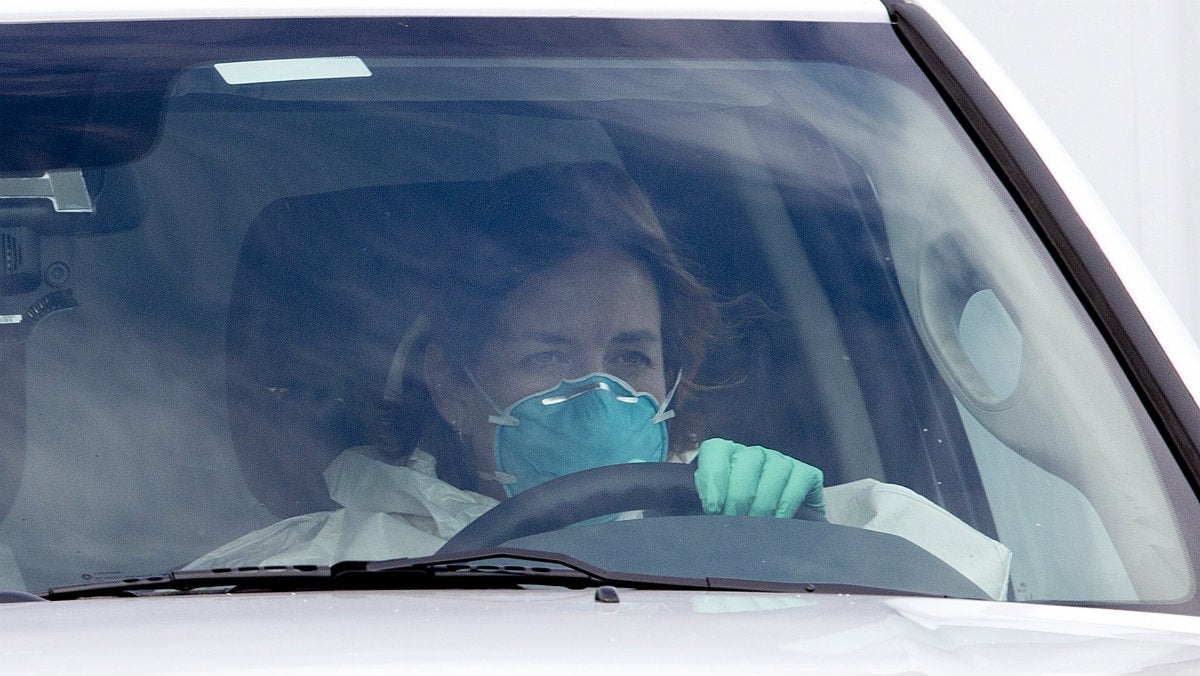
A man recently returned from West Africa is in the isolation unit at Mount Sinai Hospital in New York City, after heading to the hospital with possible symptoms of the Ebola virus, the disease that has killed nearly 900 people in West Africa. Though hospital officials now say that it’s unlikely the man has Ebola, they haven’t yet confirmed his diagnosis.
If your Twitter $TWTR feed is anything like mine, news that Ebola might have turned up in Manhattan is freaking out a lot of Americans. “Helpful” bits of commentary include as that it’s “deadly uncurable,” has a 90% fatality rate, and causes “a hemorrhagic fever that eventually leads to a complete bleed-out.” Today’s news merely amplifies the anxiety that’s been building since word got out that two Americans infected with Ebola have been moved to US hospitals for treatment.
Join 500,000+ readers who start their day with Quartz.
By subscribing, you agree to our Terms of Service and Privacy Policy.
There are plenty of people who should be protecting themselves against Ebola’s spread—and they live in West Africa. Those of us who are in the US should feel comforted by the following:
Another reason for all the worry is that the media (Quartz included) has tended to zero in on this outbreak’s rapid spread and its being the “deadliest in history.” While both are true, that says way more about the quality of medical care in war-torn, poverty-stricken pockets of West Africa than it does about Ebola’s virulence. Compare the Mount Sinai response with that Liberian hospitals, which are so packed that they’re having to turn away Ebola patients. The country is running out of rubber gloves, and the health ministry just dumped 37 Ebola-infected corpses in a swampy, open hole near a (so far, relatively healthy) village. Those aren’t first-world problems.
Scott Z. Burns, who wrote the screenplay for Contagion, notes that Americans tend to freak out about “the monster we can see”—in this case, that would mean the gruesome images of Ebola victims bleeding from their faces—while ignoring more familiar but no less deadly risks. He has a point; thanks to the anti-vaccine movement, measles cases in the US have surged nearly fourfold since last year.
