ThyssenKrupp, the German steel and engineering giant, has created what it calls “the holy grail” of the elevator industry: a system that isn’t dependent on ropes or steel cables.
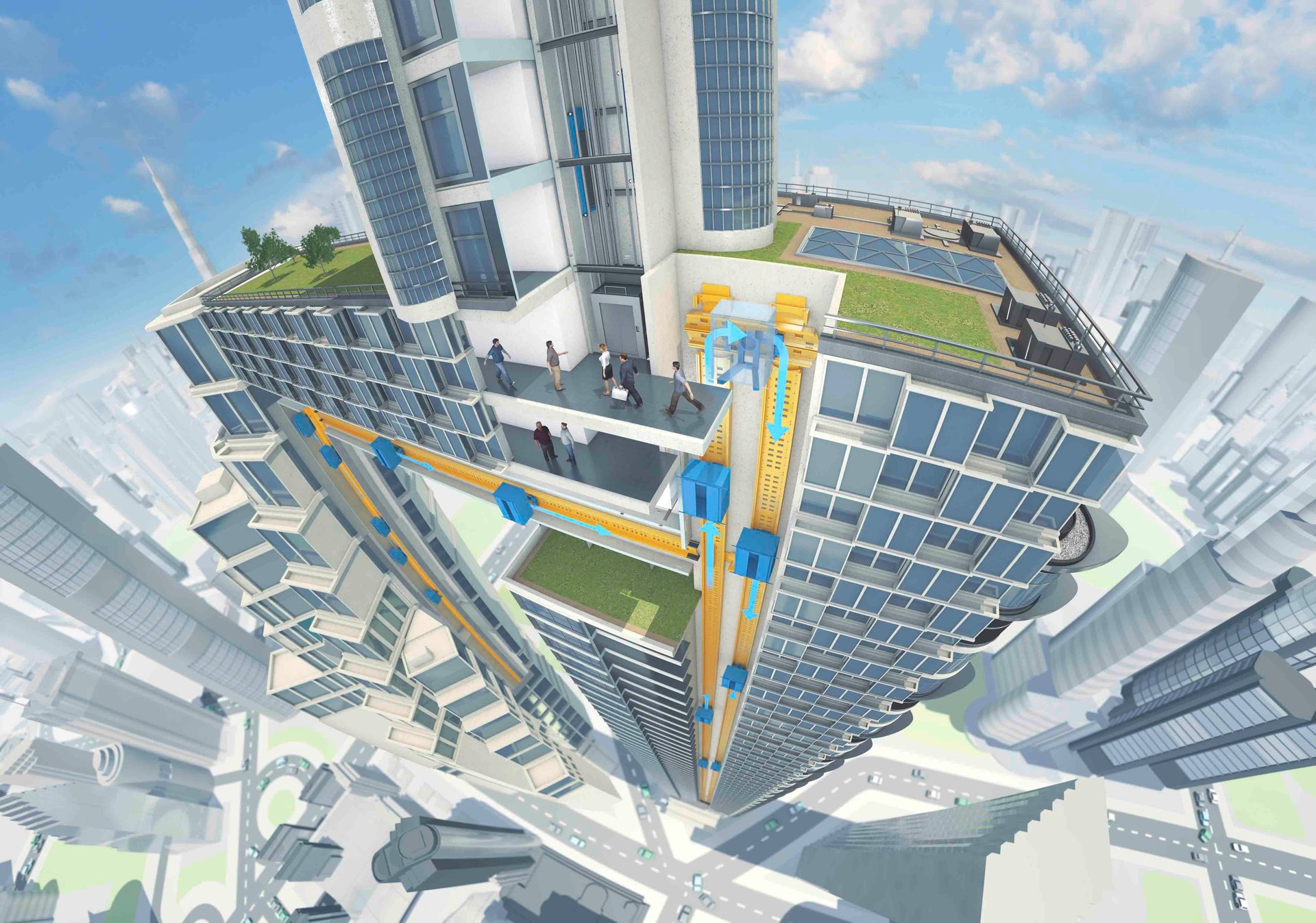
ThyssenKrupp, the German steel and engineering giant, has created what it calls “the holy grail” of the elevator industry: a system that isn’t dependent on ropes or steel cables.
If the technology, named Multi, does well in tests beginning in 2016, the elevators of the future could be powered by the same magnetic levitation (maglev) technology that floats the world’s fastest trains above their tracks.
Join 500,000+ readers who start their day with Quartz.
By subscribing, you agree to our Terms of Service and Privacy Policy.
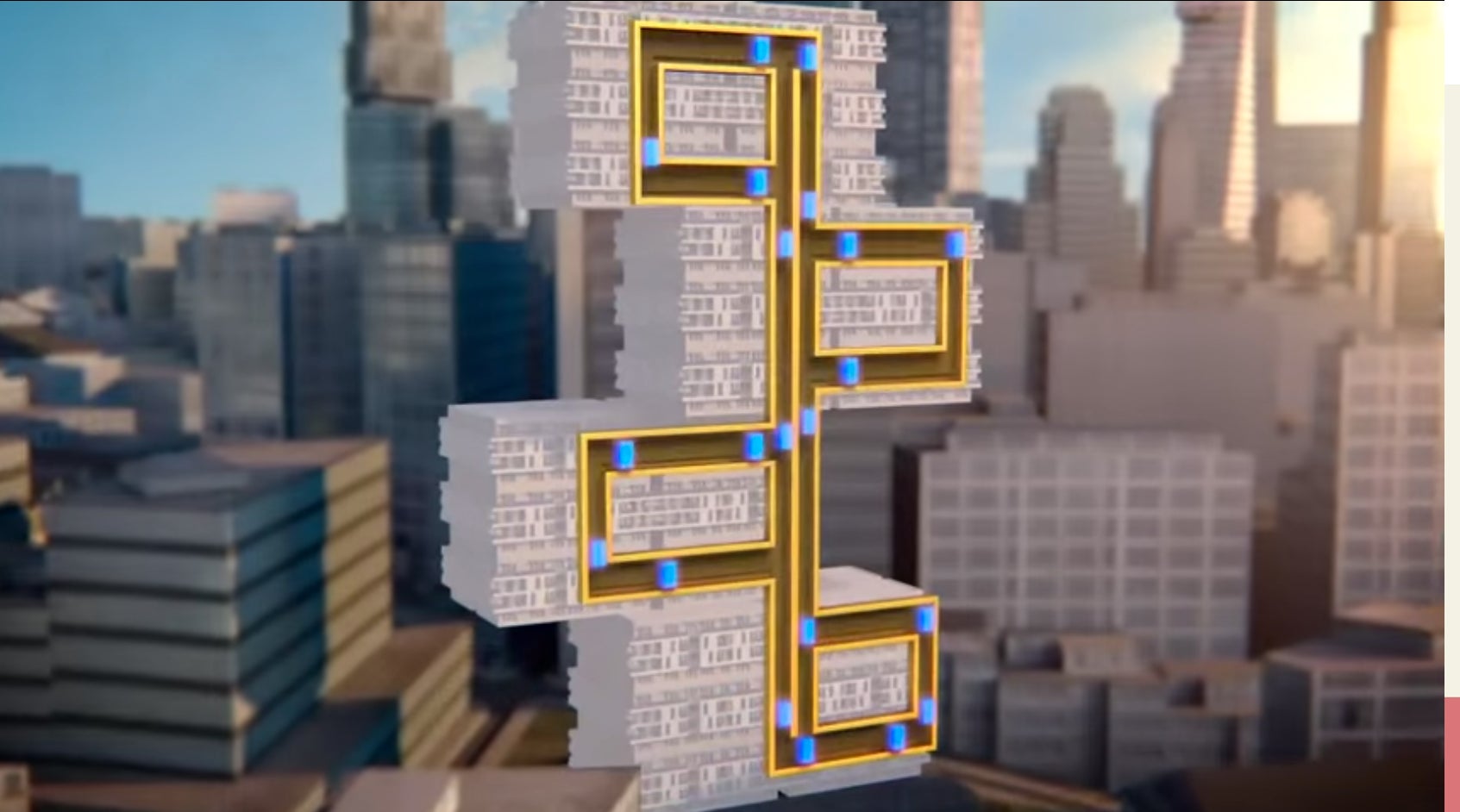
The new elevators won’t travel as fast as maglev trains, obviously. But they do promise to increase the effective speed of vertical transit by having multiple elevators travel in a circular route within the same shaft, like a vertical subway train line, instead of today’s standard of one or two cars per shaft. The bottom line: Less waiting for the next elevator car.
Tall buildings and compact cities are better for the environment and will become increasingly important as the planet’s urban population swells. But elevators have evolved so slowly that they have become a major impediment to building taller and more compact structures. Traditional shafts can occupy 40% of a building’s total footprint, and the limits of current designs usually mean that taller buildings have longer waits for the next lift.
ThyssenKrupp promises its maglev elevators will not only enable such buildings (the footprint will be as little as half the size of a traditional elevator shafts), but also “futuristic buildings that previously could only be dreamed of,” as the company’s R&D head Patrick Bass told the Financial Times (paywall).
ThyssenKrupp also has some competition from Hitachi:
