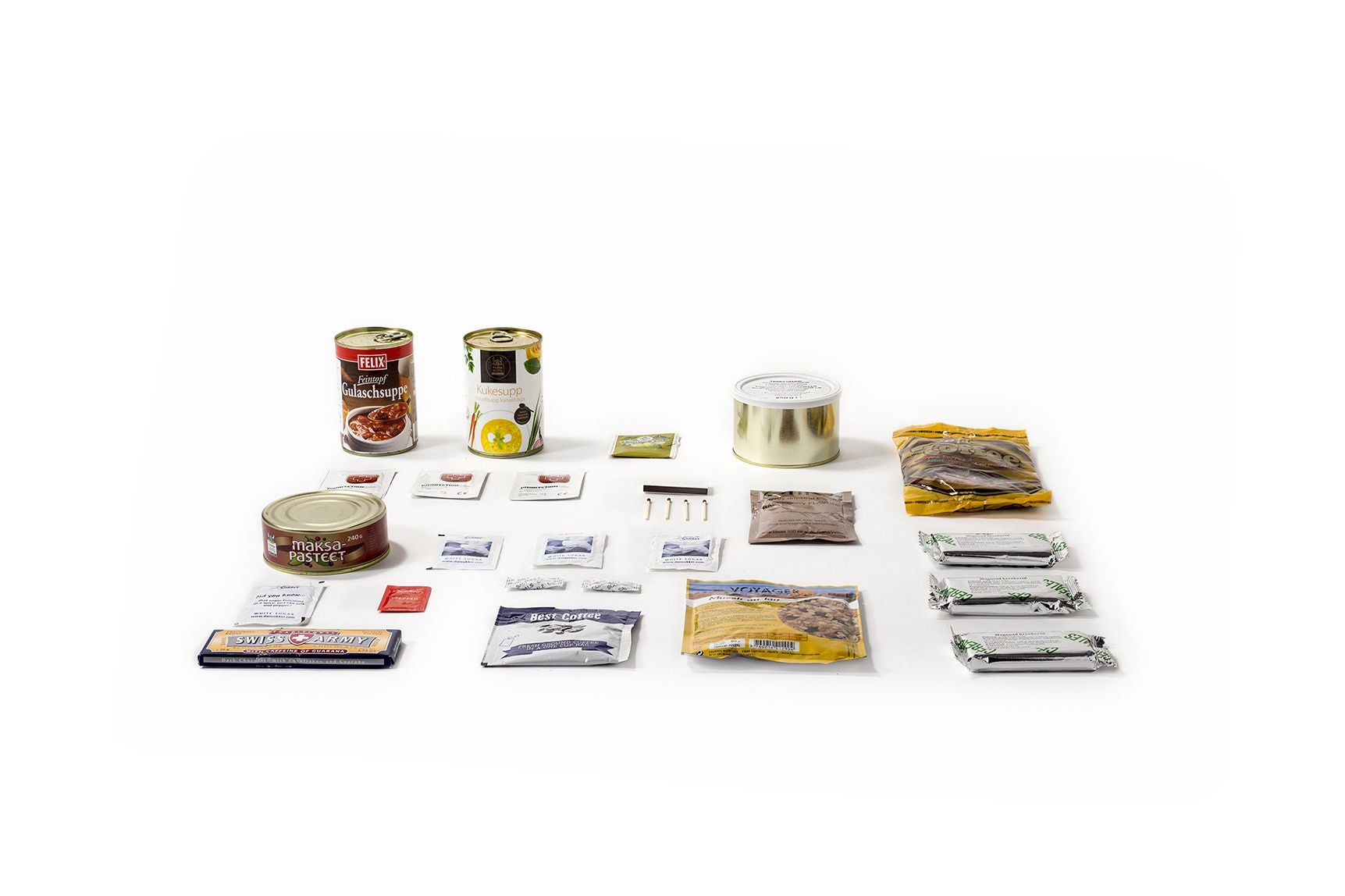
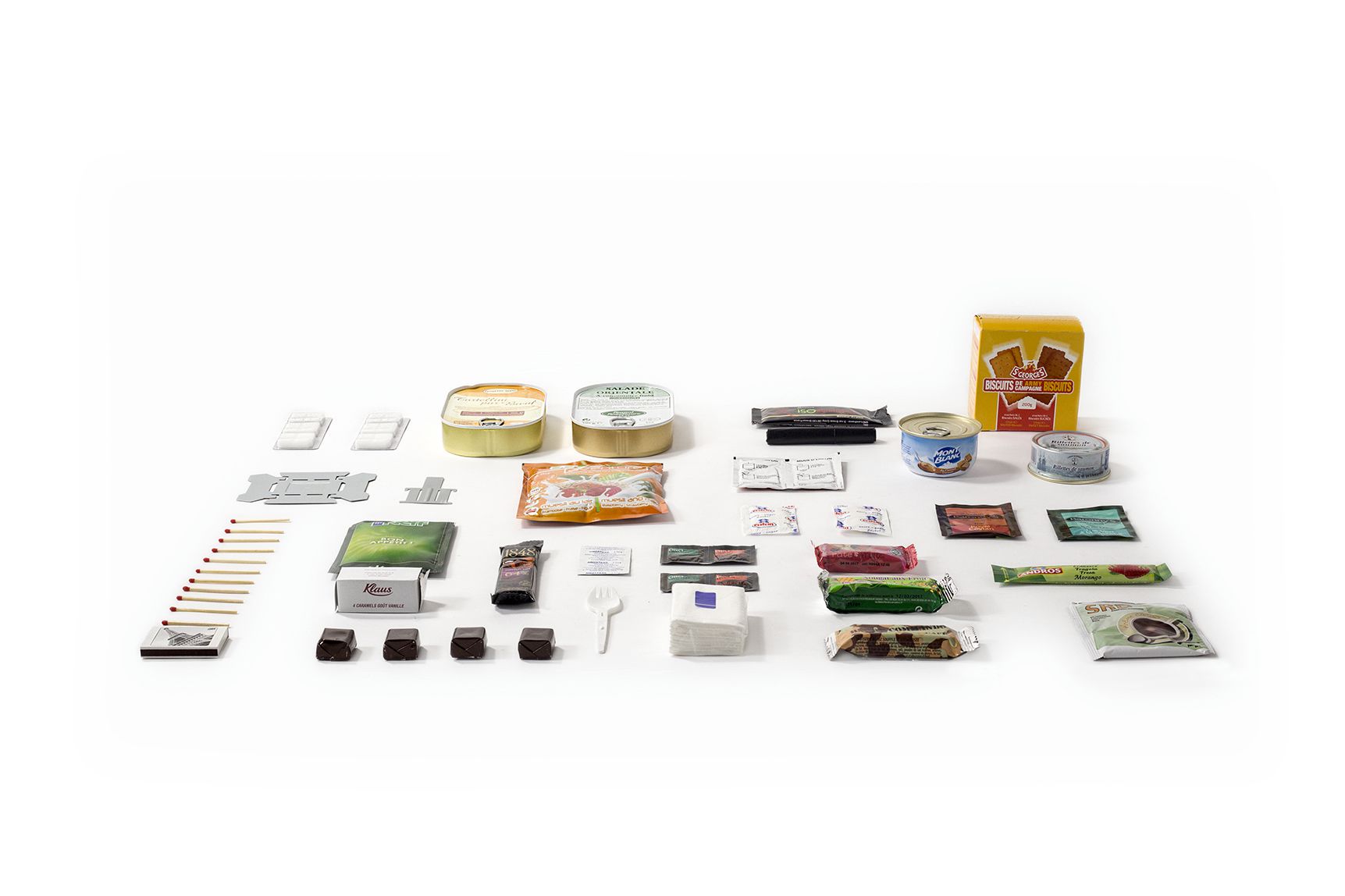
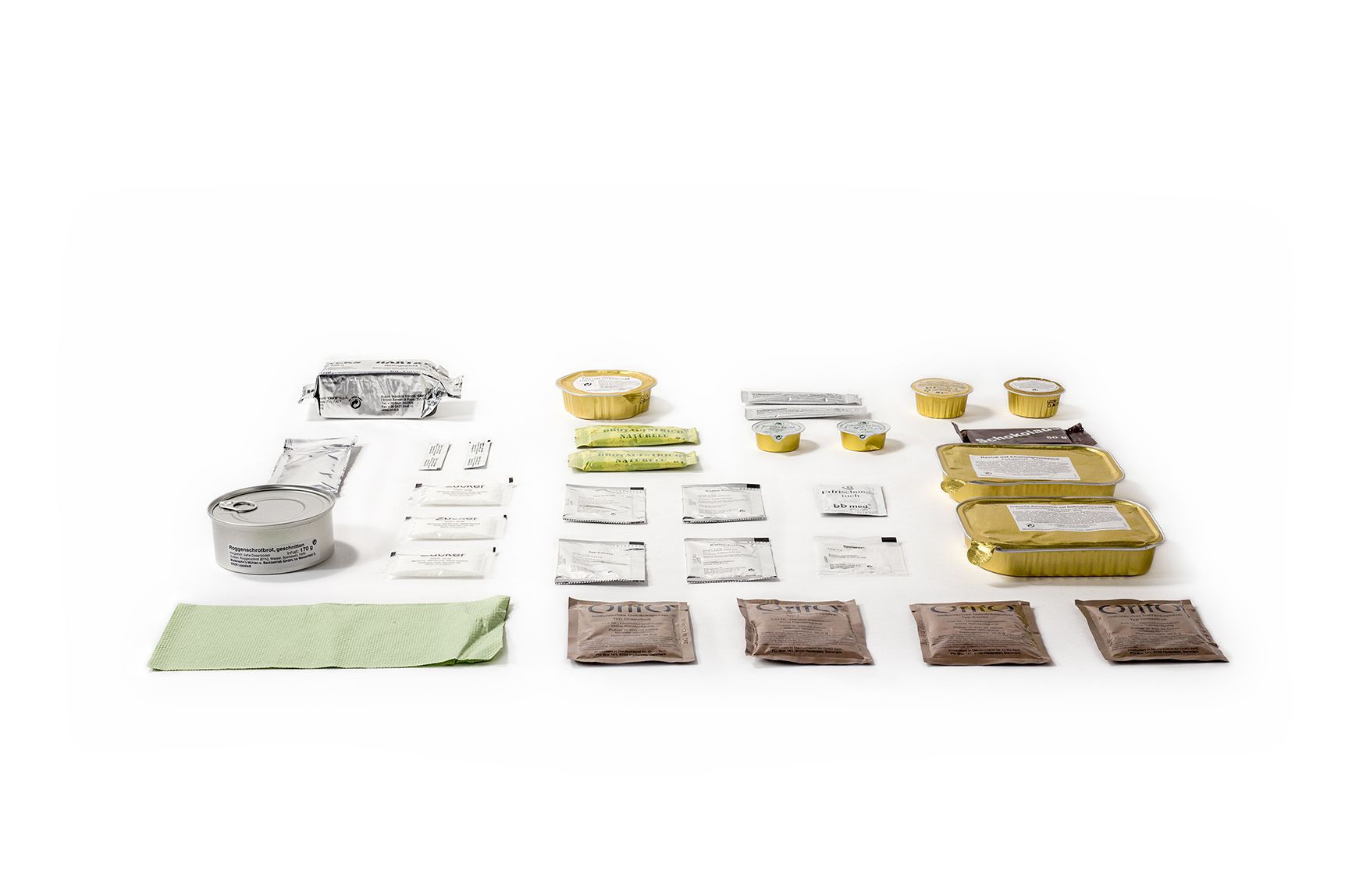
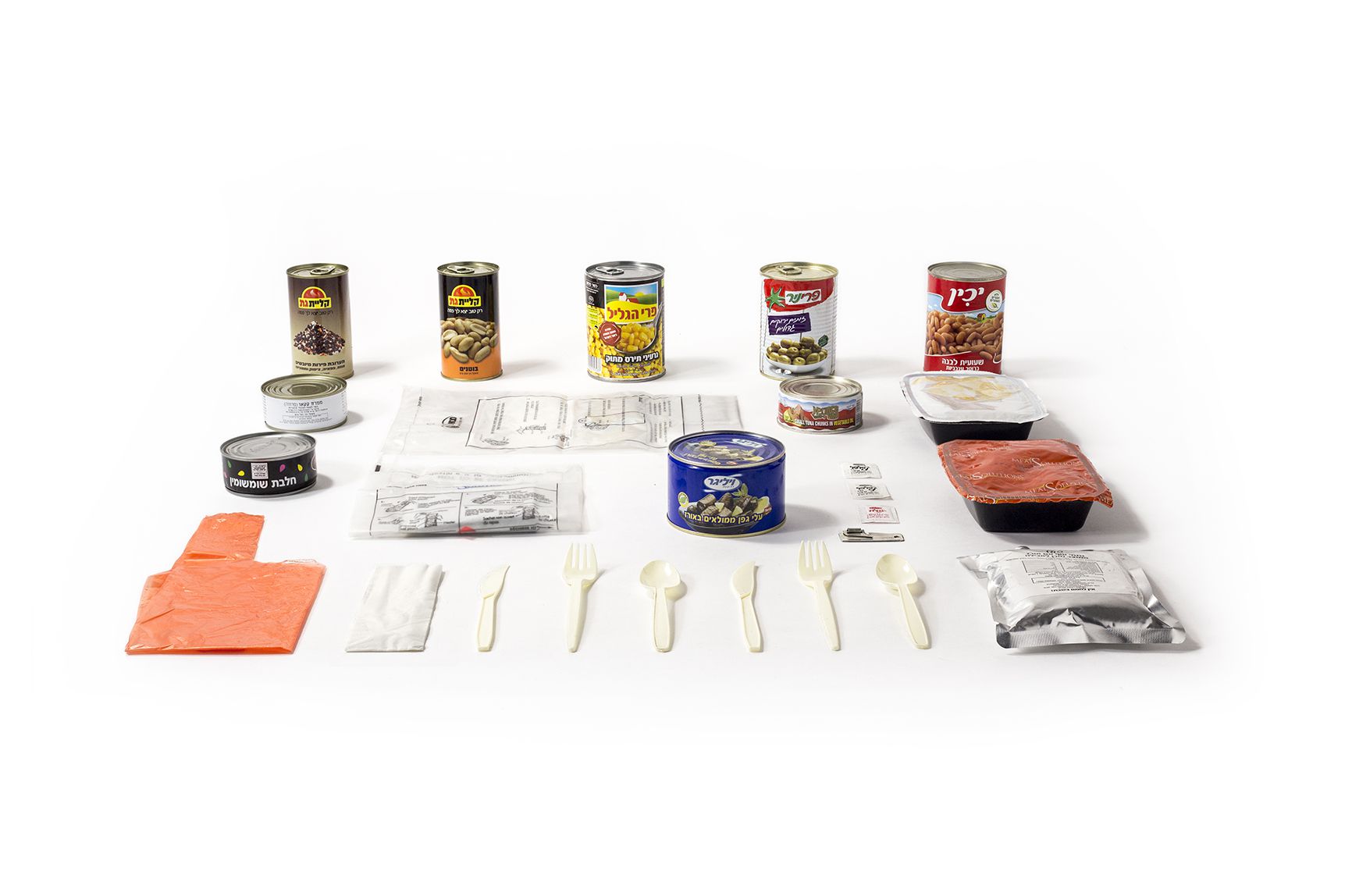
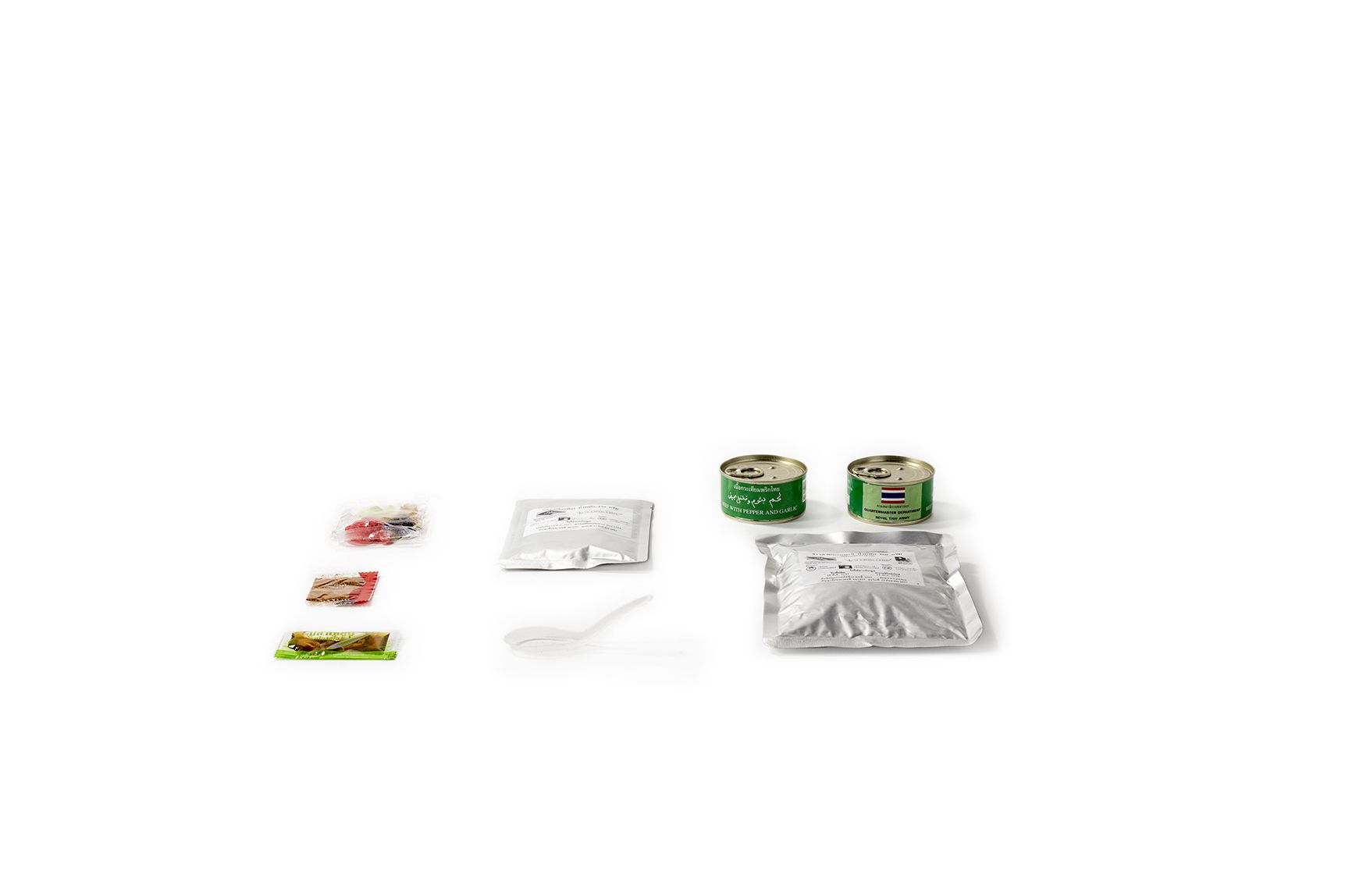
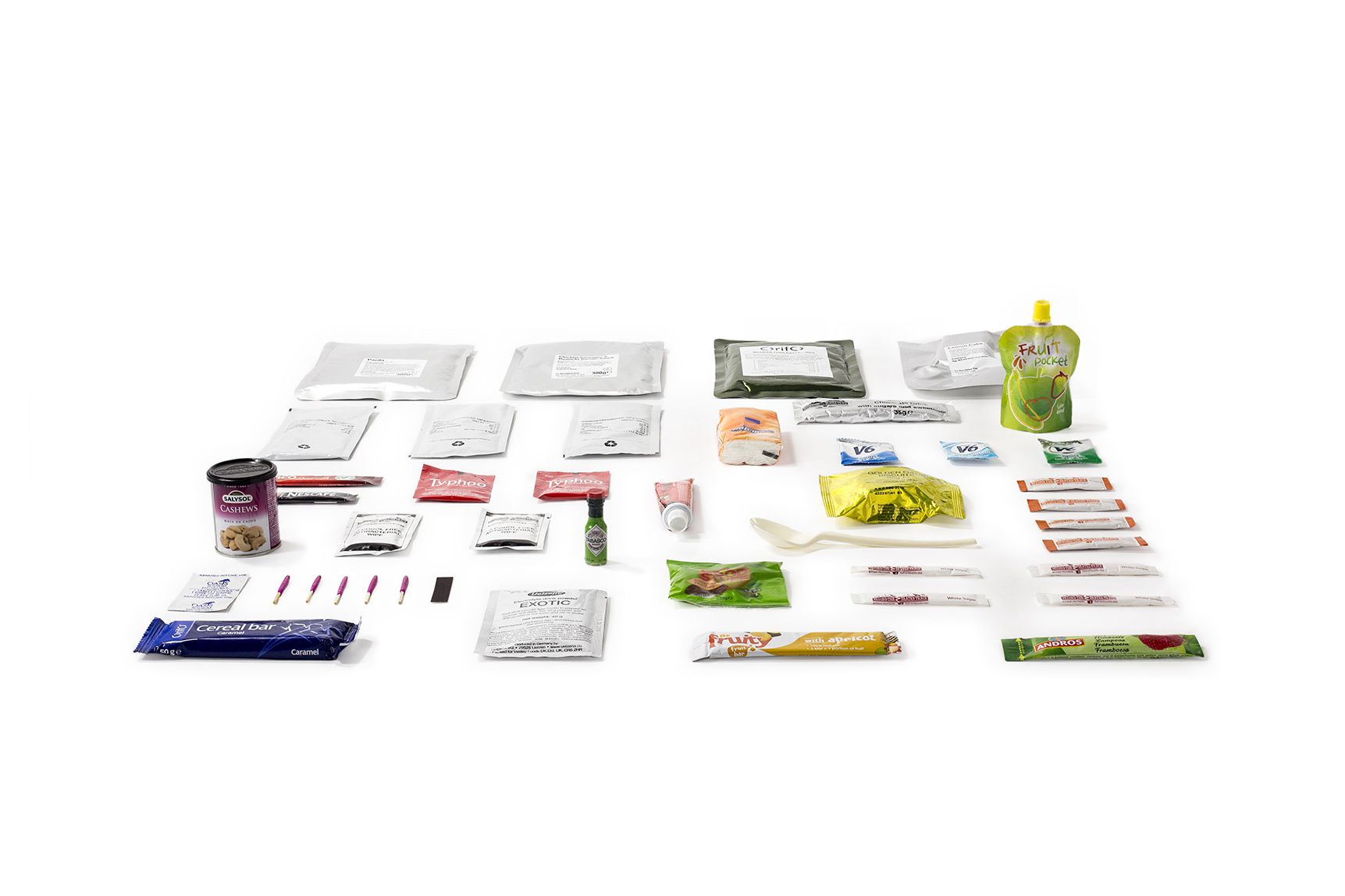
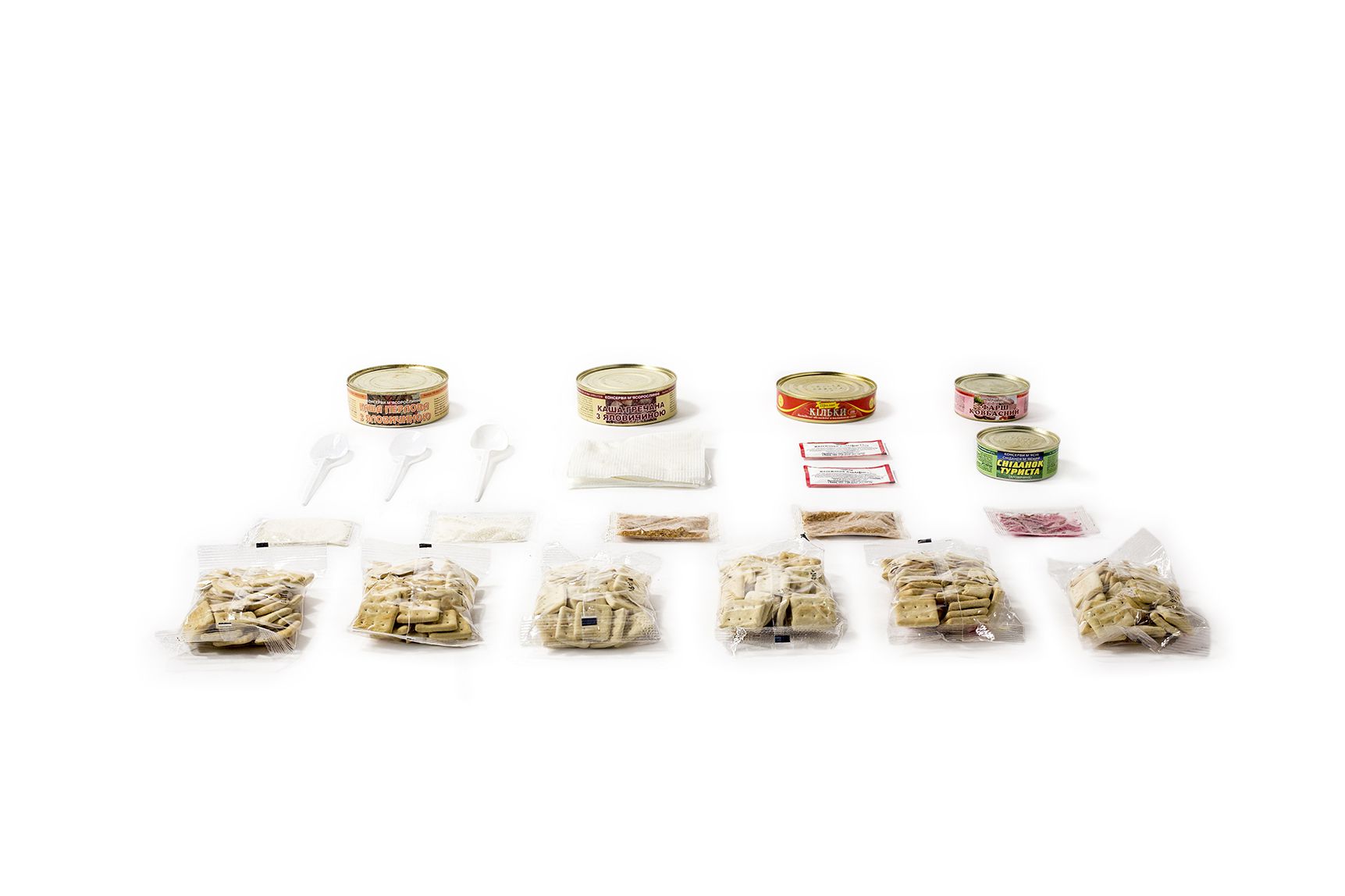
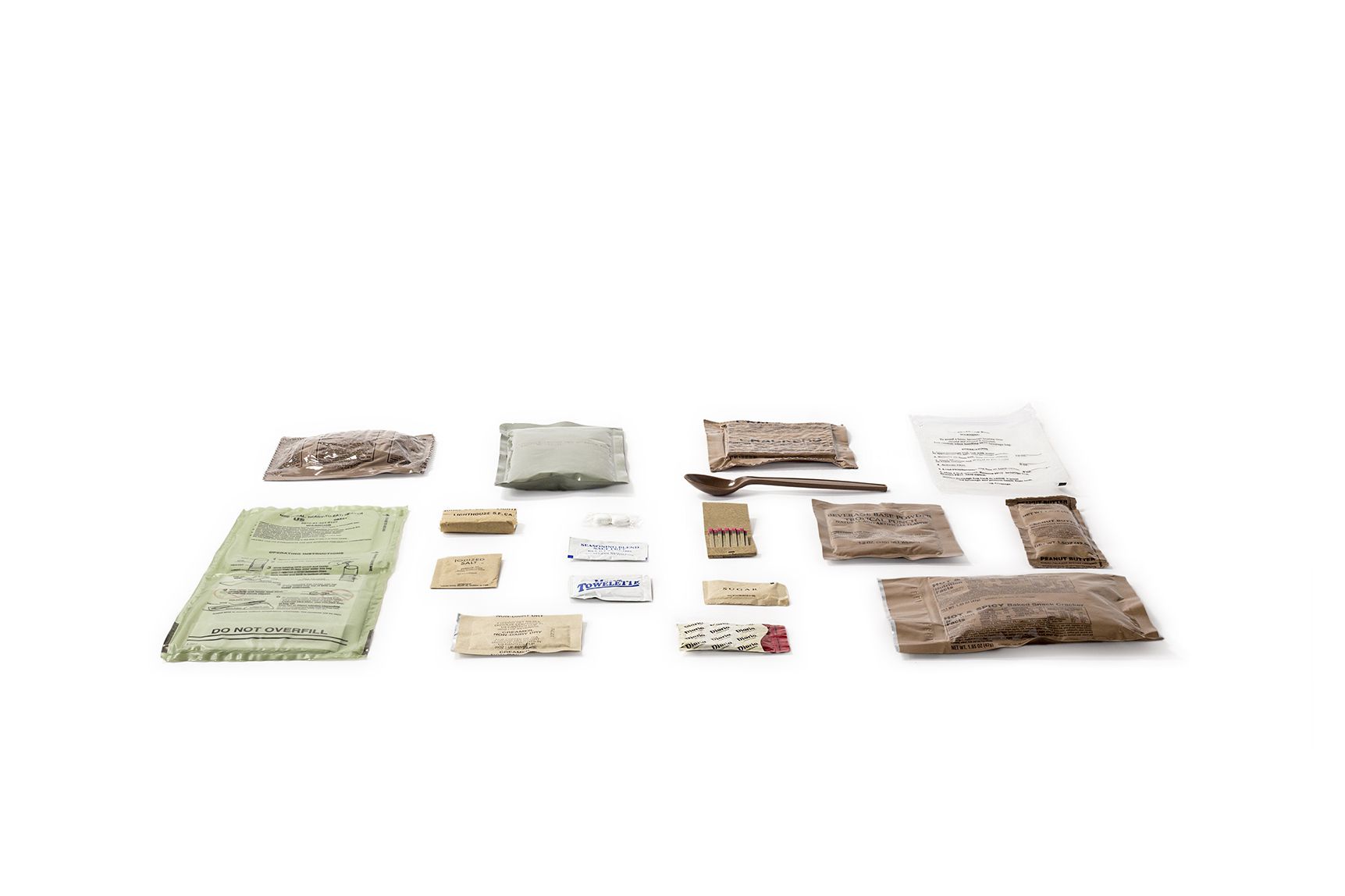
When the US planned to drop American paratroopers into Europe during World War II, the military needed emergency food rations that would be lightweight, small enough to fit inside a uniform pocket, and contain all the calories needed to last one person for several days. The rations’ long journey from American factories to overseas theaters of combat, as well as the increased mobility of soldiers, prompted new research on their efficient design. Thus the invention of the compact, individualized “k-ration,” or daily combat food ration, created by physiologist Ancel Keys (Keys is where the “k-” comes from).
When the US planned to drop American paratroopers into Europe during World War II, the military needed emergency food rations that would be lightweight, small enough to fit inside a uniform pocket, and contain all the calories needed to last one person for several days. The rations’ long journey from American factories to overseas theaters of combat, as well as the increased mobility of soldiers, prompted new research on their efficient design. Thus the invention of the compact, individualized “k-ration,” or daily combat food ration, created by physiologist Ancel Keys (Keys is where the “k-” comes from).
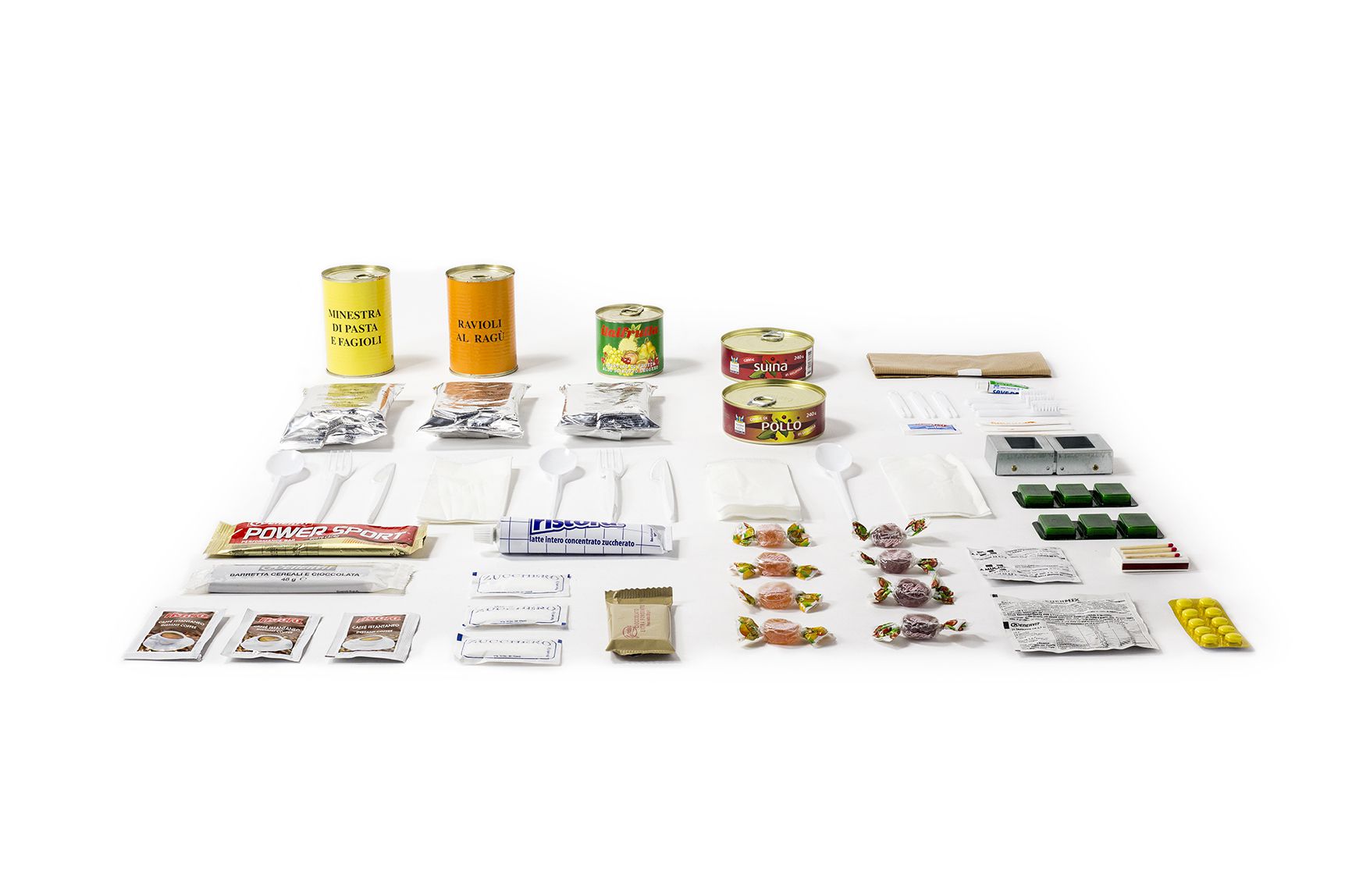
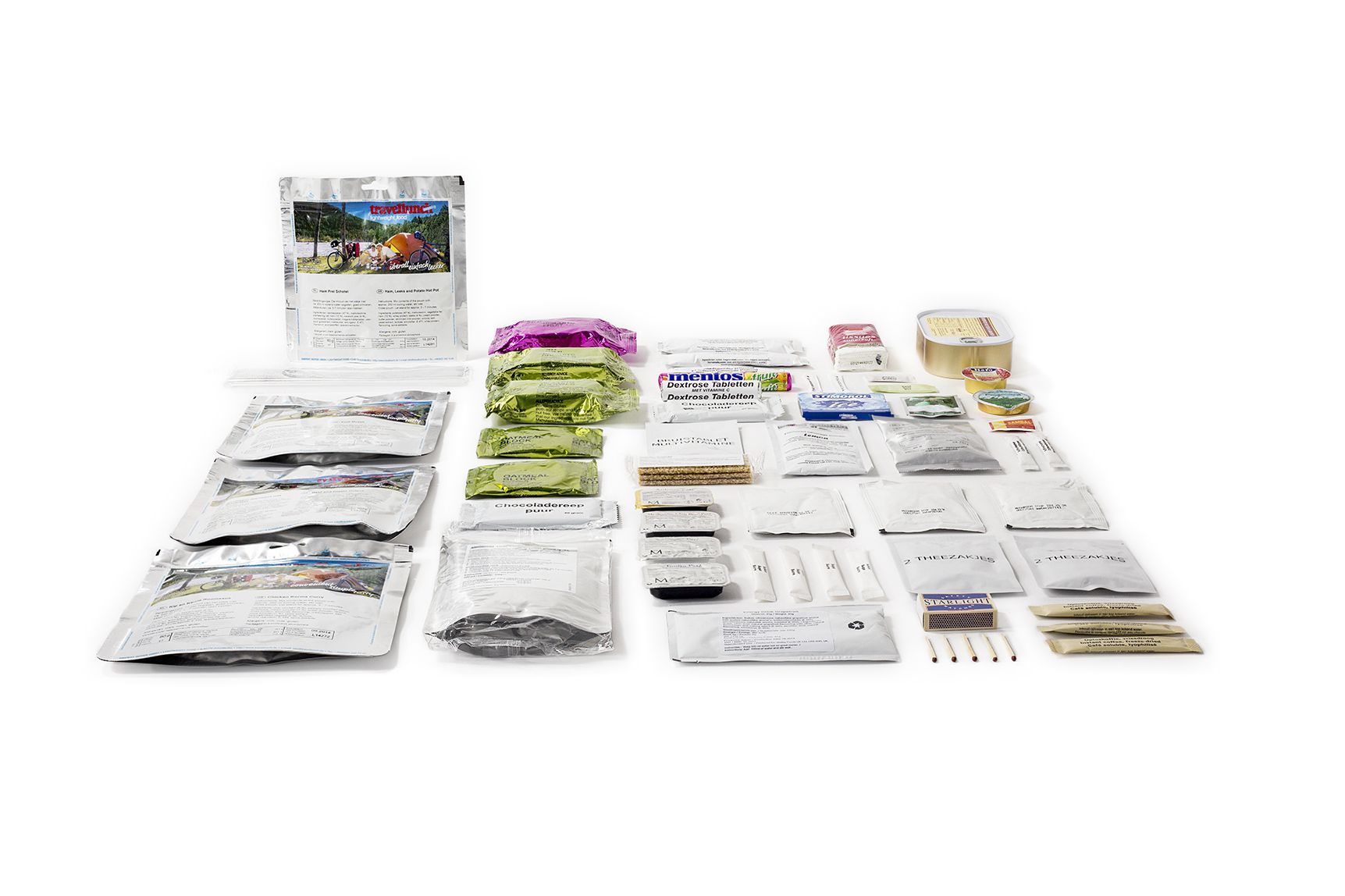
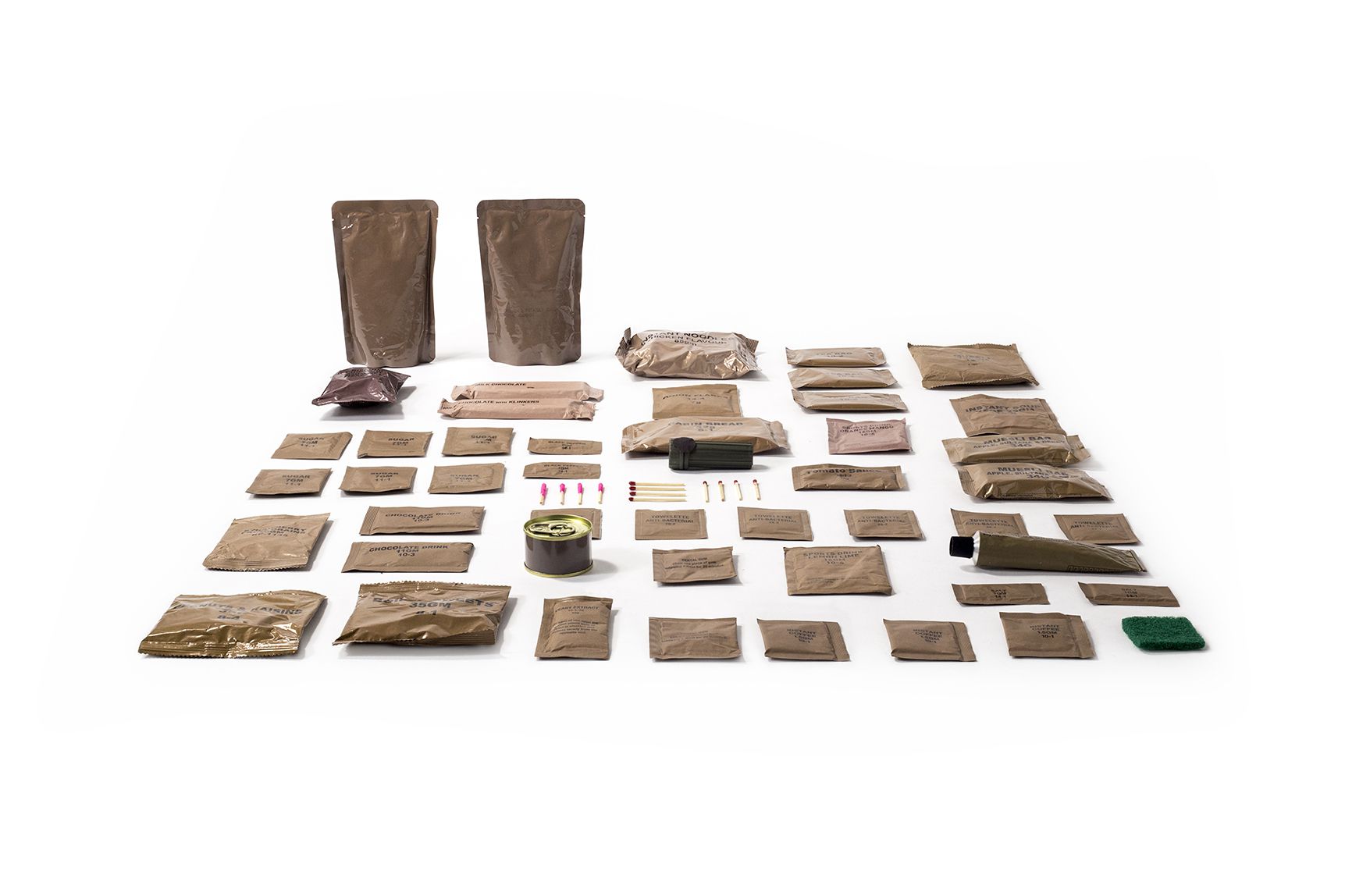
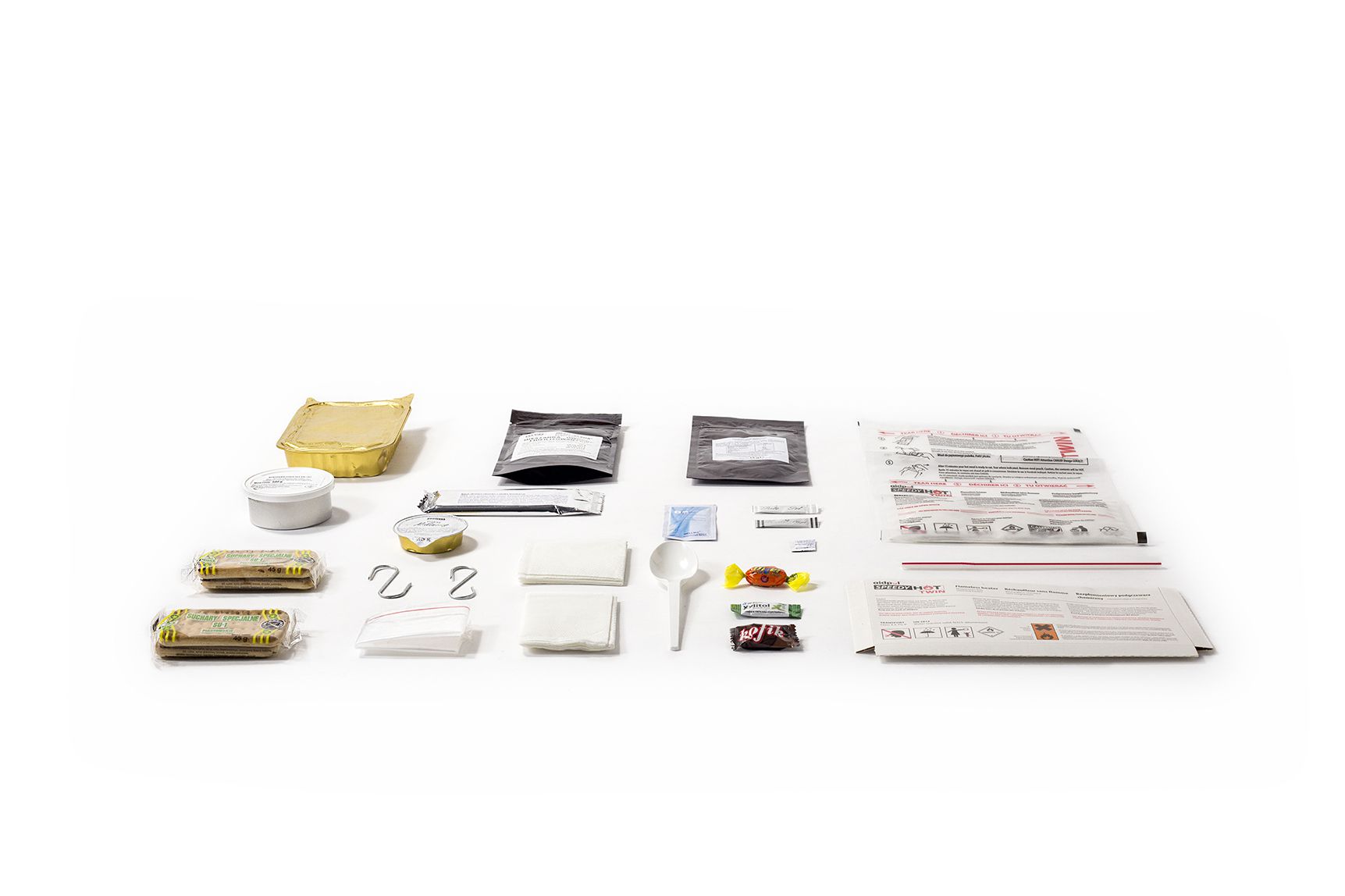
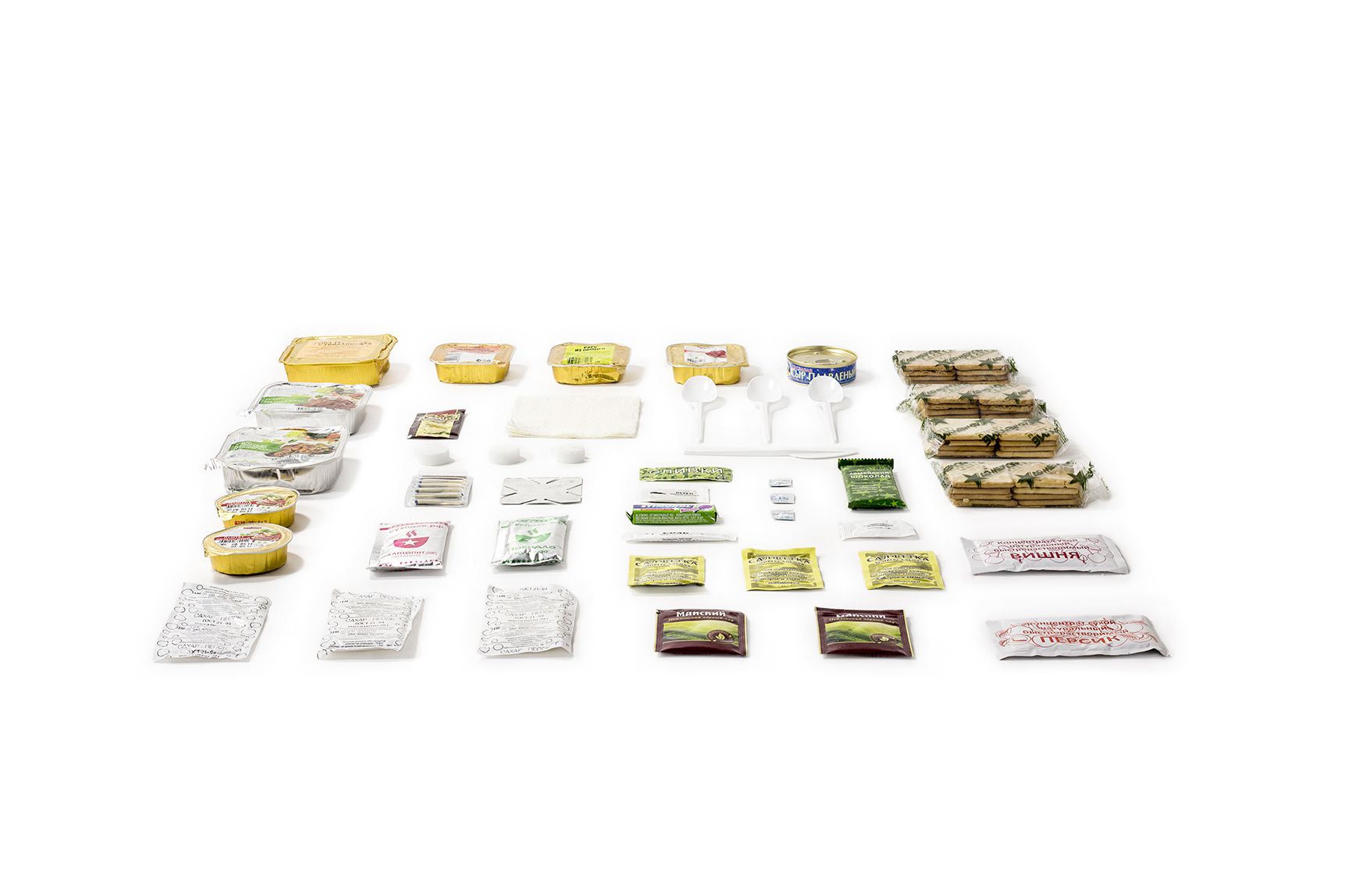
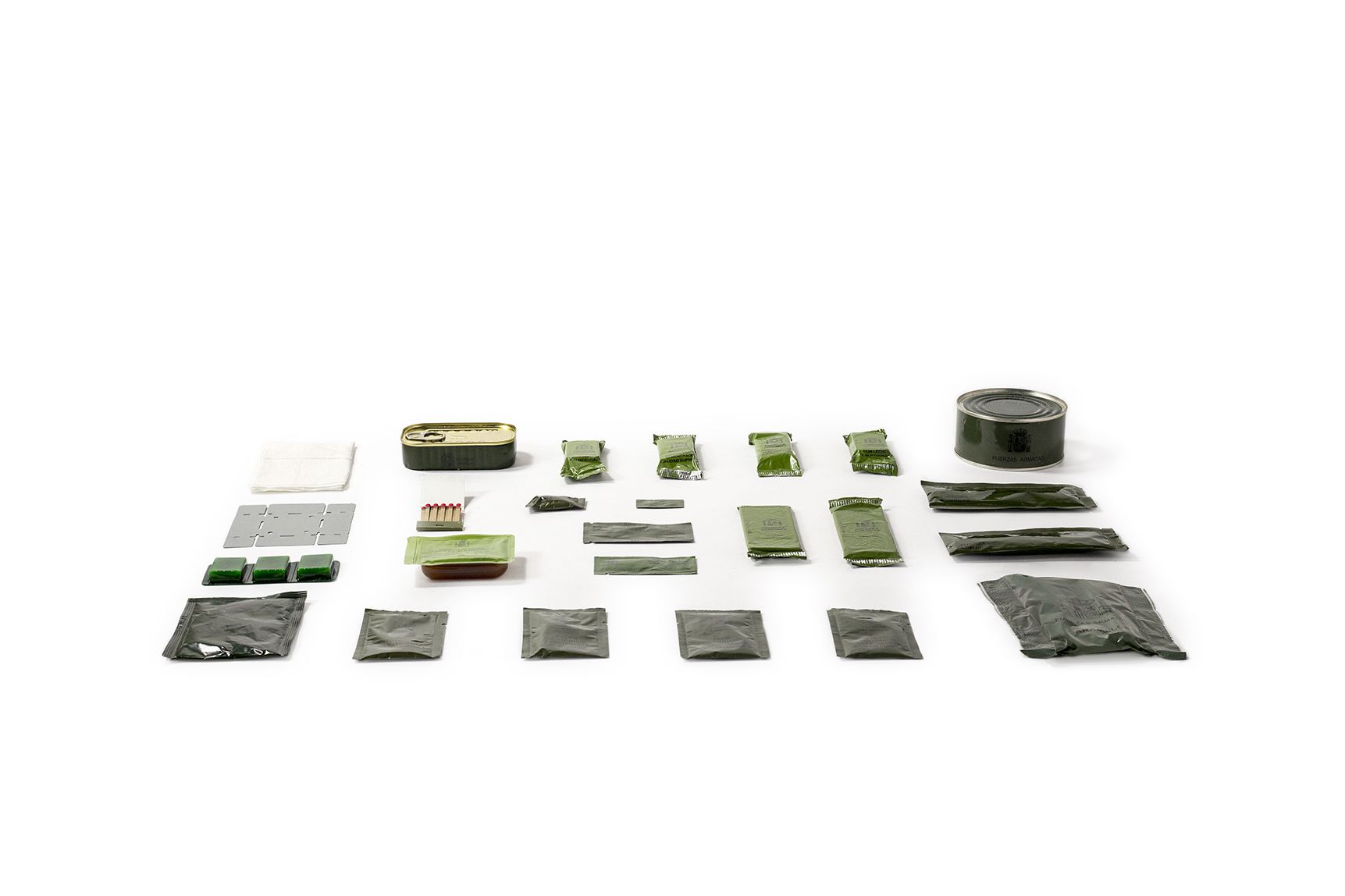
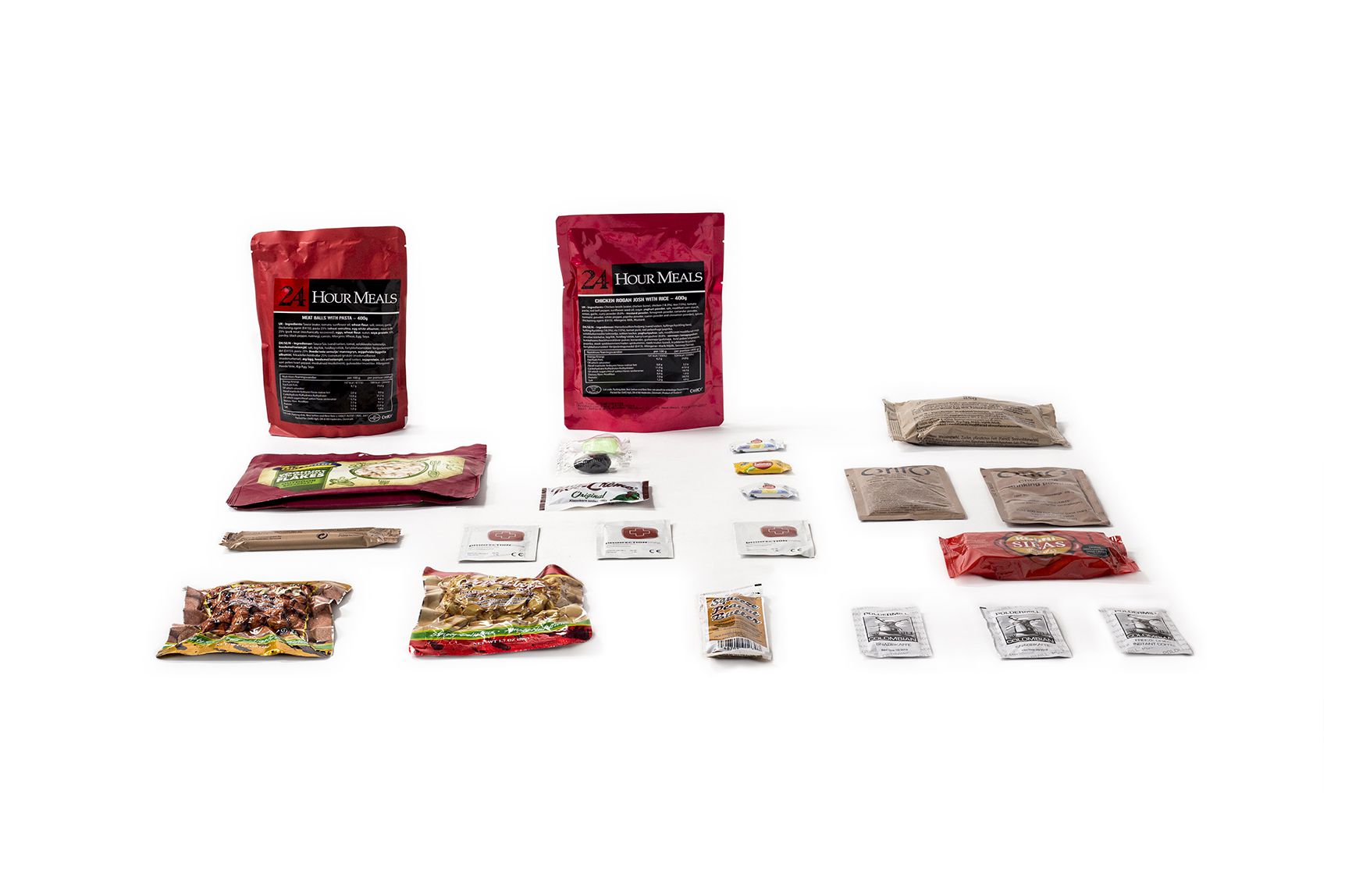
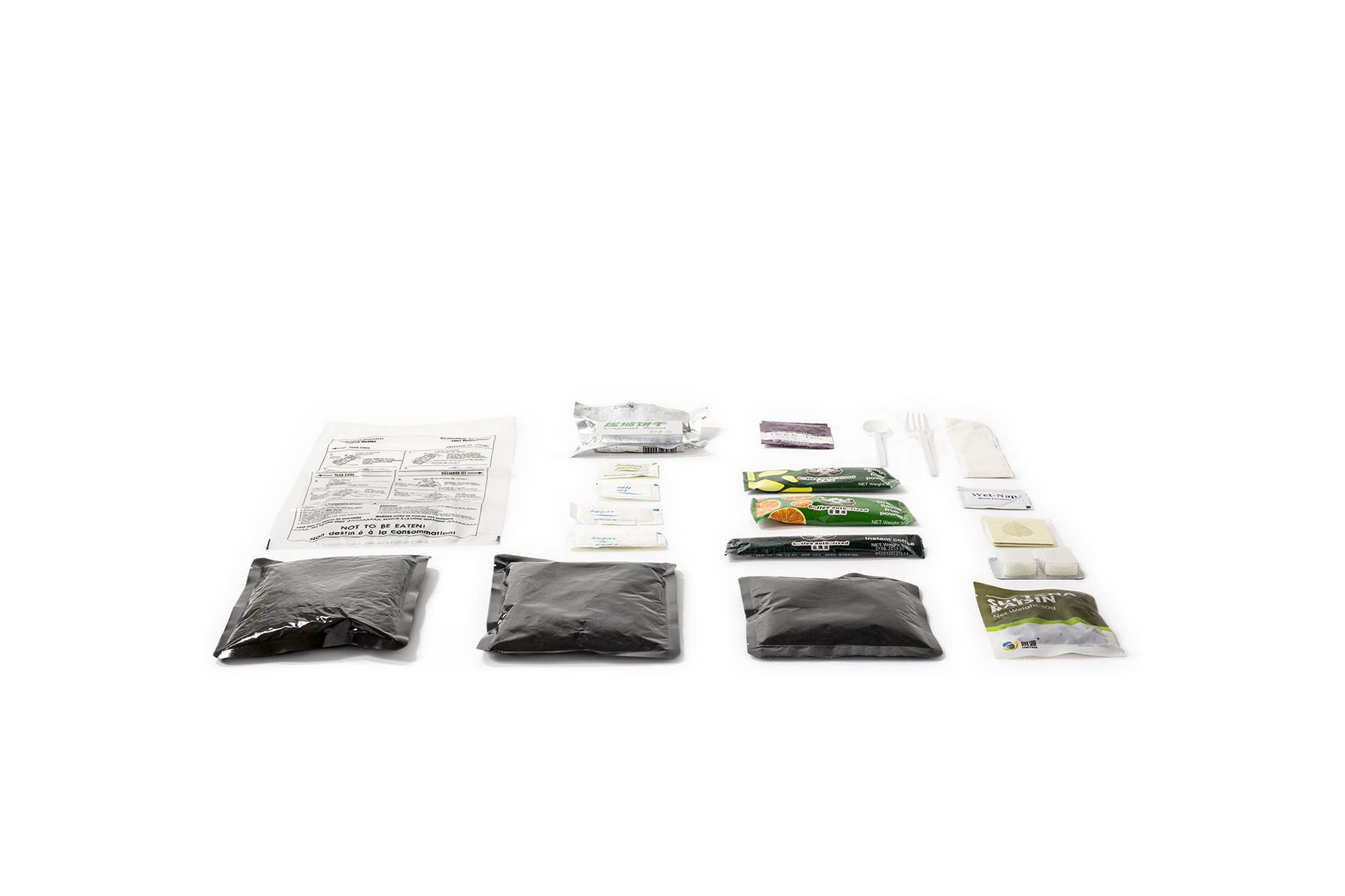
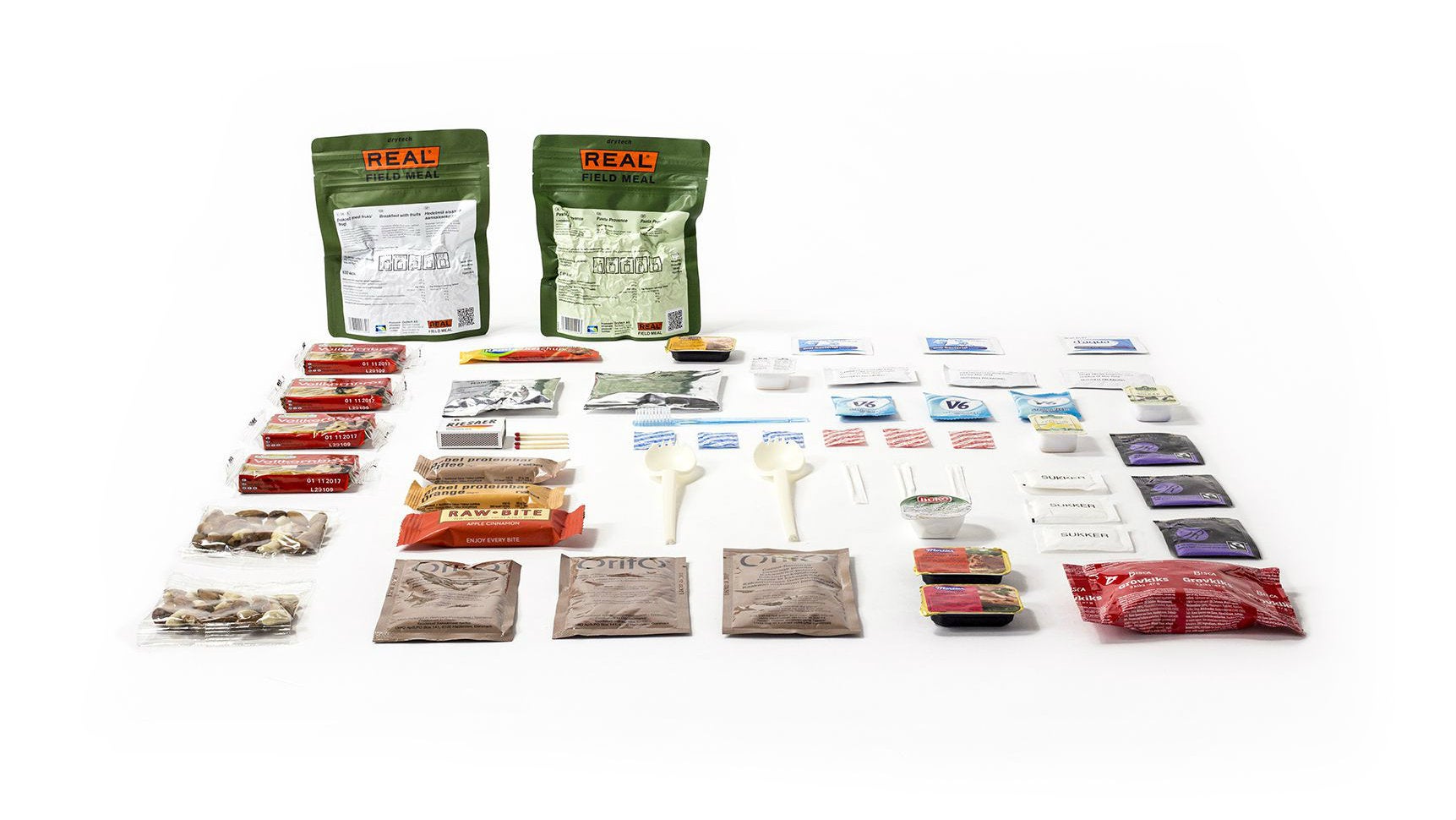
K-rations quickly spread to countries across the world, with each new version reflecting local food culture. In an exhibition entitled Razione K (K-Ration): Meals for Soldiers in Action, Italian industrial designer Giulio Iacchetti offers up all the subtle cultural differences illuminated by these small kits. The show opens from Jan. 22 to Feb. 22 in Milan.
Join 500,000+ readers who start their day with Quartz.
By subscribing, you agree to our Terms of Service and Privacy Policy.
Chocolate, isotonic drinks, muesli, pâté, coffee, chewing gum, and disinfectant wipes were among the common items used by many countries. As for the differences: New Zealand had Thai lamb curry, Thailand had jasmine rice, the UK packed a spork and Tabasco Sauce, and the US had almond-poppy-seed pound cake.