This post has been corrected.
This post has been corrected.
What a year for egg-laying hens!
Following decisions from food giants including McDonald’s and Nestlé, and have been asking for: taking egg-laying hens out of their cages.
Join 500,000+ readers who start their day with Quartz.
By subscribing, you agree to our Terms of Service and Privacy Policy.
“Costco is committed to going cage‐free for its egg procurement,” states the company’s website. “We are working with our suppliers toward a complete and sustainable transition to a cage‐free supply chain.” The superstore chain says that it has already made major strides: In 2006, only 2% of the eggs it sold were cage-free, now 26% are. “In calendar 2016 we expect to sell over one billion cage free eggs,” the statement says.
“The Humane Society of the United States is greatly encouraged by Costco’s decision to become the first mainstream grocery retailer to commit to a cage-free egg supply,” Matthew Prescott, senior food policy director at HSUS, told Quartz.
And while Costco warns that the transition “will take time,” HSUS is unfazed, saying, “We’re confident that Costco will reach that goal quickly.”
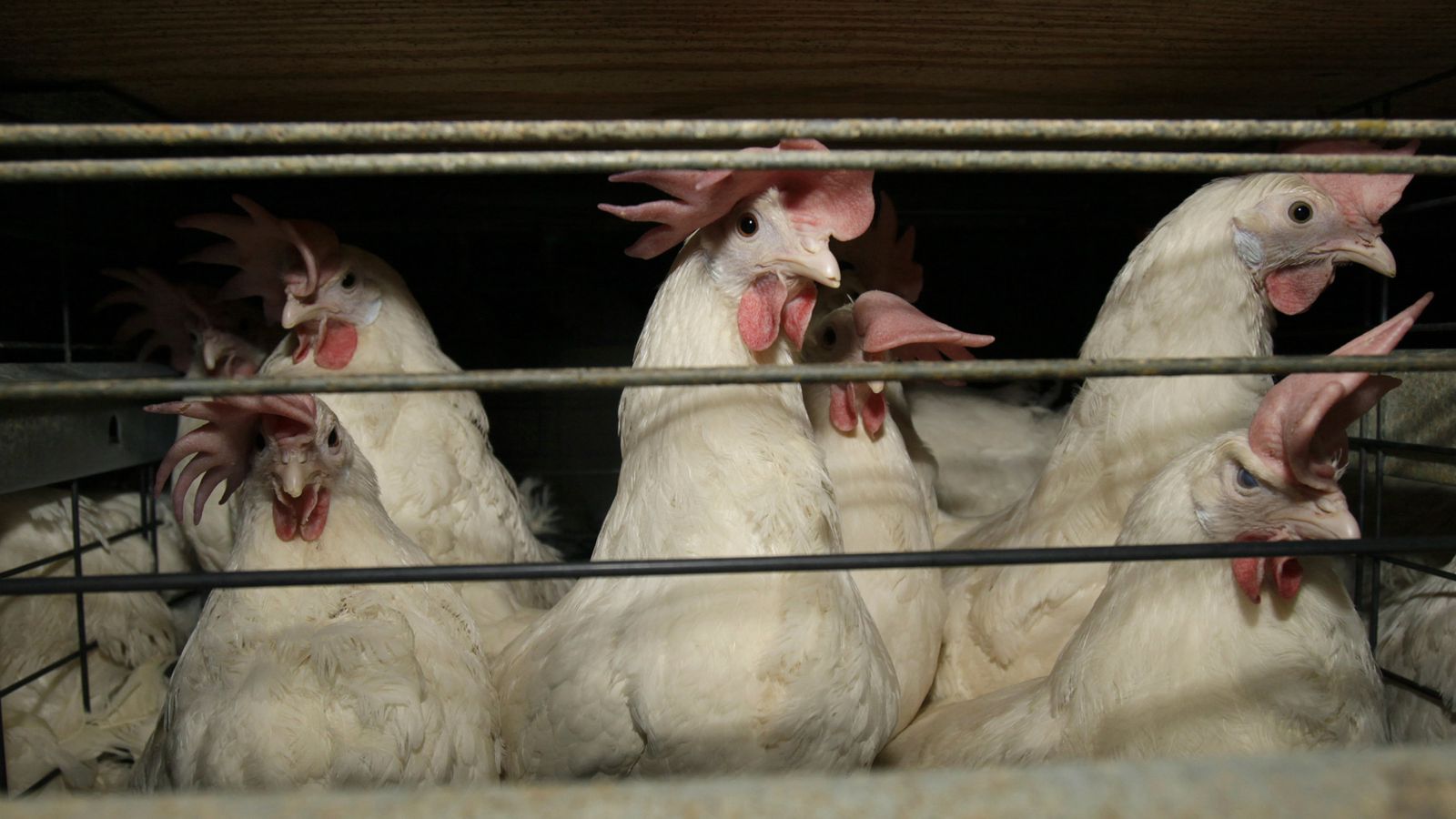
Currently, more than 90% of the US’s 300 million egg-laying hens are kept in battery cages, with only 67 to 86 square inches (170 to 220 sq cm) of usable space for each bird. That’s not even enough space for the birds to stand up and spread their wings. But as major buyers like Costco, McDonald’s and nearly a hundred other restaurant chains and food-service providers demand a cage-free supply chain, those numbers will have to change.
Correction: An earlier version of this post misstated the size of battery cages. They provide 67 to 86 square inches to each bird, not 67 to 86 inches.
