Nokia just spent €170 million ($191 million) on a major move to become a new kind of consumer devices company—based not on the venerable mobile phone business it pioneered, but on wearables and the internet of things. Nokia announced that it acquired the French wearables and IoT company Withings today (Apr. 26) in an all-cash deal.
Nokia just spent €170 million ($191 million) on a major move to become a new kind of consumer devices company—based not on the venerable mobile phone business it pioneered, but on wearables and the internet of things. Nokia announced that it acquired the French wearables and IoT company Withings today (Apr. 26) in an all-cash deal.
Withings makes a Wi-Fi-connected scale, air-quality monitors for the home, and smart watches and baby monitors, among other things ranging from $100 to $450. A Nokia spokesperson said that Nokia would be selling Withings devices directly to consumers.
Join 500,000+ readers who start their day with Quartz.
By subscribing, you agree to our Terms of Service and Privacy Policy.
The company, formed in 2009, will be folded into Nokia Technologies, which is mainly engaged in paper-shuffling, through its patent-licensing activities. The sole nod to Nokia’s long history in consumer devices is the N1 tablet, a $250 Android device that’s targeted at the Chinese market.
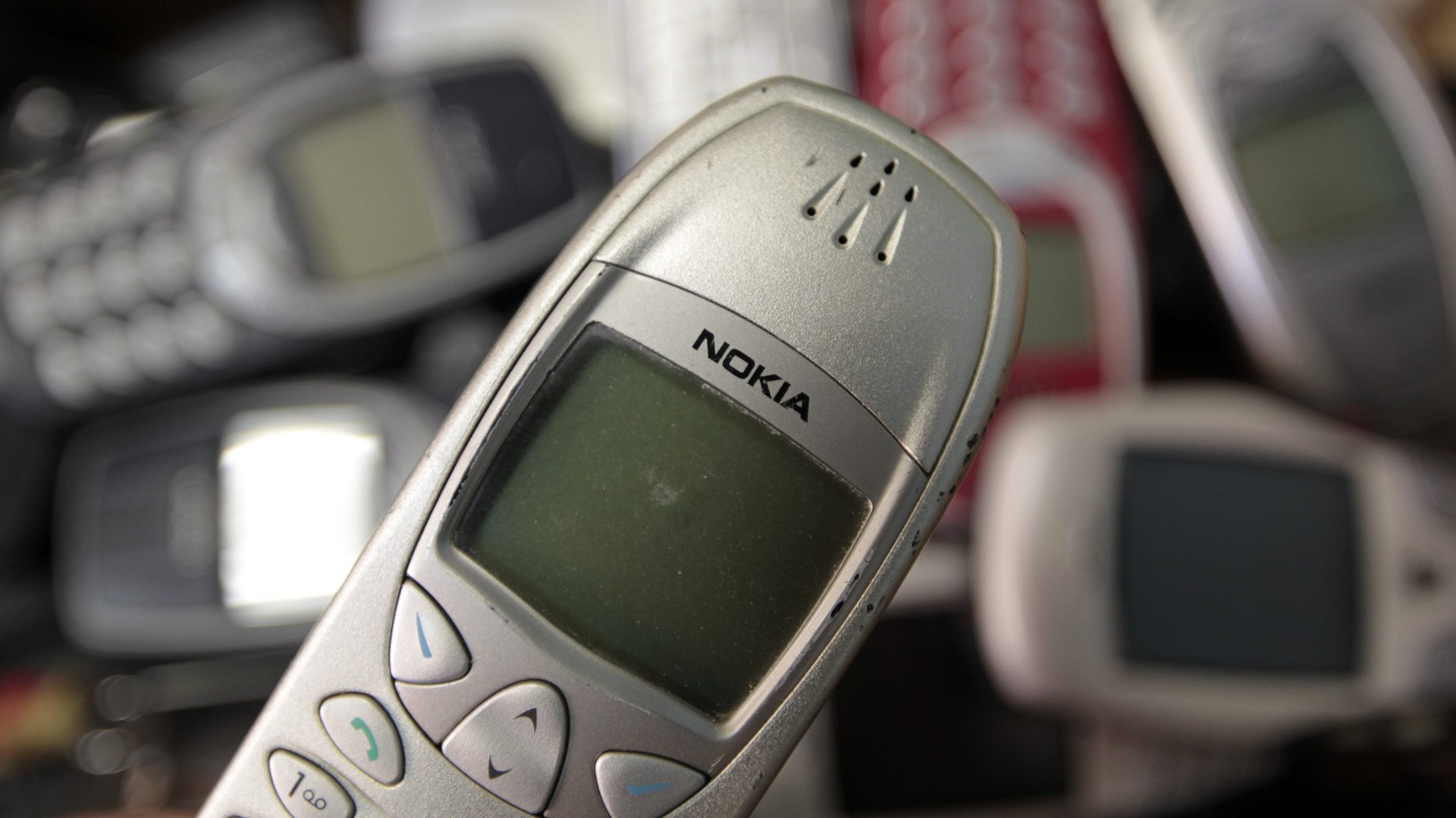
To recap, Nokia sold its mobile phone business to Microsoft $MSFT in 2014. They now exist as the Lumia line of smartphones, running Microsoft software on Nokia hardware. That move hasn’t panned out well for Microsoft, but it freed Nokia to focus on its profitable networking equipment business. It completed a merger with its fellow networking gear provider, Alcatel-Lucent, in January, giving it greater stability, despite few prospects for growth.
That’s where the Withings deal comes in. The IoT startup gives Nokia a suite of products with which to re-enter the consumer market, in what it hopes is a period of explosive growth in the IoT segment. The research firm IDC forecasted that the market for IoT services and devices would triple from around $650 million in 2014 to $1.7 trillion in 2020.
Withings also holds out the prospect of lucrative enterprise sales of consumer devices. It already sells bundles of its devices to companies such as Novartis and SAP. Nokia could probably use more products for its enterprise sales pipeline—it just announced a deal to supply Disney $DIS with its $60,000-a-pop OZO cameras that capture footage for virtual-reality headsets.
Nokia is now primed for a splashy re-entry into consumer markets, riding a wave of internet of things devices. But the company has misread consumer trends before–that’s partly why it’s no longer making its famous phones–and there are signs that the internet of things might be more hype than substance. Alphabet $GOOGL’s IoT unit Nest Labs is struggling to grow, shut down one of its home-automation products, and is beset with infighting. Nokia will have to hope that it can run an IoT business better than Google has.
