It’s a perfect storm of Silicon Valley buzzwords: Get your hustle on by pitching Andreessen Horowitz’s big-name partners using bitcoin, and create the future of money while you’re at it.
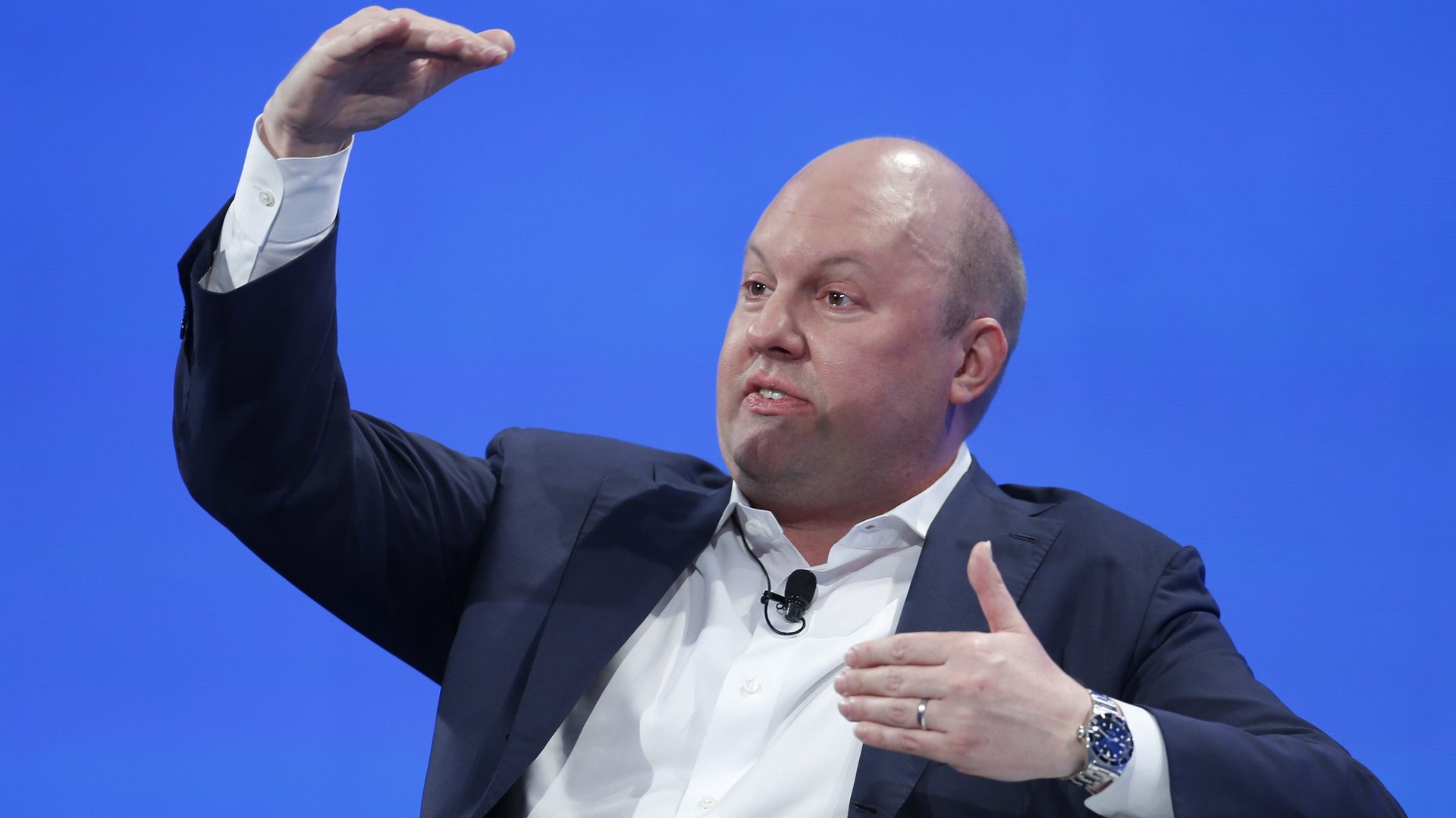
It’s a perfect storm of Silicon Valley buzzwords: Get your hustle on by pitching Andreessen Horowitz’s big-name partners using bitcoin, and create the future of money while you’re at it.
That’s the offer from the bitcoin startup 21, founded by Andreessen Horowitz partner Balaji Srinivasan.
Srinivasan, at one time tipped to , wrote about the rationale for the company’s “21 Lists” feature : “Almost every business eventually involves building lists of prospects and then contacting them,” he wrote. “Enterprise sales, recruiting, and fundraising are three activities in particular that fit this description. Corporations spend huge amounts of time and money in this broad area, but the whole process is still highly inefficient.”
Join 500,000+ readers who start their day with Quartz.
By subscribing, you agree to our Terms of Service and Privacy Policy.
Enter 21, which offers users a selection of carefully selected lists, including ones populated with venture capitalists, CEOs, angel investors, and tech founders. Each person on the lists has a verified account on 21, and they’ve opted to receive emails—and can send them, also.
Here are a selection of 21’s prices per list:
Users can email everyone on a list for one price, and they only pay if they get a response. Those receiving money can choose to keep the bitcoins or automatically donate them to one of three charities.
21’s pay-for-emails feature is the bitcoin version of LinkedIn’s InMail, which lets users of that social network pay to contact strangers. LinkedIn doesn’t report how much it makes from InMail, but users have to pay for a premium account in order to send one. LinkedIn reported $532 million in revenue (pdf) from premium subscriptions in 2015.
21’s current focus on paid emails is a significant departure from its original, somewhat fantastical, vision of embedding bitcoin mining chips in everyday electronic appliances. If 21’s change of strategy is any indication, the future of finance looks a lot like the corporate hobnobbing of the present.
