The fascinating space adventures of Elon Musk and Jeff Bezos are essential viewing for anyone seeking to understand the future of business and industry here on Earth.
The fascinating space adventures of Elon Musk and Jeff Bezos are essential viewing for anyone seeking to understand the future of business and industry here on Earth.
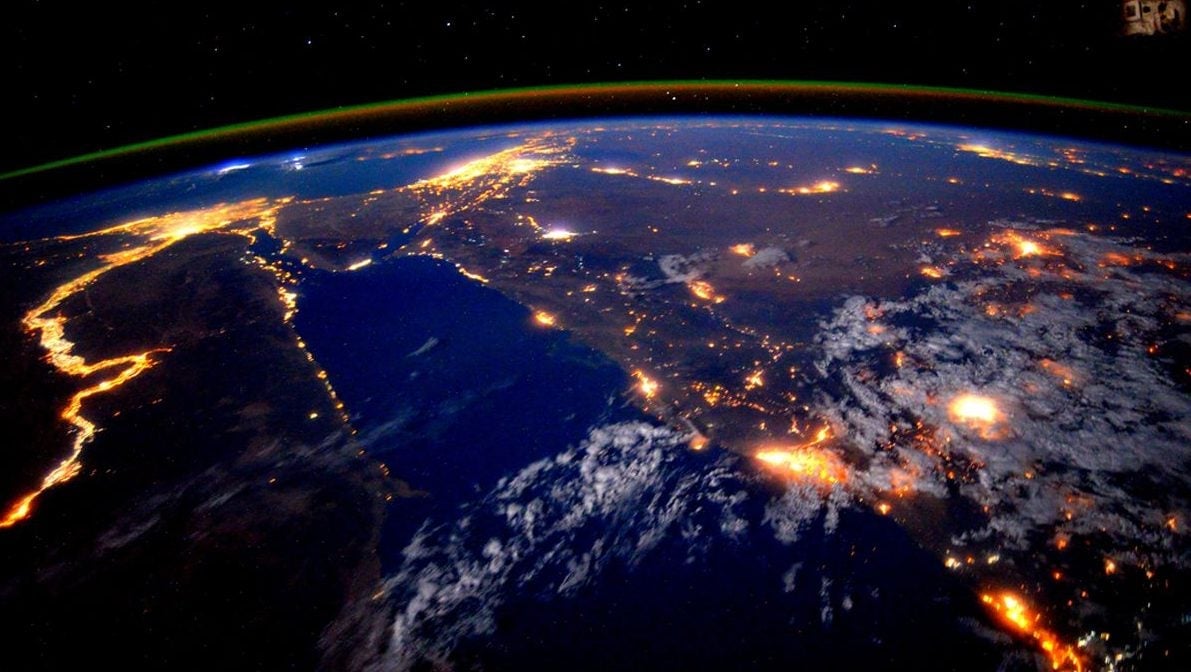
Rockets and space are increasingly important to Africa, where more countries have been partnering to launch or are launching their own satellites. Still, discussions here remain more prosaic than determining how soon we’ll be colonizing Mars or sending industrial operations to the moon.
Join 500,000+ readers who start their day with Quartz.
By subscribing, you agree to our Terms of Service and Privacy Policy.
The satellites launched by the likes of SpaceX are smaller than ever before. Powerful nano-satellites, the size of soccer balls, are able to deliver detailed imagery and information about a chosen territory from space. These advances in technology and cheaper launch vehicles mean more developing countries can use satellites to collect troves of valuable data.
While there has been some focus on security and communications, the more pressing needs are in agriculture, food security and countering climate change. Scientists have repeatedly pointed out Africa is “extremely vulnerable” to the impact of climate change compared with other continents. Even though it produces the smallest global share of greenhouse gases, Africa is experiencing droughts, heatwaves, floods, and rising sea levels more frequently. It’s worth pointing out that, especially in rural communities, security and communications challenges are linked to environmental problems.
More African governments and institutions are supporting initiatives to retrieve satellite data. The African Union’s science and technology department is partnering with the European Commission’s Copernicus program so African scientists and institutions can receive satellite data for free. Copernicus, which generates a mind-boggling 12 terabytes of Earth-observation data daily, is considered the world’s third largest satellite data provider and offers photographs of sea topography, land temperature, vegetation changes, and weather patterns.
“Satellite data can be used to guide sustainable development in Africa to tackle some of the challenges that continue to affect the continent, including declining soil health, climate change and invasive insect pests such as the fall armyworm”, says Esther Ngumbi, an entomologist and senior fellow at the World Policy Institute.
Arguably, many African governments have been late to the satellite data game. Former Wall Street commodities trader, Sara Menker founded Gro Intelligence, which collects and analyzes data to provide governments and businesses with insights into the global agriculture industry. As the 2015 Quartz Africa Innovator honoree said in her TED talk last year on growing concerns about global food security: “The most critical tools for success in the industry—data and knowledge—are becoming cheaper by the day. We have the solution. We just need to act on it.”
Last month, an initiative called SAT4Farm launched in Ghana to use digital technology and satellite imagery to create individual farm development plans that farmers can access from their mobile phones. The idea is to use the data to offer guidance on climate adaptation.
“Big data will continue to revolutionize agriculture now and into the future,” says Ngumbi.
