

Business News
Interactive: What makes us invest? Listen to stories from investors like you
Updated July 21, 20222 min read

The end of the year is here. For many of us, it’s a time synonymous with holidays, cozy weather, anticipation and celebration. For others, it’s a time to think through how their income, deductions, contributions and investments are adding up. It’s time to think about taxes.

The savings account has been a building block of our lending system since the Great Depression reforms of the 1930s. The Banking Act of 1933 federally guaranteed cash deposits and made them easily accessible.
The savings account has been a building block of our lending system since the Great Depression reforms of the 1930s. The Banking Act of 1933 federally guaranteed cash deposits and made them easily accessible.

Global diversification—the idea of spreading your risks and returns across domestic and international markets—is a basic principle of investing. But while many investors have signed on to the idea of diversifying their stocks, their bond portfolios are often highly concentrated in the U.S.1
As part of the 2016 China-US Tourism Year, China has launched a series of events and resources to help foreign travelers experience China’s rich cultural heritage and spectacular natural landscapes. To plan your trip, visit www.travelchina.gov.cn.
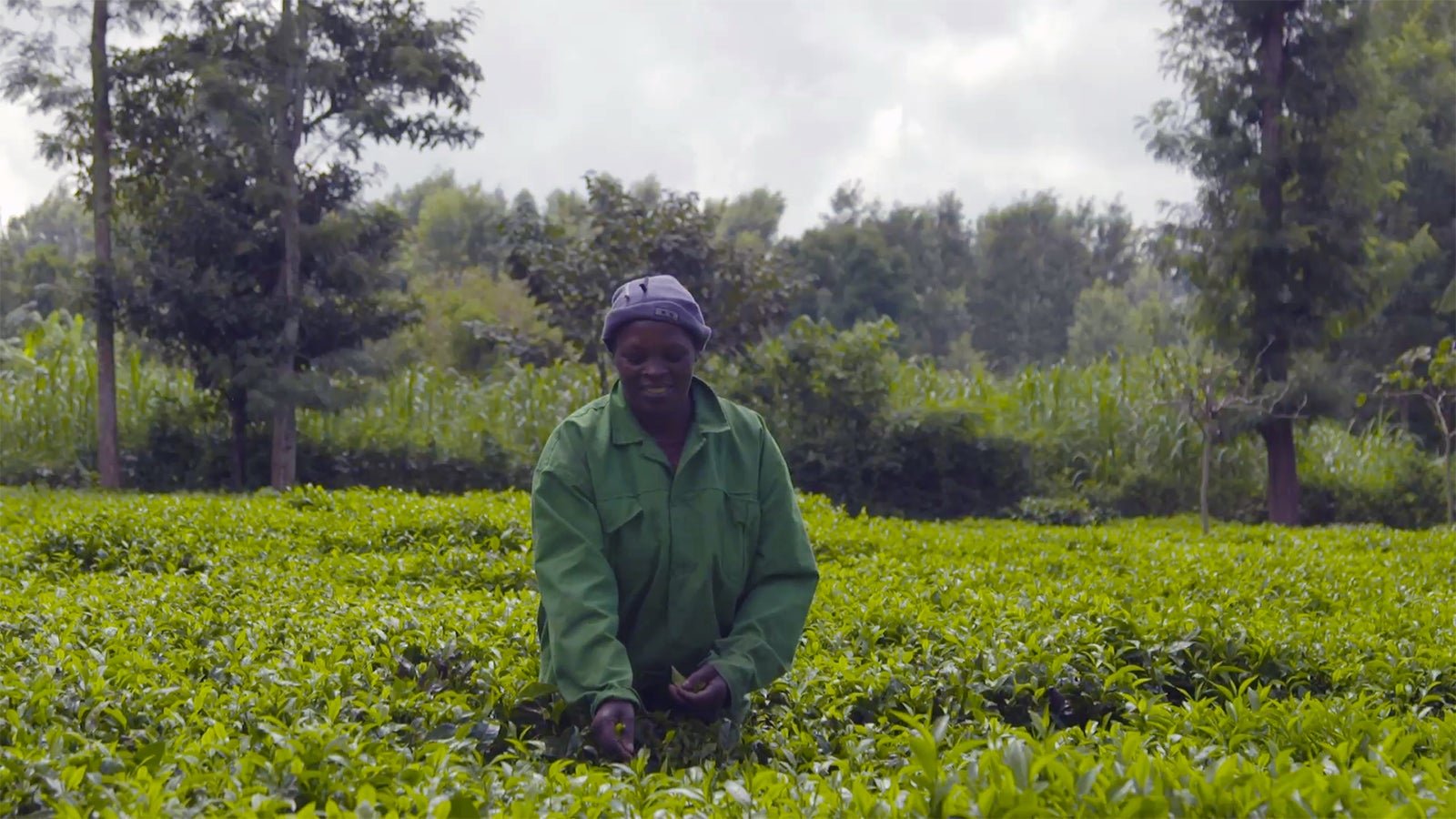
Nairobi, the capital of Kenya, has a nickname: “Silicon Savannah.” The origins of the moniker go back to 2007, when the Kenyan telecom company Safaricom launched M-Pesa, the mobile payments system that preceded both Square and Apple Pay. Kenyans were fast to adopt M-Pesa; by 2013 it had 17 million users in its home country, and important voices were saying that “paying for a taxi ride using your mobile phone is easier in Nairobi than it is in New York.” Shortly after M-Pesa’s arrival, four technologists launched Ushahidi, a platform that let users digitally map and report violent outbreaks happening during the election crisis. It was one of Africa’s first apps.

The sidewalks fill quickly, the buses quicker still. A thick mass of cars and mopeds surge forward when the traffic lights turn. Bengaluru is, unmistakably, a city on the go. For a fast-growing slice of society here and throughout India, a mobile phone is now a must—it’s an engine of opportunity that comes in travel size.
Sustaining improved health outcomes requires a sustainably financed healthcare system. A country must build a reliable funding mechanism—a stable taxpayer base is usually desirable—and maintain the public’s commitment to underwriting that stream. While this is challenging enough in democracies with advanced economies, it is particularly challenging in lower-income, developing nations where budget deficits can constrict long-term fiscal plans.

The stock market’s wild ride over the last couple of months may have introduced a measure of uncertainty into the investment outlook for some sectors of the global economy. However, US housing was not one of them.

U.S. large-cap stocks sit at the core of many investors’ portfolios, thanks to a history of positive long-term performance. But if you look at the mutual fund industry as a whole, you might think that finding funds that match or beat the performance of the broad market has been a challenge, particularly in the parts of the market that are regarded as the most efficient, including U.S. large-cap stock funds. However, new Fidelity research suggests that doing better than average may not be as hard as some believe.
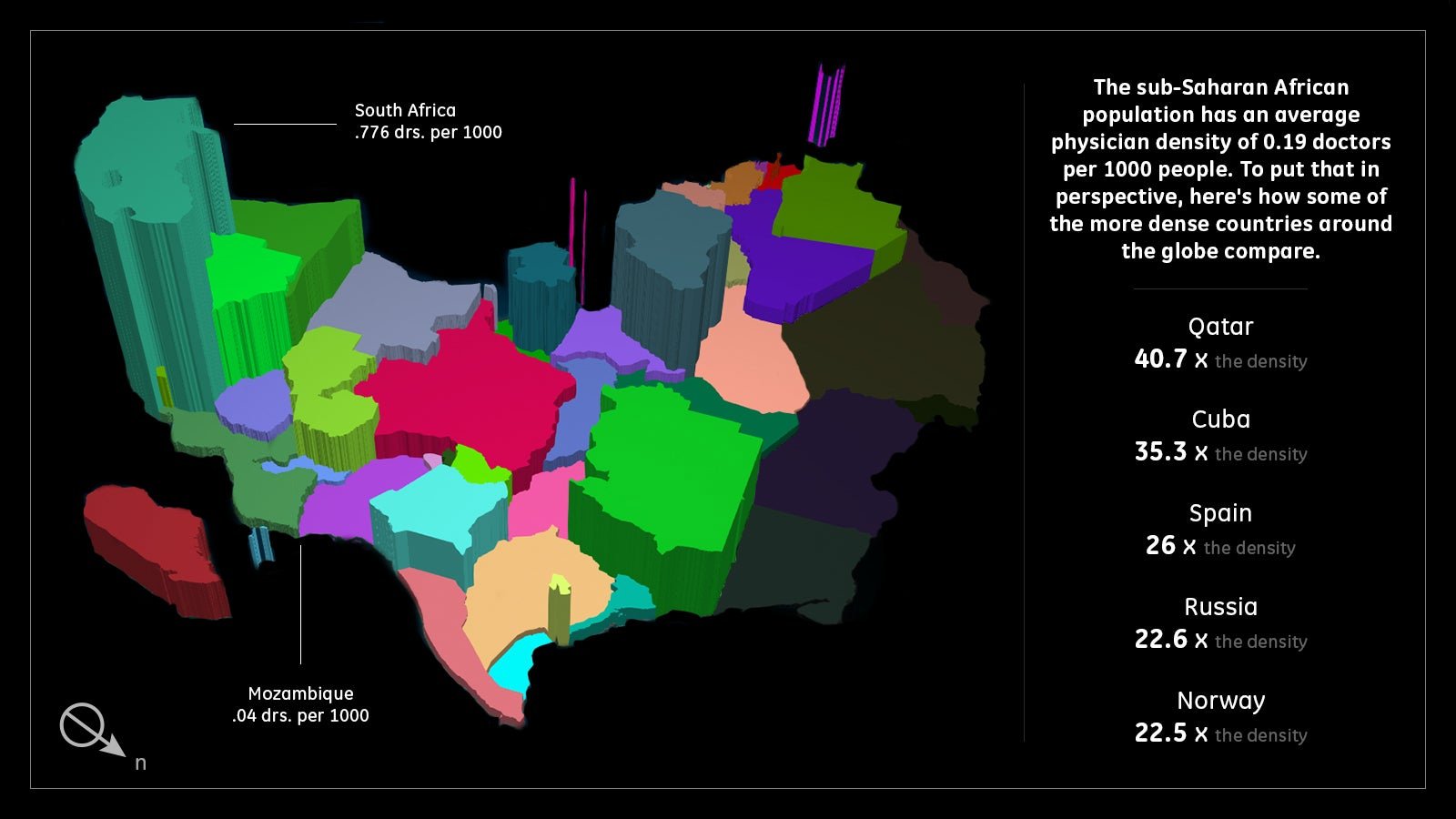
In 2013, sub-Saharan Africa had a deficit of an estimated 1.8 million health workers, according to a WHO report—this deficit is projected to rise to 4.3 million by 2035. There are a number of reasons for the shortfall, including a lack of funding for education and training, international migration and career changes among health workers, illness, premature retirement, and even premature deaths.
In 2013, sub-Saharan Africa had a deficit of an estimated 1.8 million health workers, according to a WHO report—this deficit is projected to rise to 4.3 million by 2035. There are a number of reasons for the shortfall, including a lack of funding for education and training, international migration and career changes among health workers, illness, premature retirement, and even premature deaths.

At a time when population growth is slowing across the globe, sub-Saharan Africa’s (SSA) population will more than double to two billion by 2050. The vast majority of this population will be young: In 10 years, the region will be home to around a quarter of the global population aged 24 and younger.

Let’s start with restating the essential point: The tailwind to asset classes from ever-lower interest rates is largely behind us. Over the past several years, lower risk-free rates from aggressive central bank policies accompanied by dropping inflation created a “denominator effect” by pushing discount rates lower, which in turn led to higher valuations of assets. The discount rate applicable to future cash flows, regardless of the asset class, starts with the real “risk-free rate.”

Everyone has heard the hype about bitcoin, but the real promise of the technology behind cryptocurrencies is smart contract management—that is, legally binding agreements that execute themselves through software.

Americans experience a certain magic every time they step into a supermarket. We eat fresh food year-round. Avocados, tomatoes, and summer squash are available in winter. Bananas, raspberries, and blueberries shipped thousands of miles from tropical countries arrive on shelves on the cusp of ripening. Even finicky and highly perishable lettuce sits on display as if freshly picked, though it was harvested weeks before, then shrink-wrapped and cooled while it was still in the field.
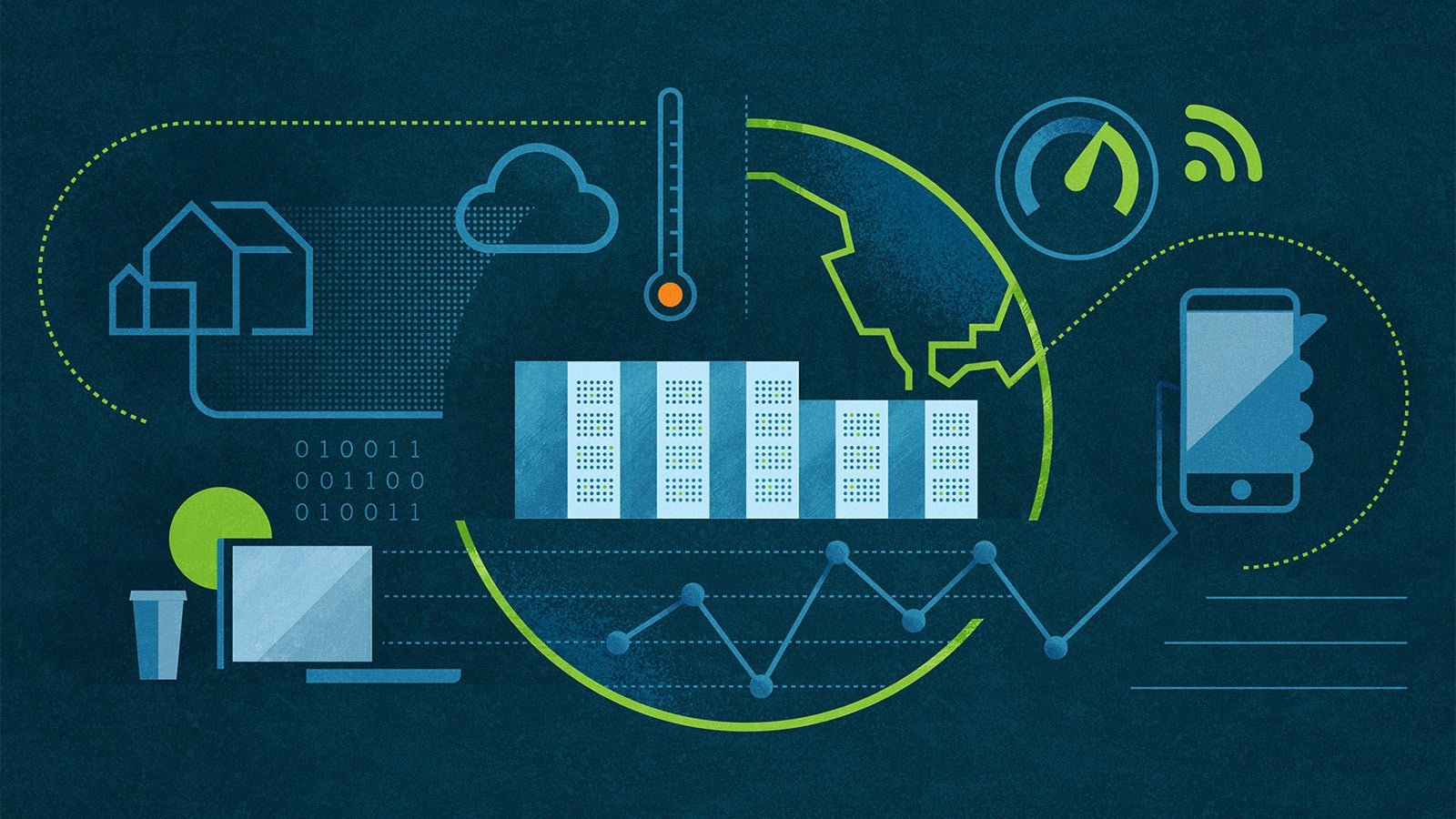
The defining feature of the 21st century is connectivity. From commerce and innovation to transportation and personal usage, we live much of our lives online, streaming Netflix on our tablets and scrolling through our Twitter feeds in line at Starbucks. We shop for groceries on FreshDirect, call Uber for a ride, make reservations on OpenTable, and pay for more and more of all that we do with apps like Square and Apple Pay.

Oil and gas exploration has always moved at the speed of the equipment—glacially. Productive job sites quickly get clogged with fleets of massive trucks, cranes, and rotary diggers, forcing site planners to observe the area by helicopter just to direct traffic.
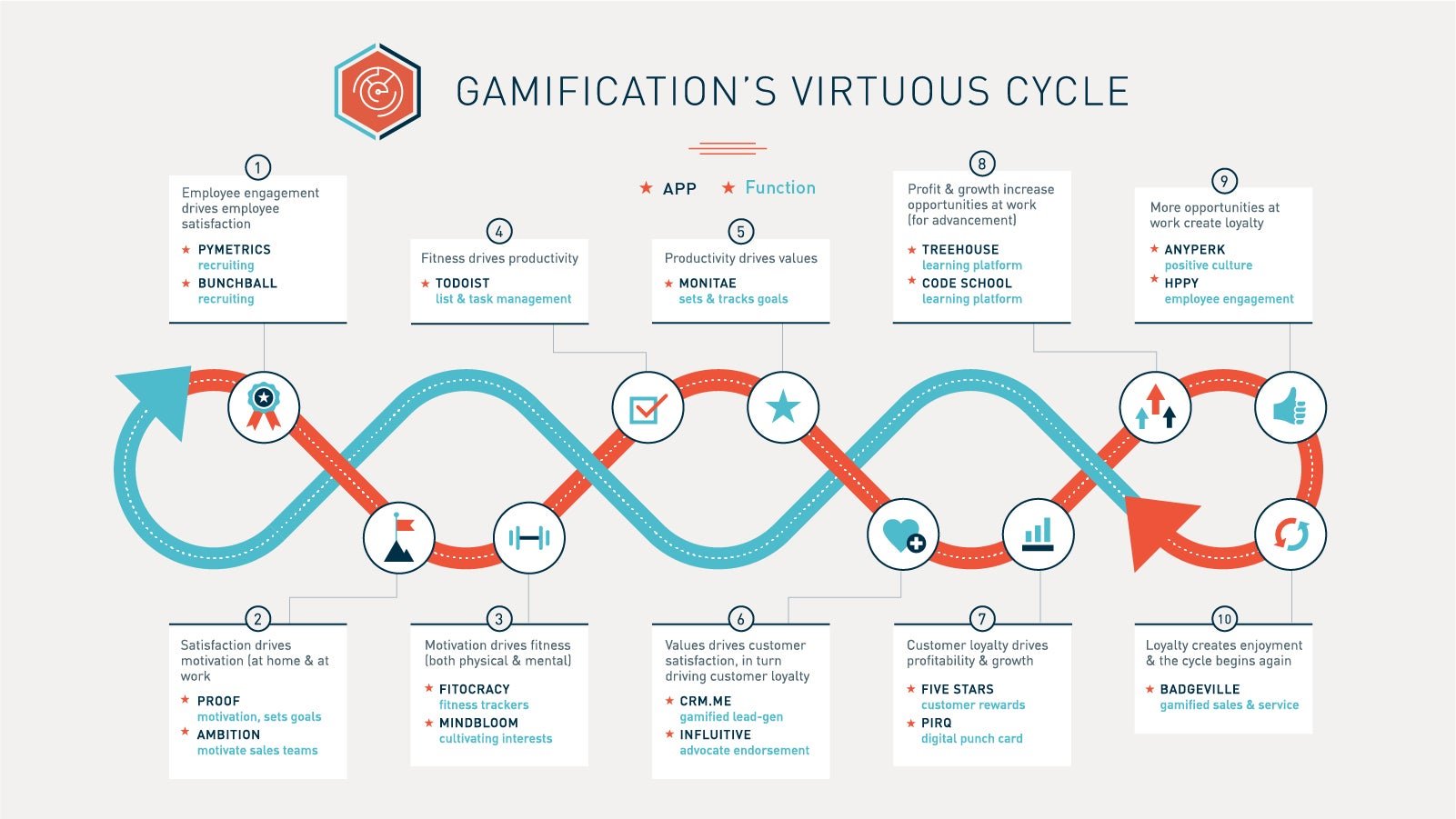
(See the infographic enlarged.)

It’s no secret that businesses across the globe are embracing today’s untethered digital technology to attract and retain the best talent, as well as streamline and grow their organization.

This article is part of an ongoing BULLETIN series exploring GE’s innovation, technology, and manufacturing initiatives in India.

Over the next three to five years, PIMCO expects the global economy will continue along a New Neutral path in which major economies tend to drift along at modest growth rates. At our annual Secular Forum this year, our global investment professionals rigorously debated the longer-term, or secular, outlook for the global economy and markets, and the broad conclusions we reached are detailed in “The New Neutral Revisited.” Mihir Worah, Chief Investment Officer Real Return and Asset Allocation, drills down on the firm’s views on the future of inflation and the role of commodities in inflation and growth estimates.