If you’ve ever found yourself in your local grocery store wondering what the difference is between “sell by,” “best by,” “expires by,” or “use by” food labels, you’re not alone.

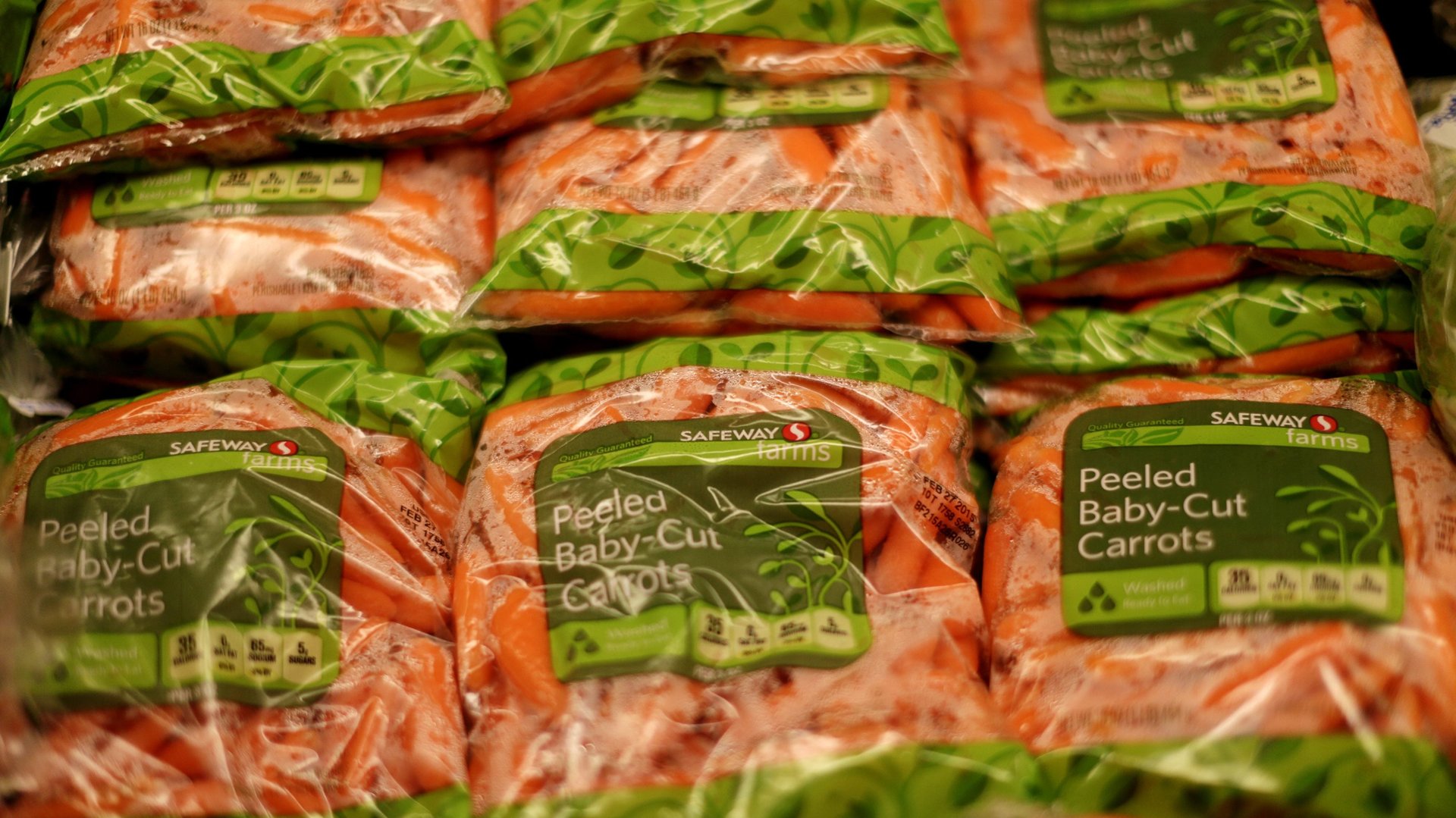
If you’ve ever found yourself in your local grocery store wondering what the difference is between “sell by,” “best by,” “expires by,” or “use by” food labels, you’re not alone.

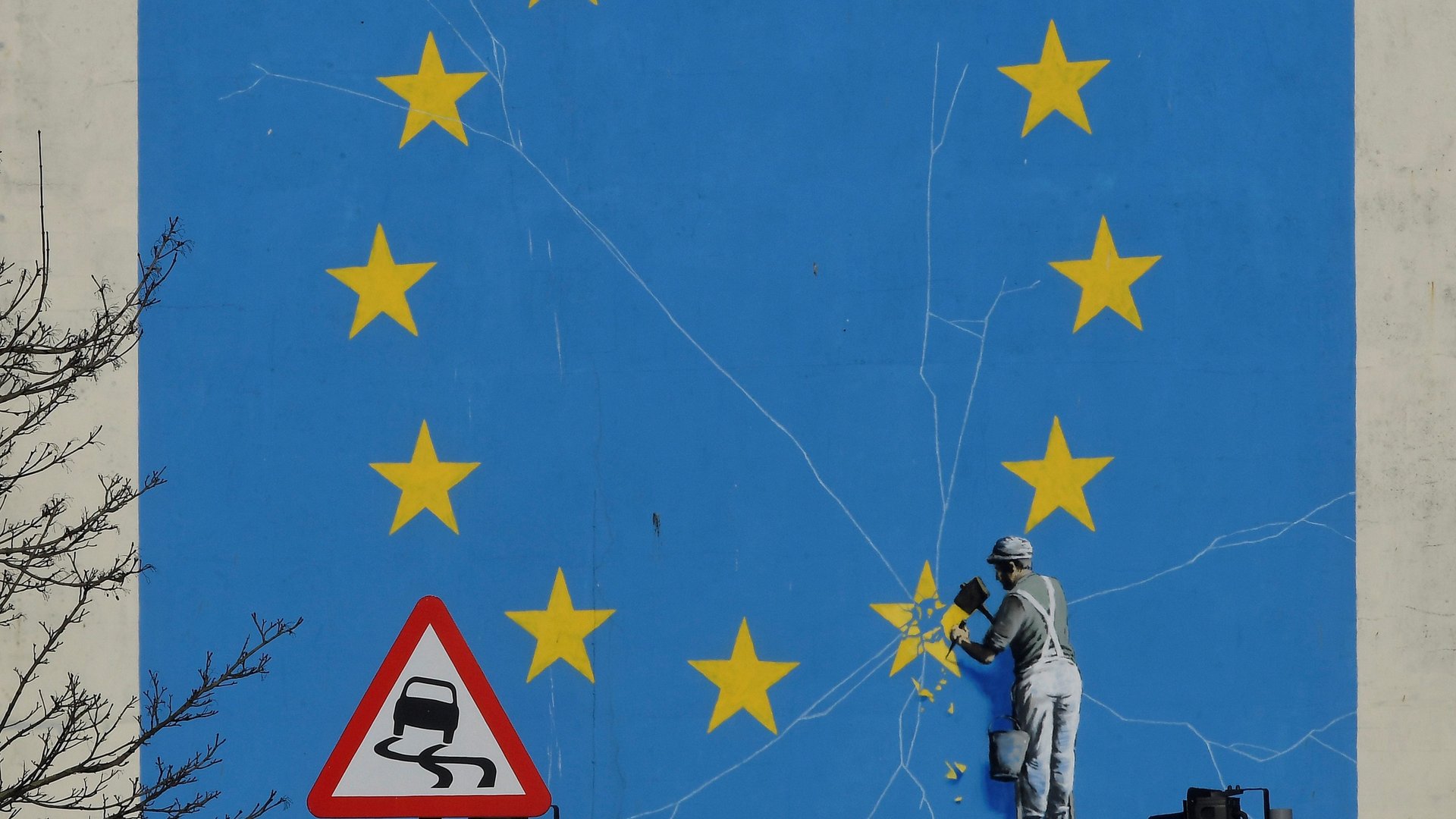
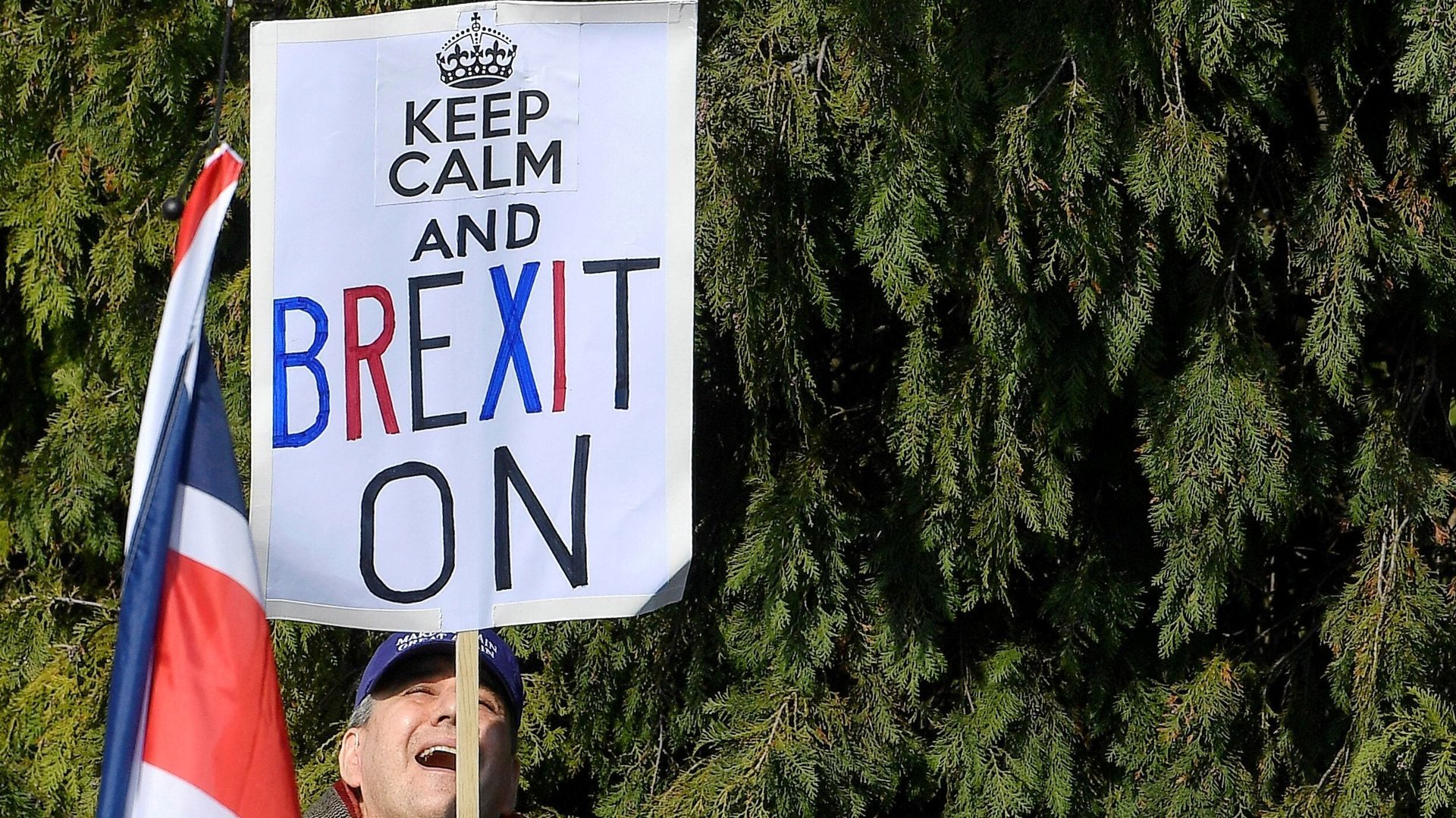
The UK has had a volatile, confusing time since voting to depart the European Union in 2016. According to some estimates, the economy is 3% smaller than it would have been if the vote went the other way. And even though the political and legislative process has been consumed by nothing but Brexit since the referendum, nobody knows what will happen next.

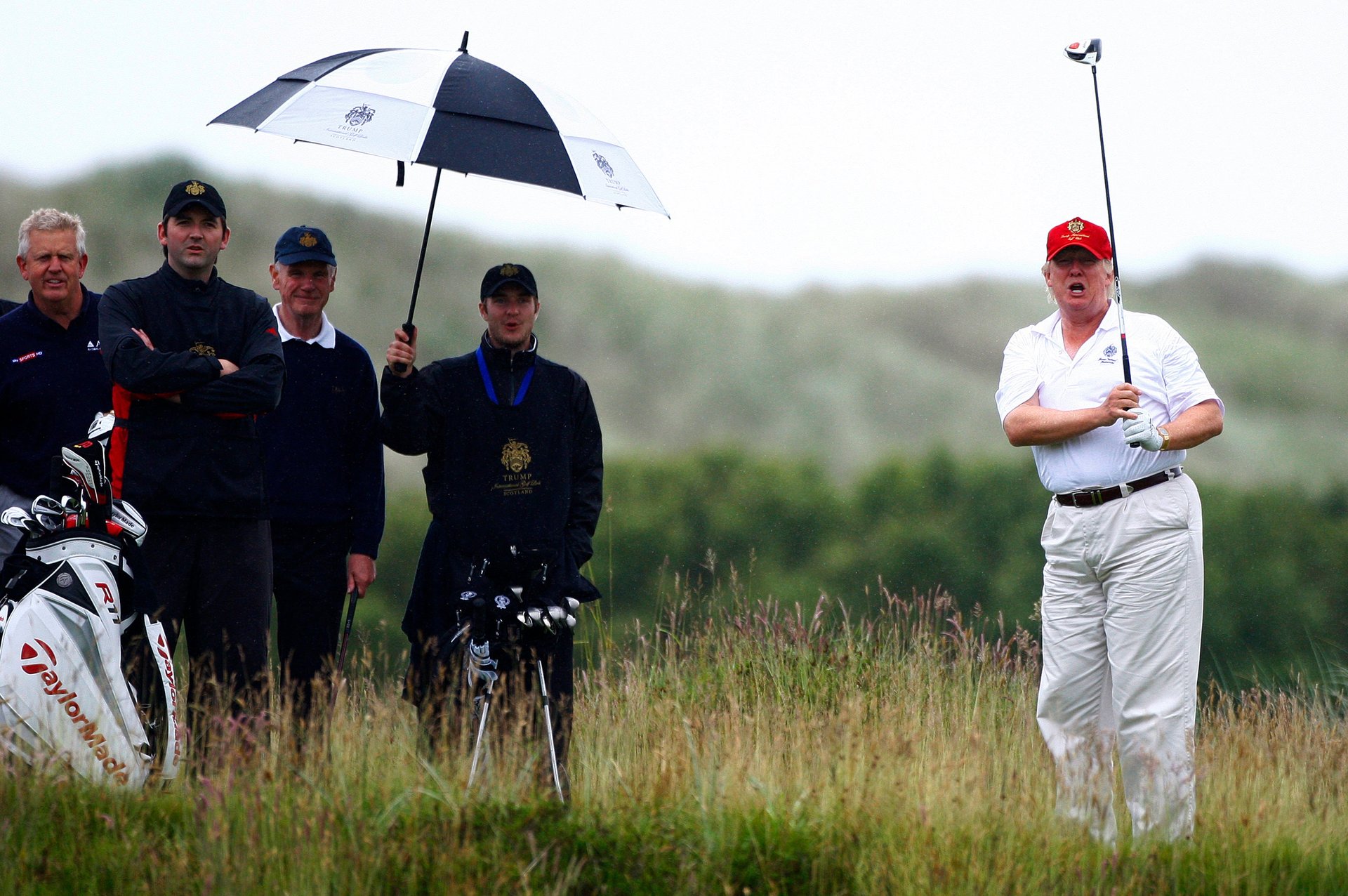
Following a three-day state visit to the UK, Donald Trump is scheduled to touch down in Ireland this afternoon on his first visit to the country as US president. He will land at Shannon Airport, some 140 miles from the capital Dublin, and protesters will be ready to greet him at a “peace camp” outside the premises.

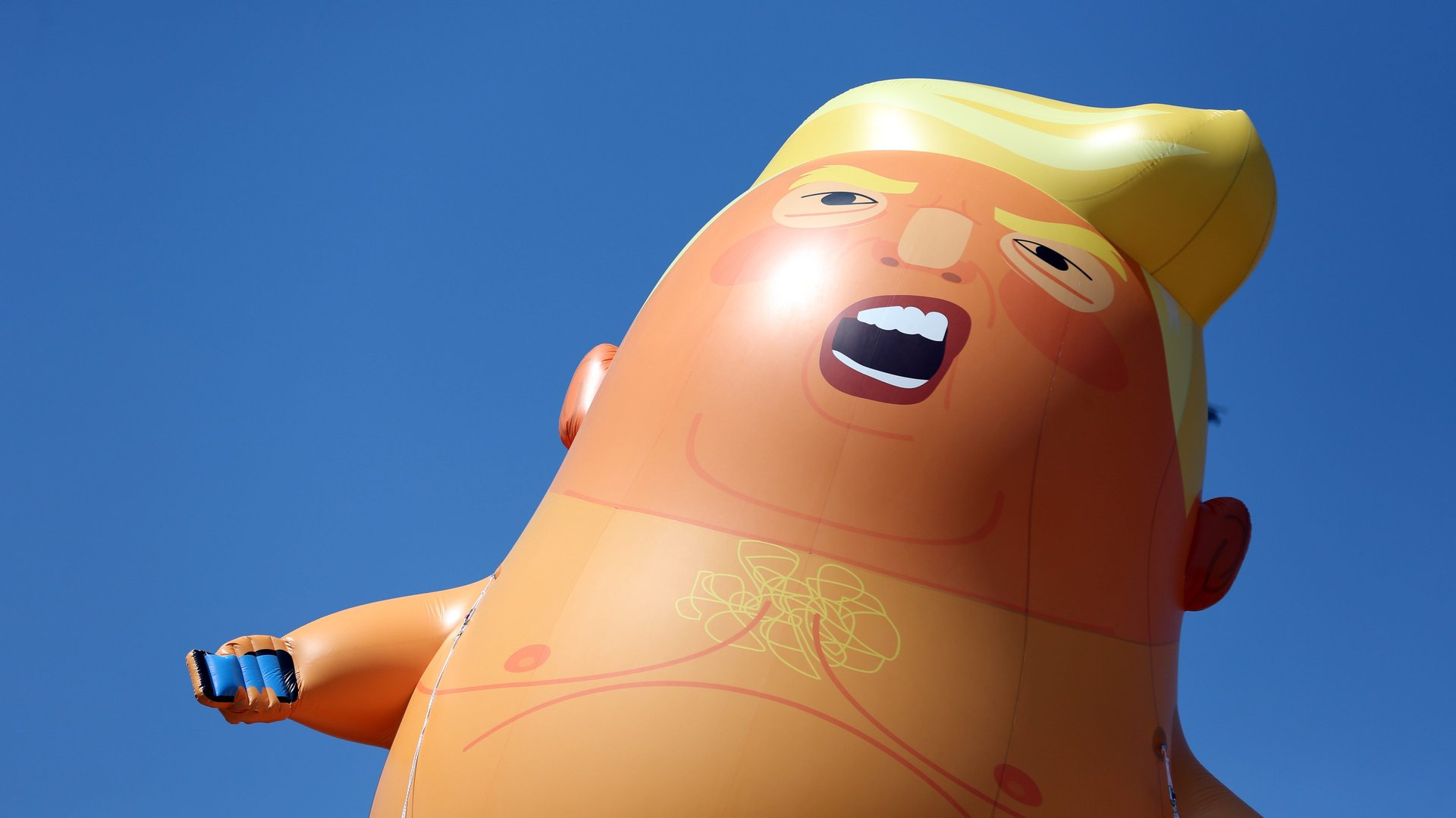
The Donald Trump baby blimp will soar over London skies once again.

The long running trade war between the US and China has spooked global markets and provided much fodder for the broadcast media of both countries. This week, it was also the topic of a much-anticipated debate between Fox Business Network host Trish Regan and TV anchor Liu Xin of the China Global Television Network (CGTN). The discussion, which pitted the right-leaning network, a favorite of president Trump, against the international arm of China’s state-run broadcaster, CCTV, ultimately proved disappointing.

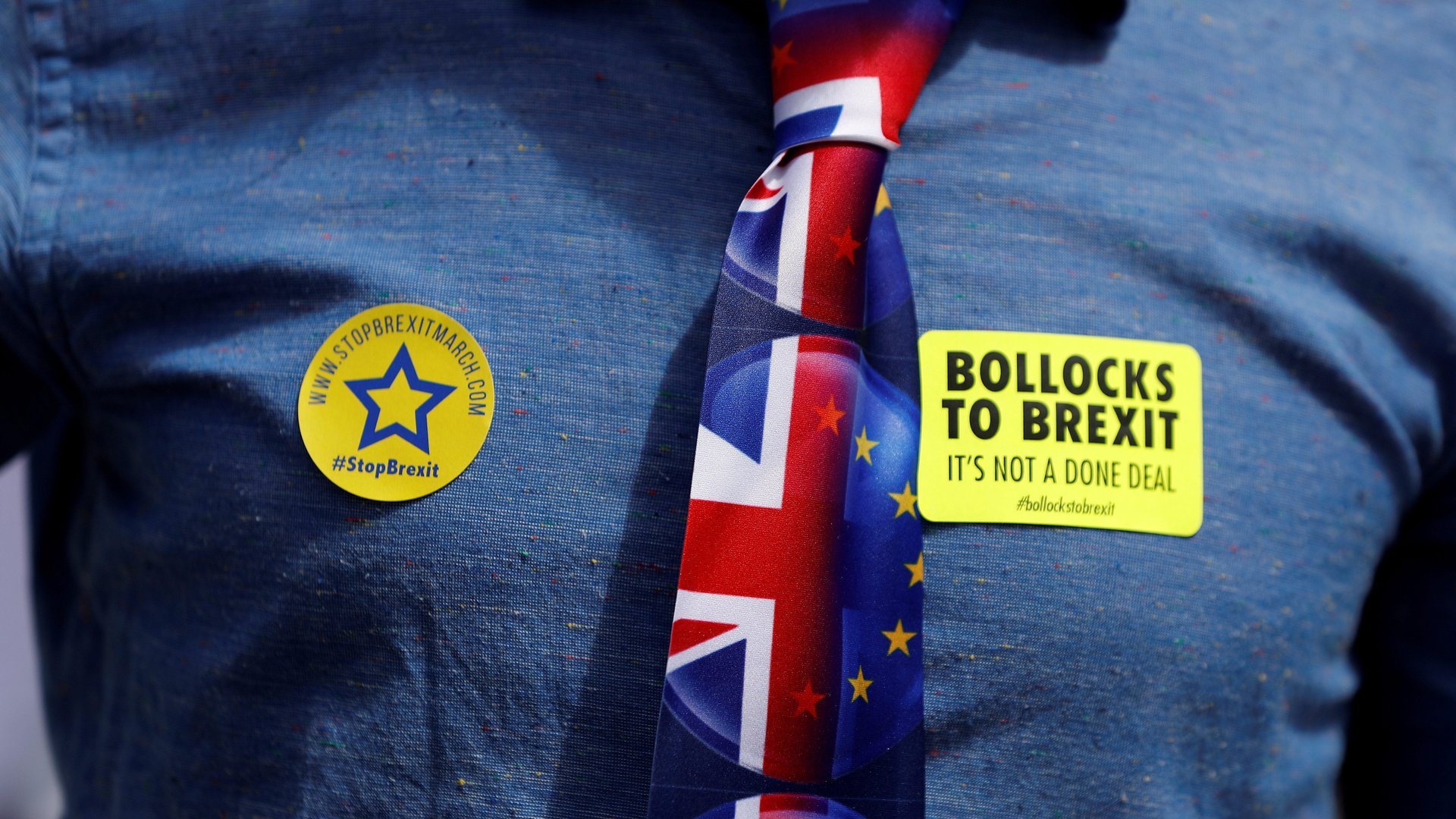
A small UK political party is benefitting from anchoring its campaign around a big, brash British word: “bollocks.”

Voters in the EU’s 28 member states, covering 512 million people, head to the polls this week to elect 751 MEPs in the ninth European Parliament. The turnout for parliamentary elections has declined in each consecutive election cycle, from a high of about 62% in 1979 to 43% in the last vote in 2014.

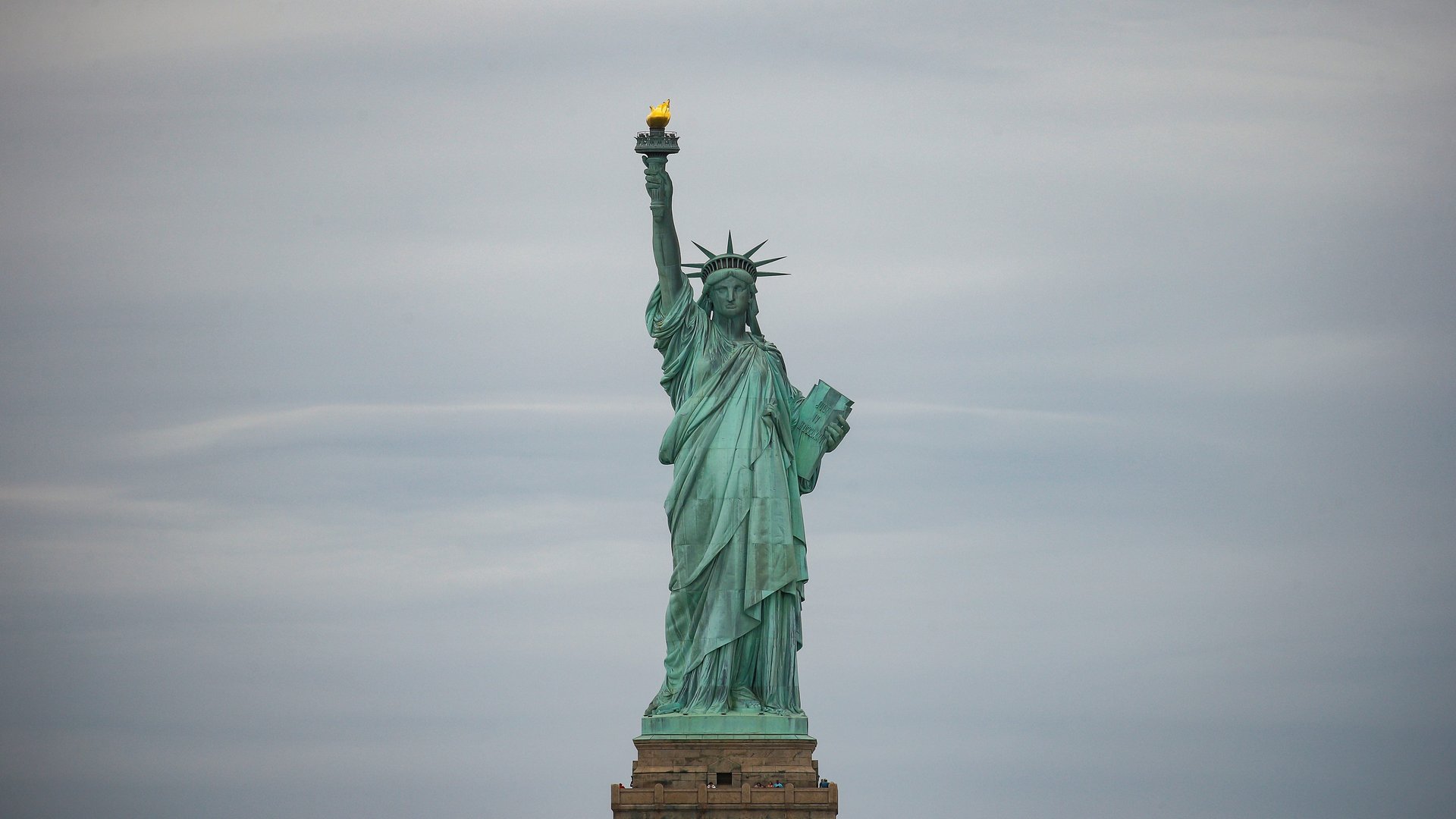
The Statue of Liberty Museum opens today, and it’s being billed as the most significant change to Liberty Island since the 151-ft (46-m) copper statue was first unveiled in 1886. Yesterday, a star-studded list (paywall) featuring Oprah, Jeff Bezos, Hillary Clinton, and more turned up for the glitzy opening ceremony.

The US Social Security Administration has released the 10 most common newborn names for boys and girls. And what it shows is that Americans are still playing it pretty safe.

Japan’s new emperor, Naruhito, formally ascended the Chrysanthemum Throne today. His 85-year-old father, Akihito, yesterday became the first leader in two centuries to step down, citing ill health. He is now Emperor Emeritus.

The consumption and sale of cannabis was legalized in Canada, the first rich country to do so, in October. But a little more than six months after the historic step, the black market isn’t just alive—it’s also well, and towering over the legal stuff.

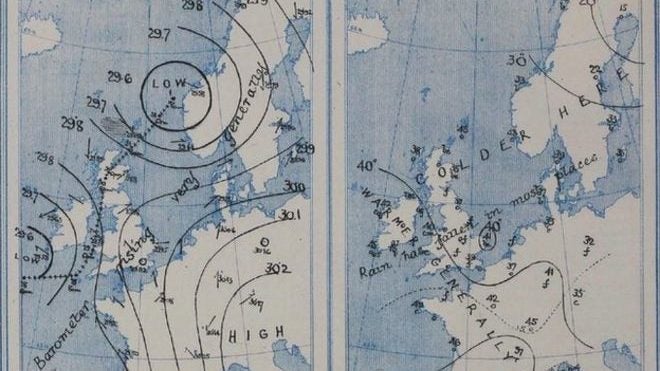
Scientists have amply documented that climate change is a global phenomenon, caused by human activity. But there is still much to learn about how this affects weather patterns at a more local level. One group of scientists in the UK has turned to crowdsourcing to construct a historical record of local weather conditions starting in the 1860s, which could help better understand the impact that climate change will have on specific places in the future.

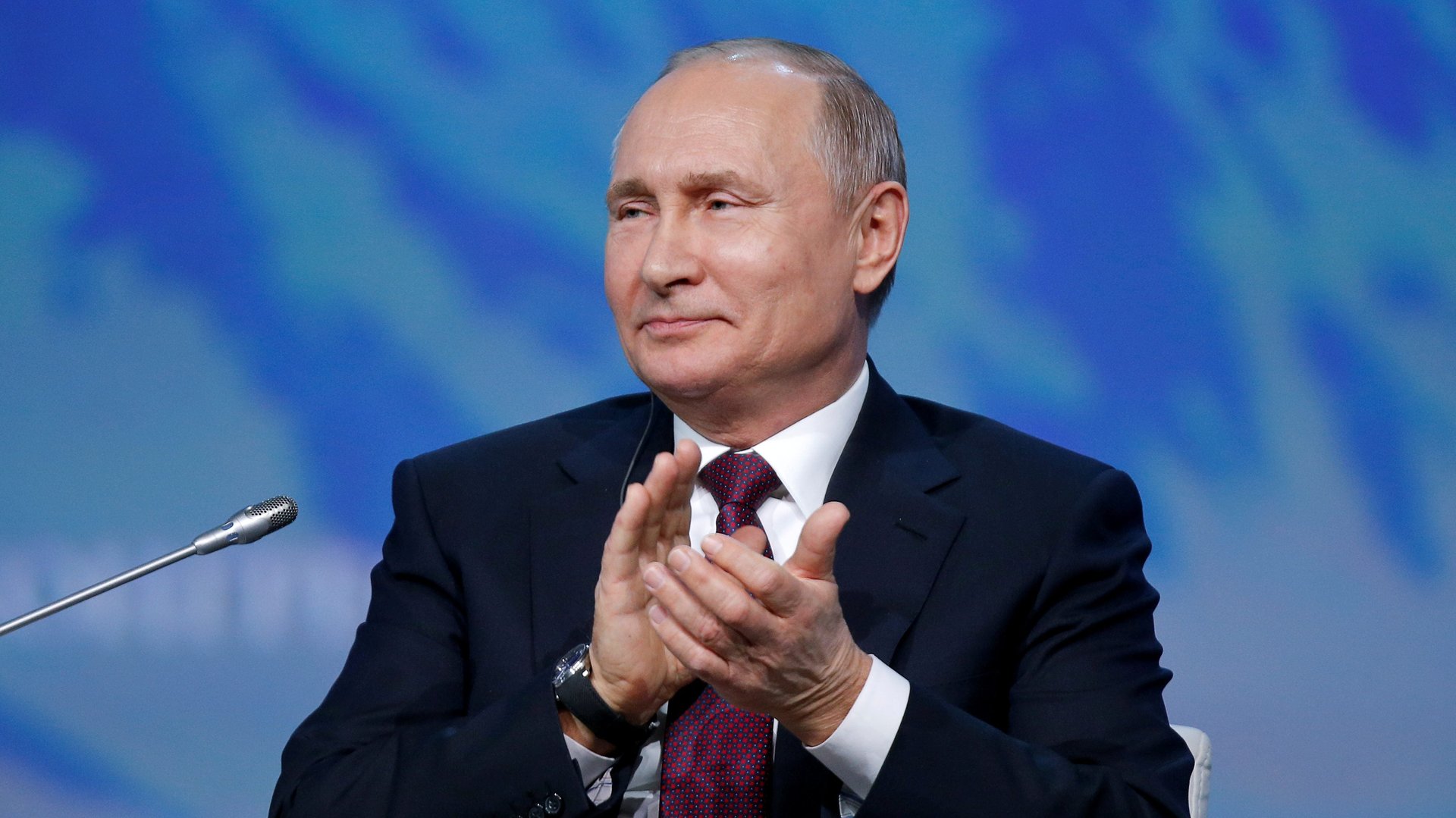
Vladimir Putin has issued a new order that makes it easier for people in separatist-controlled regions of Ukraine to obtain Russian citizenship. Residents in Donetsk and Luhansk, home to a few million people, will be entitled to Russian passports within just three months of applying if approved.

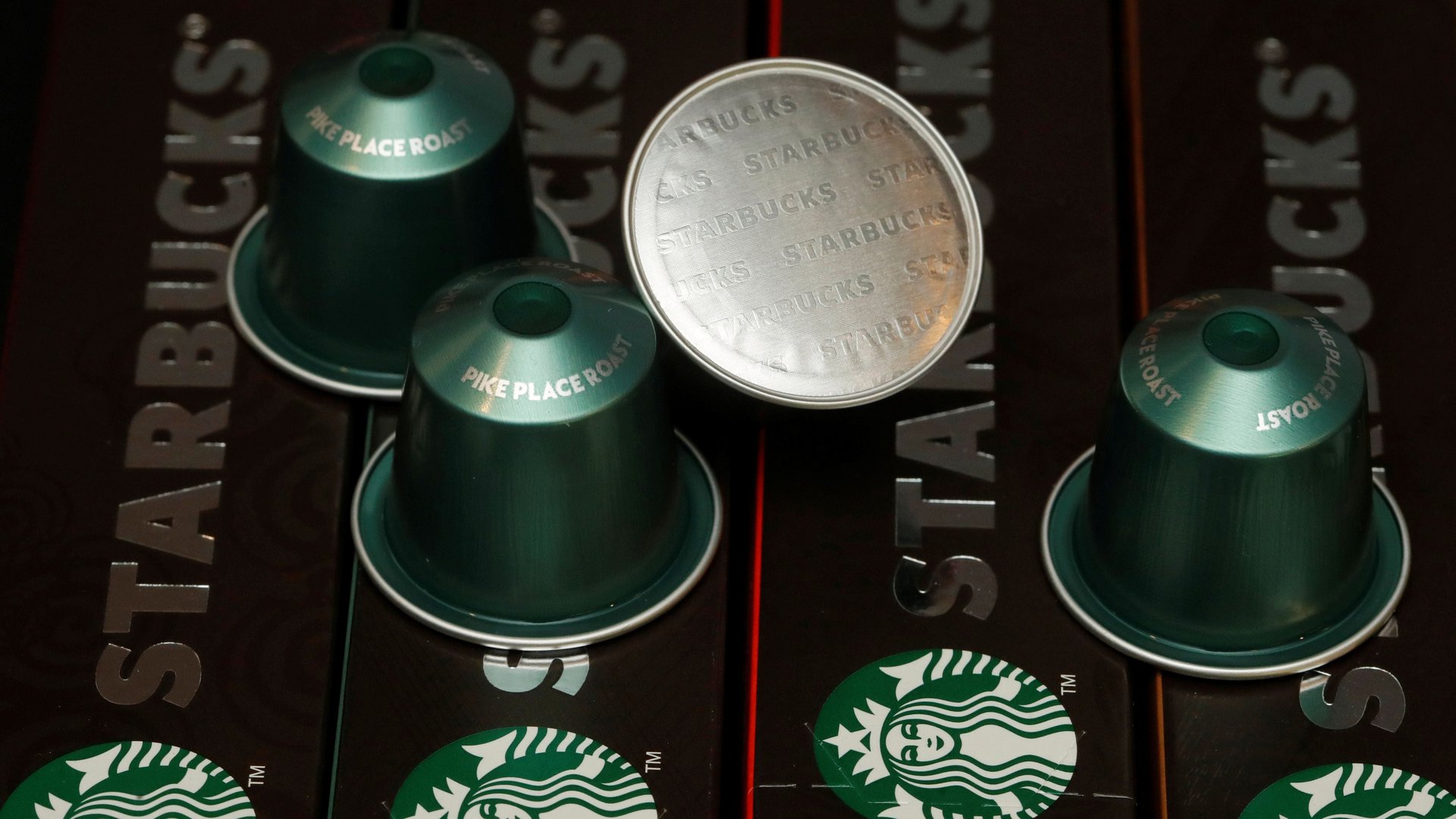
The world’s largest food company, Nestlé, is buzzing.

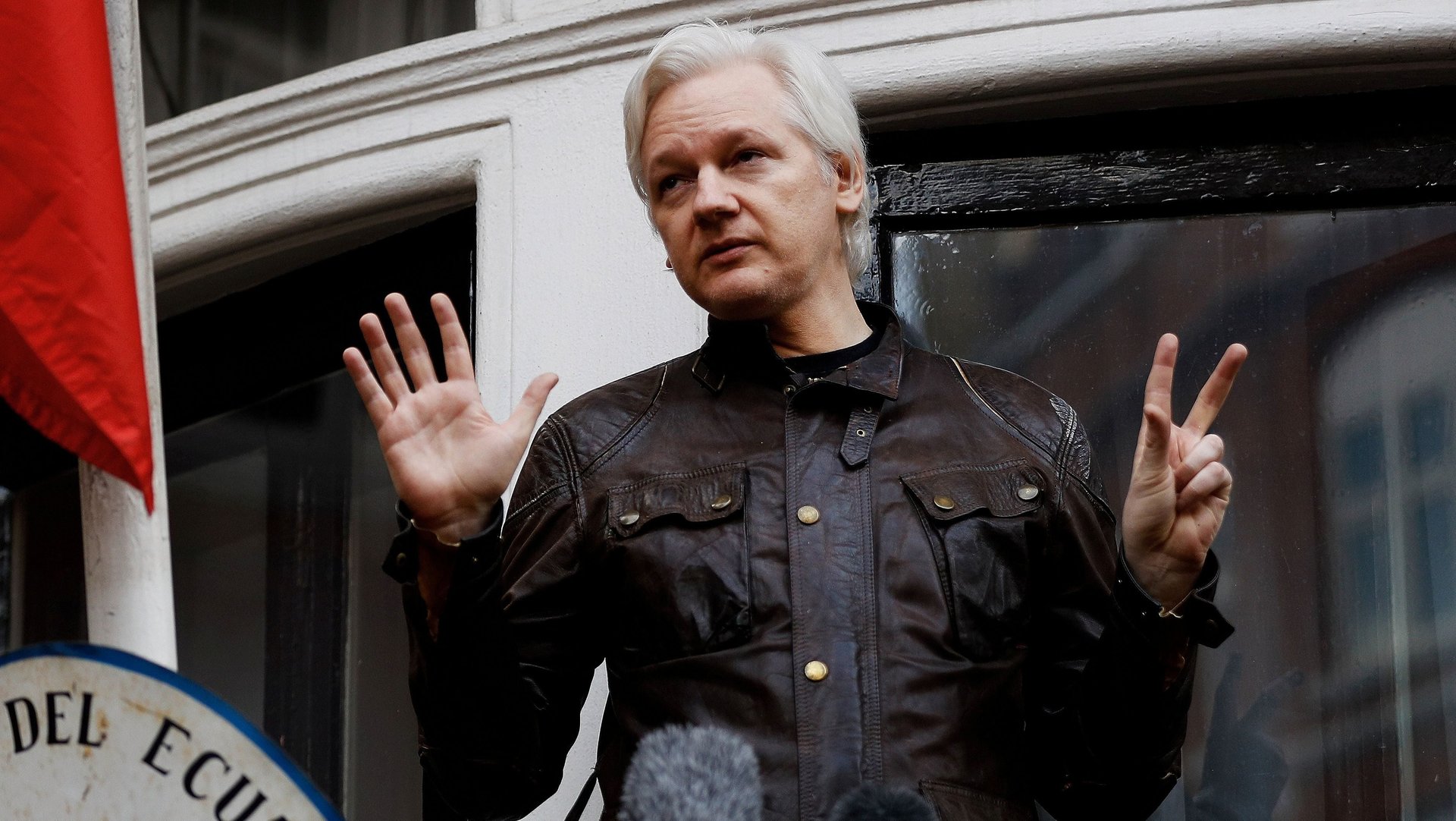
WikiLeaks founder Julian Assange was arrested by UK police today after nearly seven years of being holed up in Ecuador’s embassy in London.

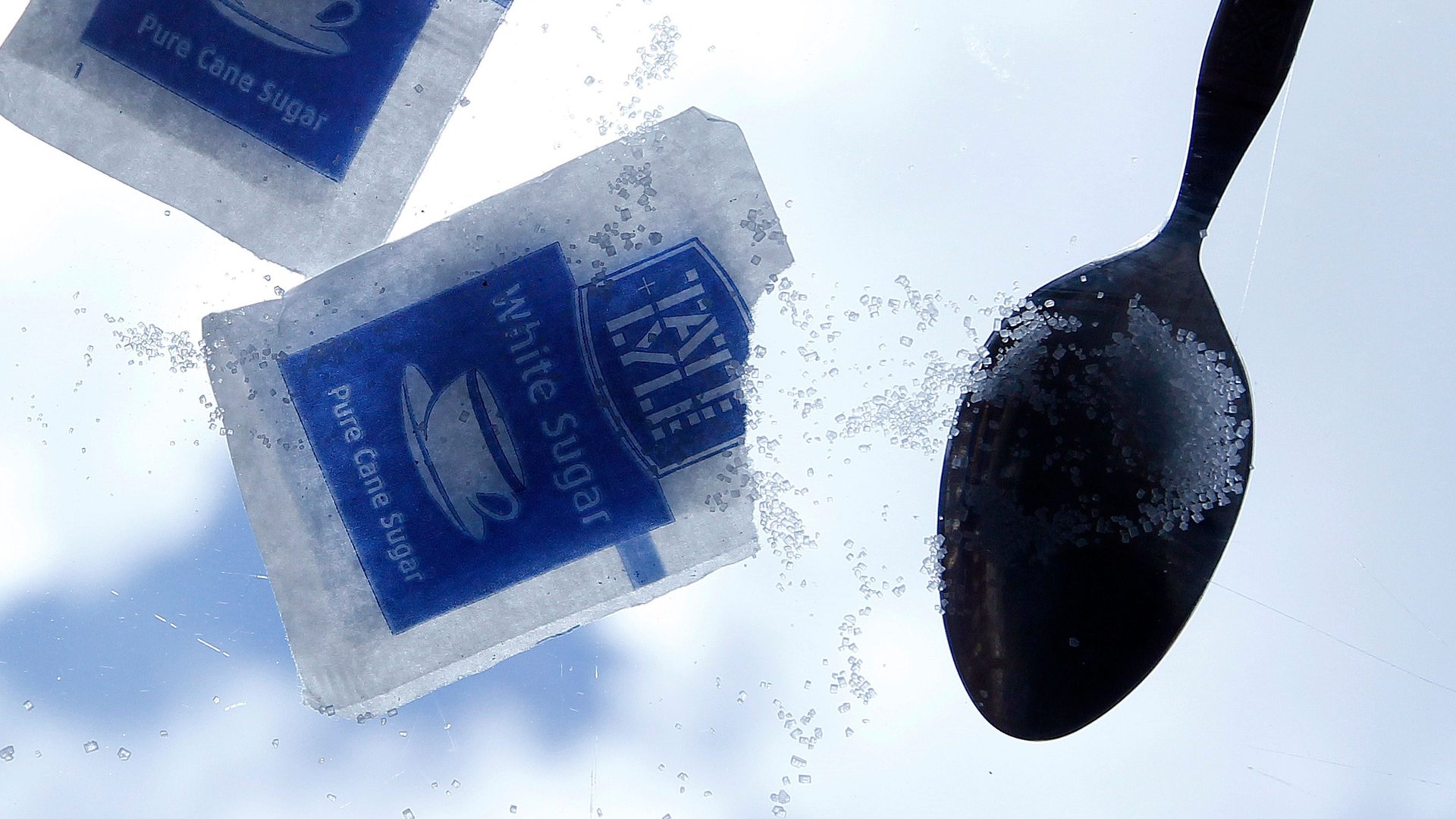
We all know the feeling you get after chugging a 20-ounce Coke and chomping down on a pack of M&Ms—that rush of sugar to the body that kickstarts a sudden burst of energy. And we all also know about the ensuing sugar crash that comes hours after the earlier fix starts to wane.

The IMF released its World Economic Outlook today, and if the title “Growth Slowdown, Precarious Recovery” didn’t give it away, the results aren’t great. The organization estimates that global GDP growth will slow to 3.3% this year, a fourth downgrade to its 2019 forecast in nine months.

Years after alarms were sounding about its demise, the music industry is back in tune.

The UK Parliament shot down prime minister Theresa May’s Brexit deal for a third time today (March 29), with 286 voting for and 344 against. It’s not as bad a defeat as the last time around, when MPs rejected the deal by a margin of 149 votes.

The UK might have avoided an estimated 69,276 deaths in 2016 if people somehow stopped being sedentary for long periods. That’s according to an eye-popping study (pdf) published this week by a group of researchers, largely based at Queens University Belfast, in the peer-reviewed Journal of Epidemiology & Community Health.

For the 10th year in a row, Vienna topped Mercer’s annual Quality of Living Ranking. Mid-sized European cities generally dominate the list, with only two non-European cities—Vancouver and Auckland—earning a spot in the top 10 this year.

Hundreds of thousands are expected to turn up in London tomorrow (March 23) for the “Put It to the People March,” which calls for a second Brexit referendum. The rally comes just weeks before the UK is set to leave the European Union, on April 12 at the earliest, after the bloc agreed this week to a delay.

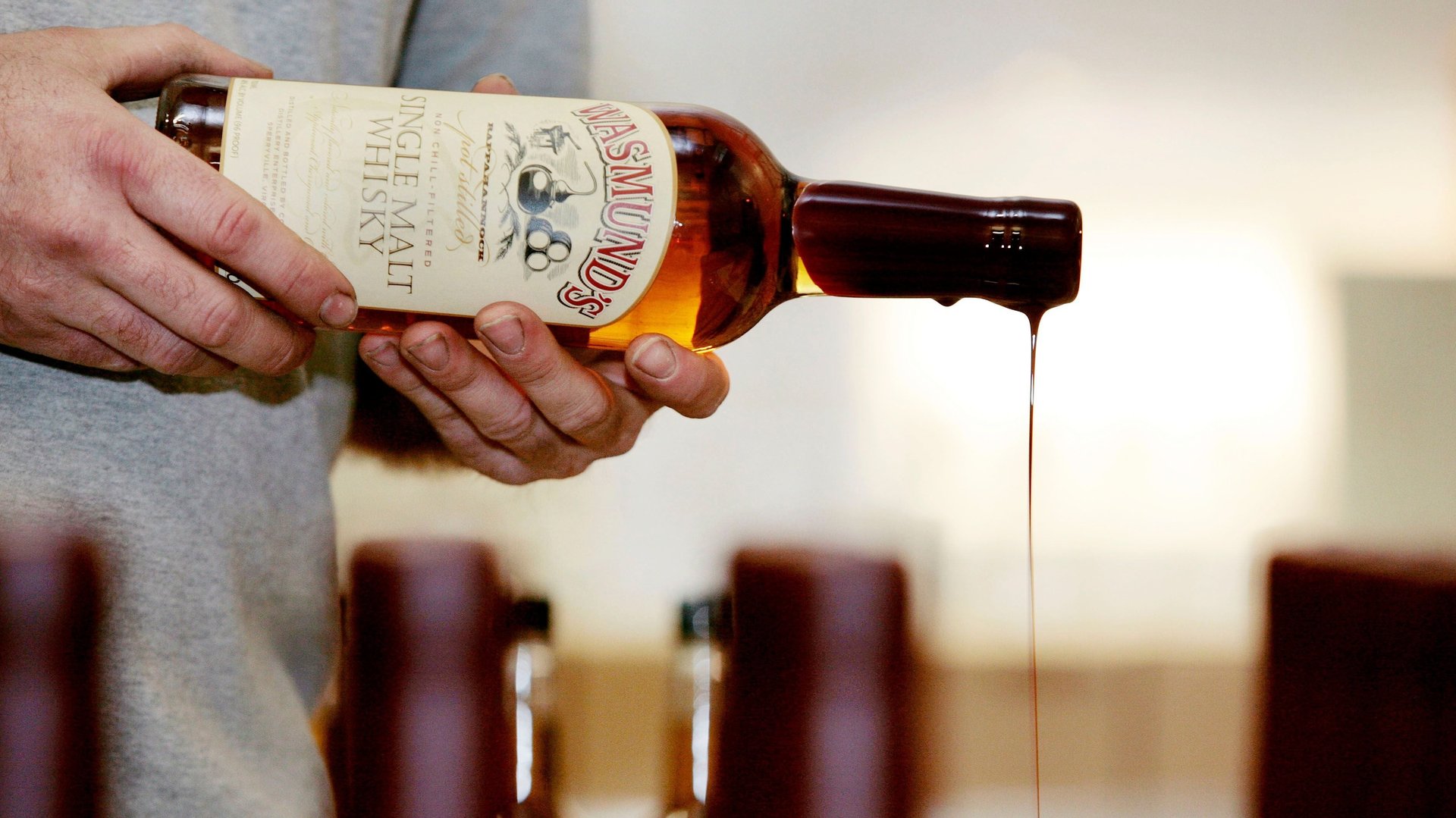
US whiskey makers are battling a hangover.

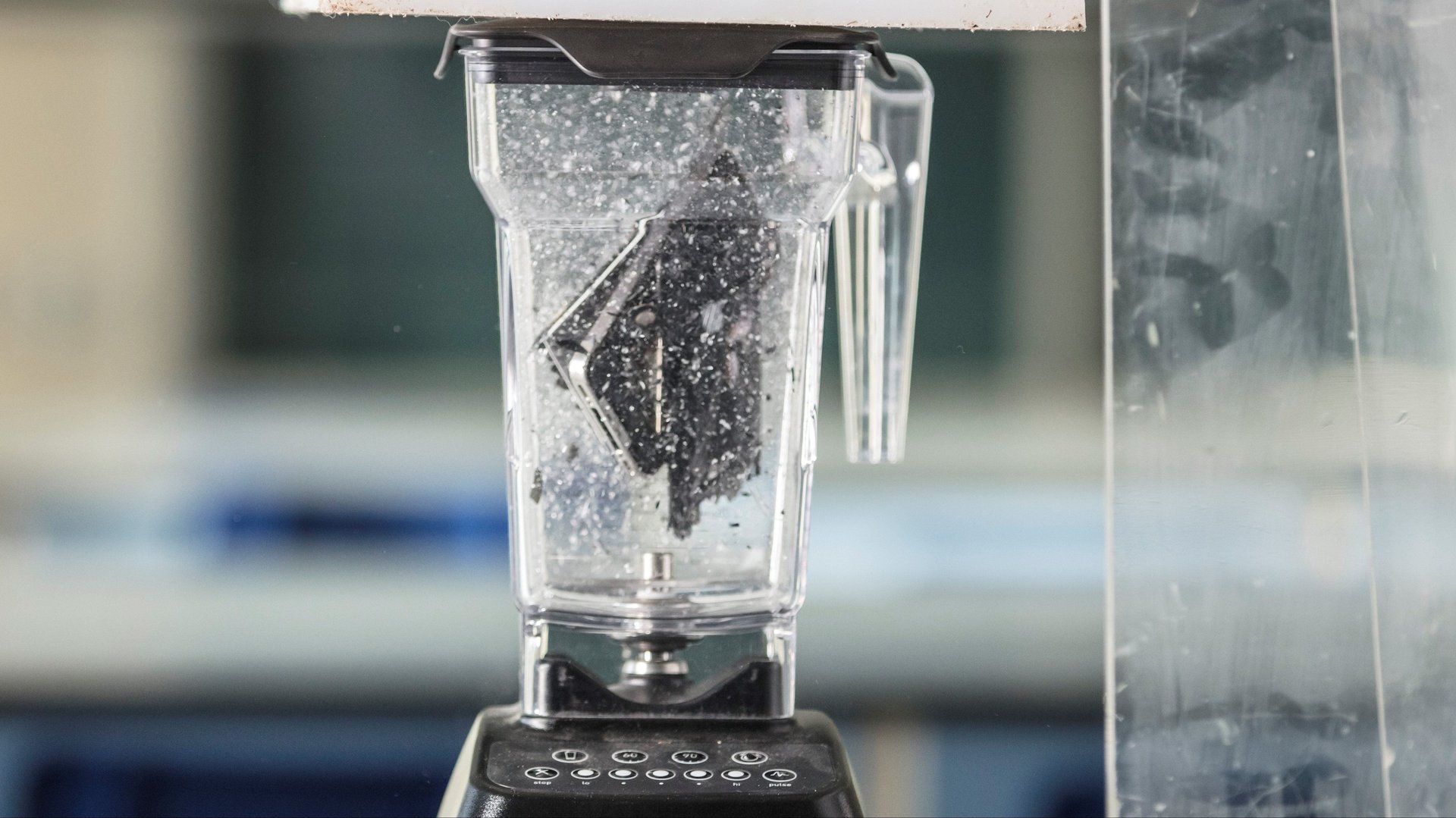
In a recently-published video, geology lecturer Arjan Dijkstra dons a white lab coat and a protective face shield, drops an iPhone 4S into a blender, and pulverizes it. Dijkstra wasn’t taking out his frustration on his phone in a culinary setting—the act of destruction was all in the name of raising public awareness.