
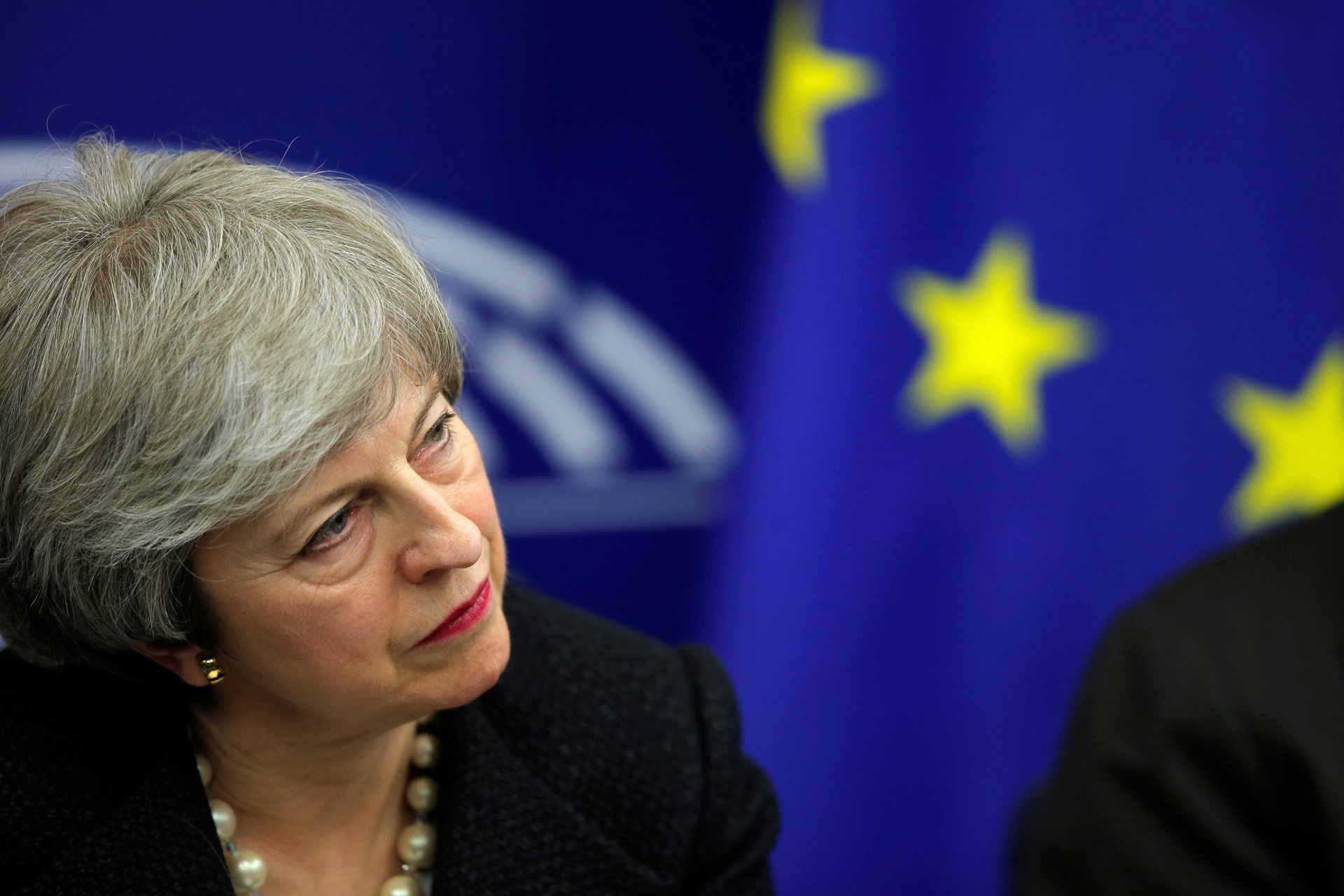
Money & Markets
The UK parliament has voted to try to delay BrexitHere we go again.
Updated July 21, 20223 min read
Here we go again.
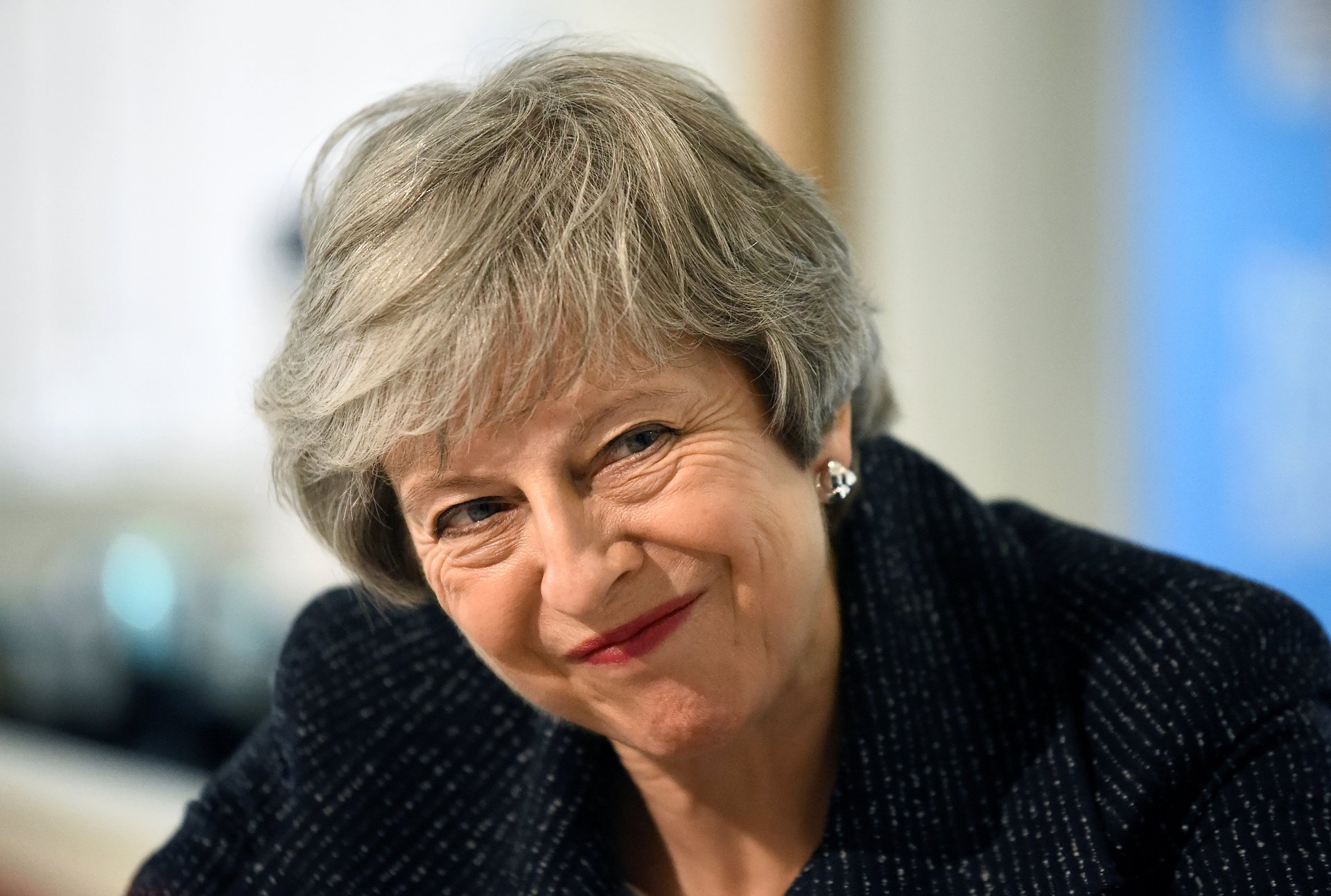
With only two weeks to go until the UK’s scheduled departure from the EU, the country’s parliament today once again rejected prime minister Theresa May’s proposed Brexit deal, this time by 149 votes.
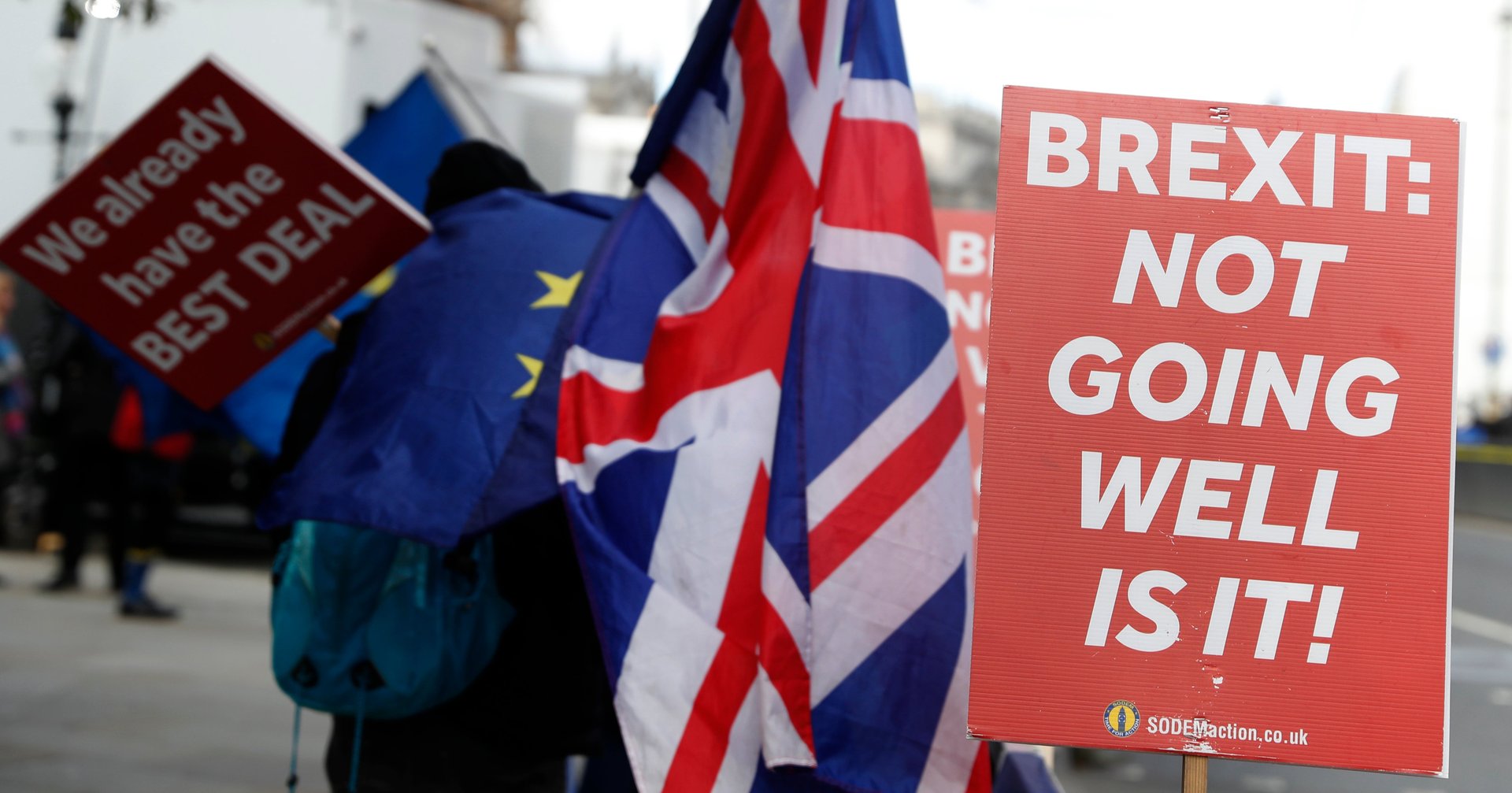
Brexit has been a political headache. For some, it’s also become a mental health ordeal. The Guardian last week reported that British farmers have increasingly reached out to crisis networks over the economic implications of Brexit and the impact bad weather has already had on their livelihoods.

A key aspect of Donald Trump’s “America First” policy is that a trade deficit represents a “rip off” of the US. The president’s ire is strongest for trading partners, like China and Mexico, that run the biggest surpluses in their trade with the US. “We are going to start whittling that down, and as fast as possible,” Trump said in 2017.

Last September, in one of the last public awareness videos recorded before his death, former UN secretary general Kofi Annan called snake bites “the biggest public health crisis you have likely never heard of.” The venom from these slippery reptiles kills up to 138,000 people each year, and leaves another 400,000 people—largely from poor countries—with permanent physical or mental disabilities.
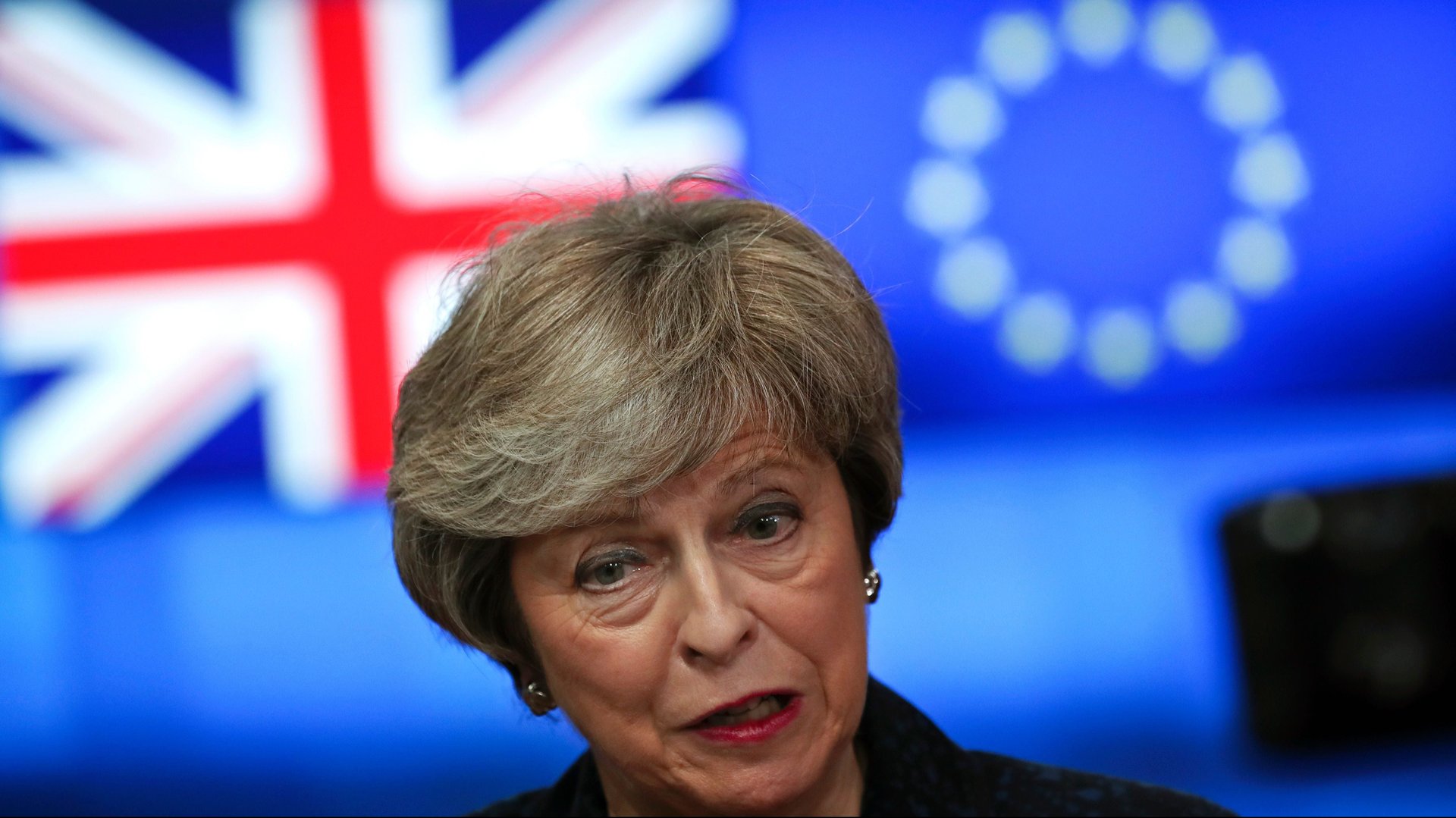
With just 30 days to go before the UK’s scheduled departure from the EU, and only 19 sitting days left in parliament, time is running out for prime minister Theresa May.

In January 2016, five months before the referendum on the UK’s membership of the European Union, political campaign Leave.EU shared an ad on social media assuring voters that automakers would not close up shop in the UK in the event of Brexit. The tweet linked to a Breitbart article listing commitments by carmakers to staying in the UK.
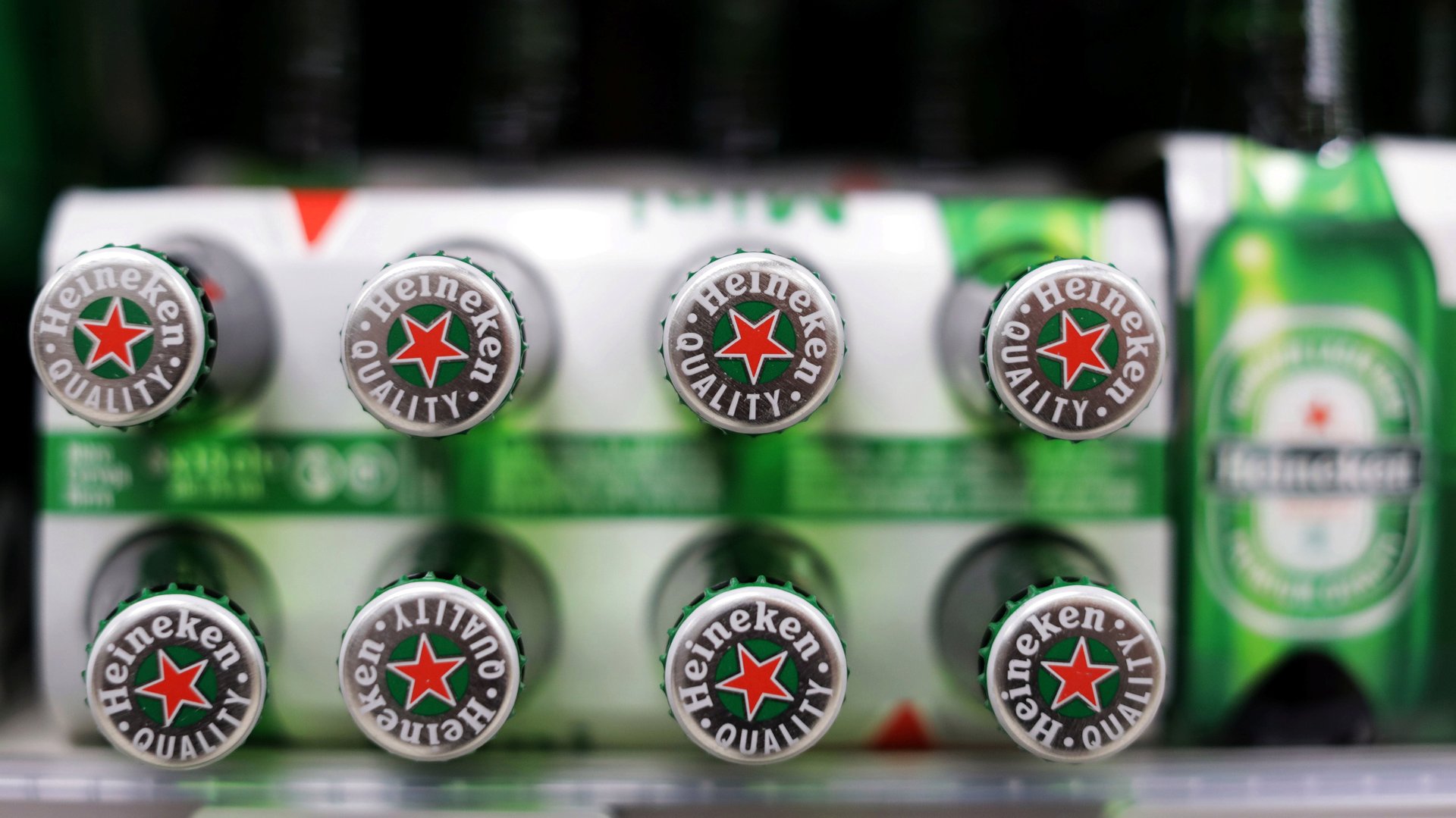
The world’s second-largest brewer, Heineken, is fizzing. Today, the company posted a solid profit for 2018, up 12% versus the previous year. The volume of beer sold under the flagship Heineken brand also jumped nearly 8% for the year, the fastest pace in more than a decade. This was driven, in part, by demand for Heineken 0.0, a non-alcoholic beer launched in May 2017.

A new study from China has found that an AI system can best some doctors when it comes to diagnosing common childhood diseases. The study, published in Nature Medicine yesterday (Feb. 11), was co-authored by a long list of Chinese and American researchers, and is just one of the latest from China to look at the use of AI in medical diagnostics.

China posted some of its weakest economic figures in decades last month. The country grew at its slowest pace last year since 1990 (a still-respectable 6.6%), and is forecast to grow at an even slower rate of 6.3% in 2019. But one group of consumers doesn’t seem to be feeling the pinch: the country’s growing class of millionaires and billionaires.

Pope Francis yesterday (Feb. 5) concluded a two-day trip to the United Arab Emirates with mass at a sports stadium in Abu Dhabi delivered to some 180,000 worshippers. Incredibly, his trip marked the first time that a pontiff has travelled to the Arabian Peninsula. And the UAE, which has in recent years touted its diversity, was keen to promote the historic visit.
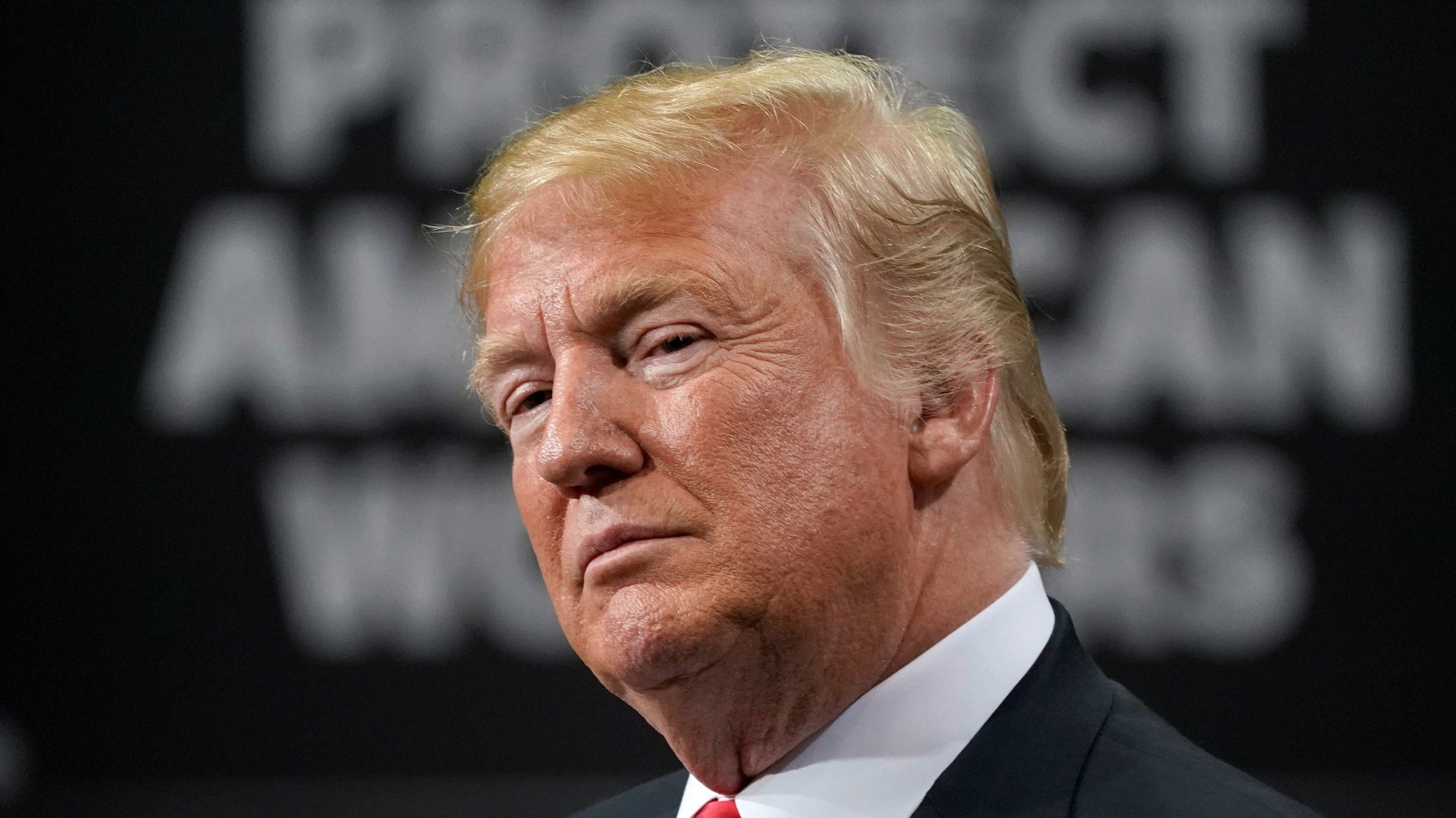
US Steel’s earnings are way up year-over-year, and tariffs on foreign steel appear to be the largest factor explaining why. The company’s $592 million of net income in the fourth quarter was a nearly four-fold increase from the same time last year and exceeded the $387 million it earned (pdf) in all of 2017.

Canada last year accepted more refugees through the UN than any other country, according to a recent analysis (pdf) by the University of Calgary, surpassing the US for the first time since countries began officially coordinating on refugee resettlement. Canada, population 36 million, welcomed about 28,000 refugees in 2018, while the US, population 325 million, took in 24,000.
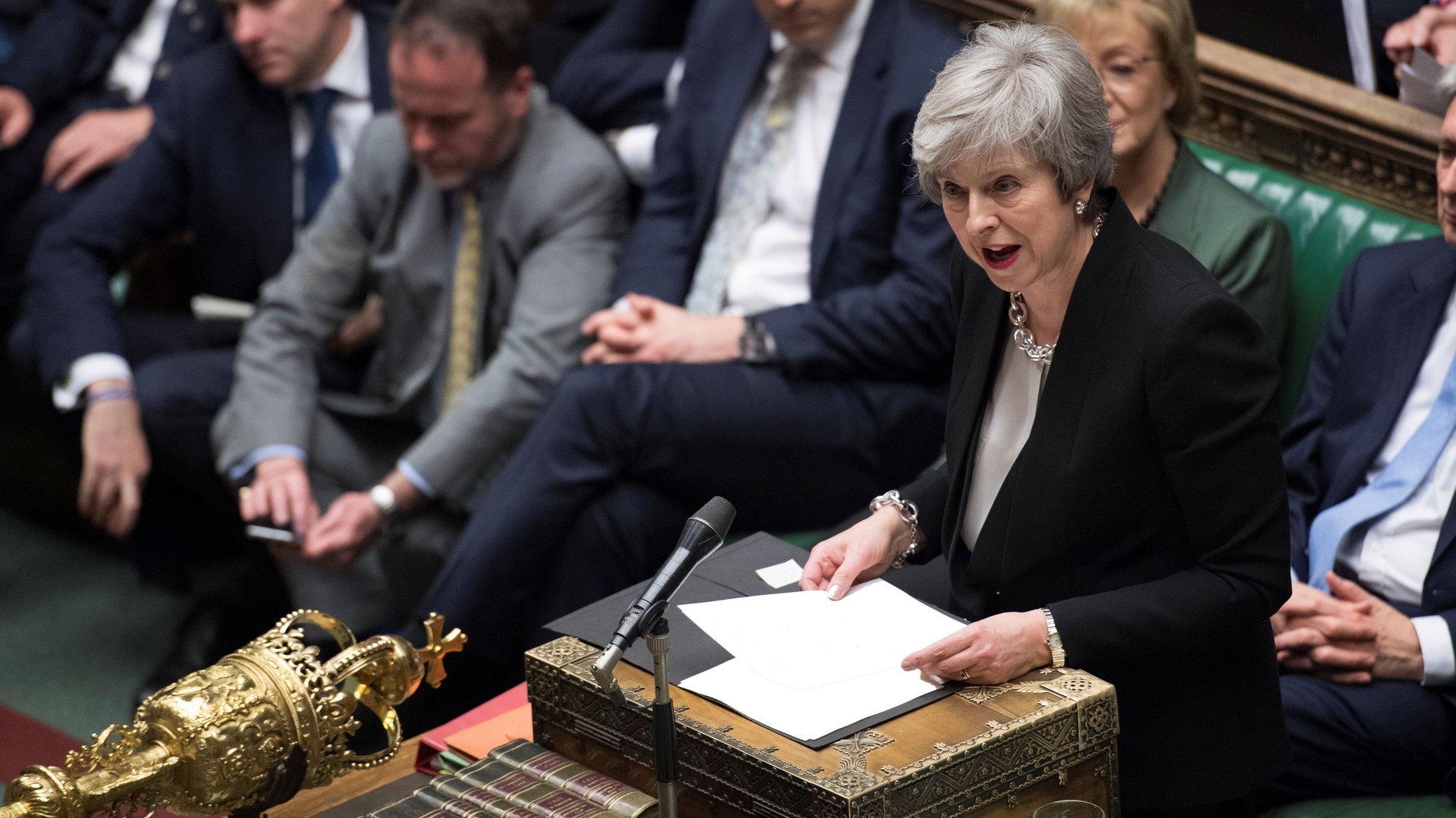
Theresa May is no stranger to Herculean missions, having been tasked over the last two years with leading the UK’s complicated exit from the EU. But she now faces the seemingly hopeless exercise of convincing the EU to renegotiate a divorce deal they have repeatedly said they will not revisit.

Businesses are increasingly acknowledging the risks posed by climate change, and developing strategies to ward off its potential impact on their bottom line. But UN secretary-general António Guterres sought today to remind the global elites gathered at the World Economic Forum in Davos of climate change’s human toll.
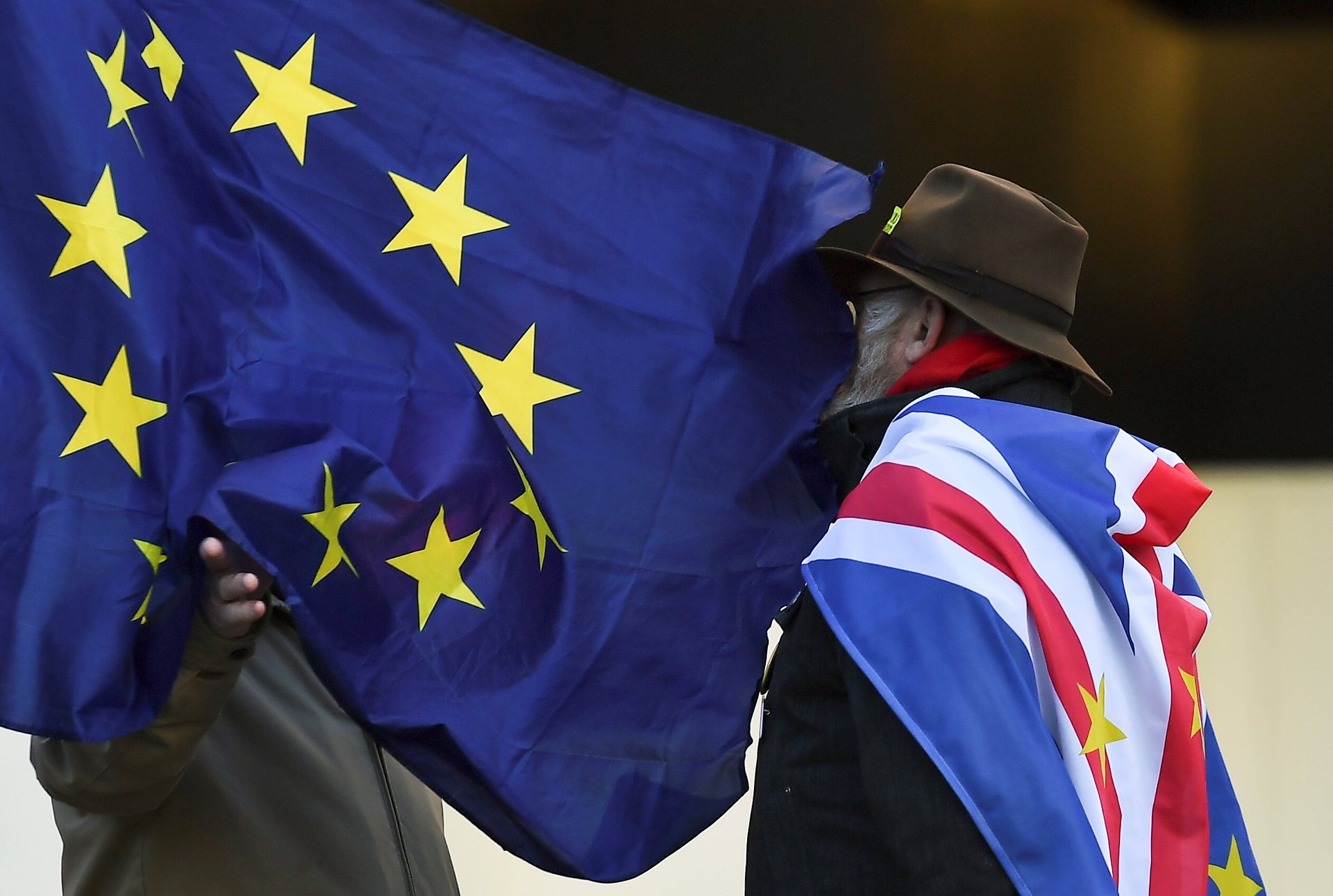
Anyone concerned about the mounting uncertainty over Brexit may have hoped for a substantial update from British prime minister Theresa May today, in the wake of the UK parliament rejecting her deal to exit the EU last week. What they got felt more like déjà vu.

China released its annual GDP figures, along with a slew of other economic data for the final month of 2018, on Monday (Jan. 21). Economists had predicted the results would be considerably worse than in recent years, as Chinese consumers fret over a weaker global economy, and the ongoing US-China trade war puts a dent in the country’s exports.
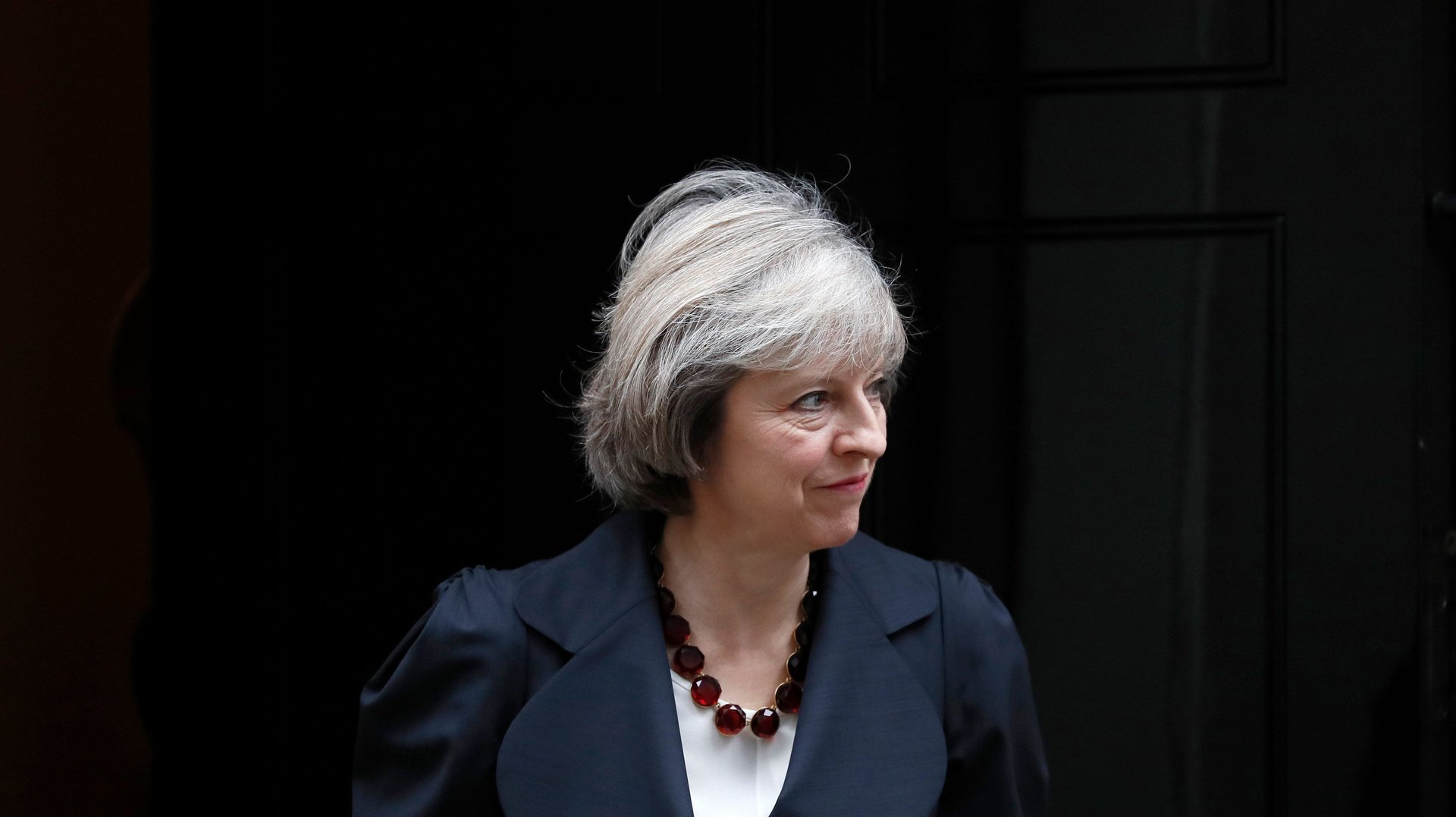
UK prime minister Theresa May narrowly won a no-confidence vote in her Conservative government tonight (Jan. 16) by 325 votes to 306. She is poised to stay on as leader—for now—but the victory won’t do much to break the political deadlock over Brexit.
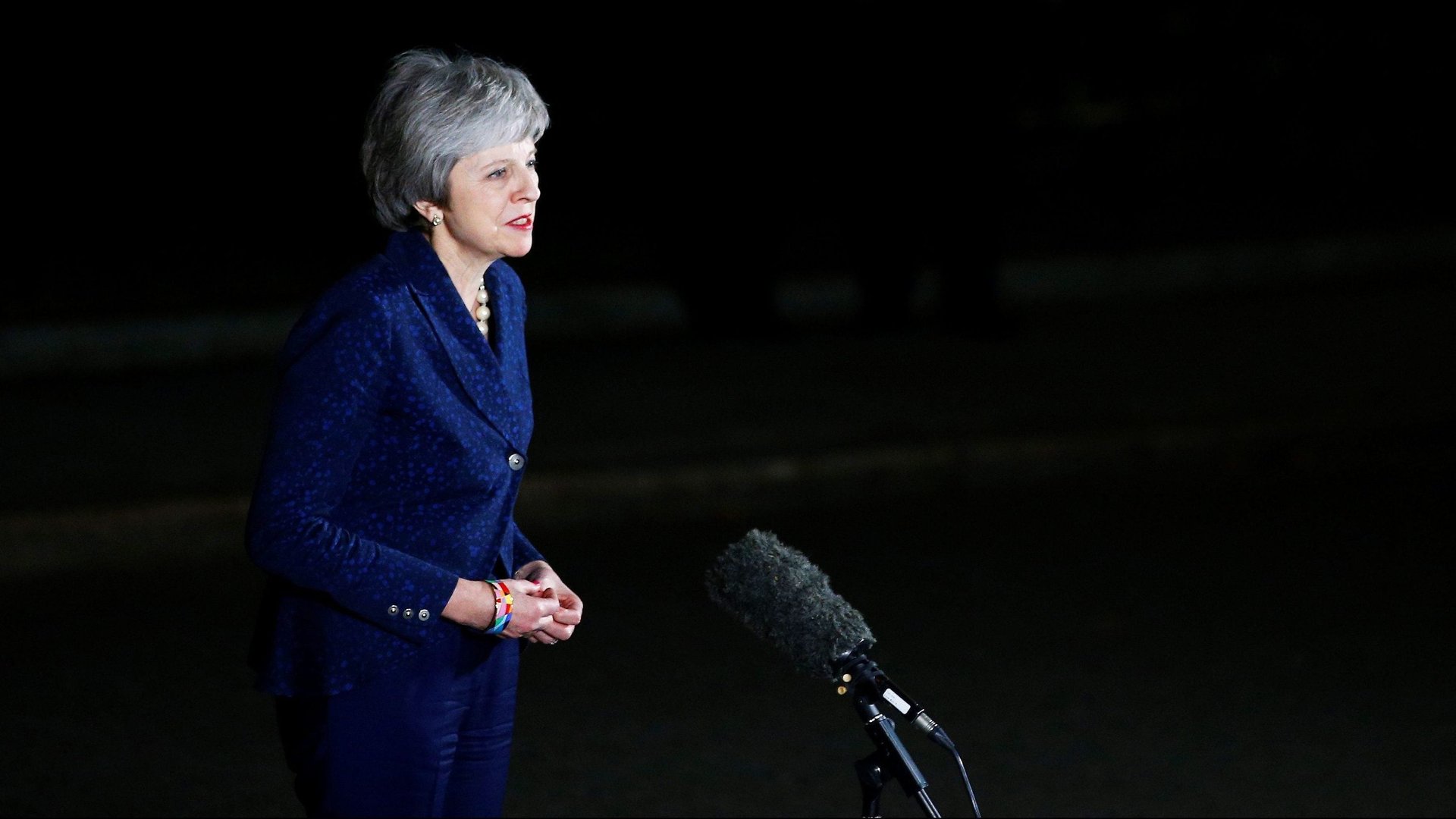
Parliament tonight issued a stinging rejection of prime minister Theresa May’s proposed agreement to leave the EU by a historic margin of 230 votes. The lopsided vote is the culmination of two years of intense negotiations since the UK first voted to leave the bloc.

Luxury British car-maker Rolls-Royce had a stellar 2018. It sold 4,107 cars, up 22% from the year before. It was the company’s best annual result in its 115-year history.

Natural disasters claimed 10,400 lives and imposed $160 billion worth of damage to the global economy last year, German reinsurer Munich Re said today. That’s down from $350 billion and 13,000 fatalities in 2017. The good news, such as it is, stops there.
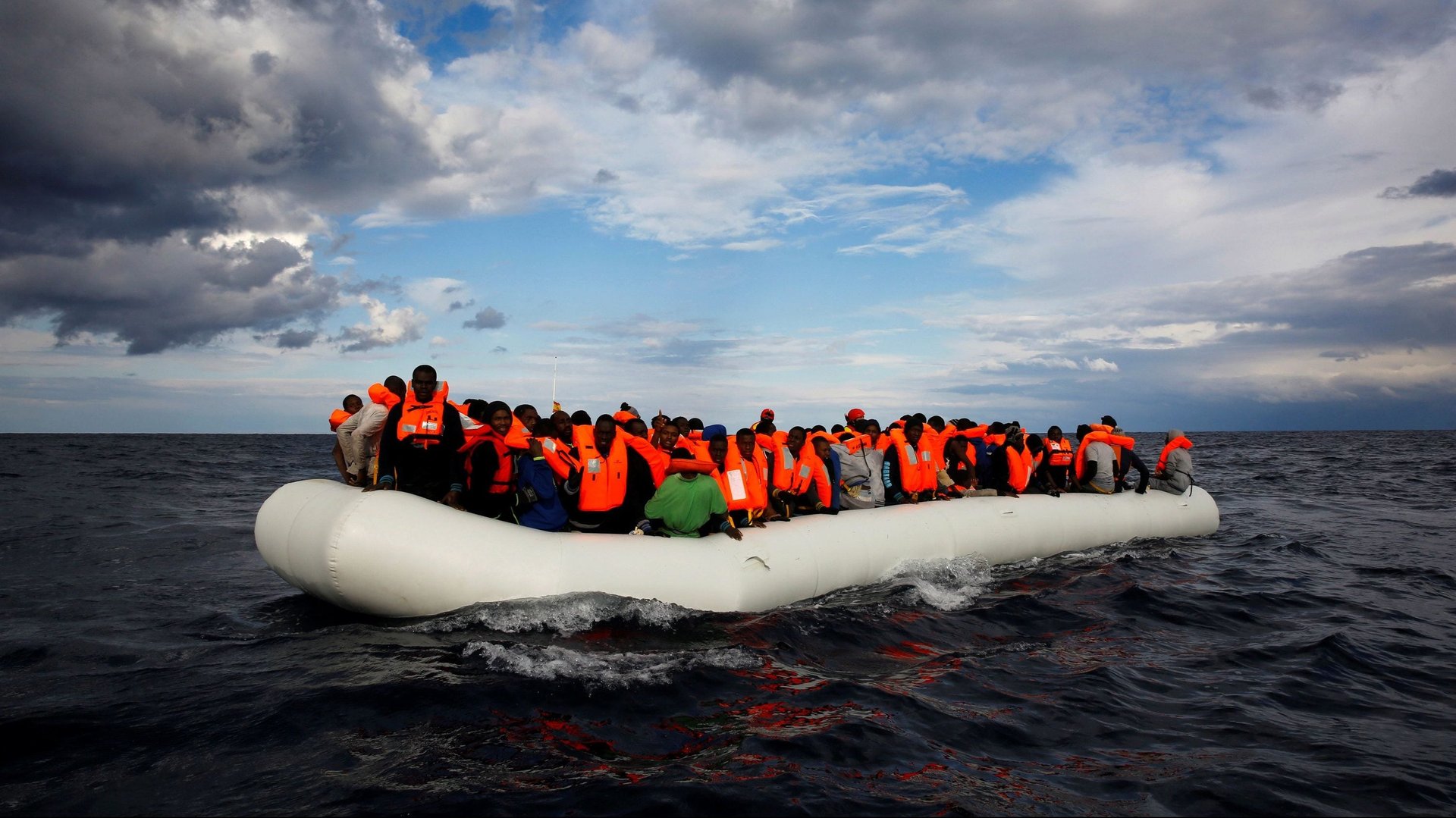
The UN Refugee Agency recently released its 2018 tally for migrant journeys across the Mediterranean. 2,262 people died or went missing last year attempting the crossing, a 28% drop since 2017. But that welcome stat masks a disturbing trend—record rates are dying at sea.
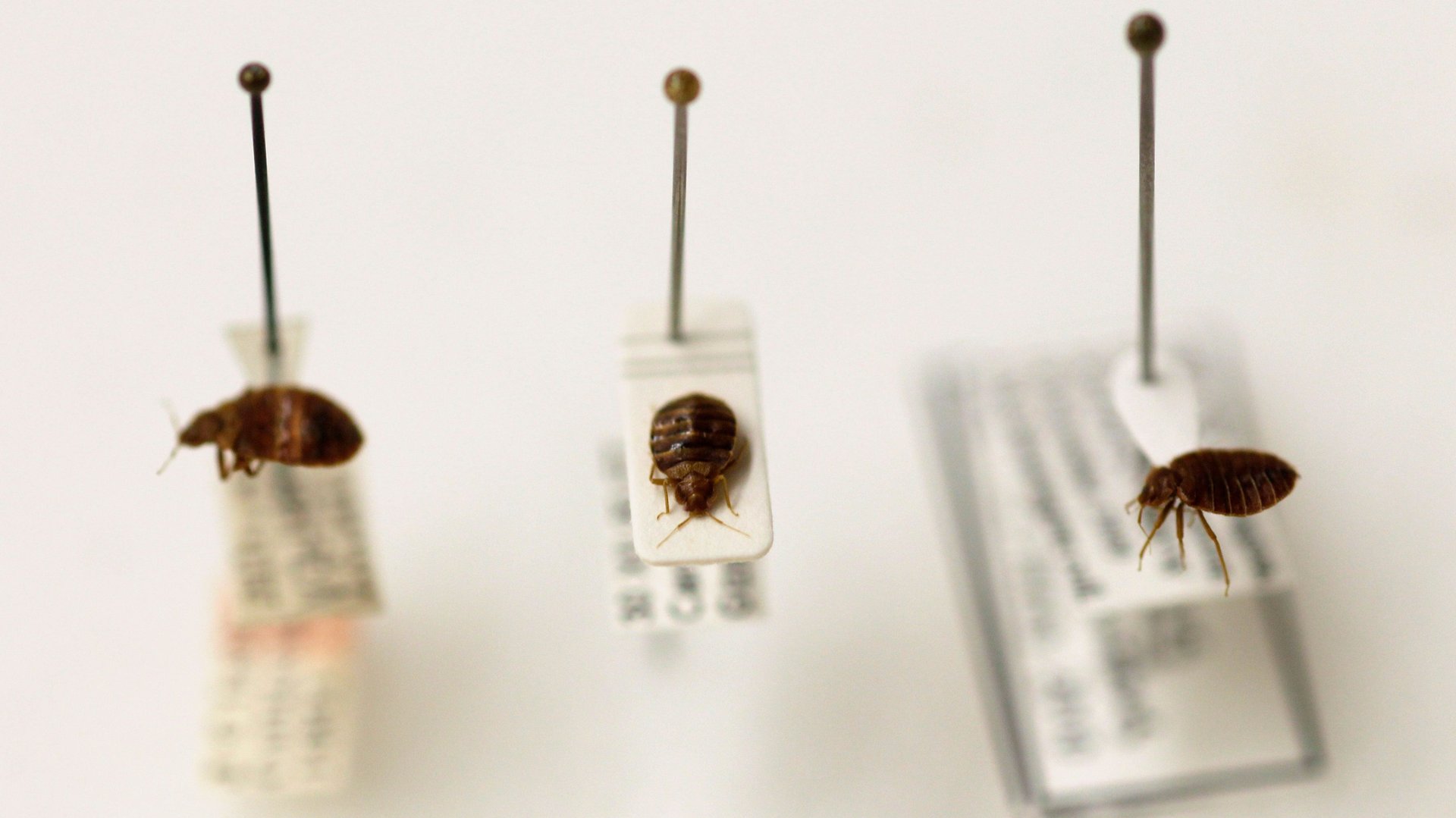
Bed bugs are a home dweller’s worst nightmare. The Cimex lectularius species is nocturnal, can hide in nooks and crannies for weeks at a time, and swells to twice its normal size after feeding… on human blood. Finding one is enough to make some residents trash their furniture, or even move.

In news that surprised no one, the US National Center for Health Statistics released data on Thursday (Dec. 20) that the average American has become heavier over the last two decades. The average adult in the US is now overweight, verging on obese.