
Leadership
The 12 biggest mistakes a new entrepreneur can makeThis post was originally published on Quora as an answer to the question “What is the single biggest mistake entrepreneurs make when starting up?”
Updated July 21, 20223 min read

This post was originally published on Quora as an answer to the question “What is the single biggest mistake entrepreneurs make when starting up?”
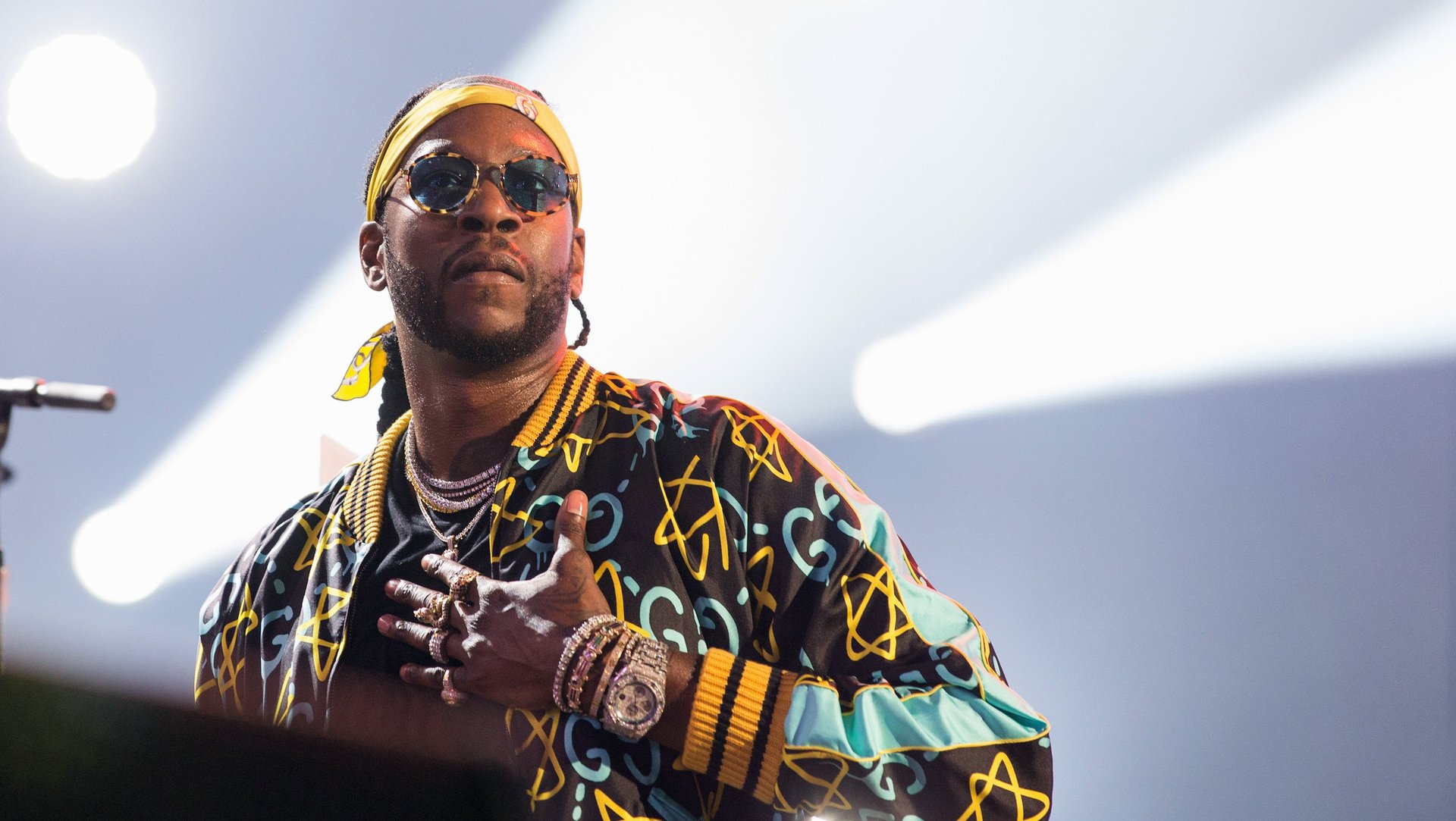
Hip-hop has officially displaced rock. It has spawned the anthems of the millennial generation and spurred a whole new wave of television and film. It’s wormed into the mainstream so deeply at this point that it may even be nearing a nostalgia revival cycle.
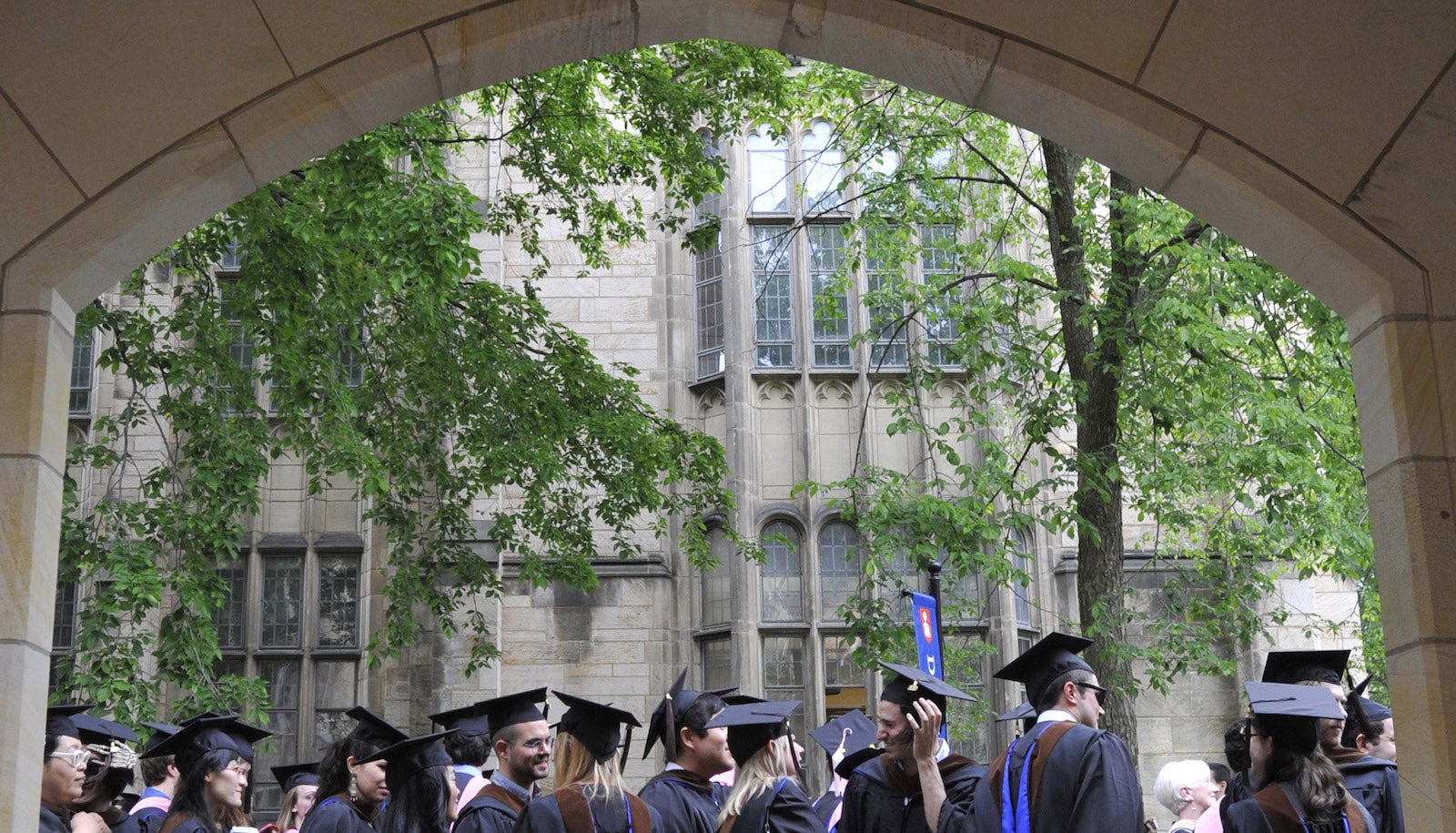
Happiness, they say, is infectious. Perhaps that is why the most popular course ever to be taught at Yale University—this semester enrolling 1,200 students, or a quarter of the undergraduate student body—is one titled “Psychology and the Good Life.”

Weed is still illegal in the US under federal law, but that hasn’t stopped nine states from legalizing its recreational use, and 29 states from allowing its medical use. Now that legal access to pot is so widespread, companies are confronting it, with some difficulty, in their hiring and employment policies.
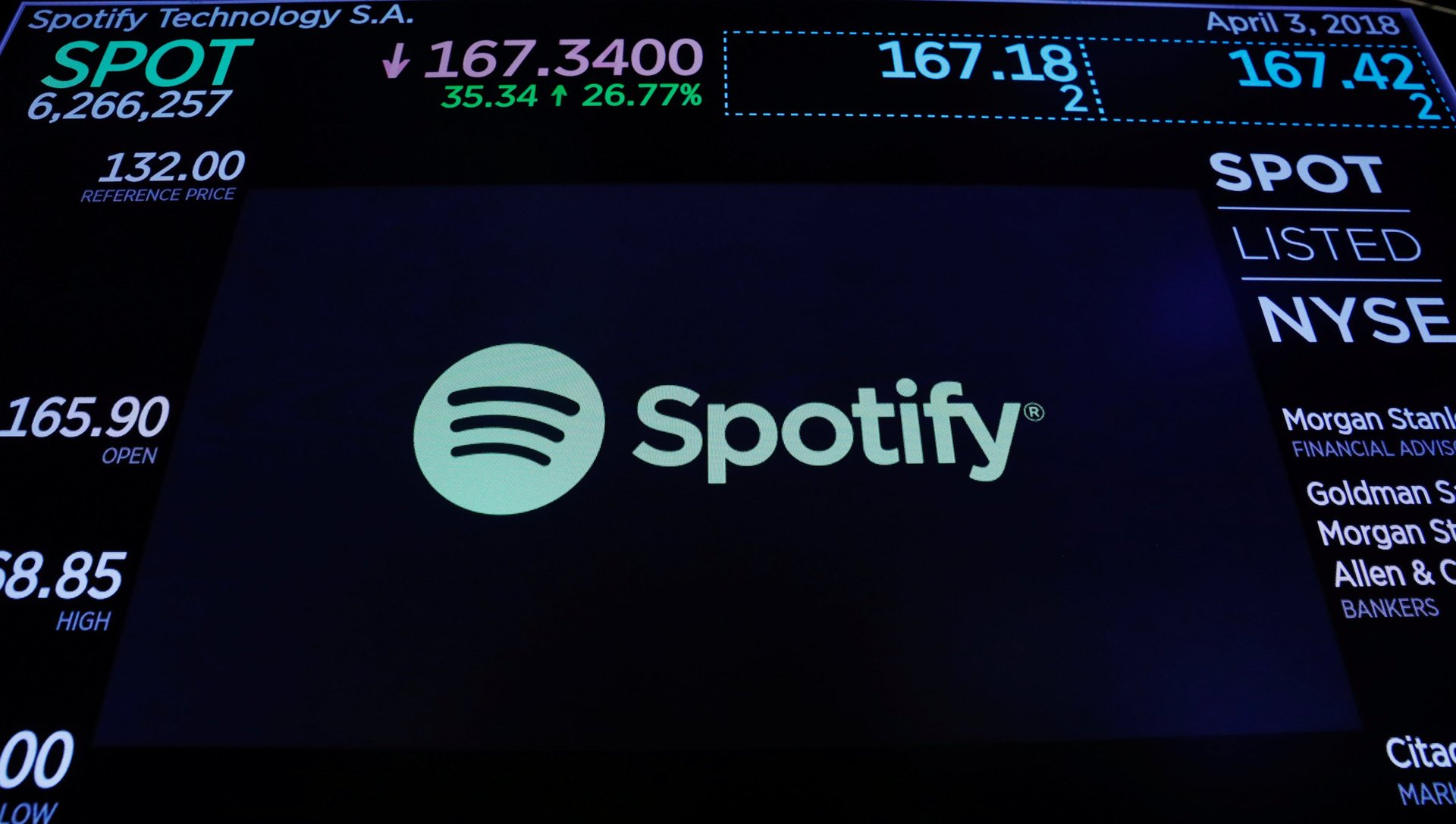
It’s time to turn up the dance music. Spotify began trading on the New York Stock Exchange today (April 3) and—despite weeks of wariness around the unusual structure of its public listing—the Swedish music-streaming company is being priced at around $166 a share, giving it a market cap of approximately $29.5 billion.
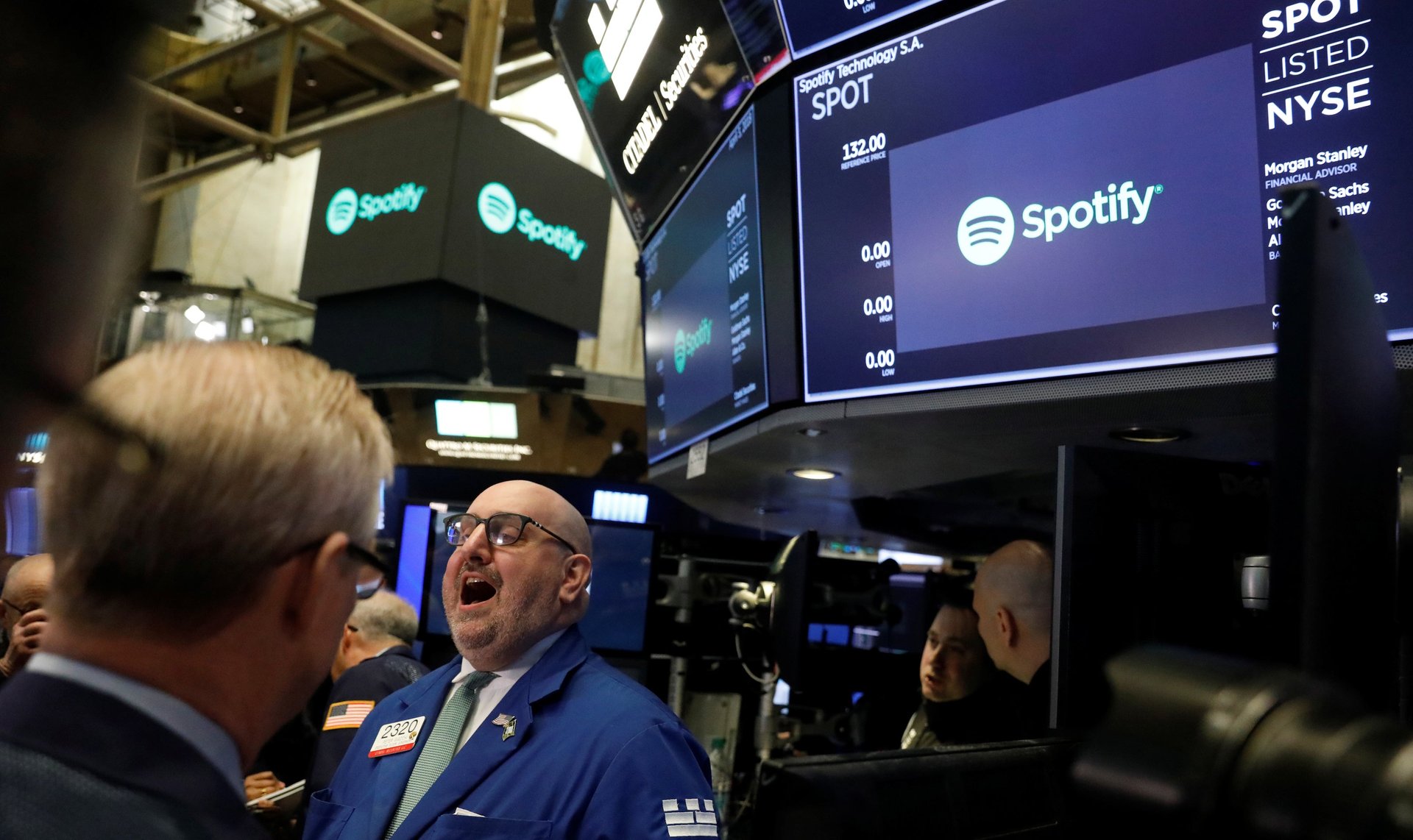
Spotify, the decade-old startup darling that’s been both lauded as the savior of the music industry and cautioned as its potential downfall, is listing its shares today (April 3) on the New York Stock Exchange in an unorthodox initial public offering that won’t raise new money, but could usher the music-streaming service into the echelon of tech giants.
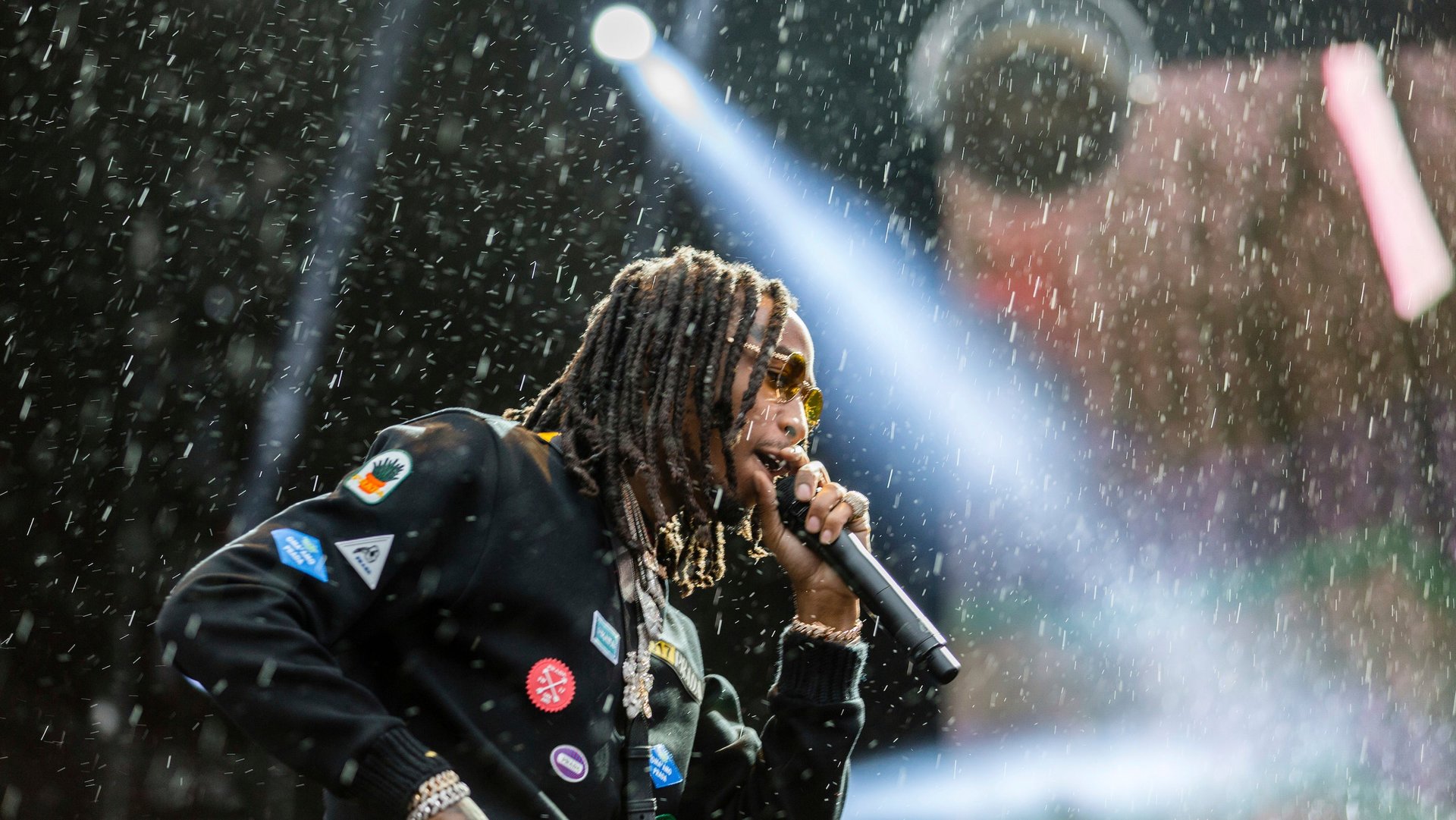
Back in 2008, a dozen people gathered in a tiny office in Stockholm, Sweden, and built something that would first shatter, then save, and ultimately rebuild music.

Universities don’t like change. But as the breakneck pace of technology speeds up the modern economy, these ancient institutions are starting to break the rules.

As an executive at WeWork, Frank Bistrian’s vision for coworking differed from the company’s notoriously bold, energetic culture.

The music industry can barely believe its luck. Revenue has risen—by quite a lot—for two years in a row now, after nosediving for two decades prior.

Spotify’s music data—its collection of back-end organizing details such as rights, track names, aliases, tags, and external links—is an unabashed mess. Just look at the dozens of legal battles the company has had to weather because of faults in its metadata organization. In some cases, rights are missing from a file; in others, errors lead to unlicensed materials popping up and rights-holders not getting paid for their work.

At the University of Arizona, school officials know when students are going to drop out before they do.

It was a music lover’s utopia for a while—an online ecosystem hinged on the love of songs, on the giddy joy of discovering and sharing new riffs and rhythms. Then, it wasn’t. Since the fall of MySpace in the late 2000s at the hands of Facebook, music has been almost entirely absent from social networking.

On the homepage of WeWork, against a pleasantly neutral palette, the company asks visitors: “Why do you do what you do? Welcome to WeWork. Make a life, not just a living.”

China is intensifying its push into space, and broadening its astronaut recruiting.
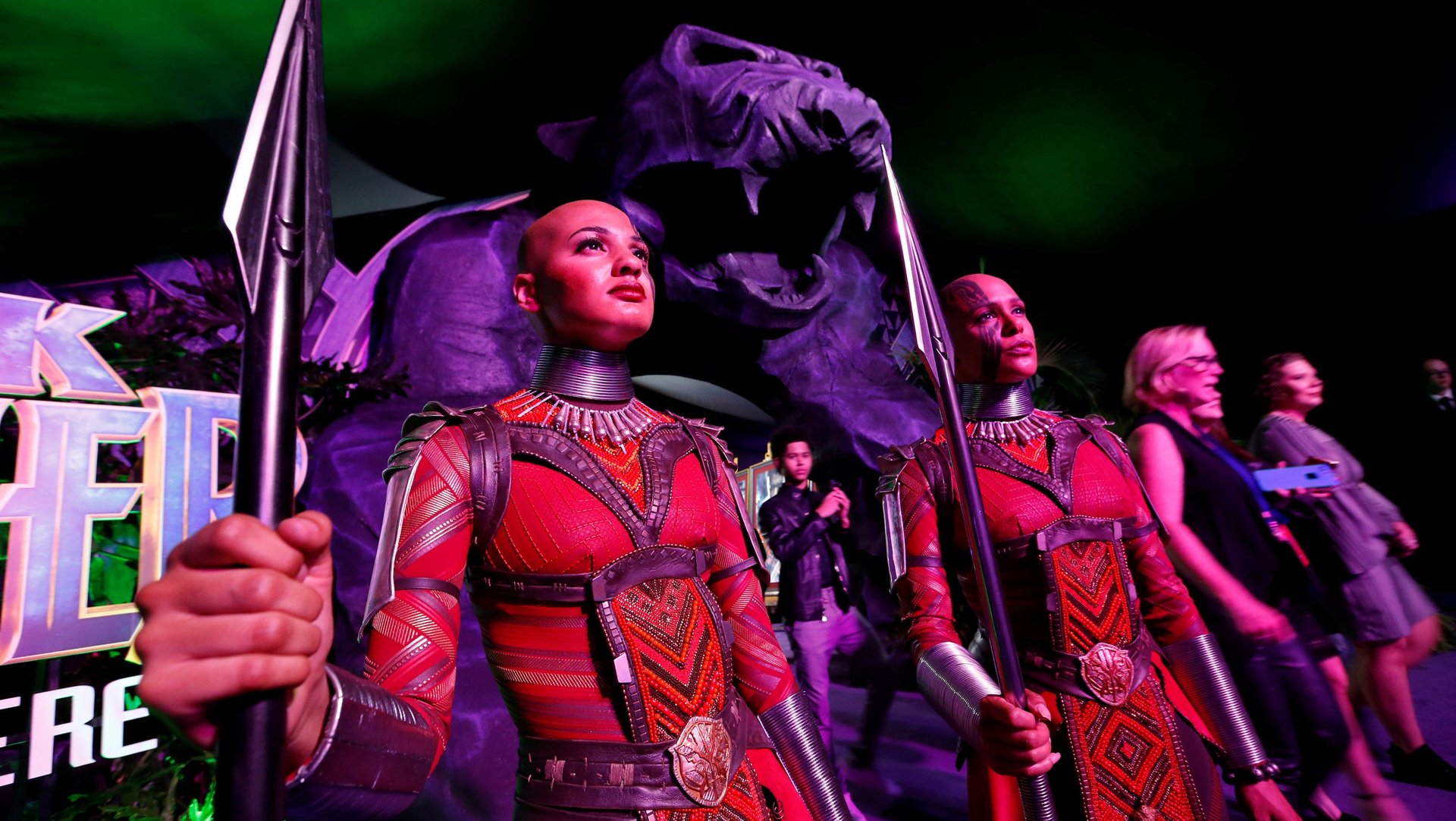
The newest addition to the Marvel Cinematic Universe is quickly—very quickly—becoming its most lucrative. Black Panther‘s opening weekend in the US and Canada in February was the fifth-largest domestic debut ever. And now, after only 17 days of being in theaters, it is already the 10th-highest-grossing film ever in North America.

Tonight’s 90th Academy Awards will honor some of the most breathtaking films of the last year—and their soundtracks. From Lady Bird‘s distinctive ’90s-centric roll of nostalgia to the instrumental wisps flitting in and out of Call Me By Your Name, music played a significant role in 2017’s standout films.

Luxury sports carmaker Porsche is considering the development of a flying passenger vehicle, according to the company’s sales chief Detlev von Platen in an interview with the German magazine Automobilwoche. Passengers would be able to use the cars without a pilot’s license, the magazine said, since most operations would be automated, but they could maintain some control.

Employees of United Airlines used to get quarterly bonuses if they hit certain performance targets. Now, they’ll all be entered into a lottery, out of which one—and only one—lucky person will win $100,000.
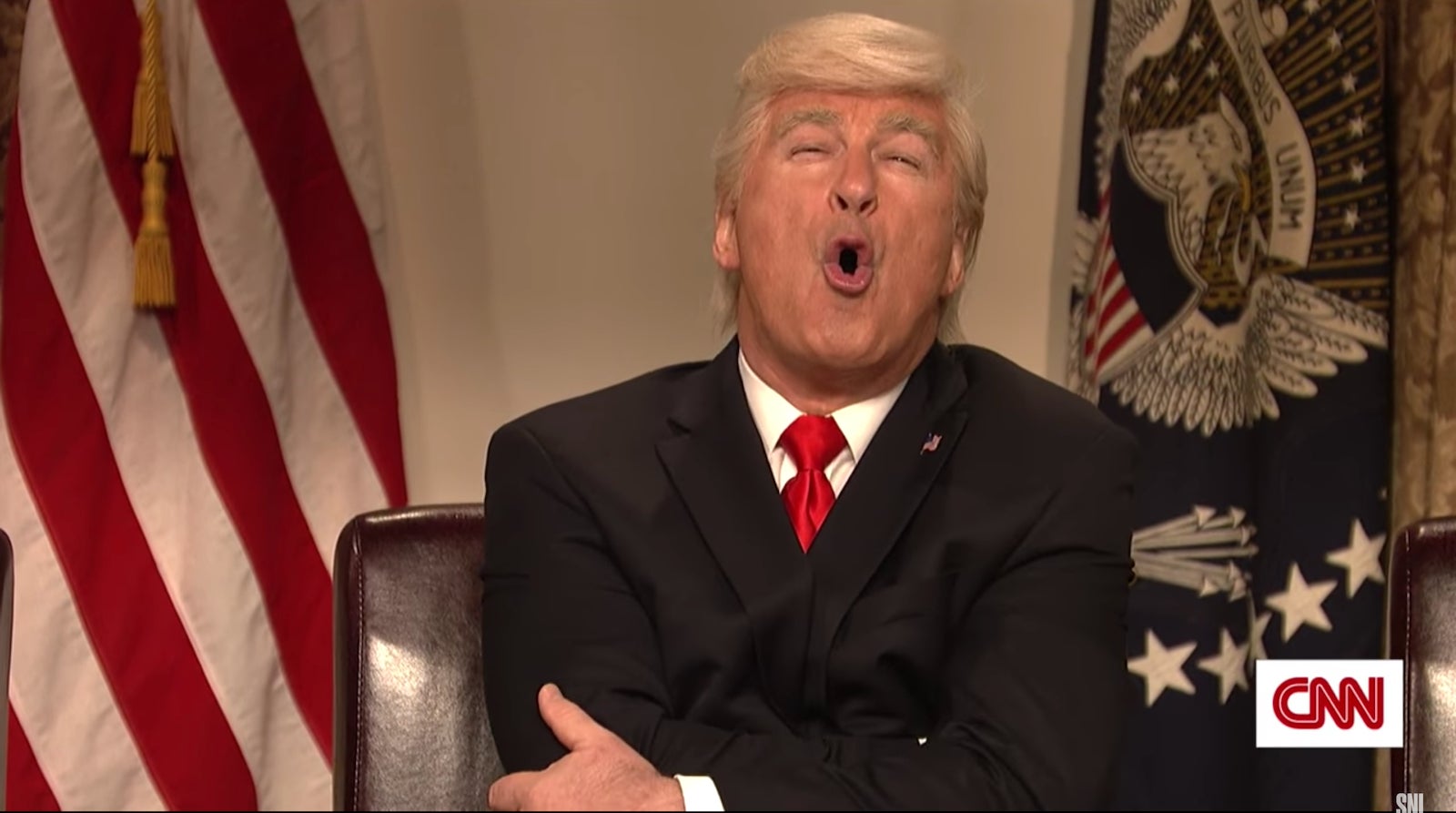
A day after Donald Trump threw a punch at Alec Baldwin on Twitter for his “dying mediocre career,” the latter devoted a six-minute cold open on Saturday Night Live to lampoon the president on a very topical subject.
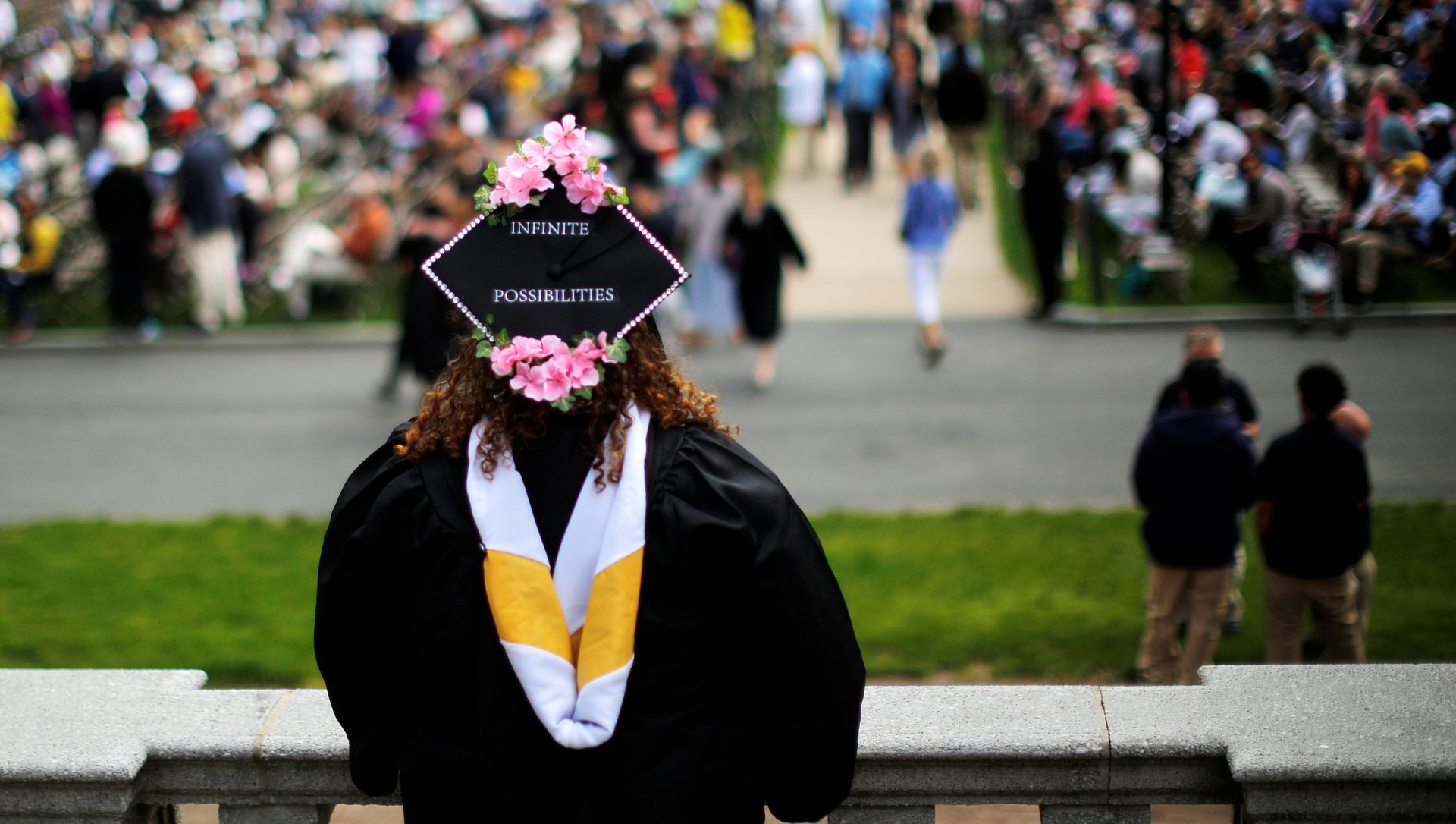
As crucial as a university degree has become for working in the modern economy, it is not the only route forward into a wildly lucrative and satisfying career—just ask famous dropouts Bill Gates, Oprah Winfrey, Michael Dell, Steve Jobs, Mark Zuckerberg.
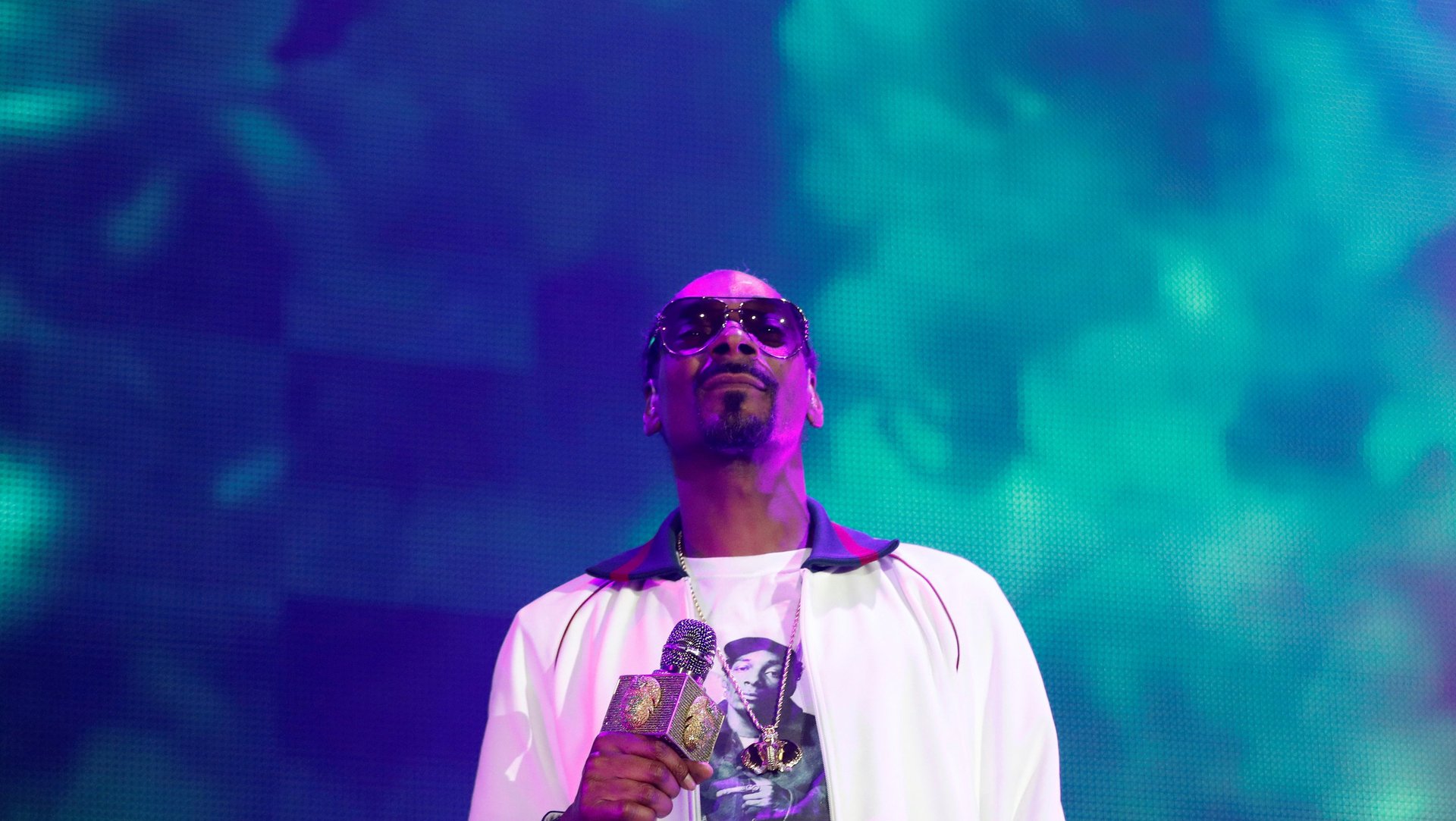
The most anticipated event in the music business kicked off yesterday: Spotify, the 10-year-old Swedish company leading the digital music-streaming market, finally filed its F1 to go public.
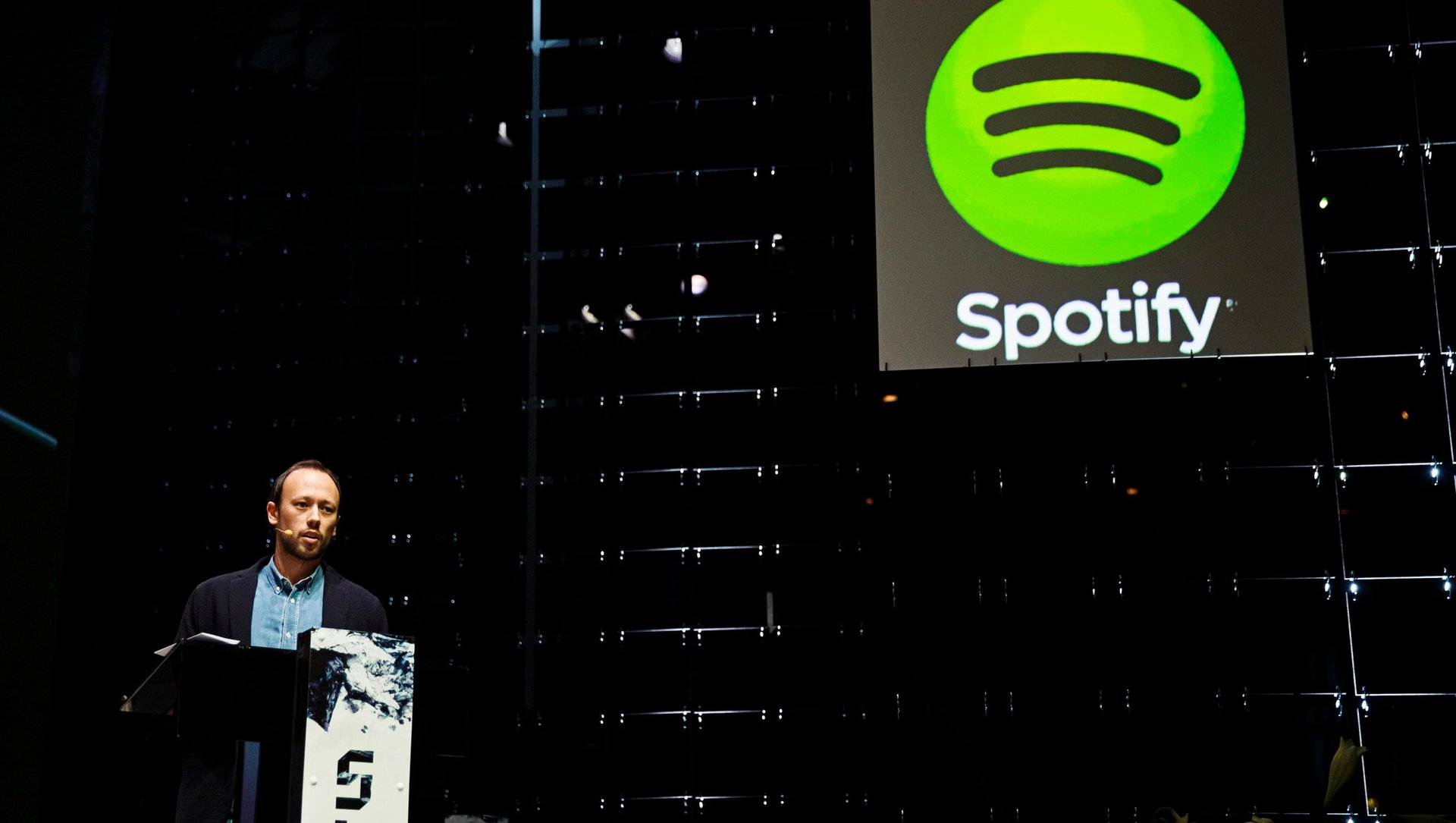
Music-streaming service Spotify is ready to go big.

Public opinion over colleges in the US—their quality, their exclusivity, their very purpose—is presently at a sharp divide.