
Tech & Innovation
Uber rival Ola is launching in London next monthUber’s status in London is about to get a lot more complicated.
Updated July 21, 20222 min read
Uber’s status in London is about to get a lot more complicated.
Uber conquered North America a long time ago. Except for Vancouver.

It’s an odd time to be an office-rental company.
Uber made some major changes in California last week.
European Android users are about to see a lot more of info.com.
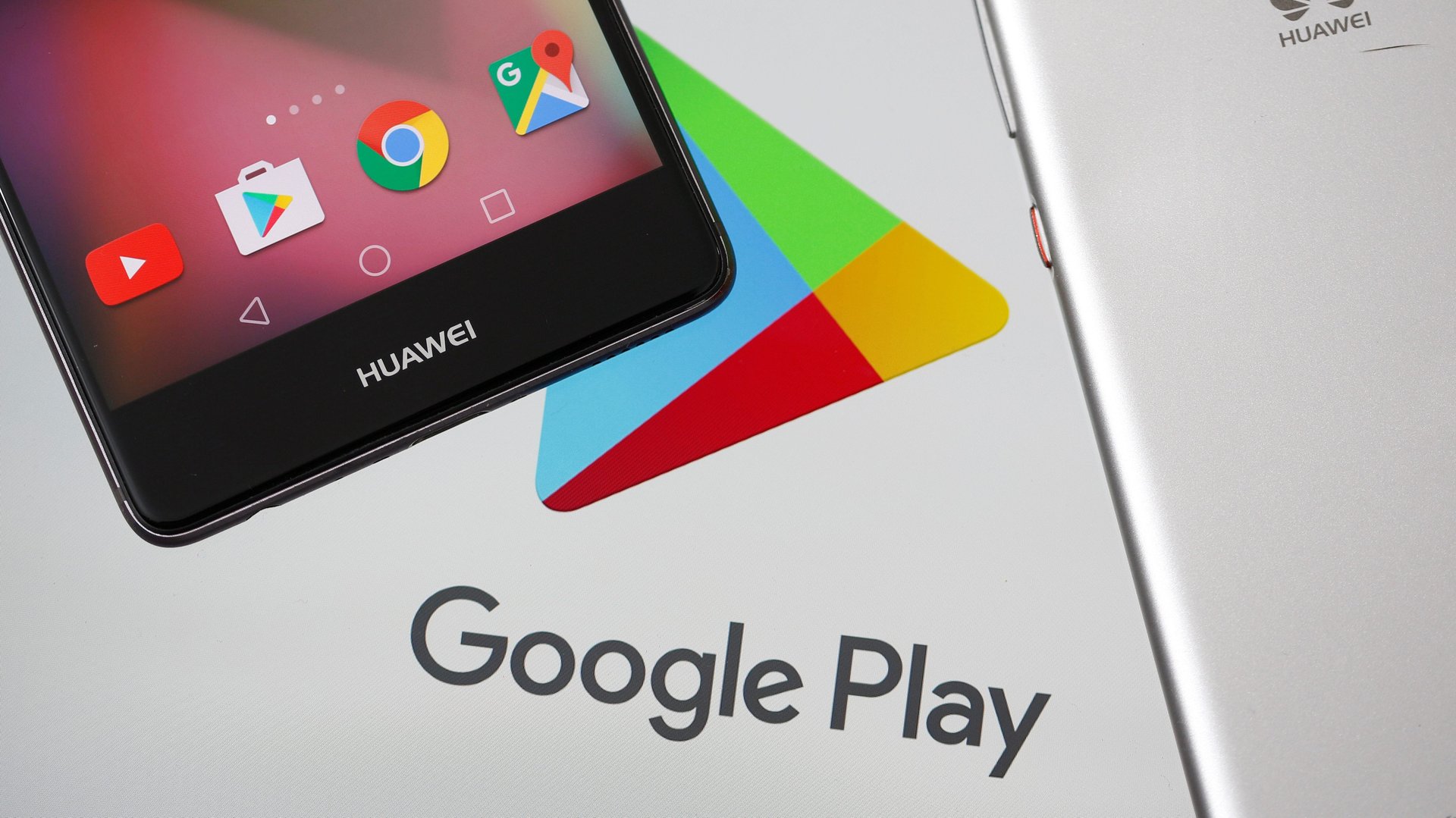
Starting March 1, Android phone and tablet buyers in the European Economic Area (EEA) will get more choice for browsing the internet.

2019 was the year of the blockbuster tech IPO. It didn’t go as planned.

Scooter companies often seem indistinguishable, with their monosyllabic names (Scoot, Skip, Spin) and identikit hardware. But this winter—the off-season, in the business—is giving European firms a chance to set themselves apart: they are determined to operate through the colder months, while some of their California-based rivals hibernate until spring.
When WeWork co-founder Adam Neumann lost his job, he walked away with a billion-dollar exit package. Many of his former employees aren’t so lucky.
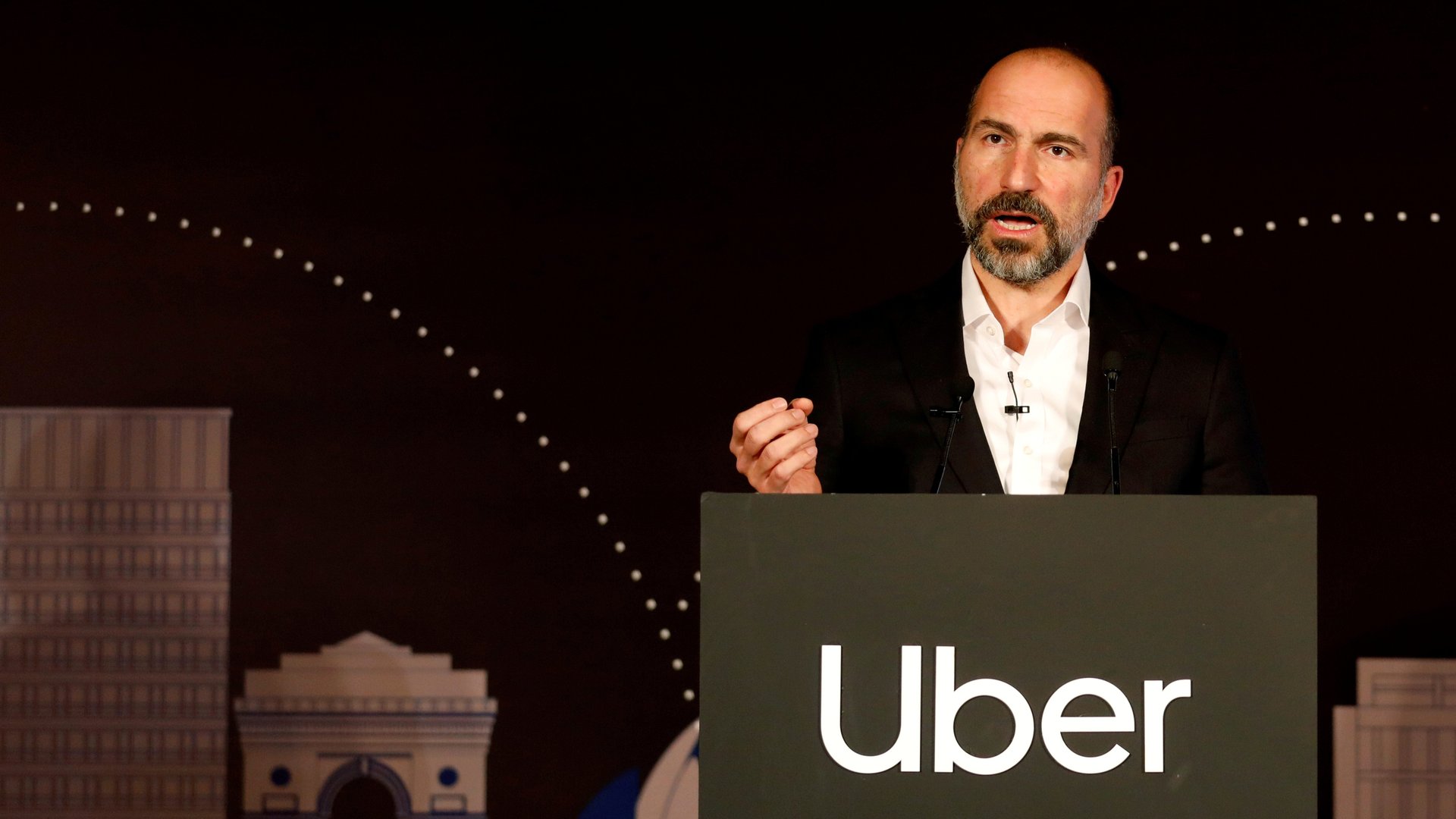
November was a bad month for Uber. London declined to renew its license. Seattle approved new fees on rides and a to-be-determined minimum wage for drivers. Chicago passed a congestion tax on ride-hail services that adds as much as $3 to private rides during peak hours. New Jersey hit the company with a $640 million bill for misclassifying drivers as independent contractors.

The star of Amazon’s Black Friday deals is… Amazon.
If you live outside the Czech Republic, you’ve probably never heard of the search engine Seznam. But for many Czechs, as the company likes to say, “Seznam.cz is synonymous with the internet.”
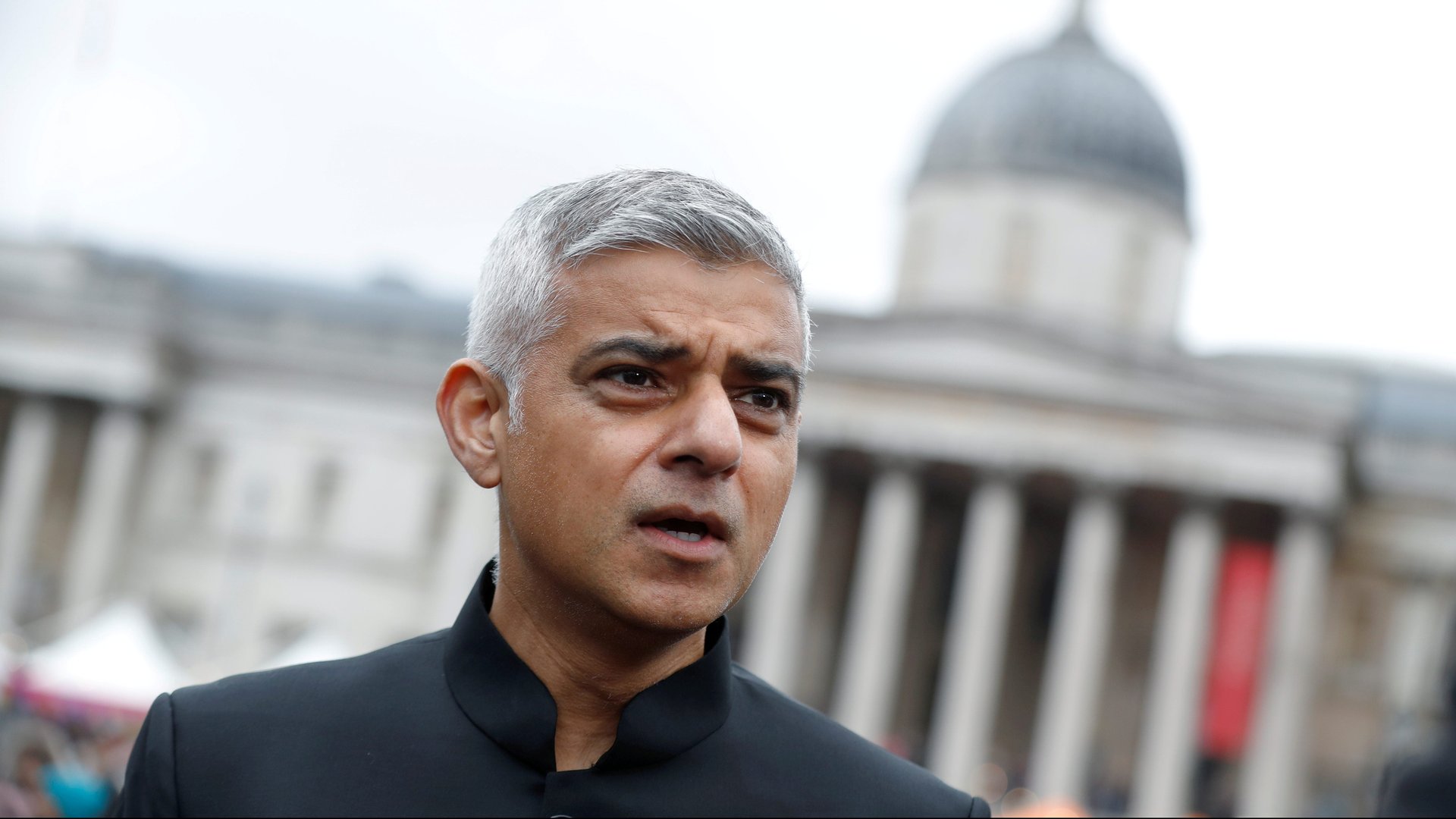
Uber is without a license in London, again.
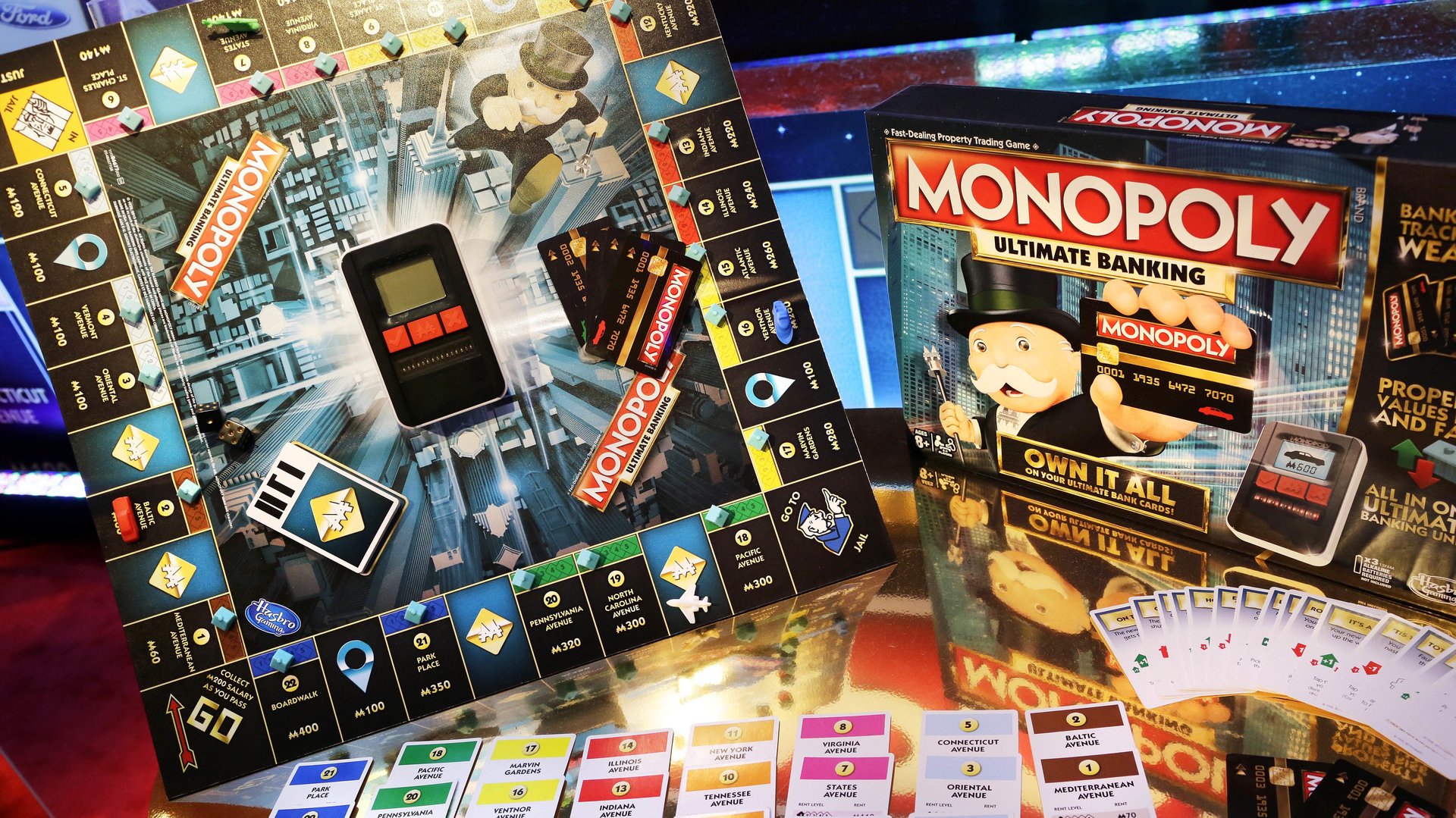
How big is too big? It’s the question of the moment when it comes to technology platforms. To understand how we got here, and where we might be headed, Quartz spoke with Matt Stoller, a fellow at the Open Markets Institute, and leading expert on the history of antitrust in the US. Stoller recently published Goliath: The 100-Year War Between Monopoly Power and Democracy. He also writes “Big,” a newsletter on the history and politics of monopoly power.
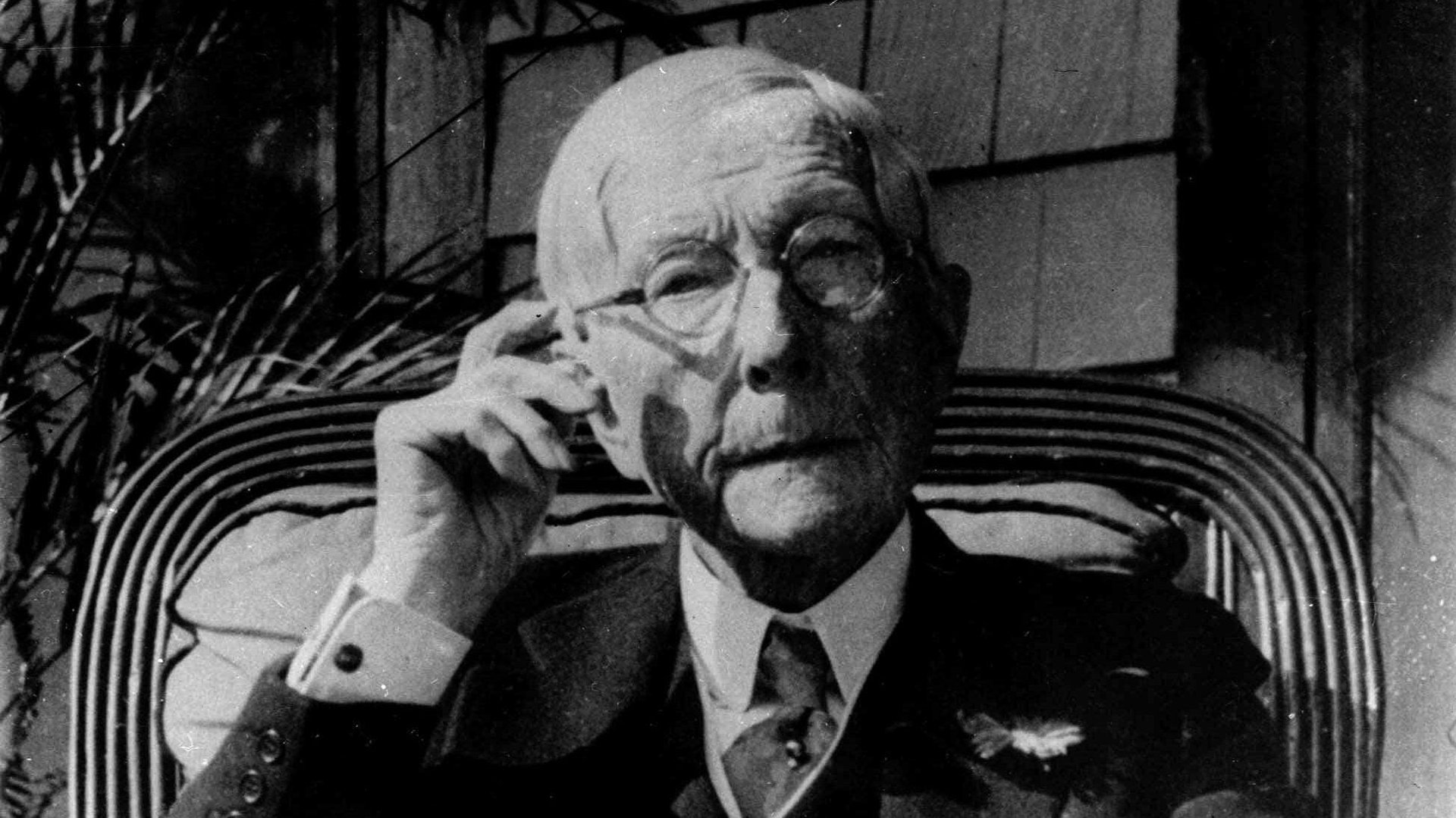
Before there was antitrust, there were trusts.
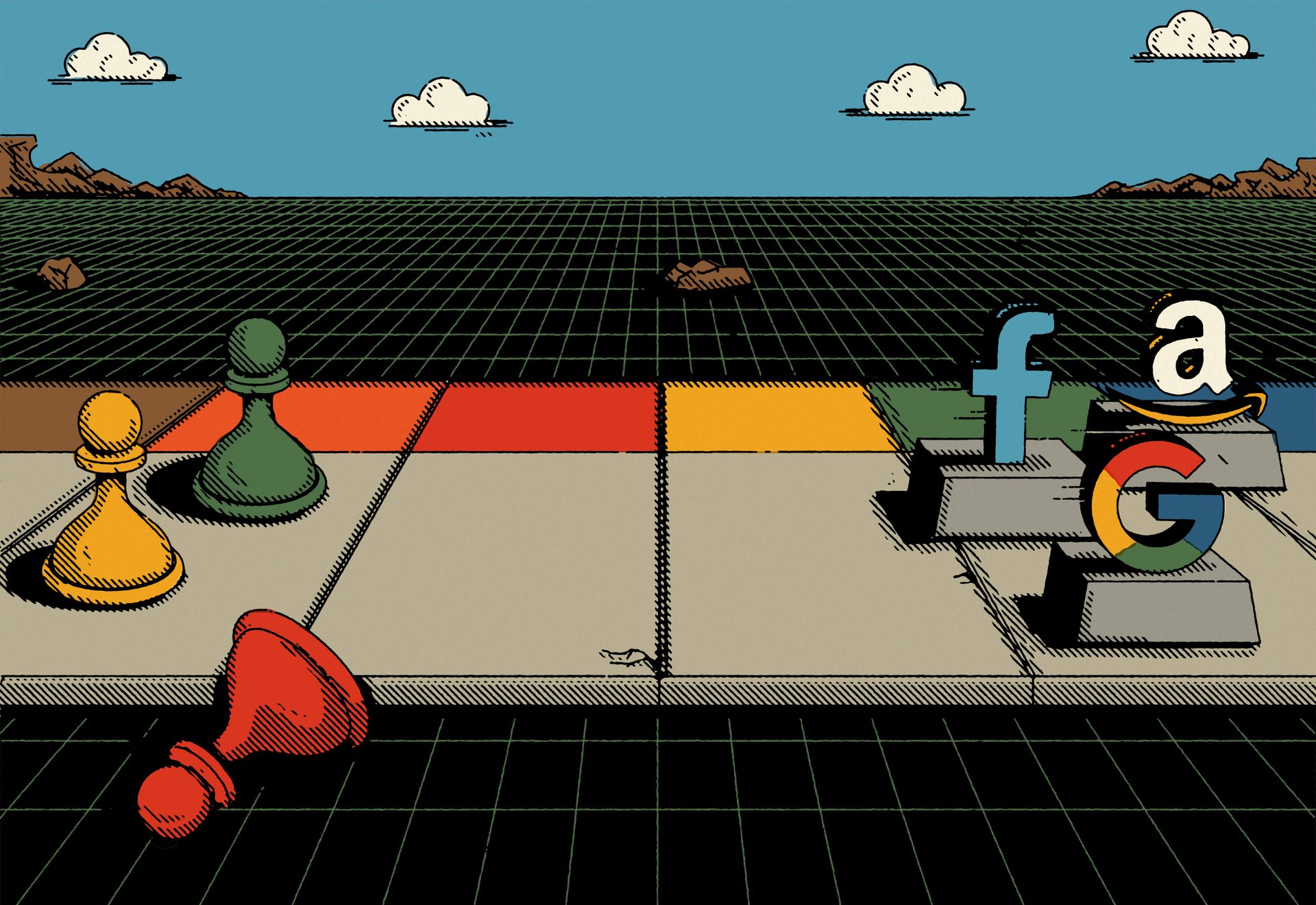
You’ve heard of Big Tech, because how could you not? Here you are, reading this on the internet. You may have come to it through Facebook or Google, and you are likely scrolling through it on an Apple or Android device (Google’s mobile operating system).

Uber has a big problem in London. Actually, three.

Quartz at Work editor Heather Landy and reporter Alison Griswold discuss the dissolution of the We Company and the end of the reign of Adam Neumann.
We are witnessing the WePlosion.
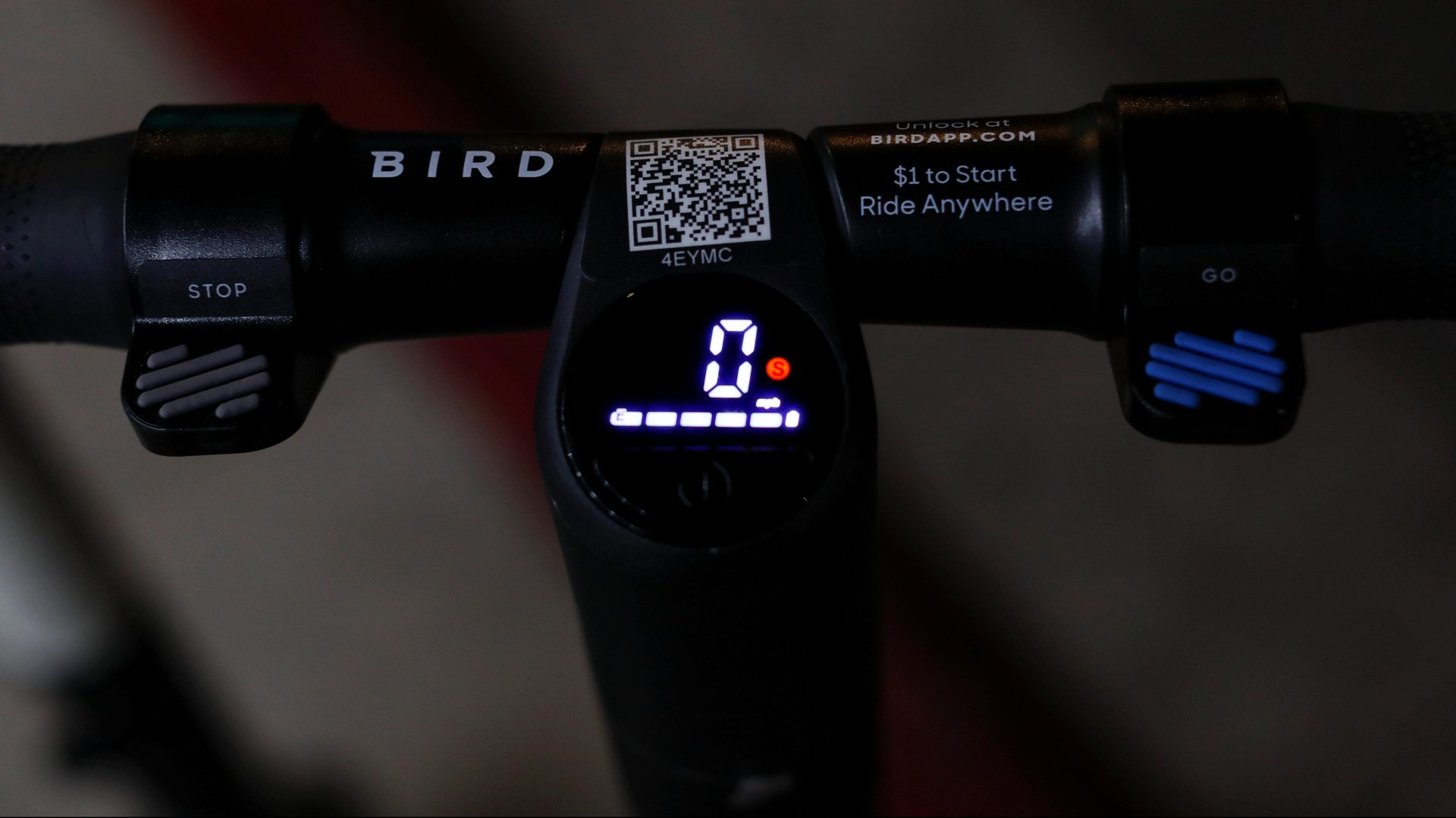
Electric-scooter company Bird said today it has raised $275 million in fresh funding at a $2.5 billion valuation, bringing its total financing to about $700 million.

To value a company, come up with a story and put numbers to it.

You can trace Uber’s rise in America in the data.

Adam Neumann almost got away with it.
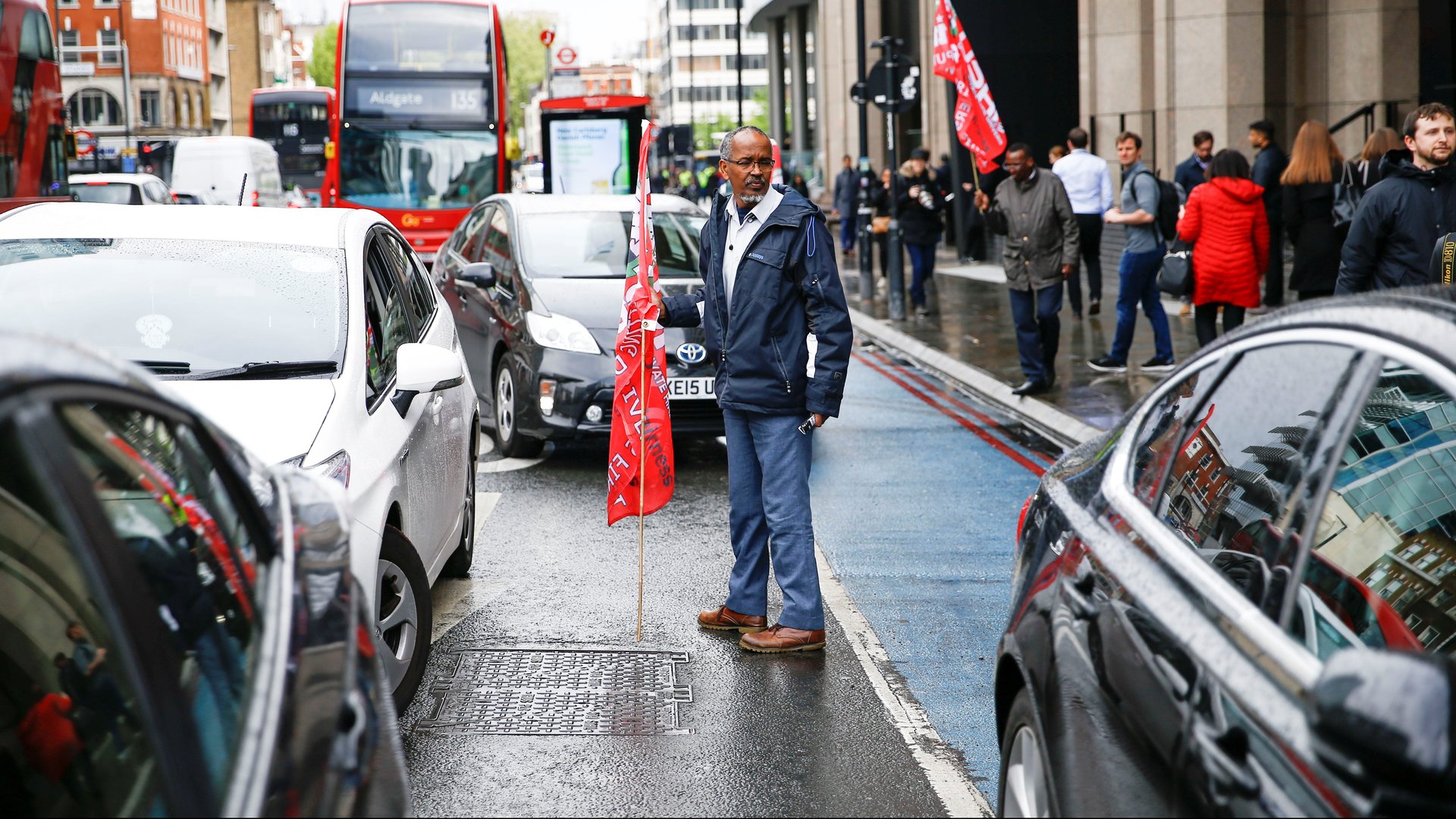
Uber wanted a long-term license to operate in London. Instead, it got two months.