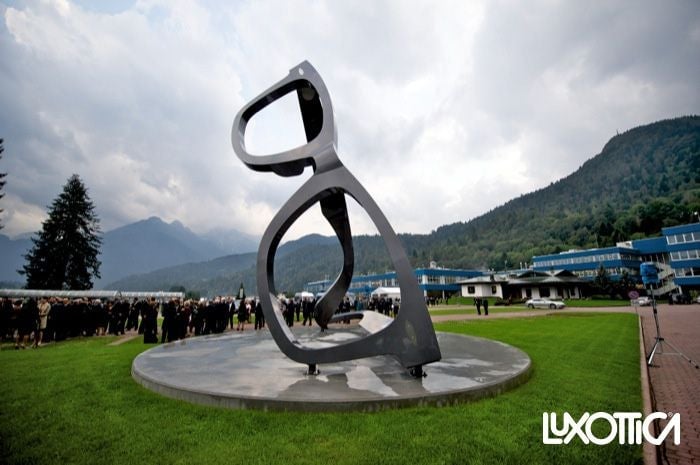
Leonardo Del Vecchio, the owner of the Italian eyewear giant Luxottica, is turning 80 on May 22. To celebrate the occasion, he’s decided to splurge on a €9 million ($10 million) present—not to himself, but to Luxottica’s 8,000 employees in Italy.

Leonardo Del Vecchio, the owner of the Italian eyewear giant Luxottica, is turning 80 on May 22. To celebrate the occasion, he’s decided to splurge on a €9 million ($10 million) present—not to himself, but to Luxottica’s 8,000 employees in Italy.

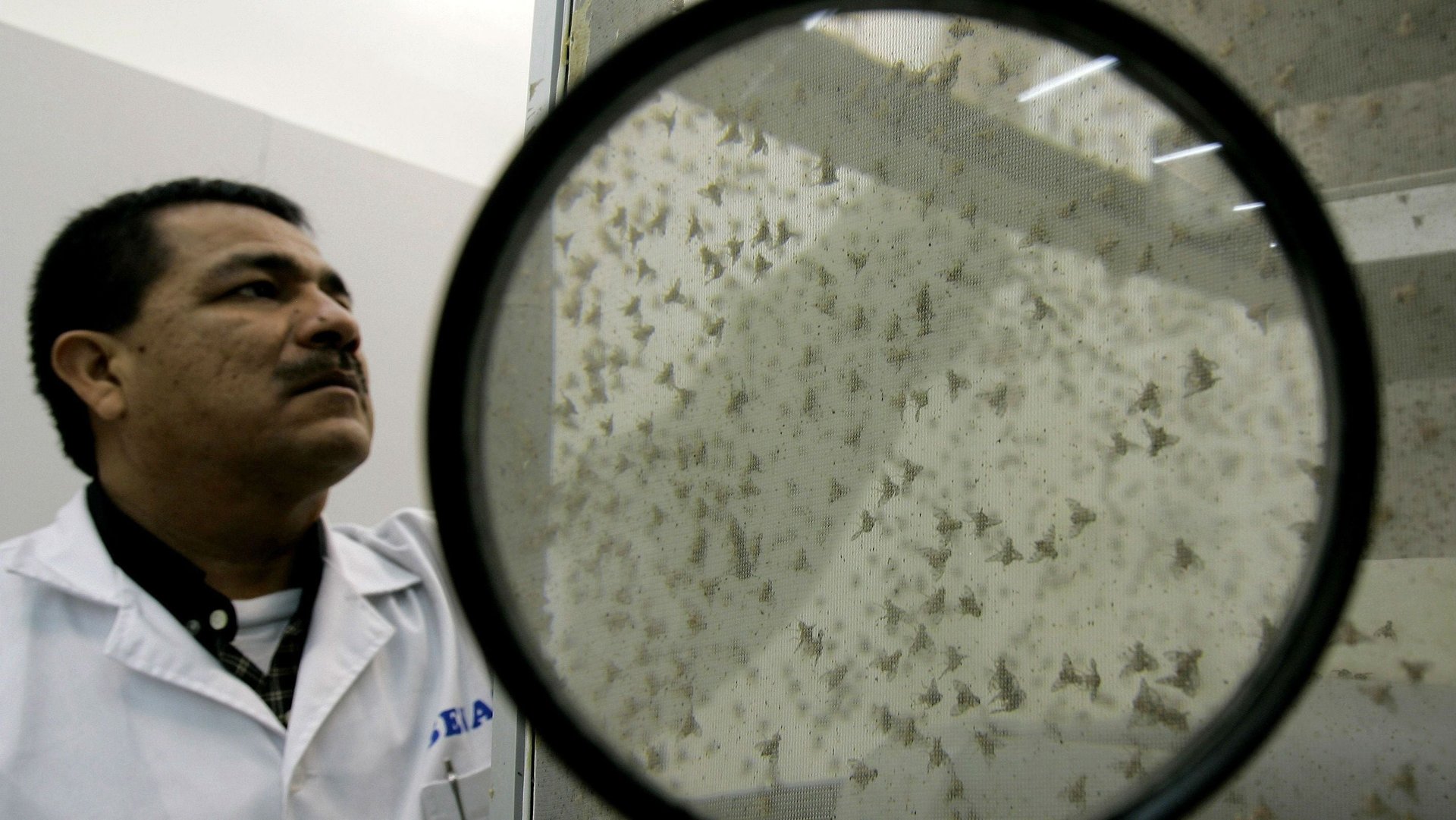
Talk about due credit: A paper published in the May issue of the journal G3, Genes, Genomes, Genetics has perhaps the most extensive list of contributors ever seen in a biology publication. The total number of authors is 1,014. Sarah Elgin, researcher at Washington University in Saint Louis, Missouri who led the project, thought it fair to credit all those involved in her study of the Drosophila (or fruit-fly) genomics. As presumably many other professors do, she enlisted undergraduate students (over 900 of them) to help with tasks such as cleaning up repetitive DNA sequences.

A very small change was just made to the world map of countries that recognize Palestine as a state: The Vatican is now among them.

Here’s something for the 80-some countries celebrating Mother’s Day today to cheer: compared to a few decades ago, many more mothers are around to be celebrated. In the last quarter century, the rate at which women die of pregnancy-related causes has dropped 45%, according to a World Health Organization (WHO) report (pdf), to just 210 maternal deaths per 100,000 live births in 2013.

Slovenian philosopher Slavoj Žižek isn’t one to shy away from provocative observations. In a video published on the portal Big Think, he takes on something that is commonly employed as a sensible cultural practice: Political correctness. The academic calls it a form of “cold respect.” He argues that giving space to an occasional exchange of “friendly obscenities” allows for more closeness and gives way to honest exchanges.

Heart disease is not a man’s problem. In 2013, 611,015 Americans (pdf, p. 30) died of heart-related problems, and unlike what you might expect, the gender breakdown was pretty even: 52.5% of the deaths were men, 47.5% women.

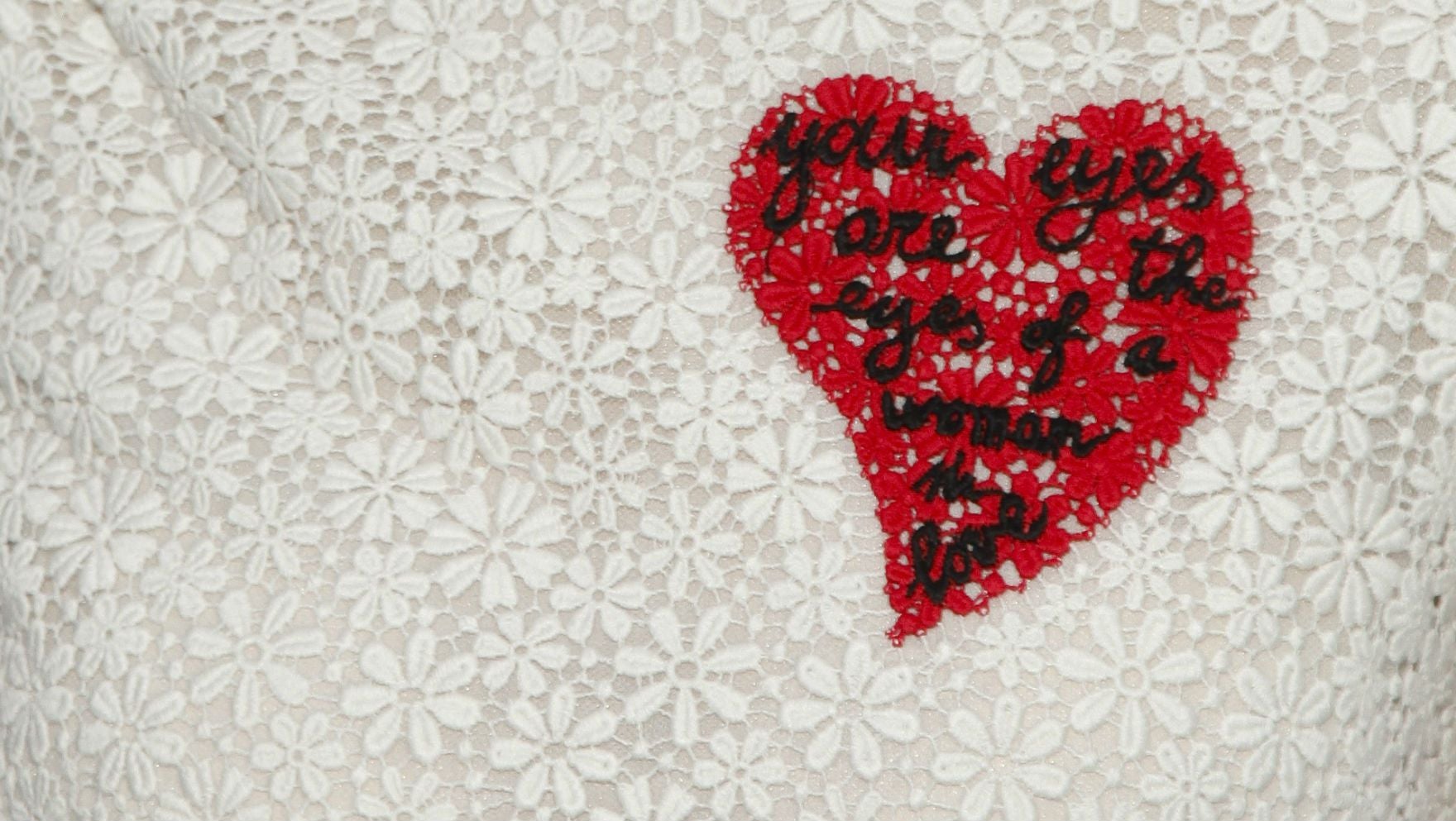
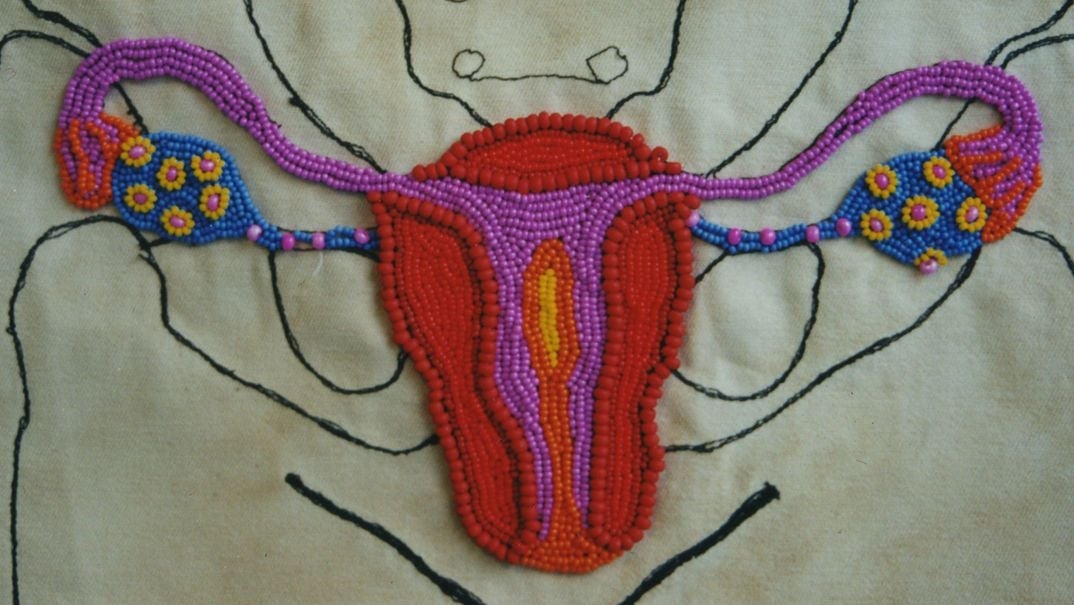
“That time of the month,” “my days,” “Aunt Flo,” “the rag”—the list of euphemisms that refer to menstruation is never ending. We don’t want to talk about it, we won’t even utter the word: When’s the last time you heard a woman say, “I’m menstruating?”

Speaking in front of 20,000 people in St. Peter’s Square on April 29, Pope Francis referenced the teachings of the bible to make some strong statements about gender equality.

Baltimore is home to one of the world’s most prestigious health institutions—the Johns Hopkins School of Medicine. It is also, as Forbes reports, one of the American cities with an African American majority population (64%) that is struggling with poor health.

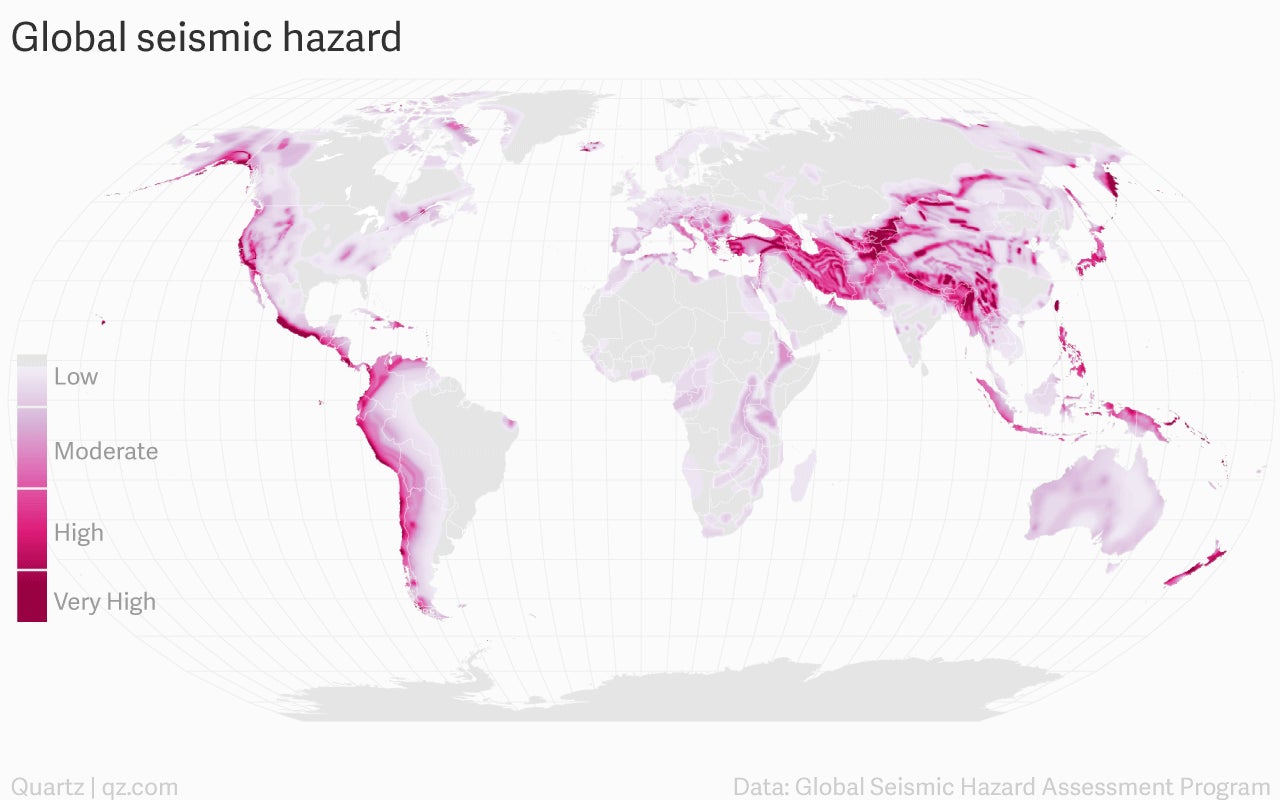
In the past 24 hours, there have been 25 earthquakes around the world. Many of them are of low magnitude, but at least nine were a magnitude of 4.5 or stronger. Earthquakes can potentially occur anywhere (the small earthquake that shook the US East Coast in 2011, an area considered not at risk, is proof of that); however, the likelihood that an area be hit by an earthquake and its strength vary.

From the stage of the Women in the World (WITW) conference, a summit organized by media powerhouse Tina Brown for the sixth year in a row, Sunitha Krishnan, a feisty Indian anti-trafficking activist, asked the audience: ”Why are we silent? Why do we sit and expect someone else to ring the bell?”

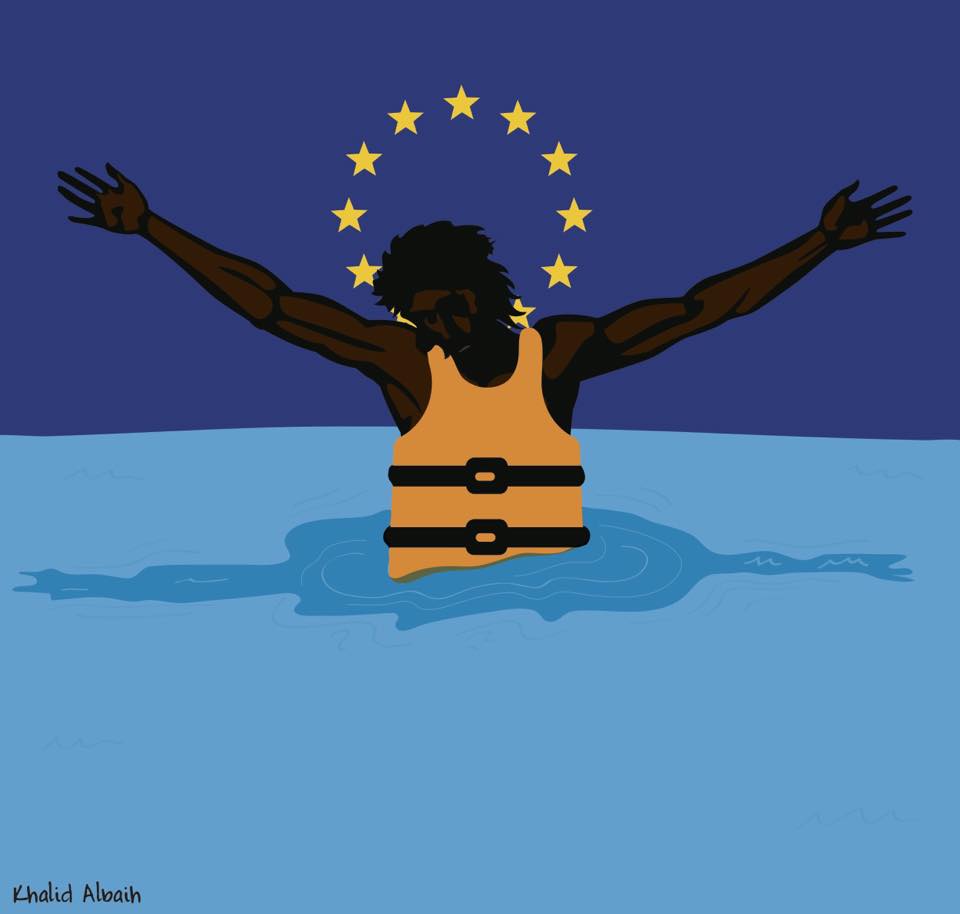
On Apr. 22, cartoonist Khalid Albaih posted a single cartoon on social media: a black Jesus Christ, crucified, floating in blue water. Instead of a crown of thorns, he wears the European Union circle of stars.

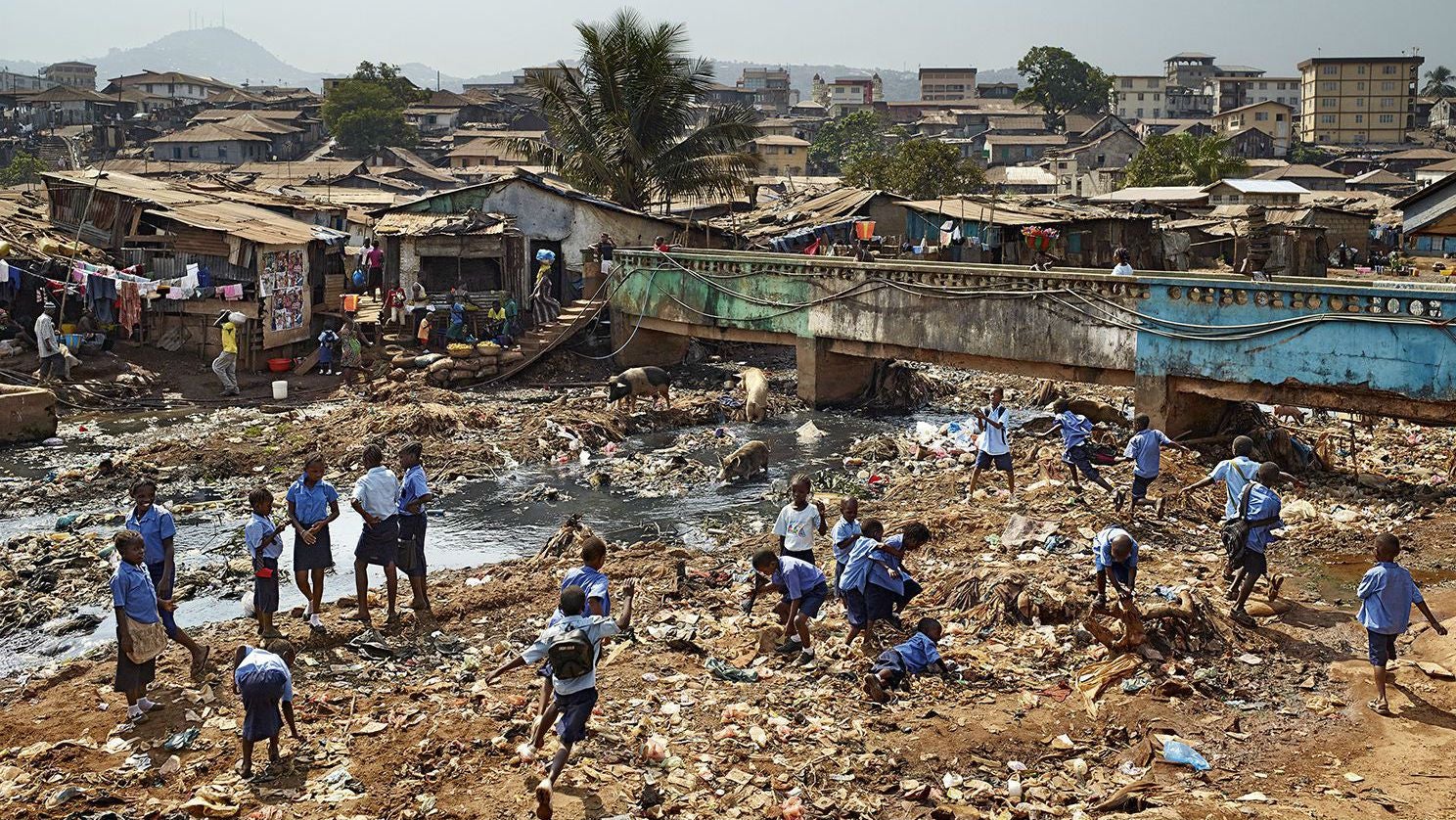
Photographer James Mollison has a talent for highlighting the peculiarities of different cultures by portraying similar situations in different contexts. In his book Where Children Sleep Mollison portrayed children from all over the world—from China, to Kenya, to Brazil—in their bedrooms surrounded by their toys and possessions. And he’s done it again with his new book, Playground, which examines school playgrounds around the world.

BRCA1 and BRCA2 are arguably the best-known human genes because their mutations are linked to an increased risk of breast and ovarian cancer. When Angelina Jolie revealed in a New York Times op-ed that she’d tested positive for the mutation and decided to undergo a double mastectomy, she also noted that: ”The cost of testing for BRCA1 and BRCA2, at more than $3,000 in the United States, remains an obstacle for many women.”

Every year a Columbia University committee awards two Pulitzer prizes to journalists for breaking news photography and feature photography (until 1967, the prize for photography was just one).

Catherine Elizabeth Middleton and William Arthur Philip Louis Windsor—better known as Britain’s Prince William and his wife, the Duchess of Cambridge—are about to have their second child. St. Mary’s Hospital in Paddington, West London, where the baby will be delivered, has started preparation, putting up no parking signs in order to stop media and curious bystanders from loitering outside the hospital.

Bangladesh is determined to stop a public health epidemic that kills 18,000 children every year: drowning. In Bangladesh, drowning is the leading cause of death for children aged one to 17, and causes 43% of deaths for kids between the ages of one and four—more than measles, cholera, diarrhea and pneumonia combined.

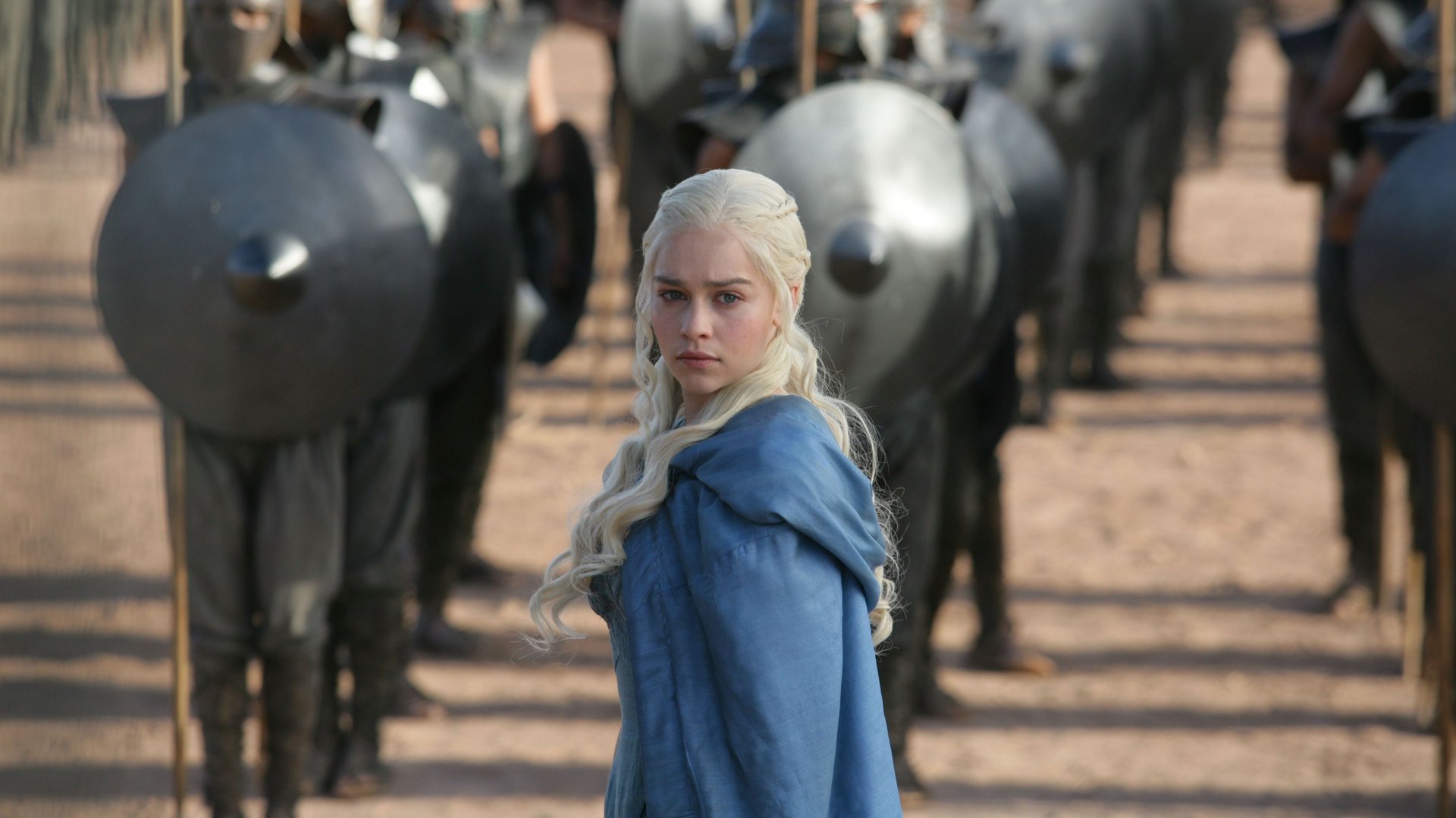
Earlier this year, the entire third season of House of Cards was briefly released on Netflix by mistake, ahead of its official release date. Now it seems that four episodes of season five of Game of Thrones have leaked ahead of the season preview tonight, 9pm EST on HBO.

Spain’s government has approved a new law, the ley de seguridad ciudadana (citizen safety law), to go into effect on July 1. The law, nicknamed ley mordaza or gag law (link in Spanish), significantly restricts people’s rights to protest, introducing fines up to €30,000 ($31,000) for infringements such as taking pictures of police, peacefully protesting a public authority, or gathering in protest in front of the congress building.


Cancer drugs are more expensive in America than anywhere else, and their cost rises every year, causing serious economic consequences for people undergoing cancer treatment. This is especially true for Americans without health insurance who, according to a research from the University of North Carolina at Chapel Hill, are asked to pay from two to 43 times the price insured patients spend on the same treatments.

Long distance runners are hot—scientifically speaking. It’s not just that running makes men fit and athletic: Long-distance running might be the mark, natural-selection-wise, of a high quality male, according to a new research, one that women would do well to select as a mate.

This item has been corrected.

The Middle Ages have long been history’s renegade centuries. Deemed awful enough to be nicknamed the “Dark Ages,” the years after the fall of the Roman Empire are commonly thought of as a backward era of cultural degradation, a time during which Western culture died, until it was reborn during the Renaissance, and life was switched on with the Enlightenment.