

Emails
China welcomes Huawei executive homeGood morning, Quartz readers!
Updated July 21, 20224 min read
Good morning, Quartz readers!
Good morning, Quartz readers!

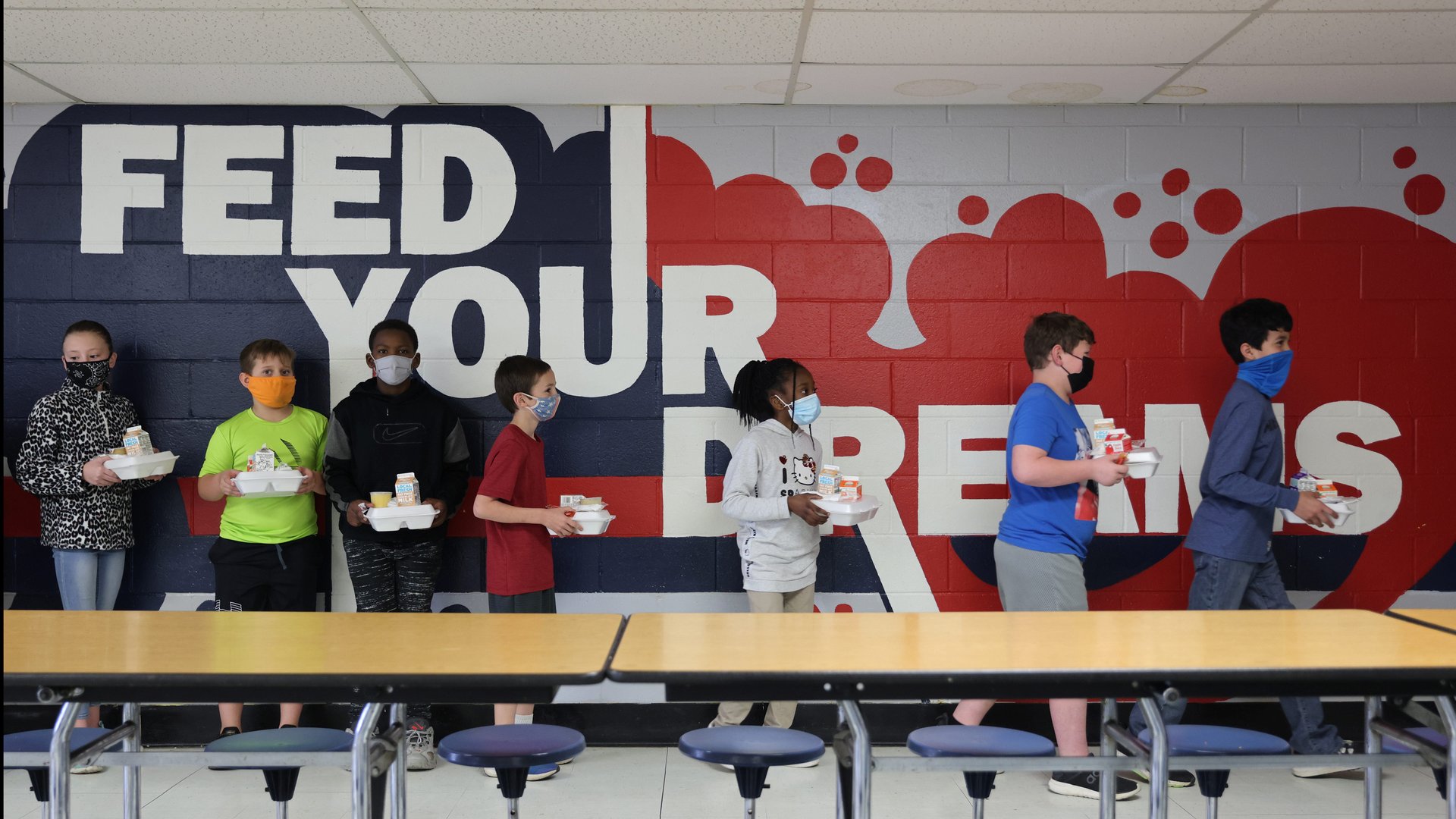
American parents are slated to receive more pandemic-related aid starting July 15, when Joe Biden’s administration will start distributing cash to families with joint income of less than $400,000 or individual income below $200,000.

Used car prices are booming in the US. They jumped 10% from March to April, the biggest spike since 1953, when the government started collecting data. Overall consumer prices rose 0.8%, a bigger increase than expected, according to the latest data from the Bureau of Labor Statistics.
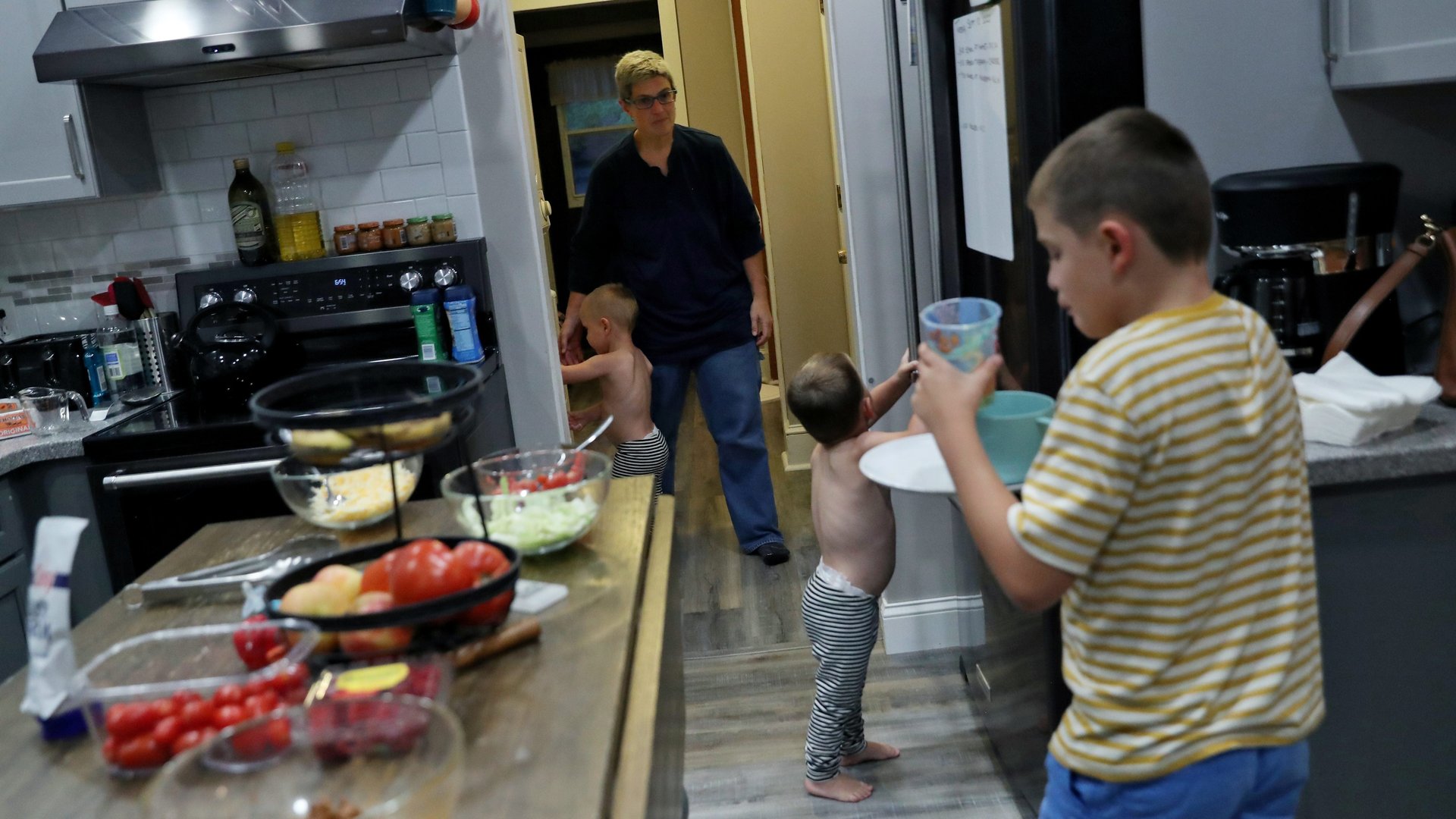
President Joe Biden released his American Families Plan today, a $1.8 trillion package that promises nothing short of rewriting the US’s social contract.

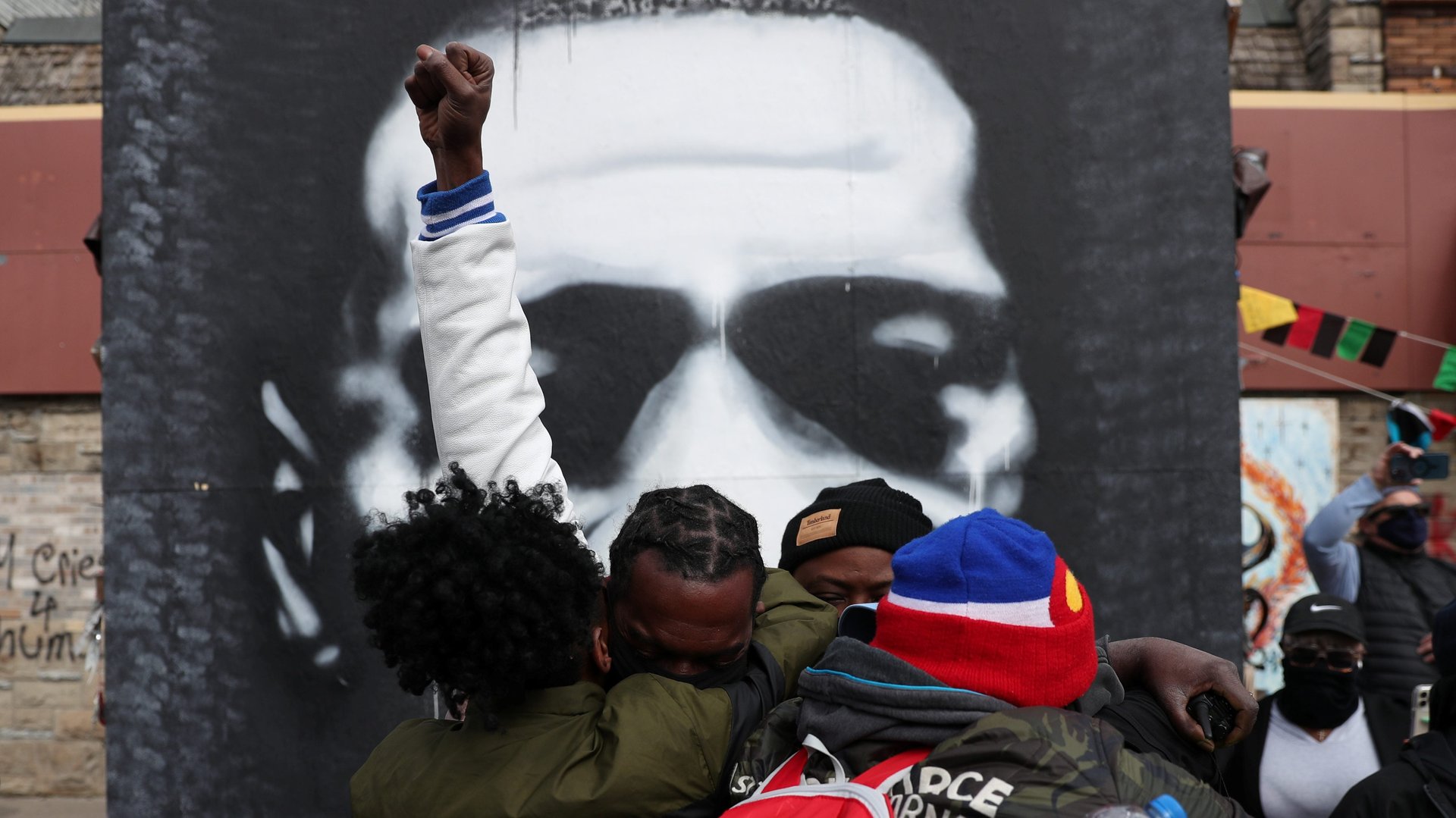
Over the past year, the intersection of 38th St. and Chicago Avenue in Minneapolis, has been the site of vigils and protests. It’s where Derek Chauvin pinned a handcuffed George Floyd to the ground, murdering him. On Tuesday, it became a place of celebration after a jury found Chauvin guilty of the three charges against him.

JPMorgan chief Jamie Dimon had a lot to get off his chest: The head of America’s biggest bank wrote his longest shareholder letter since becoming CEO 16 years ago, clocking in at 66 pages. Some new words also made their debut in his popular annual missive, like Latinx, carbon, and booming.

This time last year, world and business leaders hobnobbed in Davos as the first Covid-19 cases started to pop up outside China. This week, the World Economic Forum reprises its annual meeting, albeit in a very different form.
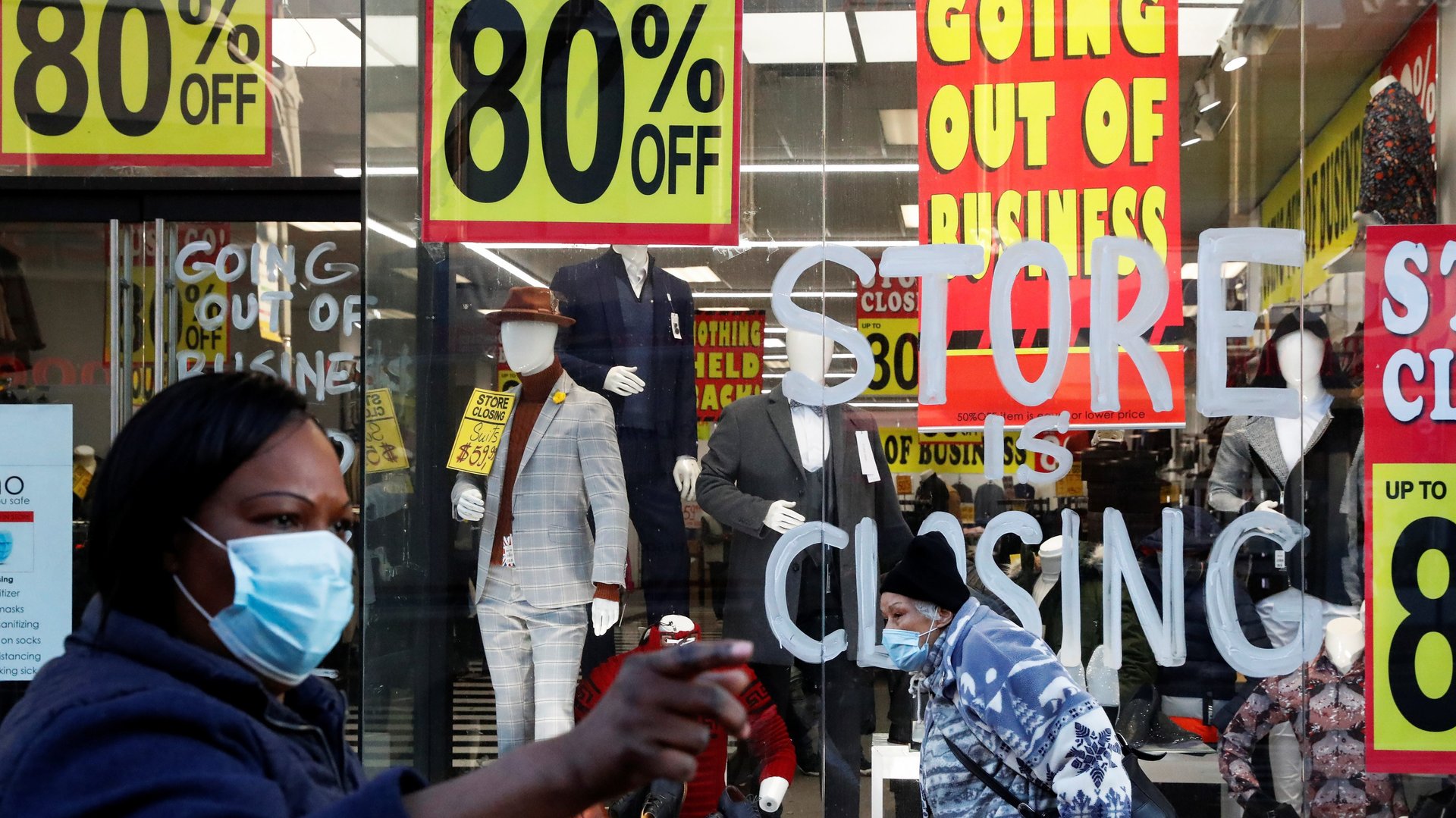
The US is giving its glitchy small-business loan program another go. Nearly a third of the new $900 billion Covid-19 aid package will go toward extending the Paycheck Protection Program, or PPP, designed to save jobs at small companies through another $284 billion in forgivable loans.
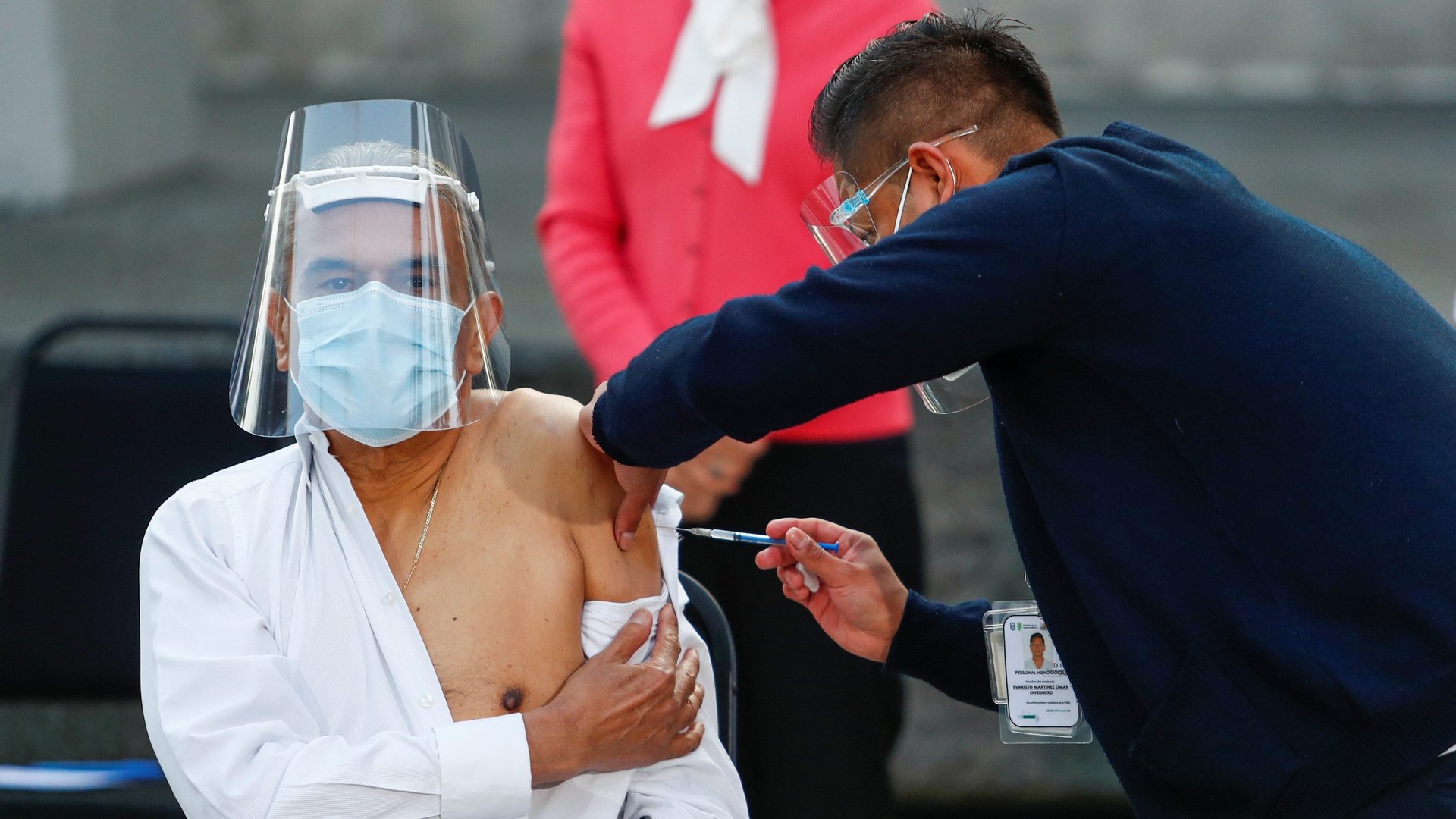
Covid-19 vaccines are slowly spreading across the world as 2020 draws to a close. On Dec. 24, Mexico and Chile became the latest countries to start administering the Pfizer/BioNtech shot.
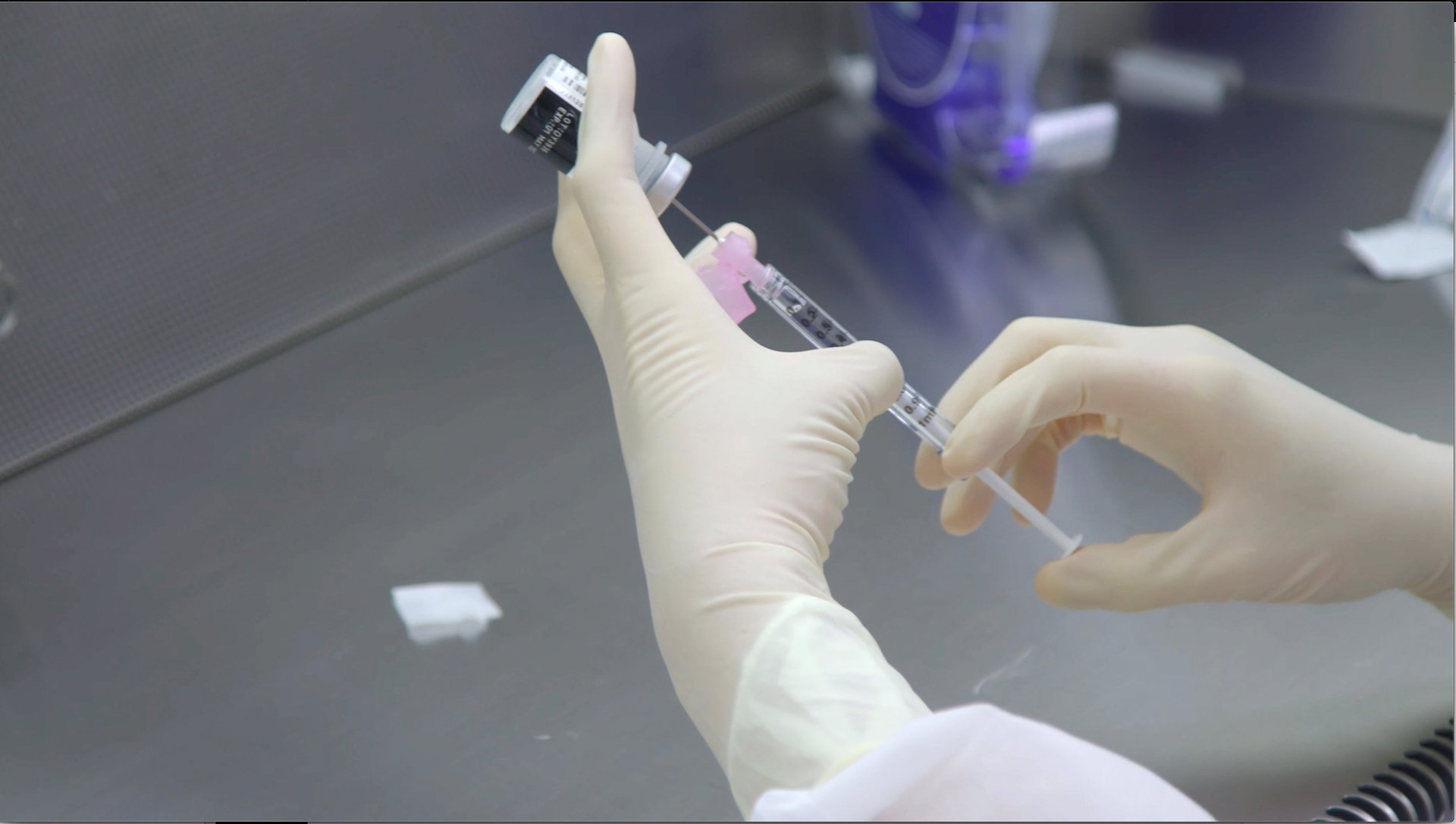
Nurses and doctors in the US could start administering the Covid-19 vaccine as early as next week, with the Food and Drug Administration expected to authorize Pfizer’s version imminently. But whose arms they will be jabbing, exactly, will be up to states.
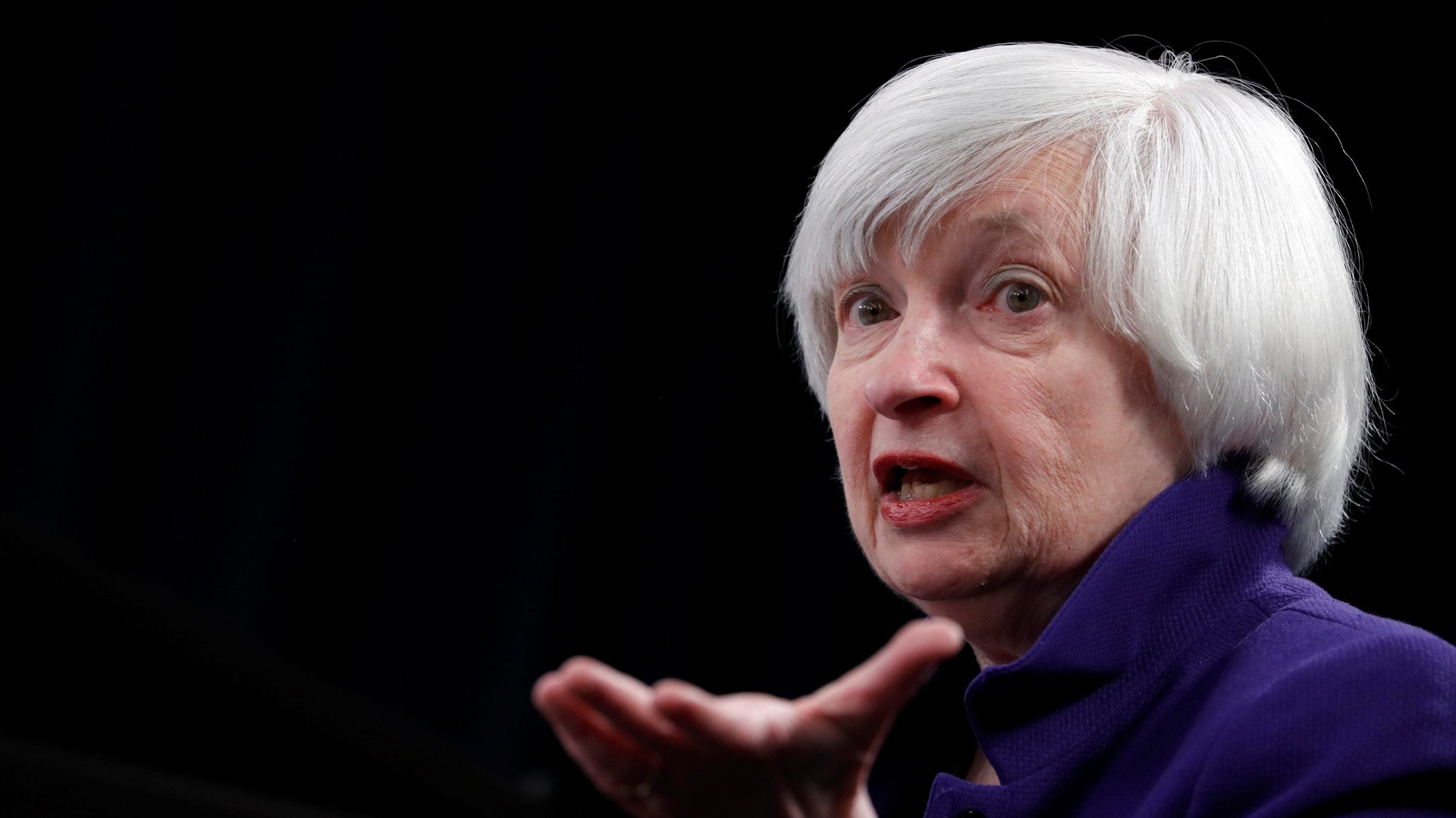
Politically, Janet Yellen was the safe choice among the names on president-elect Joe Biden’s shortlist for his Treasury secretary. She’s well-respected by investors and people on both sides of the ideological spectrum.
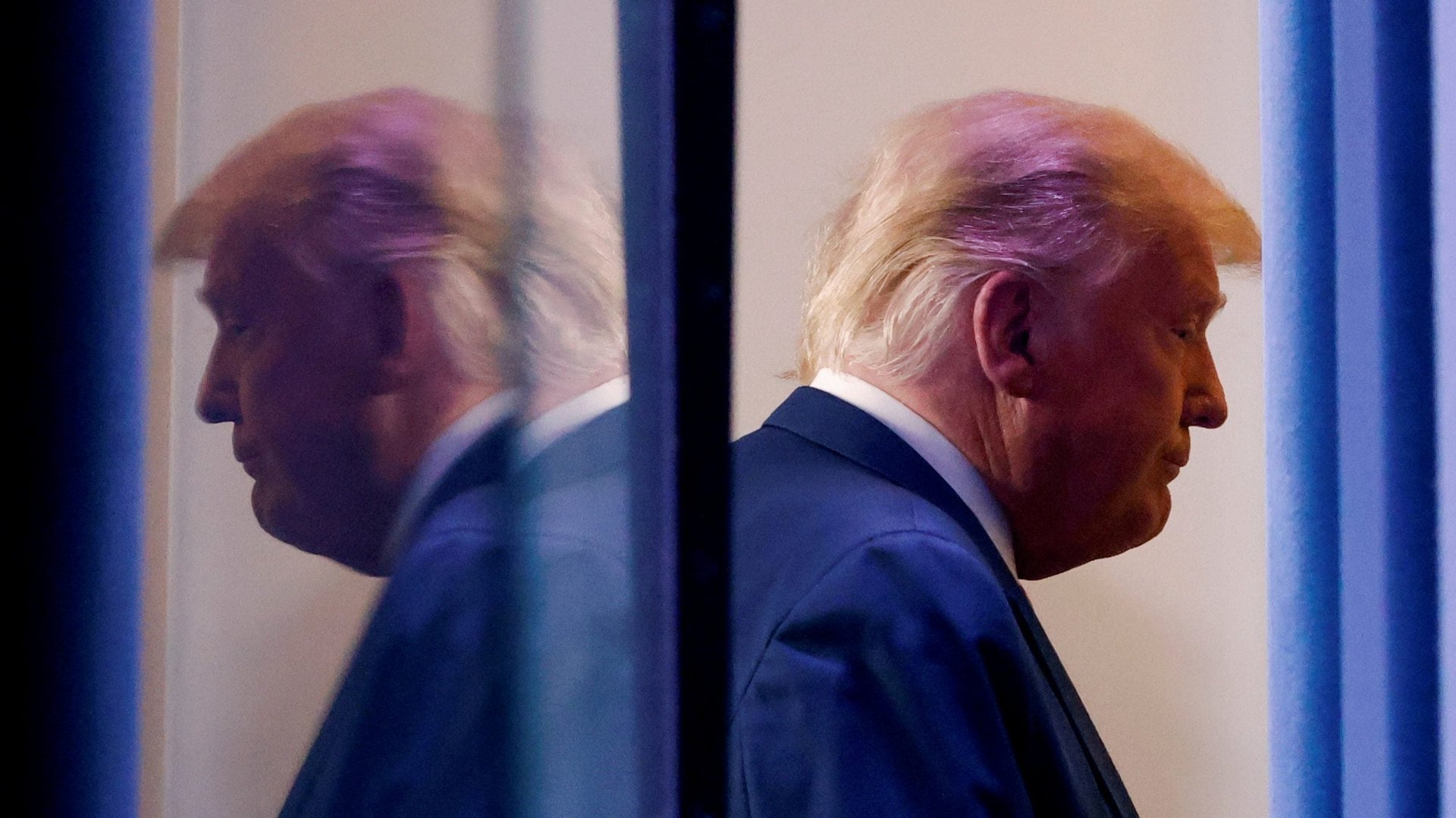
US economic fortunes have been influencing presidential outcomes since the times of George Washington. Over the past two and a half centuries, Americans have tended to vote out incumbents when the economy sours, and rewarded them with another term when it’s thriving, a phenomenon that political scientists call “retrospective economic voting.” For example, in 1980, amid raging inflation and lackluster growth, Jimmy Carter was pummeled by Ronald Reagan. Four years later, with the economy booming, the incumbent won by a landslide.
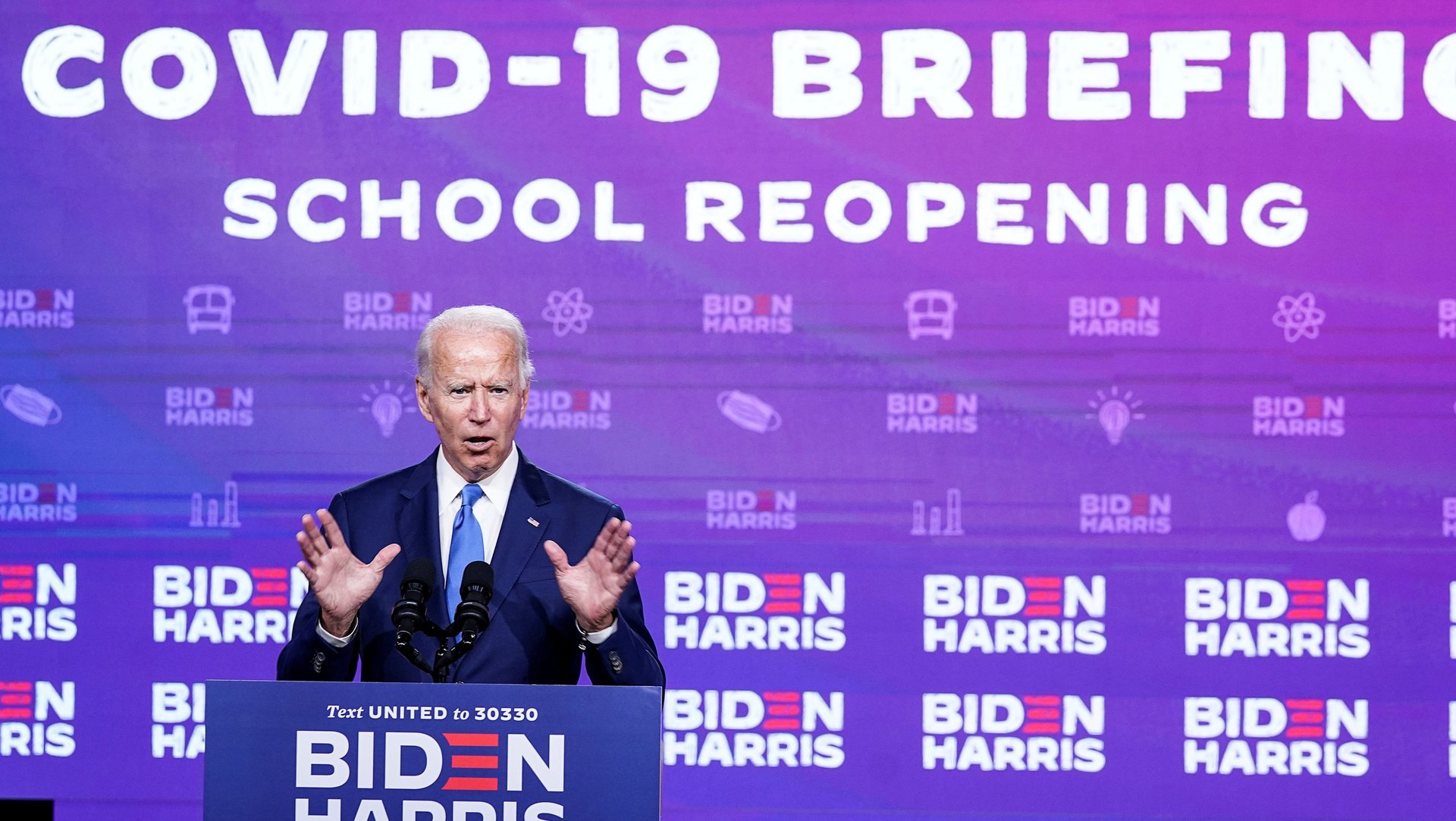
All US presidential candidates have an ambitious list of tasks they promise to accomplish on the first day of their presidency. Whether or not they can actually fit a few hours of work between their noon inauguration and the evening galas, the promised Day One agenda is filled with items of heightened importance to their electoral base. Often, they involve reversing unpopular actions of their predecessors and can be accomplished by executive order without waiting for Congress.
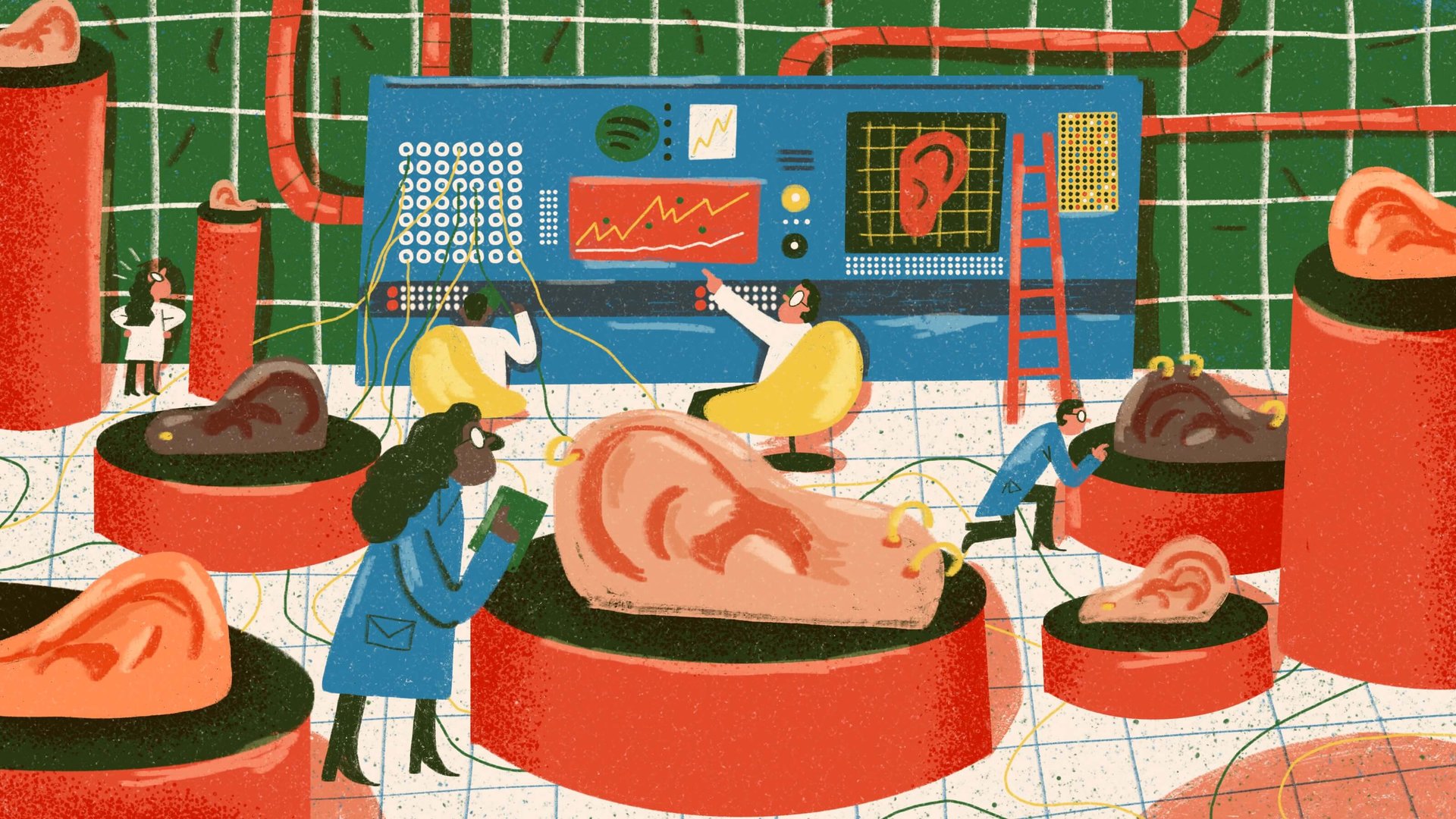
Dave Zohrob first dabbled in podcasting in 2018 with a tech news show he recorded in his office broom closet. It got nearly 2,000 downloads on its first day.
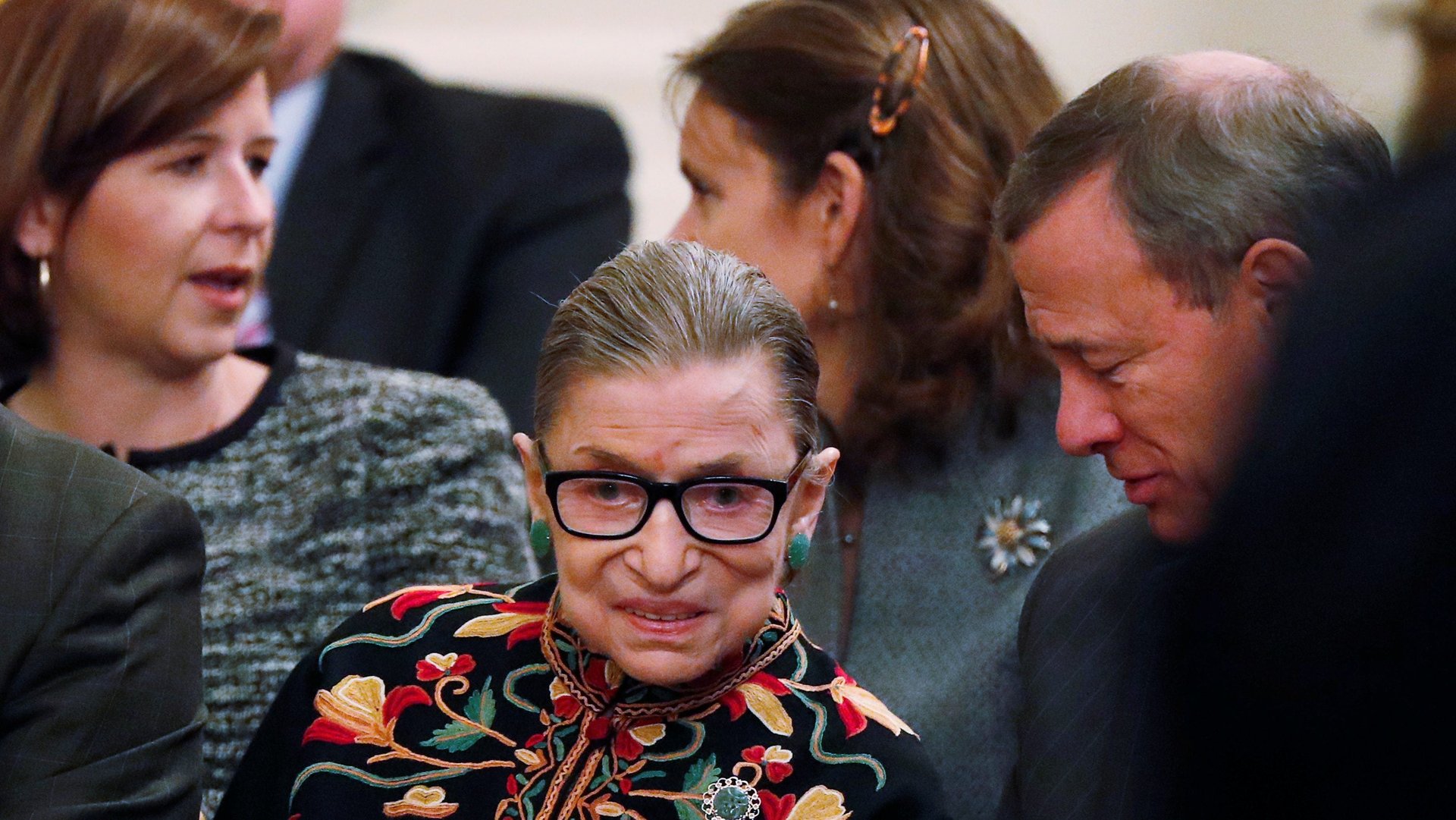
Feminist icon, women’s rights champion, pioneering US Supreme Court justice. She was all of these things, as noted in the scores of obituaries published in the wake of her death. Less mentioned is the trait underpinning these accomplishments: unwavering patience.
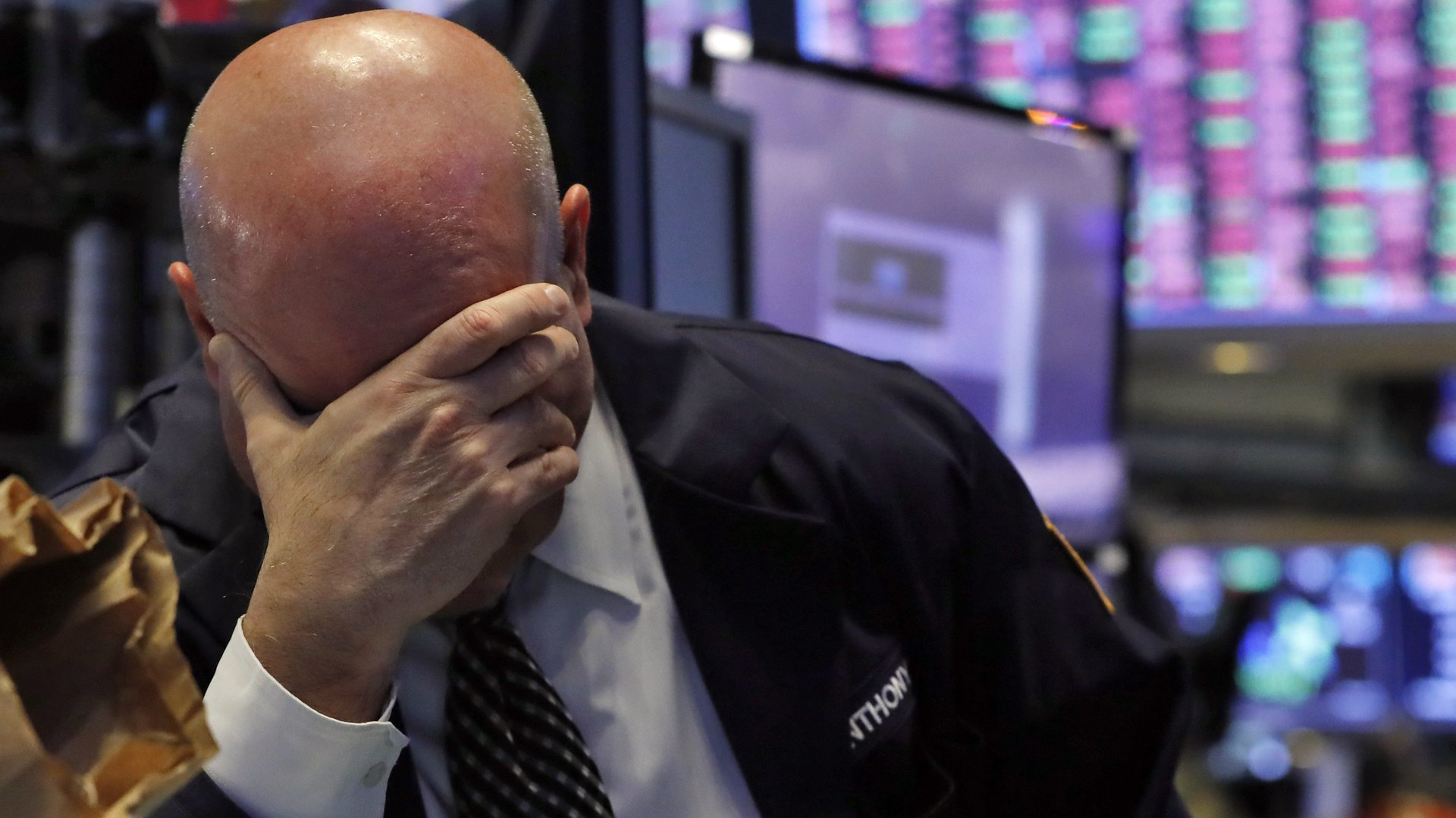
Structural racism is evident everywhere in America, but especially in the makeup of the country’s highest-paying professions. From law to finance to software development, data show wide gaps between white and Black workers, not only on salary but in racial representation within each field.

There’s an irony to making data-based decisions in the age of coronavirus: It’s never been more important—whether you’re a business leader, politician, or consumer—but it’s also never been more difficult to do well. Coronavirus has caused a data deluge, and not all of the information is as accurate, objective, or up-to-date as it seems.
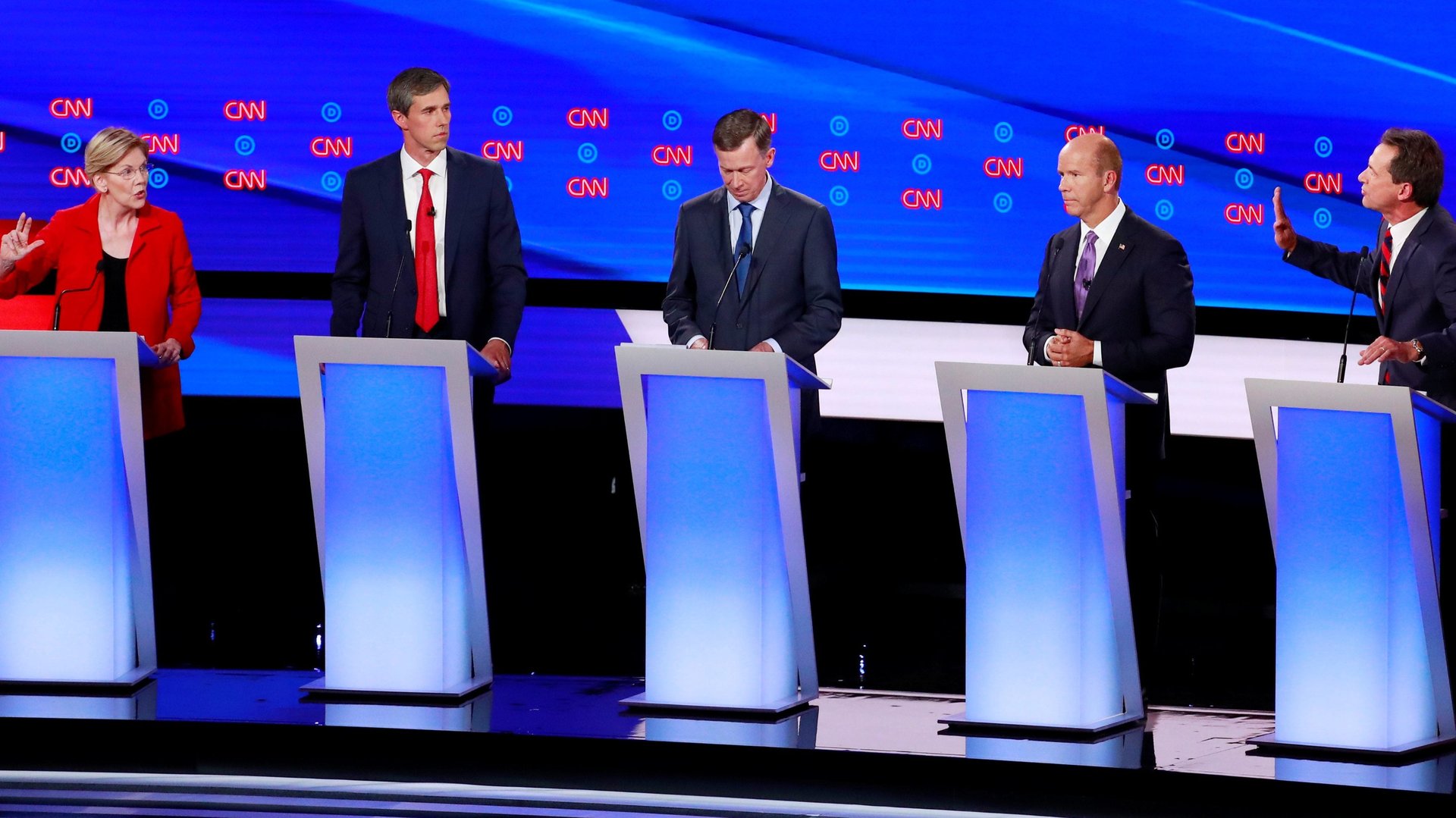
After two rounds of Democratic primary debates, you’d think the most urgent immigration question facing the country is whether or not the US should consider crossing the border illegally a crime.

Free college has become a progressive hallmark for Democrats vying for the US White House in 2020. Practically all of the top contenders back some form of tuition-free higher education, one response to the country’s $1.5 trillion student debt problem.
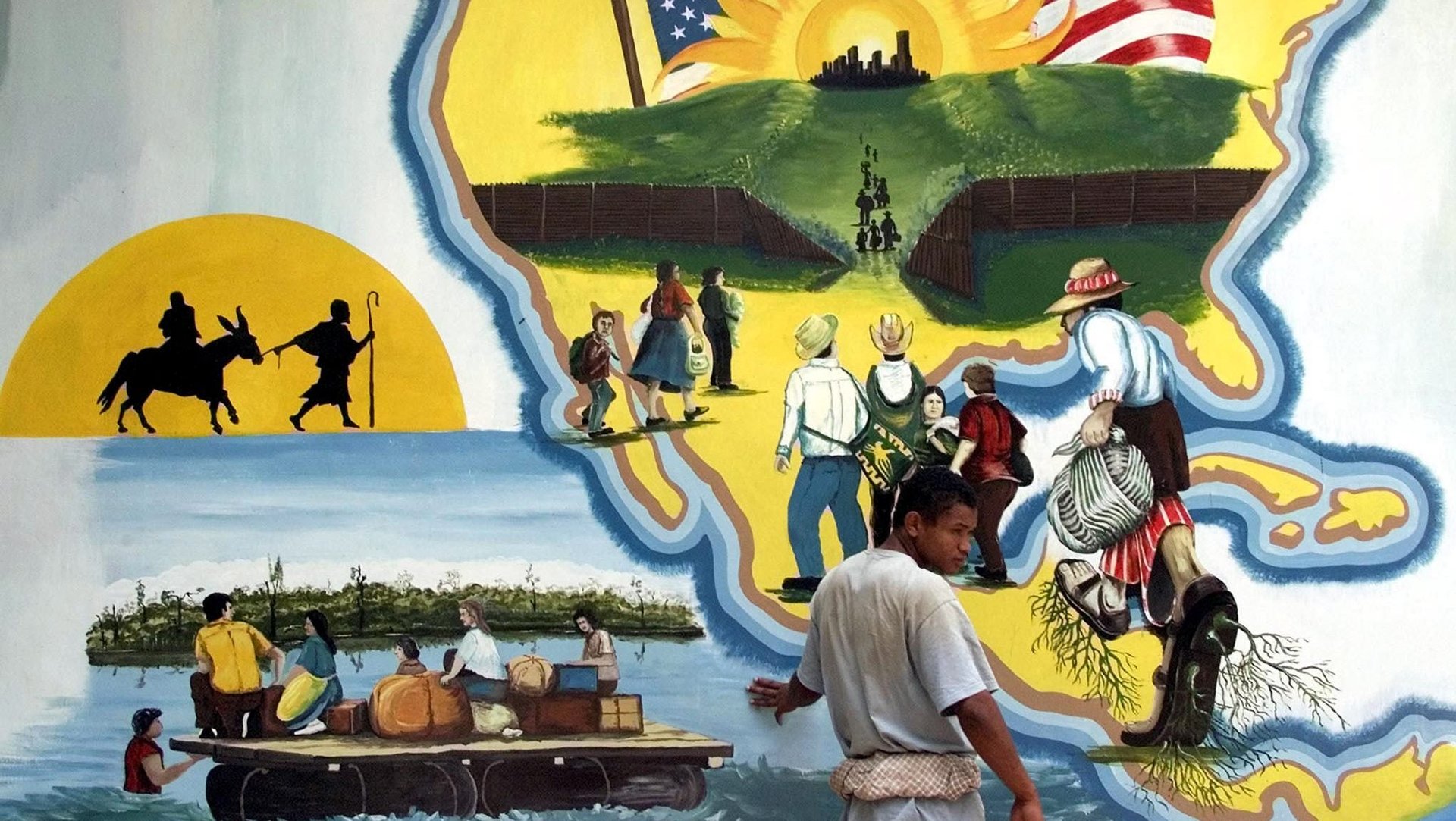
US president Donald Trump is not sharing the details of his deal with Guatemala.
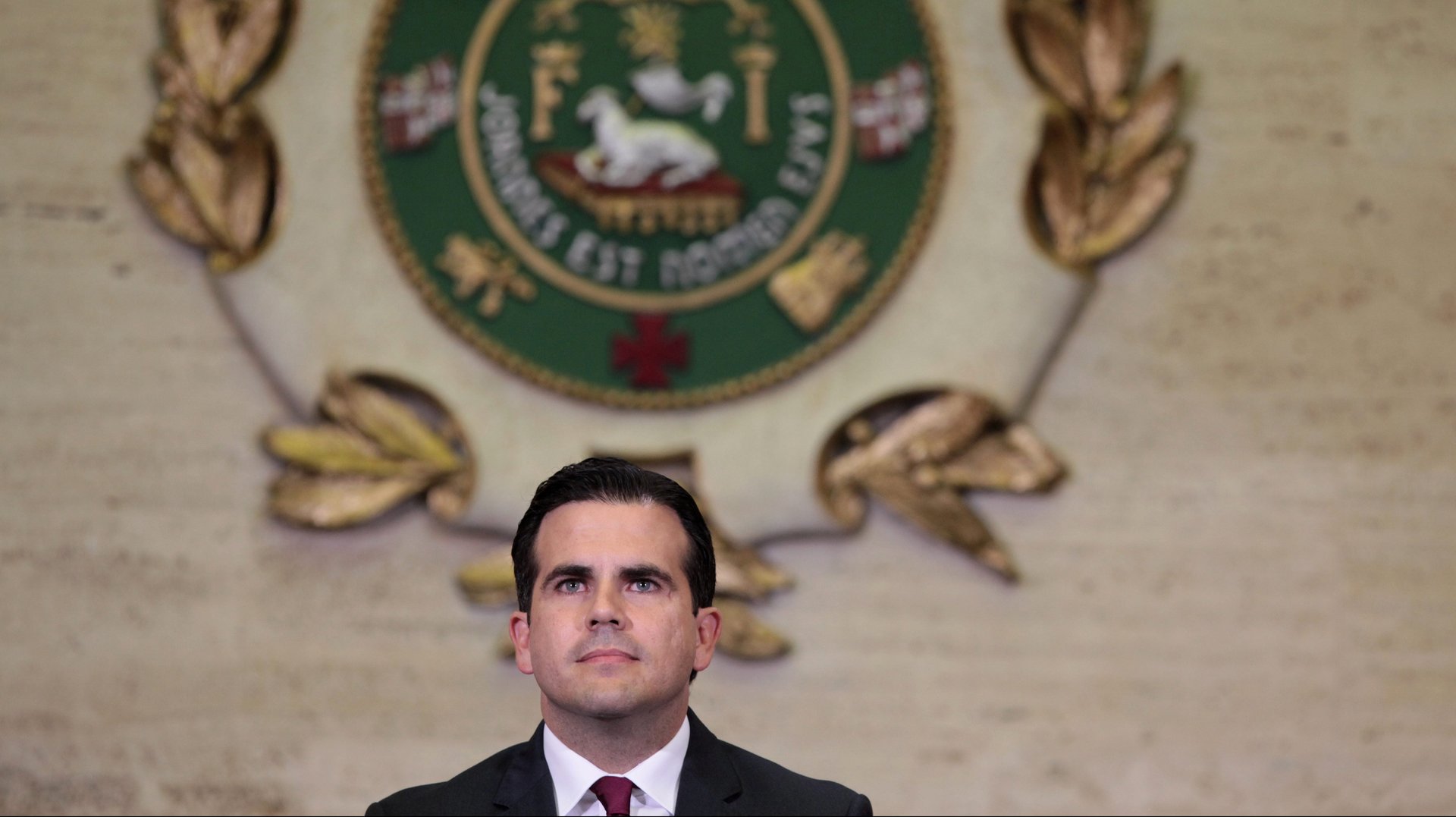
Puerto Rican protesters achieved the unprecedented feat of ousting a governor for the first time in the island’s history. So what next?