
Money & Markets
India’s billionaires added $308 million a day to their wealth in 2018To debunk trickle-down economics, one only has to look at the skewed distribution of wealth in India.
Updated July 21, 20222 min read
To debunk trickle-down economics, one only has to look at the skewed distribution of wealth in India.
The partial US government shutdown which began on Dec. 22 is wreaking havoc on businesses run by Indian immigrants in the country.
Indians were obsessed with three things on the internet last year: music, music, and more music.
India’s salaried class, looking for a handsome pay hike this year, may have enough reasons to cheer.
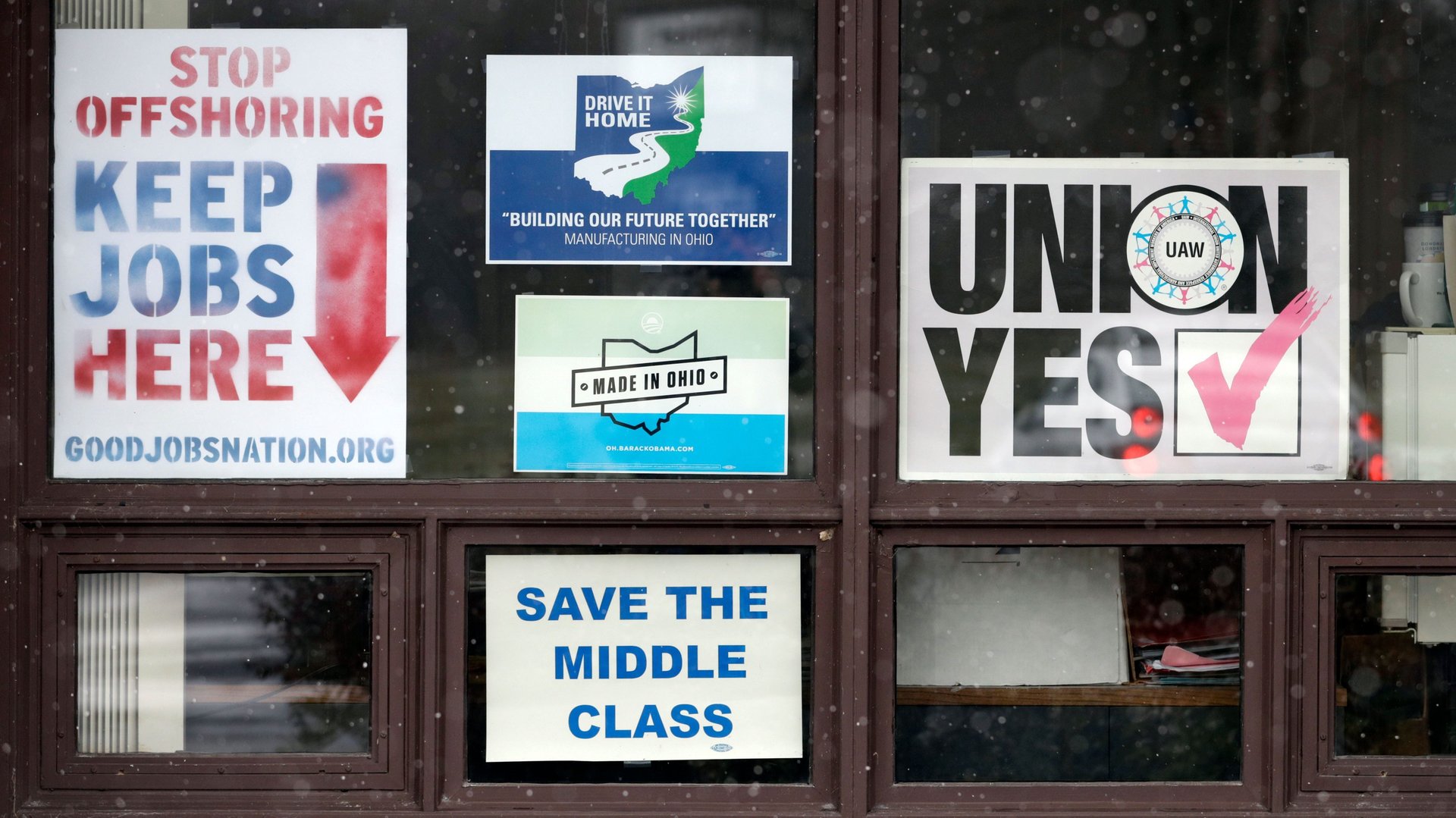
A new study has found that US president Donald Trump’s crackdown on the H-1B visa is not all the atrocity for Indian workers that it appears to be.
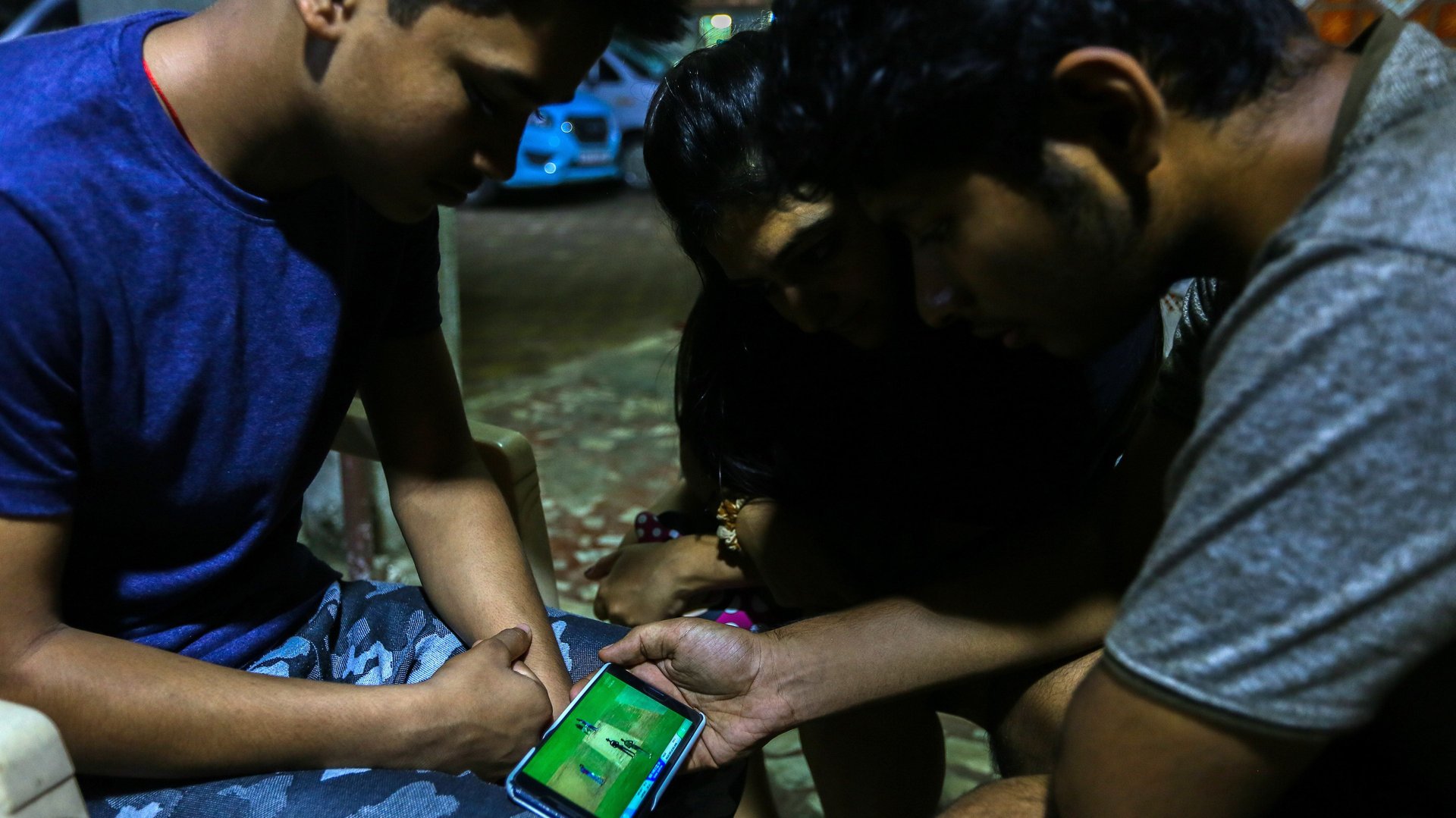
Hotstar is crushing its competition in India.
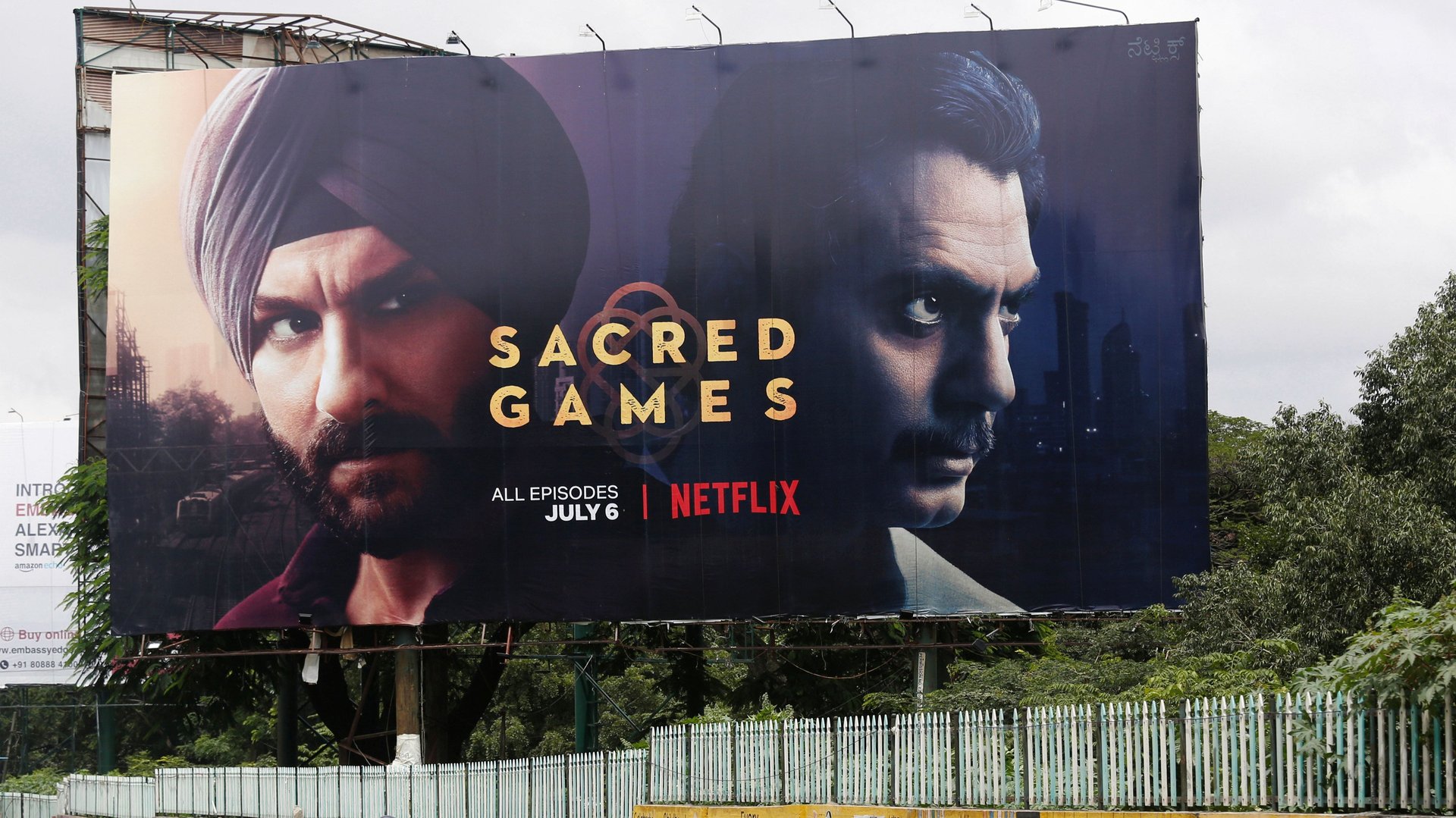
On Jan. 15, video streaming service Netflix made headlines as it increased its subscription price by 13-18% across the US and Latin America. This is the biggest increase by the company since its inception 12 years ago and will impact 58 million American subscribers, who will now have to shell out at least $13 for a month of streaming.
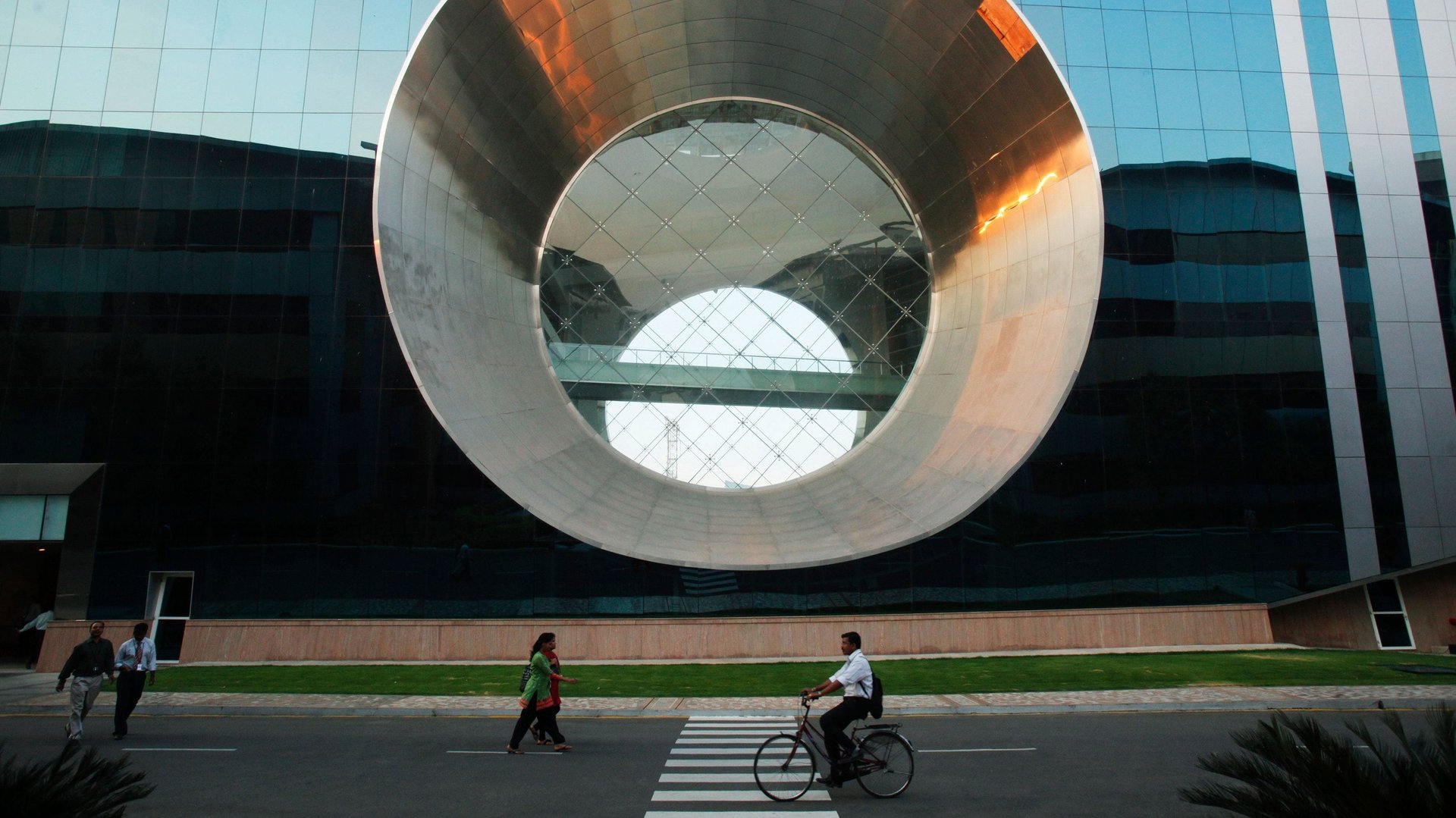
India’s Silicon Valley is the world’s most dynamic city.
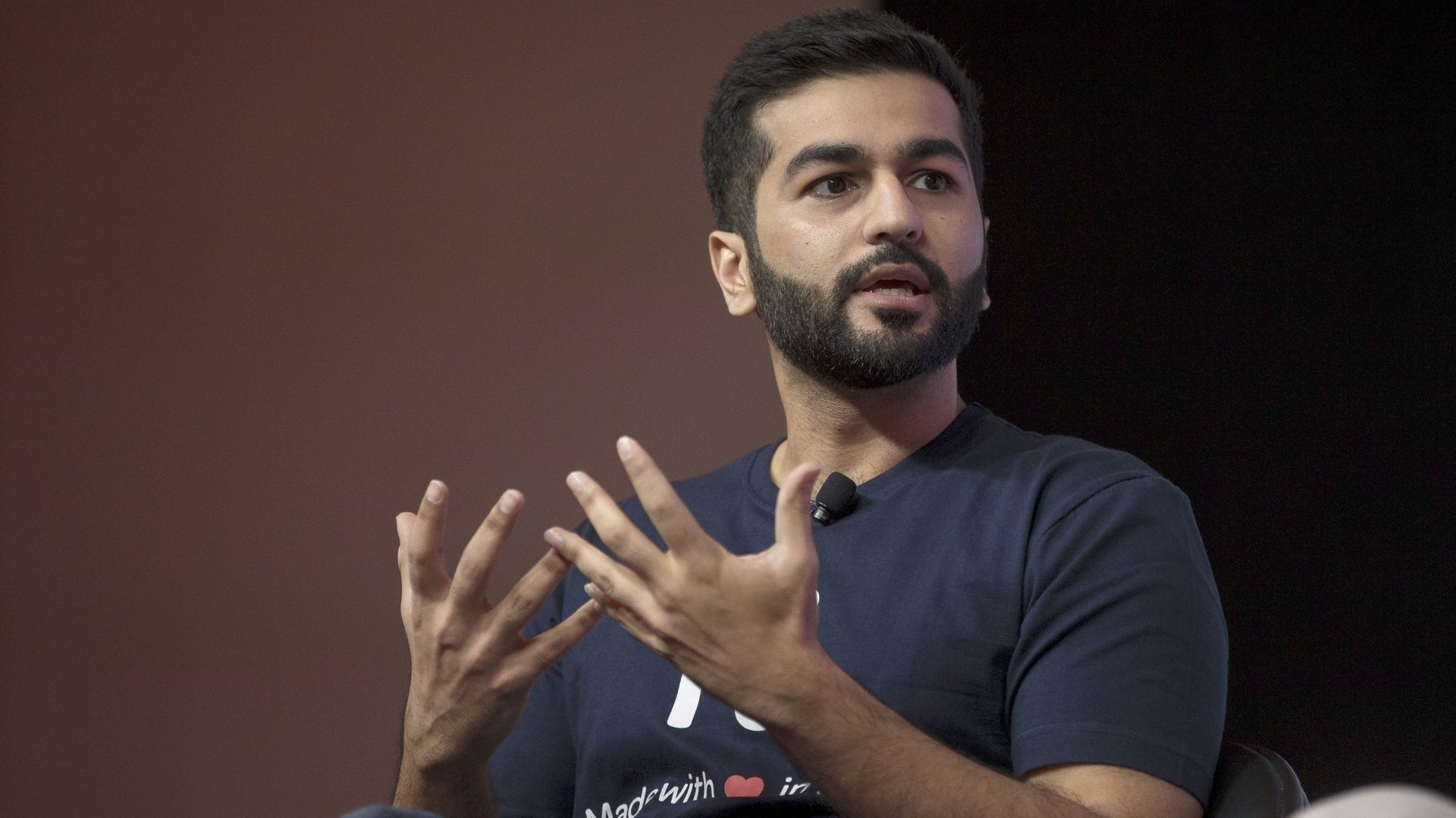
In China, WeChat—a mash-up of WhatsApp, Facebook, Instagram, Yelp, Paypal, Twitter, Uber, Kindle, and more—has become an indispensable part of everyday life for people. The super app provides a long list of services from booking cabs to ordering food delivery to playing games to transferring money, keeping users locked in its ecosystem.
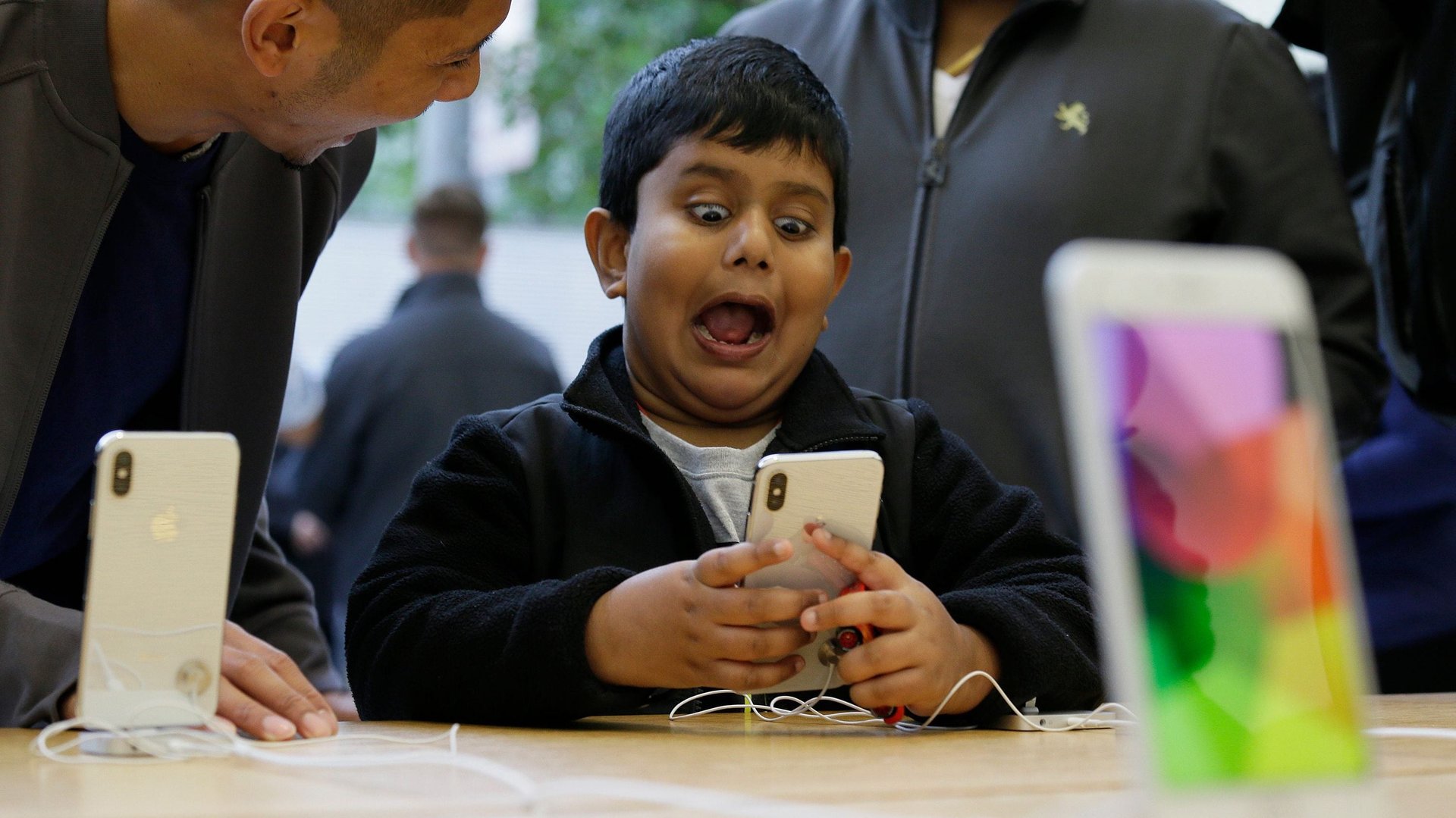
In 2018, Apple Inc in India witnessed the stuff that nightmares are made of.
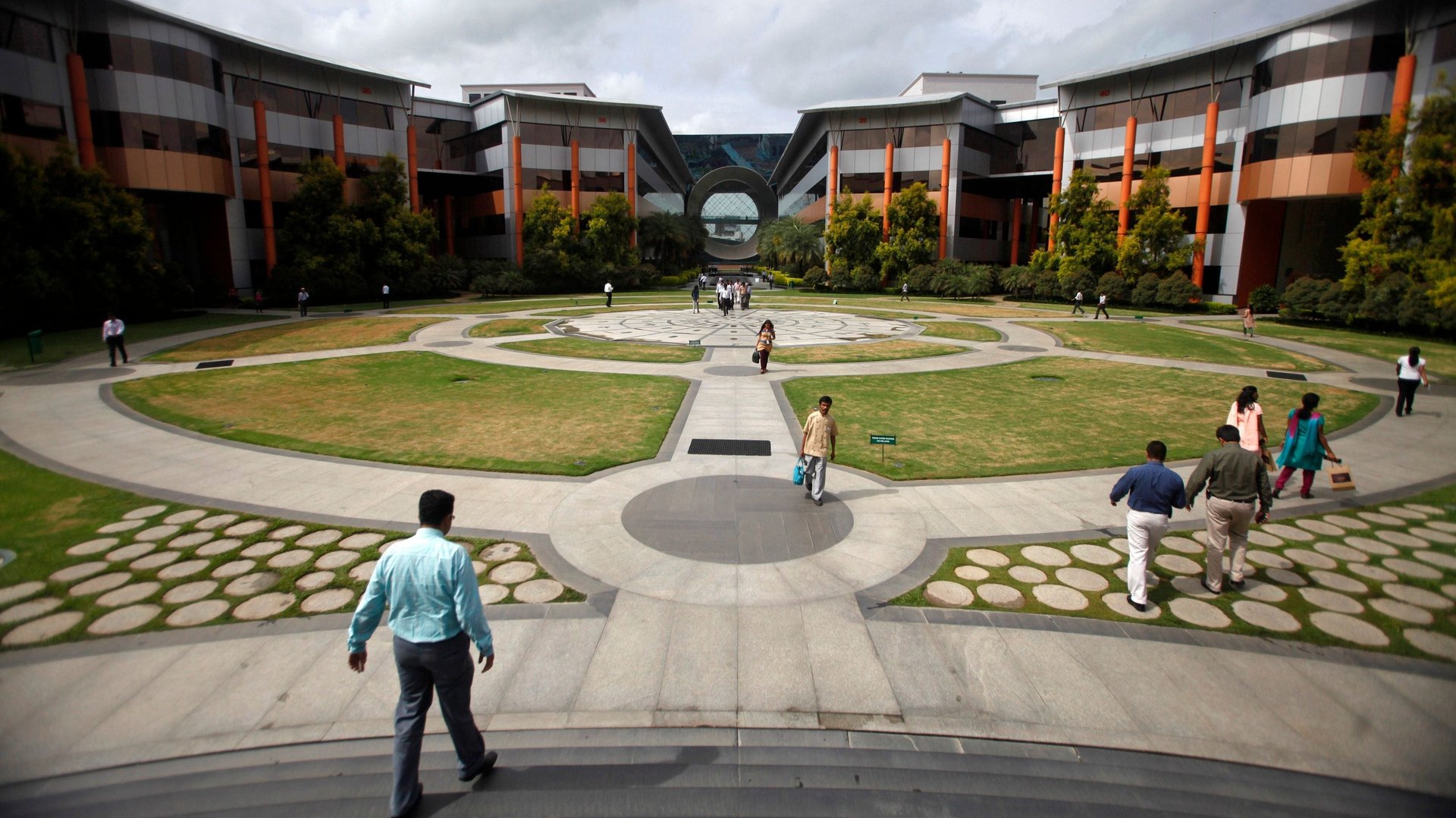
Indian IT outsourcing firms are making a comeback in the job market.
When president Donald Trump started going after the H-1B visa, headlines suggested trying times for Indian firms had begun. The reality, though, is that American firms are suffering.

By 2022, India’s co-living industry will be 20 times bigger than it is today.

For generations, Indians have been primed to only seek their “settled, happily-ever-afters.” But that seems to be becoming a thing of the past now.

Indian companies are finally tapping into a digital goldmine: Social media influencers.
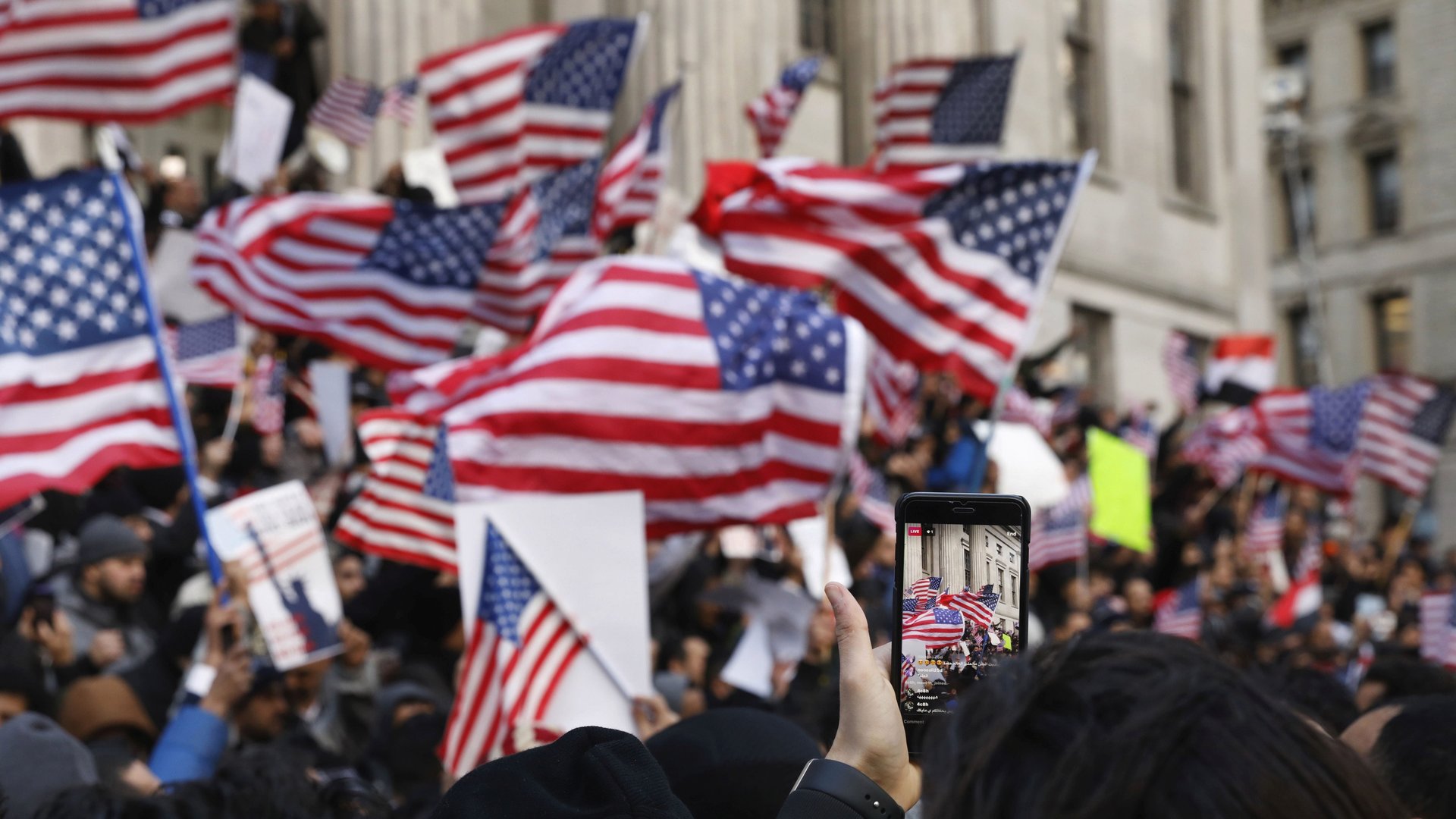
H-1B woes in the US are racking up big bills for India’s IT majors.
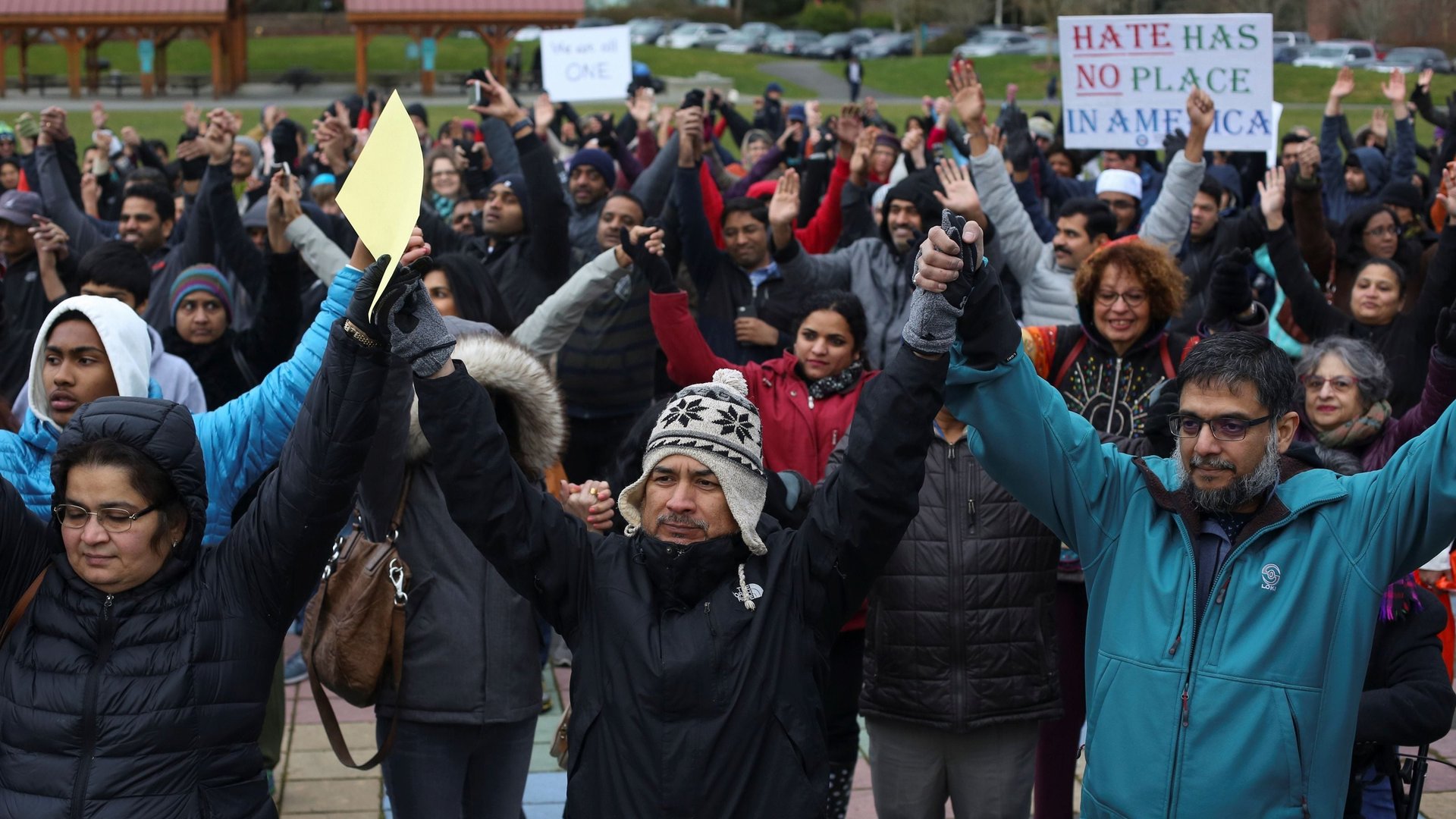
On Jan. 03, Sai Krishna Poosa, a 26-year-old engineer of Indian origin, was shot by robbers in Detroit while returning home from work. The gunmen reportedly fired three rounds at Poosa and then fled with his wallet and car. Passersby found him lying on the road and notified the authorities.
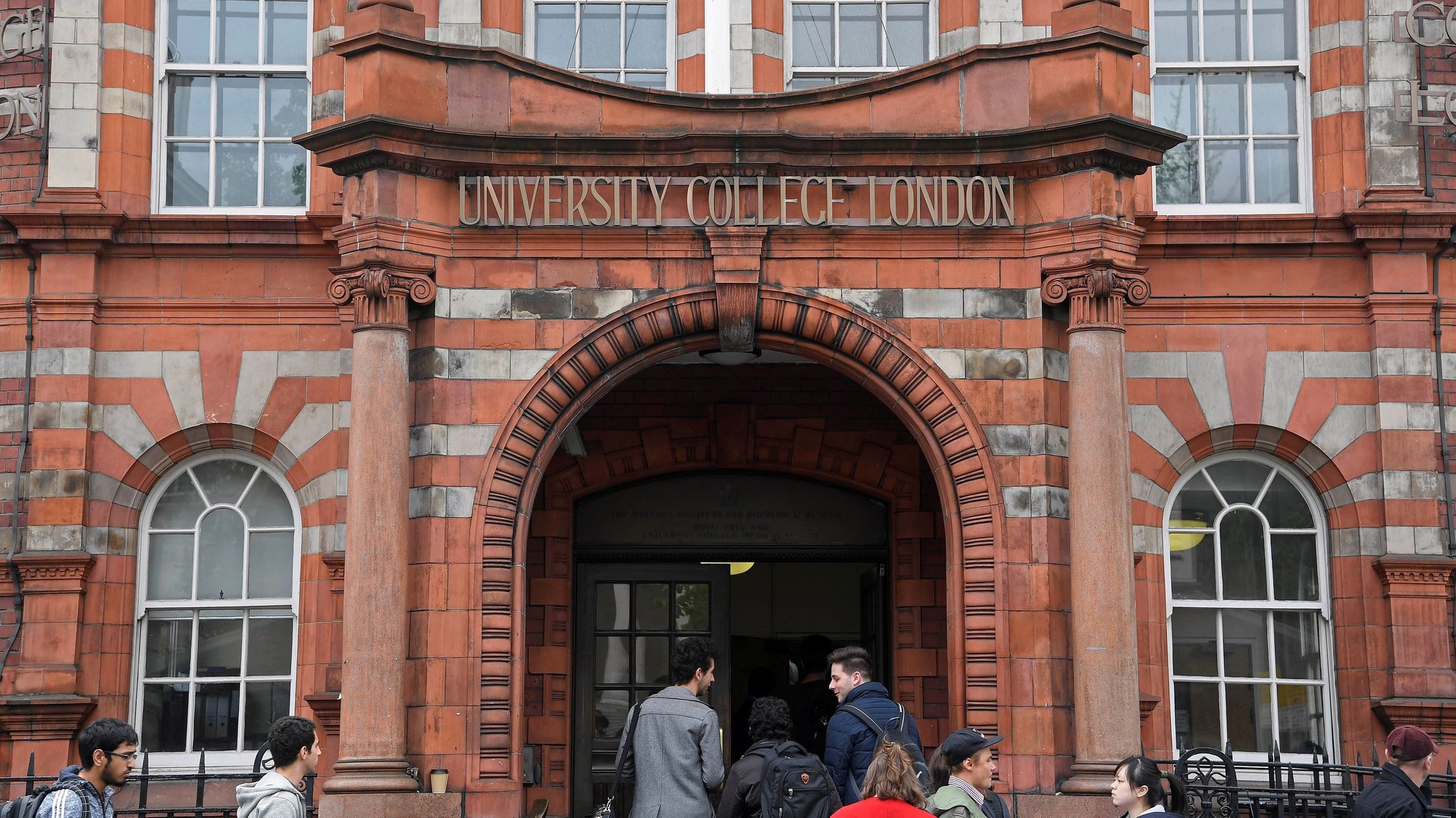
As Britain begins separating from the European Union (EU) on March 29 this year, Indian students have reasons to rejoice.
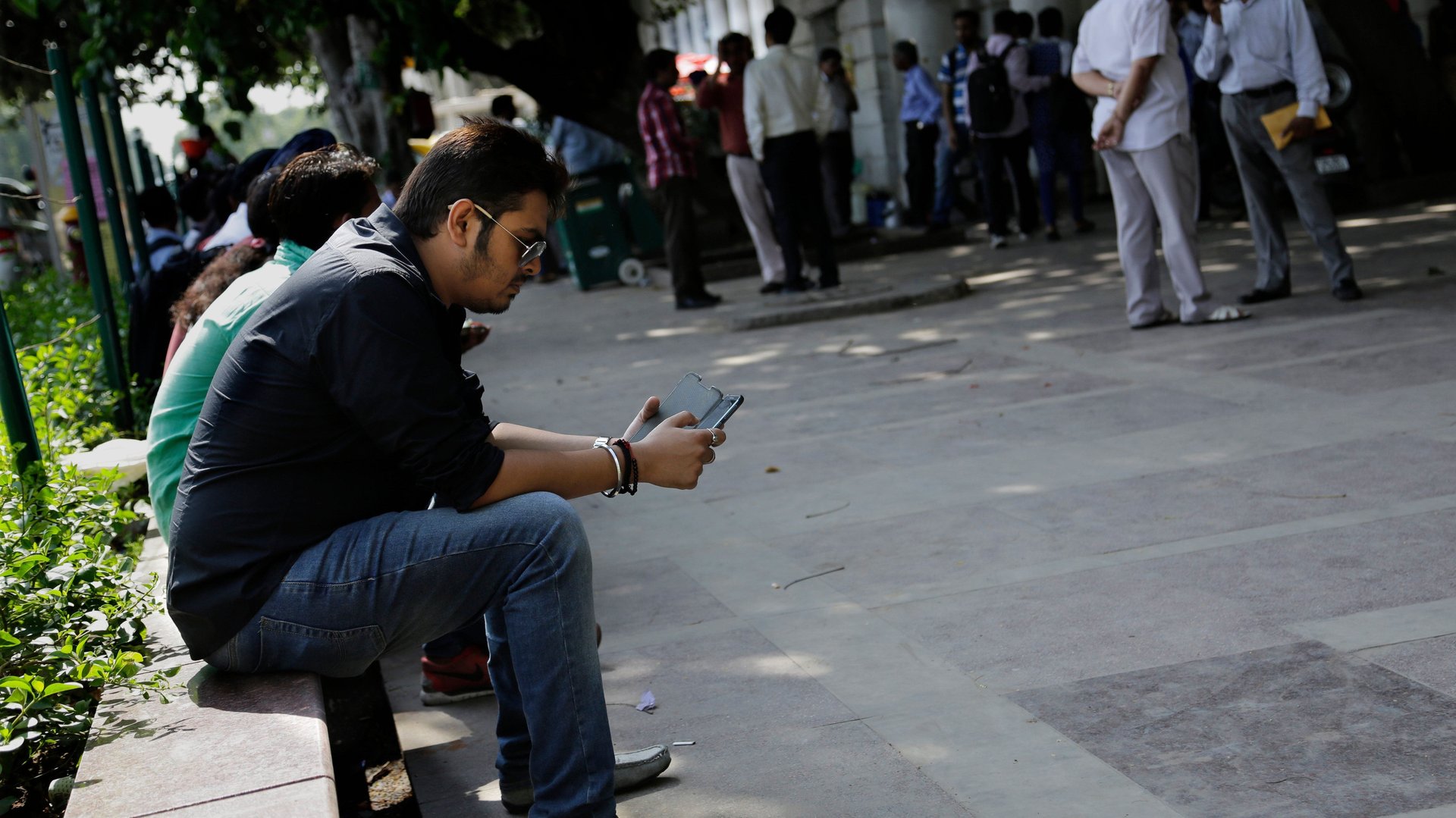
2018 was so good for India’s young internet firms that just 13 such ventures together raised over $100 million (Rs693 crore). But this joyride might be shortlived.
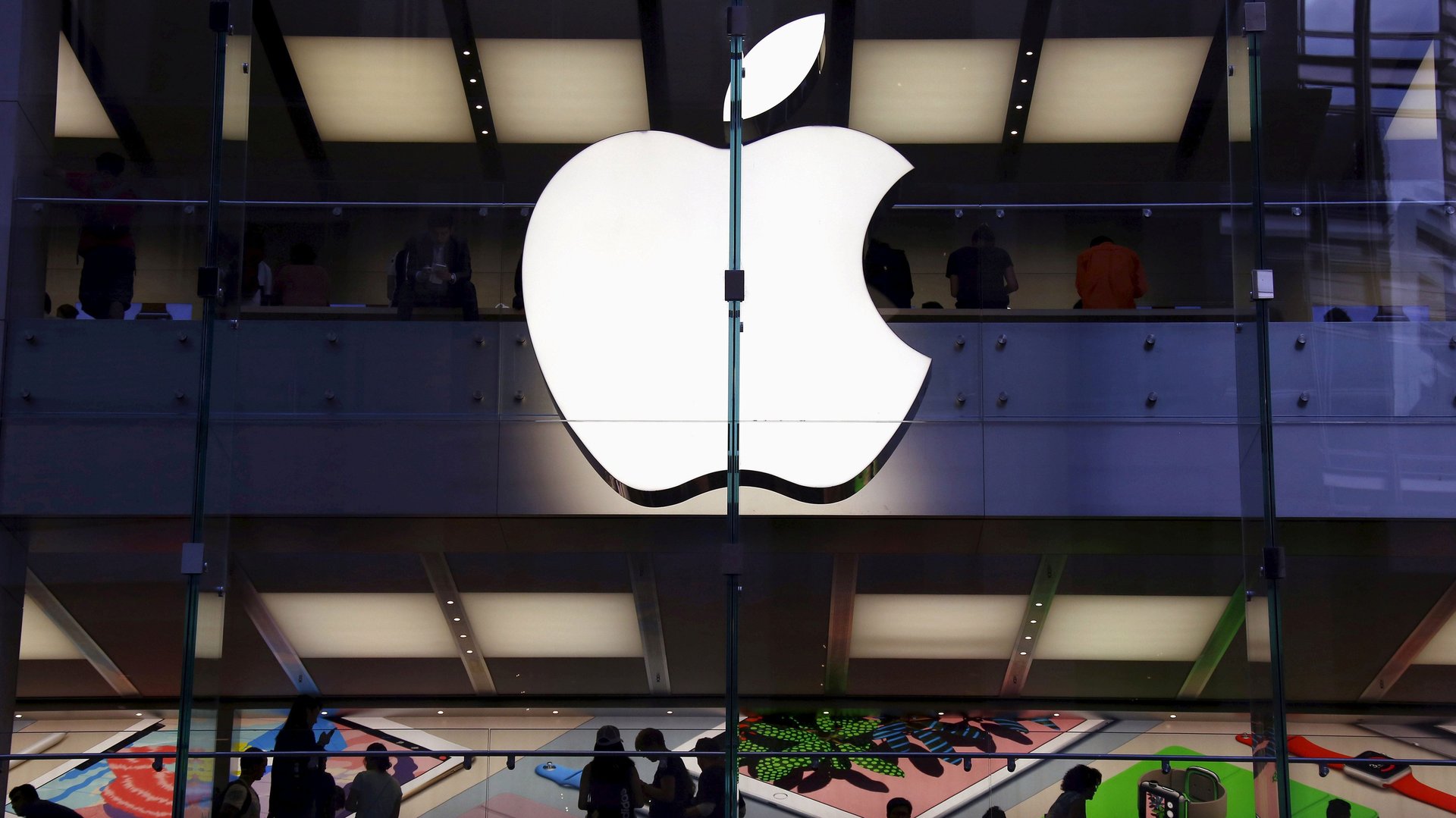
Apple has a big reason to come out all guns blazing in India: failure in China.
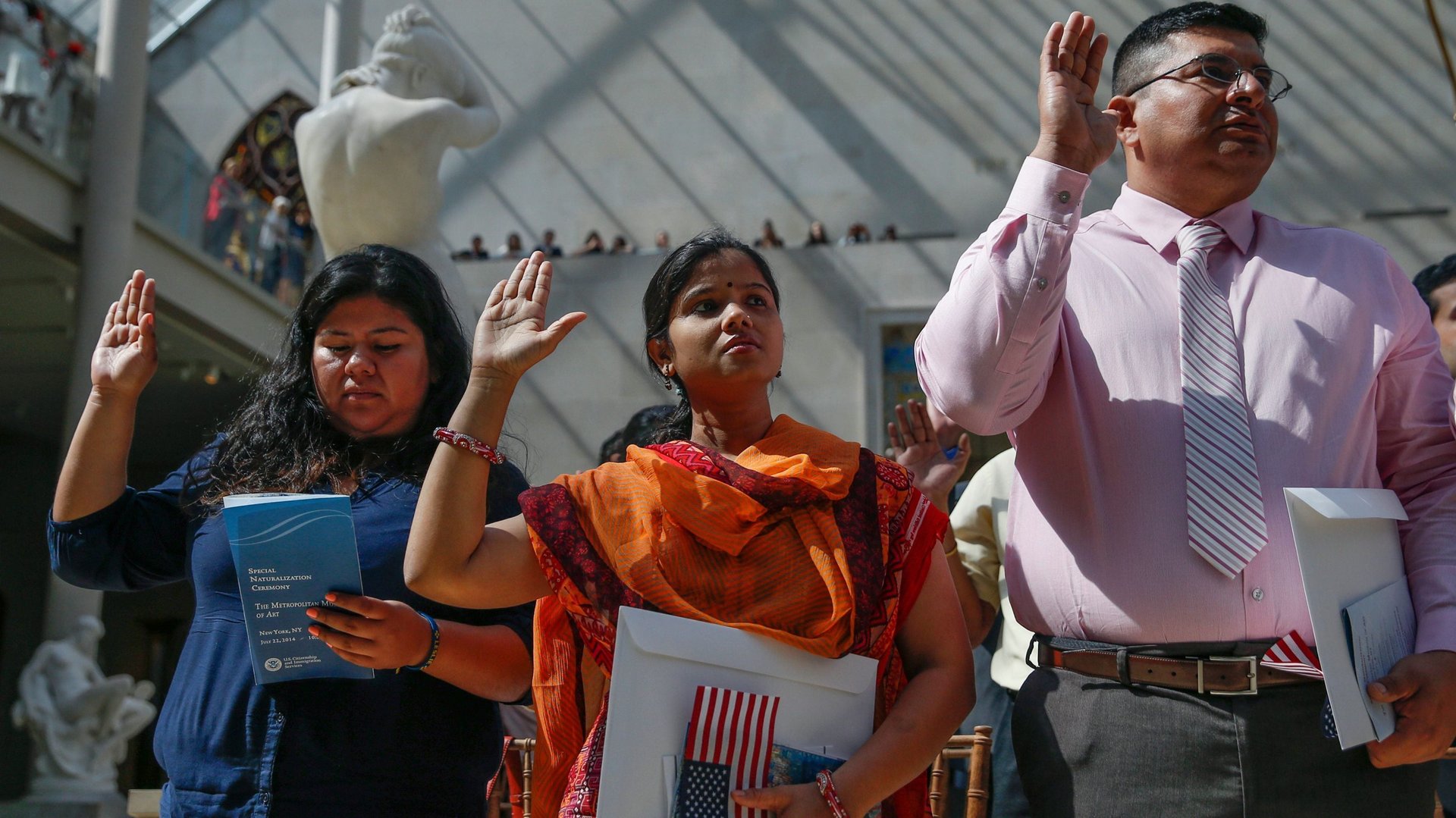
There is way for immigrants awaiting permanent US residency to avoid the excruciating delay—sometimes of up to 150 years.
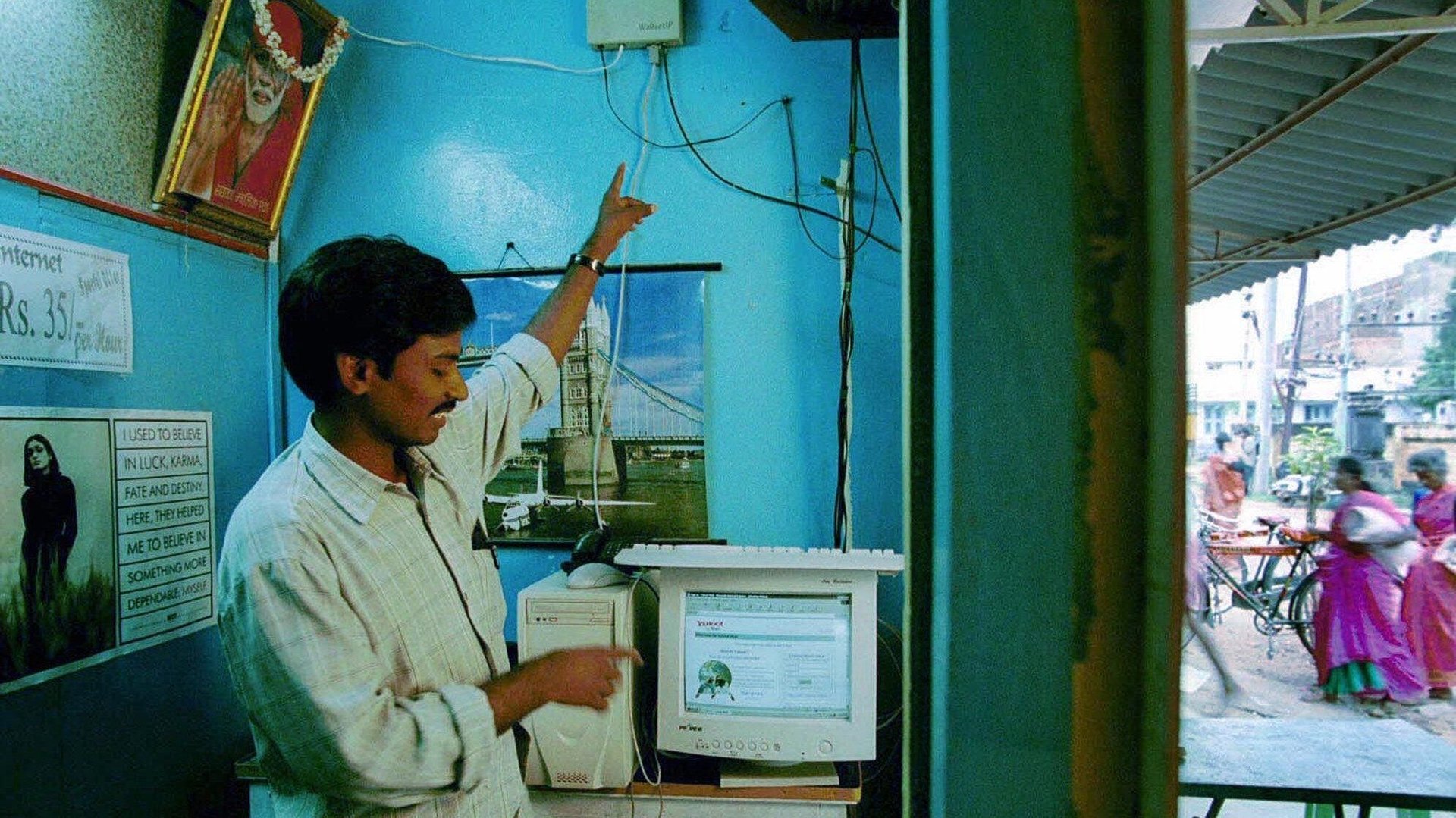
For all the noise around its internet-savvy population, India’s broadband subscriber base grew at its slowest pace in five years in 2018.
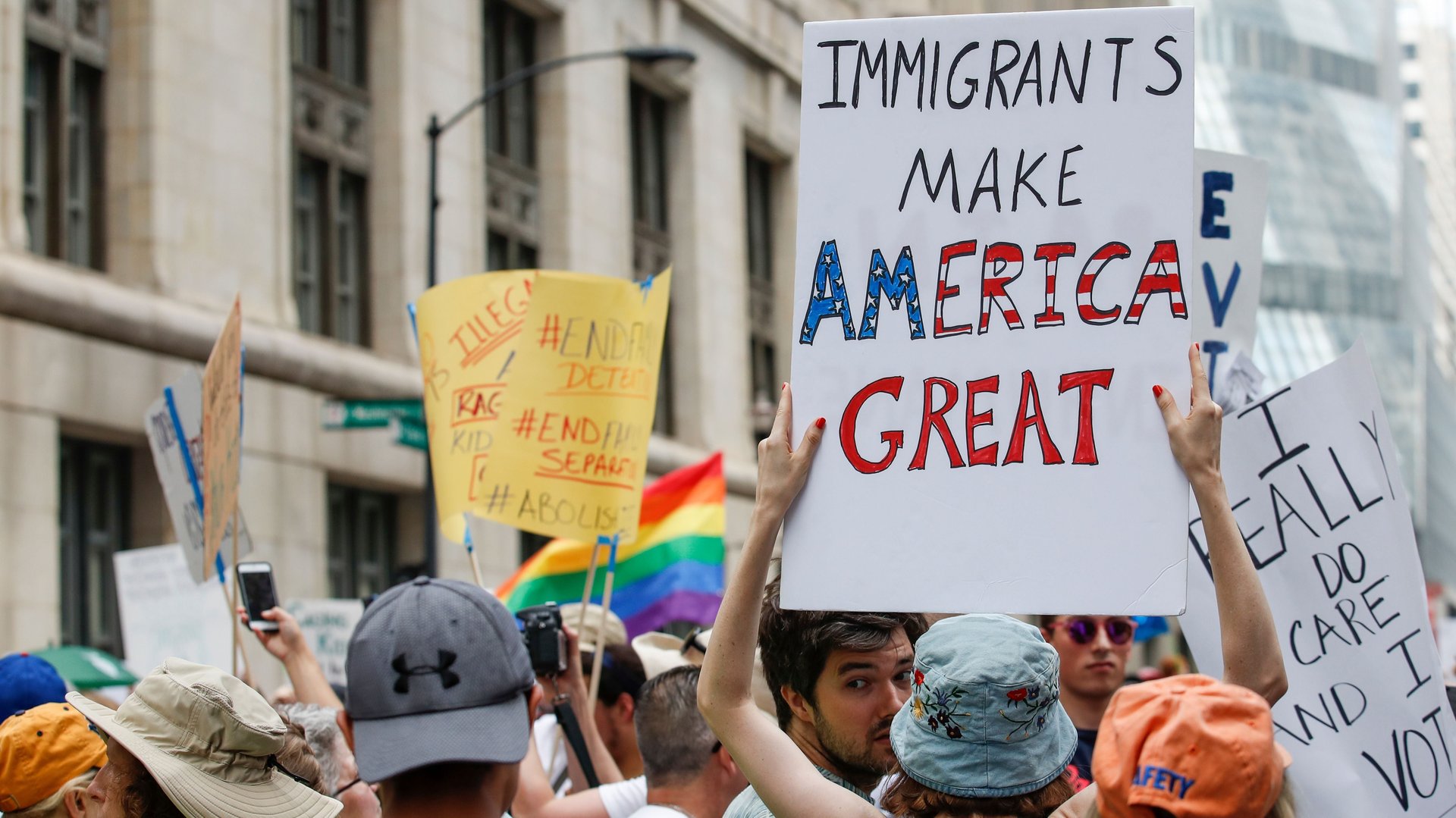
2018 may have put an end to the “American dream” of thousands of Indian techies.
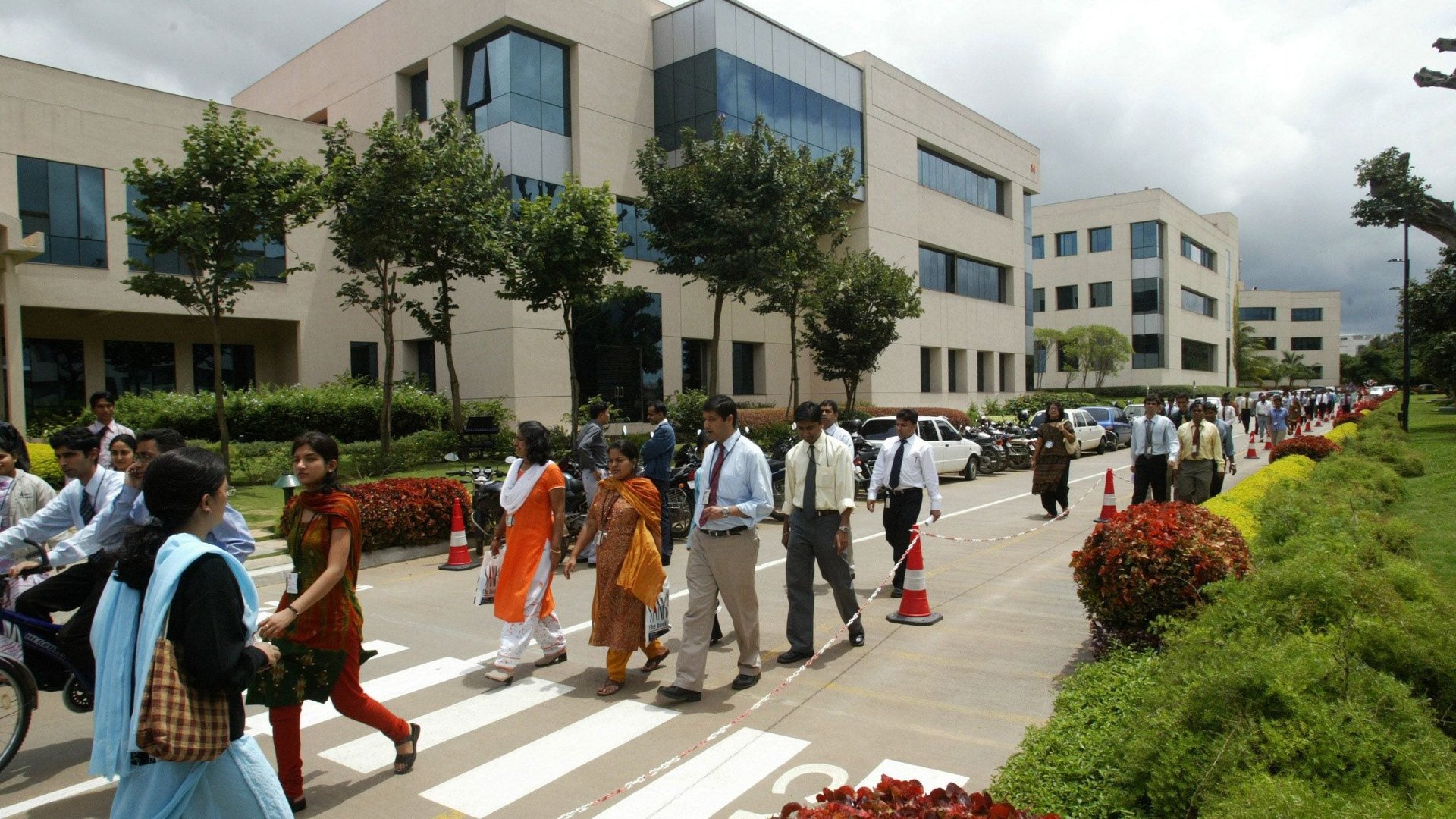
Poor health and bad lifestyle habits are costing India’s Silicon Valley billions of dollars each year.