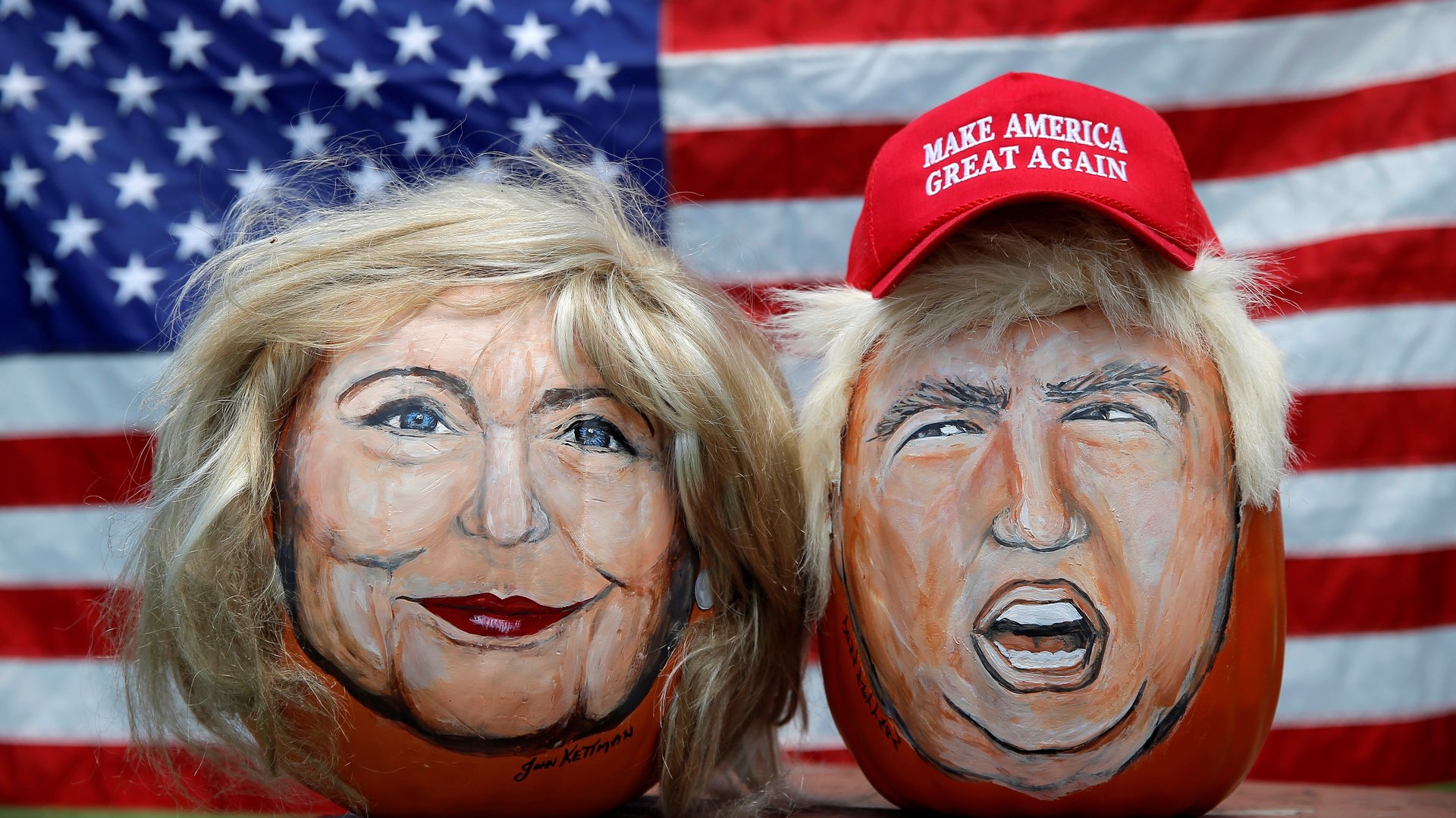
Less than a week after Donald Trump was named president-elect, the United States’ political vocabulary has taken a dark turn.

Less than a week after Donald Trump was named president-elect, the United States’ political vocabulary has taken a dark turn.

Reports of racist attacks have surged following the US presidential election results on Nov. 9. A Muslim prayer room’s door was vandalized at New York University, Muslim women with hijabs have been intimidated and assaulted, racist slogans have been plastered on high school doors, and pro-Nazi graffiti has been found on the walls of a university, to name a few incidents.

After facing a backlash over a tool that allows advertisers to purchase an ad where they can choose to exclude certain “ethnic affinities”, Facebook announced on Nov. 11 that it will prohibit the use of racial and ethnic filters in some instances. Rather than eliminating the option entirely, the suspension only affects segments where certain groups have historically been subject to wrongful discrimination—housing, employment, and the extension of credit.

Though there is no cure for the human immunodeficiency virus, we now know enough about it to slow its growth within the human body, and to prevent its spread from person to person.

No matter how hard Facebook tries, its Instagram Stories and Messenger Days can’t seem to dethrone the original Snapchat app in the US. But in emerging markets, Facebook still has an opportunity to become leader.

Twitter just lost one of its top executives as it attempts to figure out its future after failing to find a buyer during a recent flirtation with a sale.

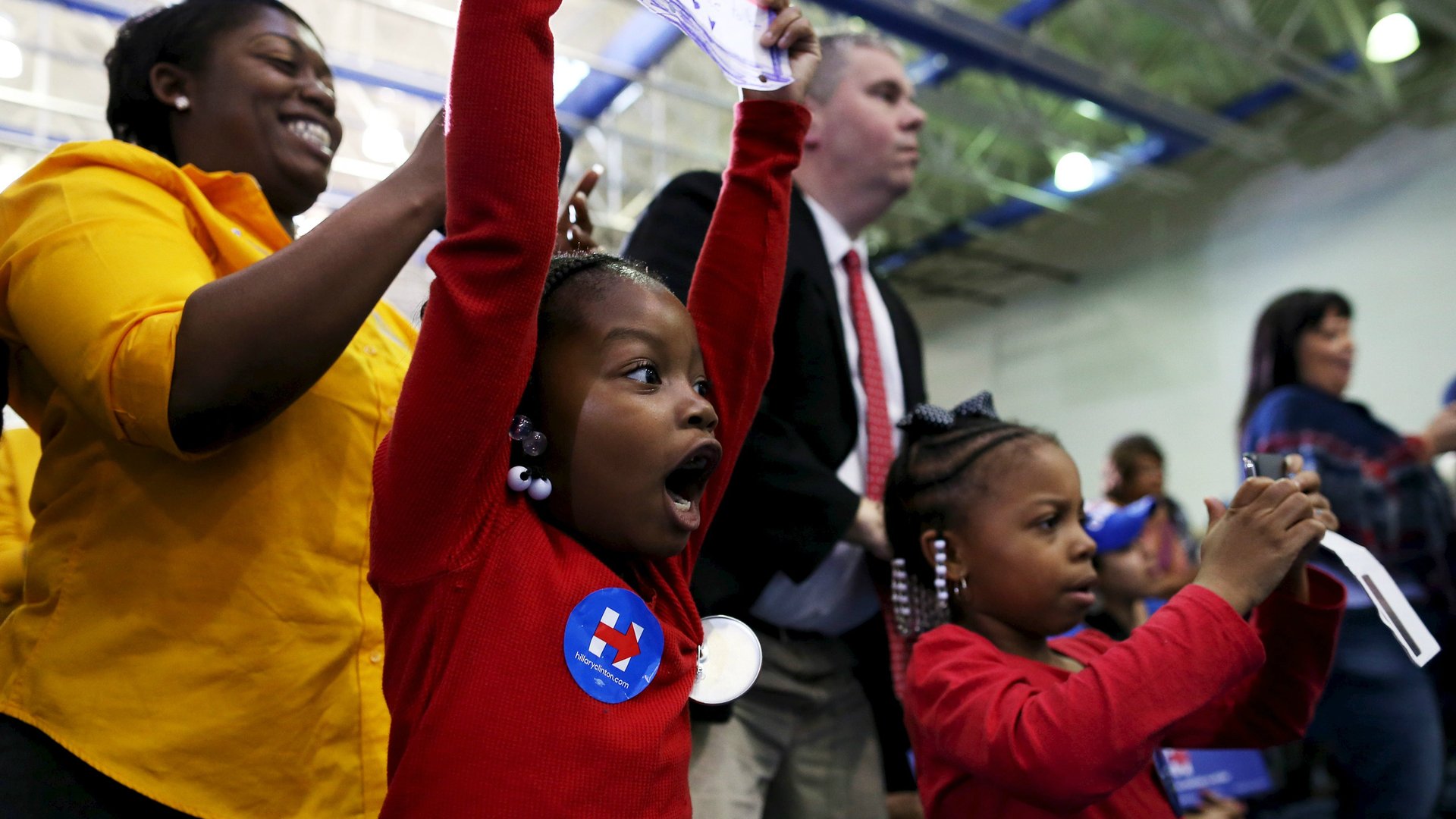
Hillary Clinton may not be America’s first female president, but her legacy of perseverance in the face of incredible obstacles was cemented today.

With a looming Trump presidency inciting fears of racism and sexism, minorities scored a small win during the 2016 elections.

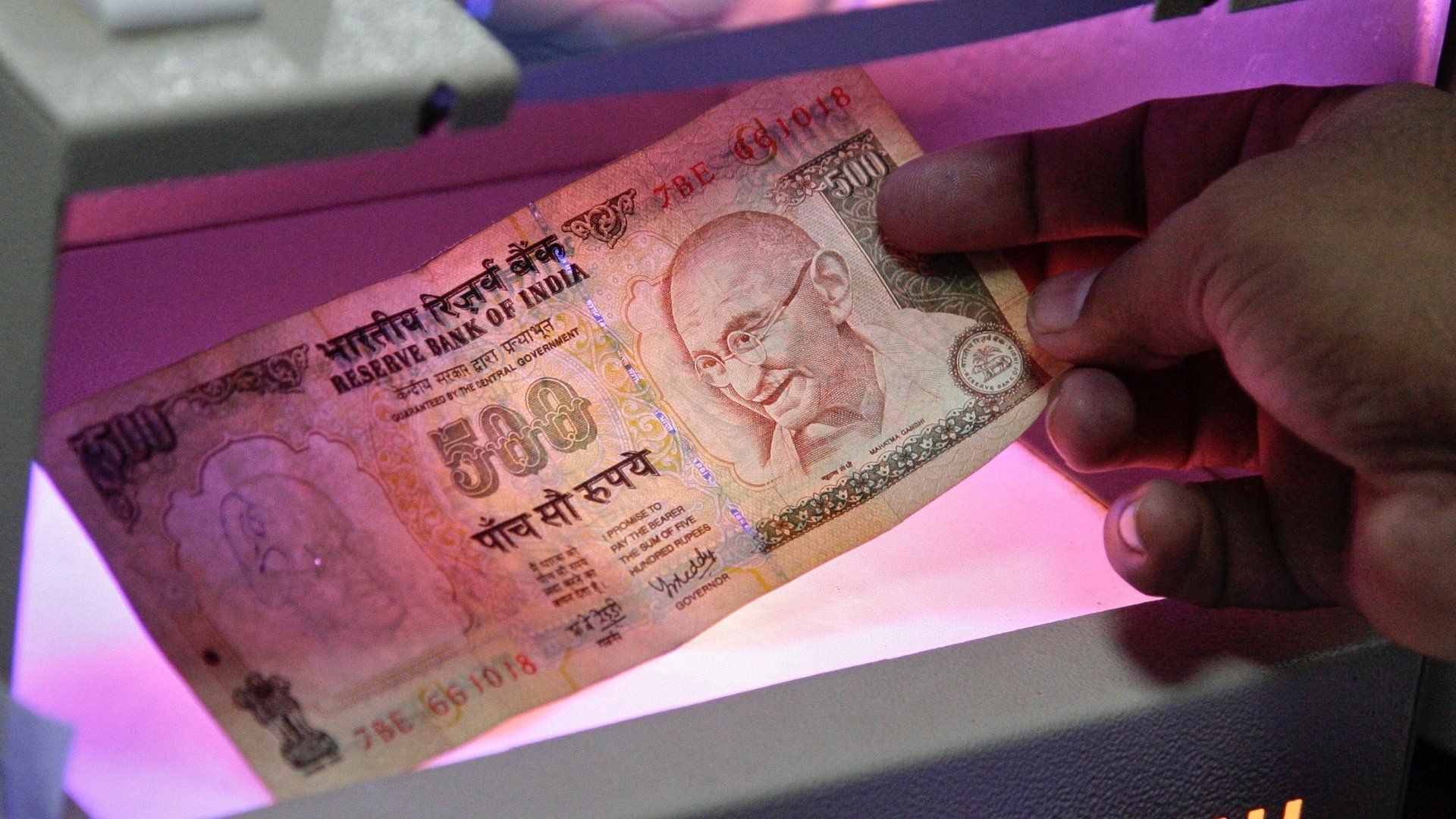
If third time’s the charm, the ban on Rs500 and Rs1,000 notes could finally wipe off corruption in India.

Starting Nov. 9, India is bidding adieu to all 500 and 1,000 rupee notes.

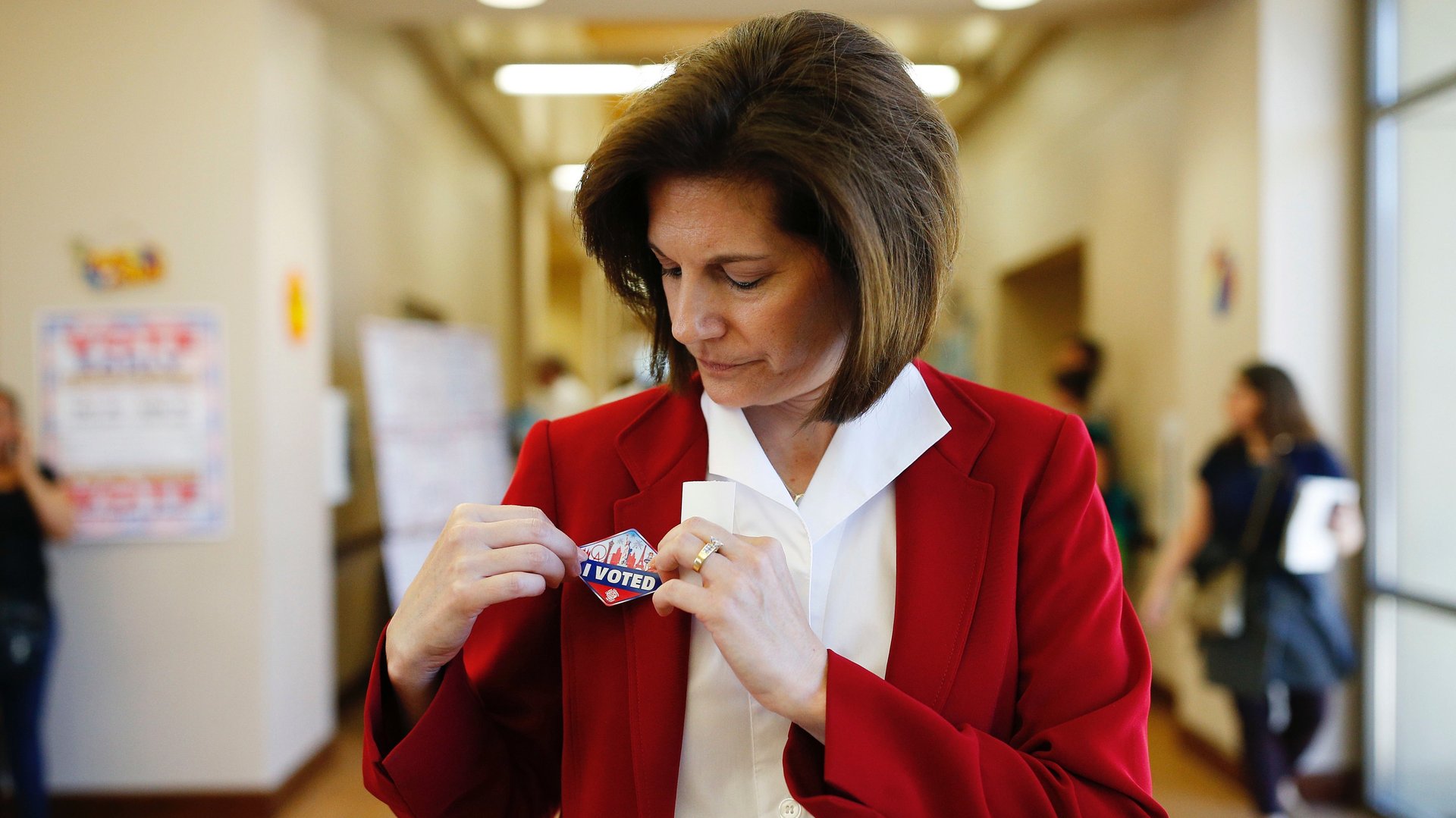
With millions of Americans heading to polling stations in the presidential election today, chaos is kept at bay by hard-working volunteers.

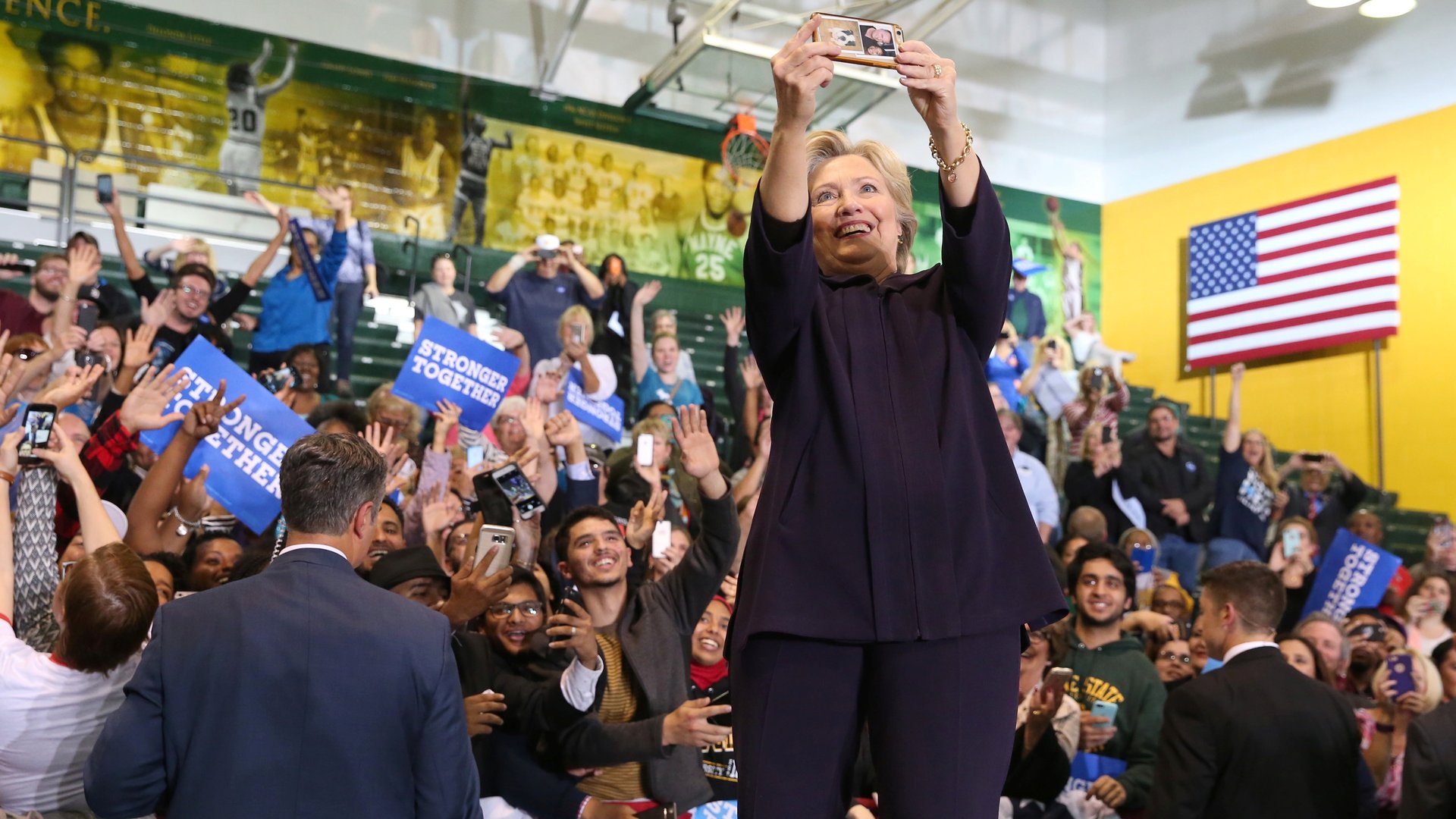
When internet memes really take off—the Harlem Shake, the Ice Bucket Challenge, and the planking craze—it seems like everyone who’s anyone gets in on the action. Sometimes, even presidential candidates join in the fun.

Soon, broken electronic devices could repair themselves.

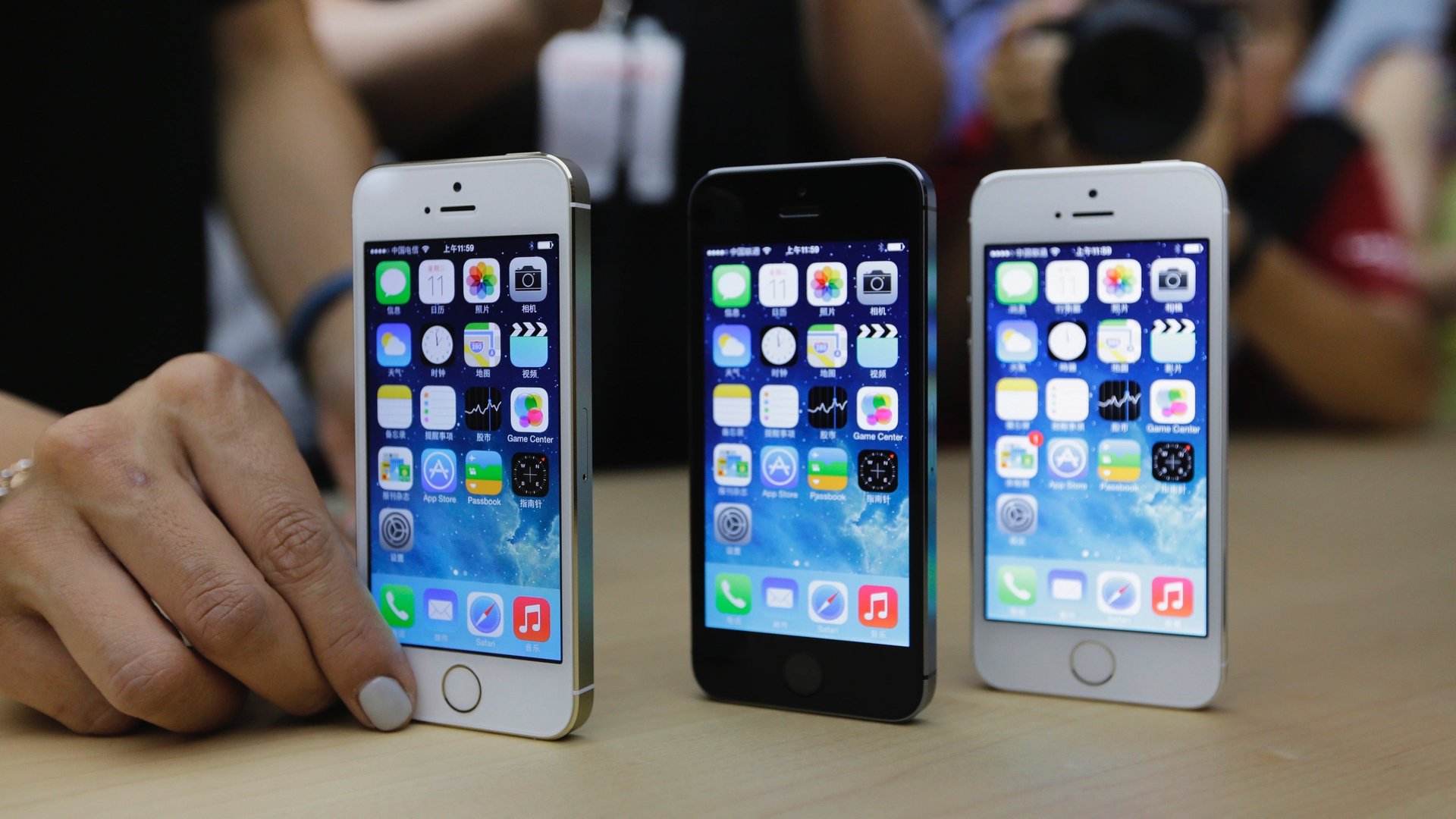
Apple is still the king of profitability among smartphone makers. And it’s not even close.

The internet is as open as people make it.

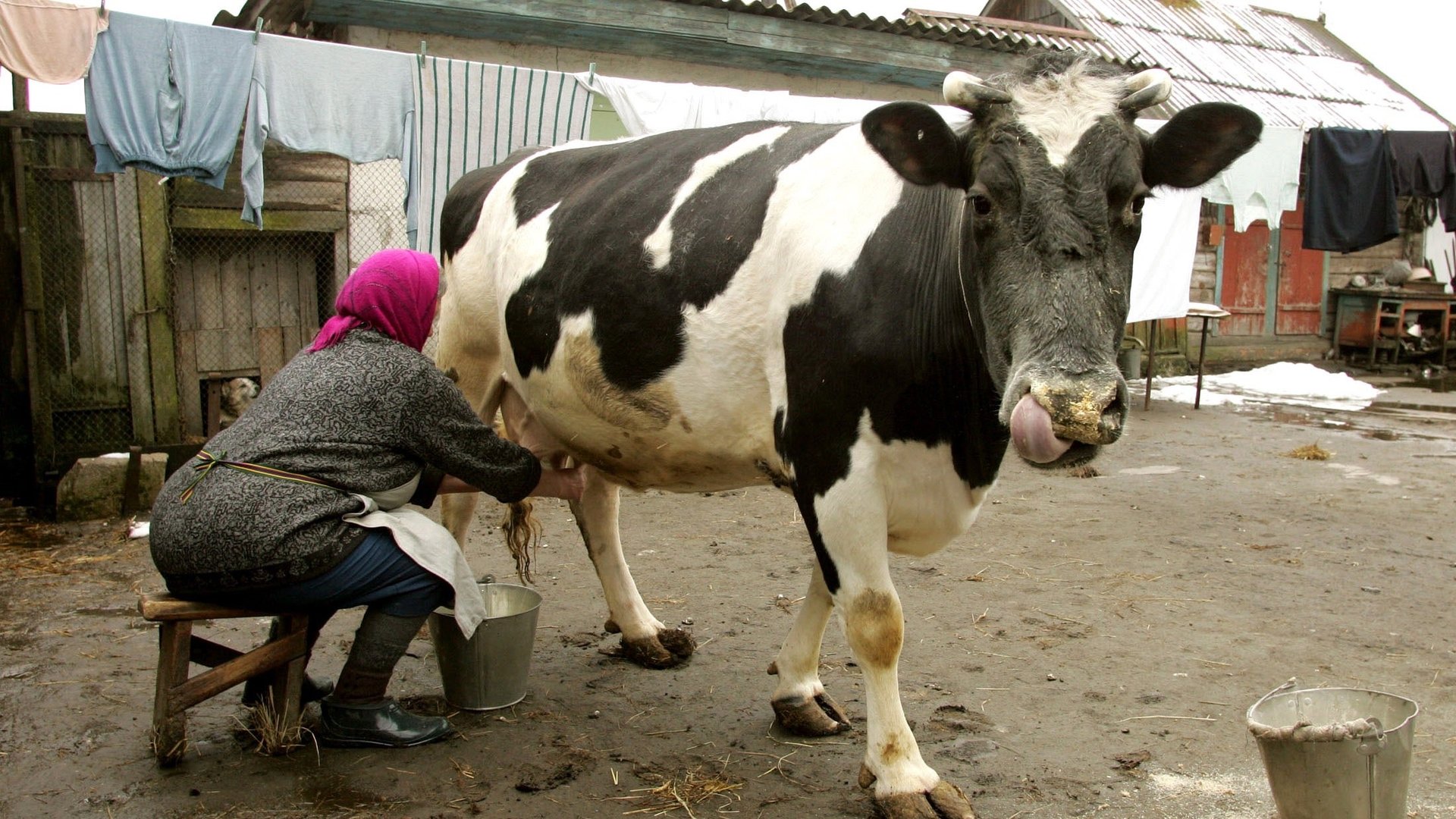
Soon, farmers won’t have to wait to take their cows to the cattle crush to see the vet. A text message will tell them what’s wrong.

The 2000s aren’t back and neither is the flip phone—but a notebook-like version of it might be, courtesy of Apple.

After one botnet wreaked havoc in the US two weeks ago, another cut off internet access for an entire country.

Android just upped its own stakes.

Facebook’s livestream has become a beacon of light for victims of racial violence but the company’s attempt to keep control of the narrative is casting a dark shadow.

In the near future, people in Israel who want to watch porn might have to seek permission first.

After failing to uncover any leads in a year-old murder, Canadian authorities are asking citizens for help—by texting them back.

While Twitter is trying to establish a path to growth, its India chief quit.

When it comes to education and family income, Indian-born mothers are the most well off compared to migrant mothers from other countries and territories in the US.