Even before viable Covid-19 vaccines hit the market, vaccine passports promised to ease movement across borders and slow transmission risk.

Even before viable Covid-19 vaccines hit the market, vaccine passports promised to ease movement across borders and slow transmission risk.

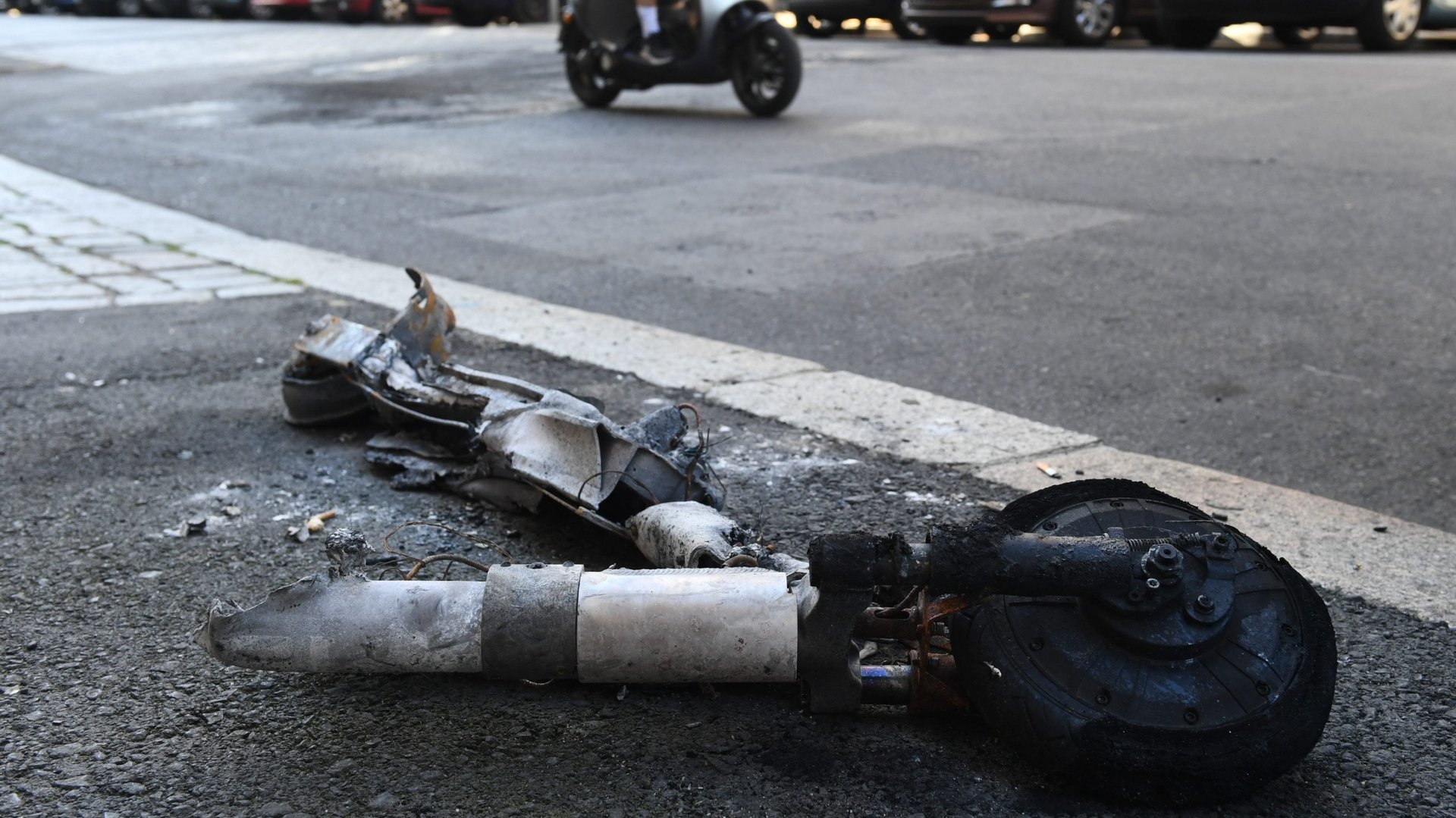
The shared micromobility market is a big tent, but there still isn’t room enough for everyone. Skip, one of the first scooter-sharing companies to launch in the US, filed for bankruptcy last week.

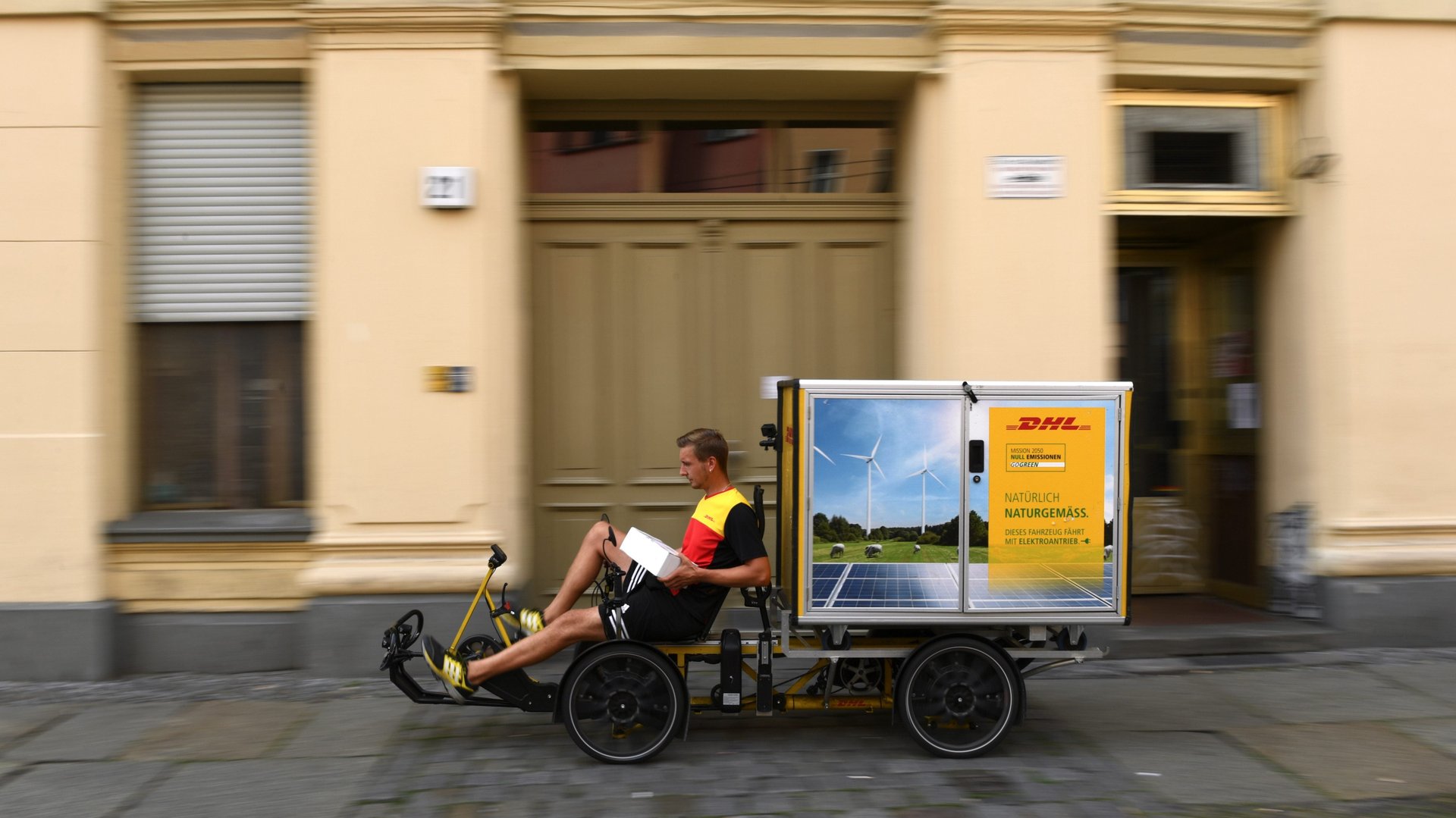
When it comes to delivering packages in crowded cities, you can’t beat an e-bike.

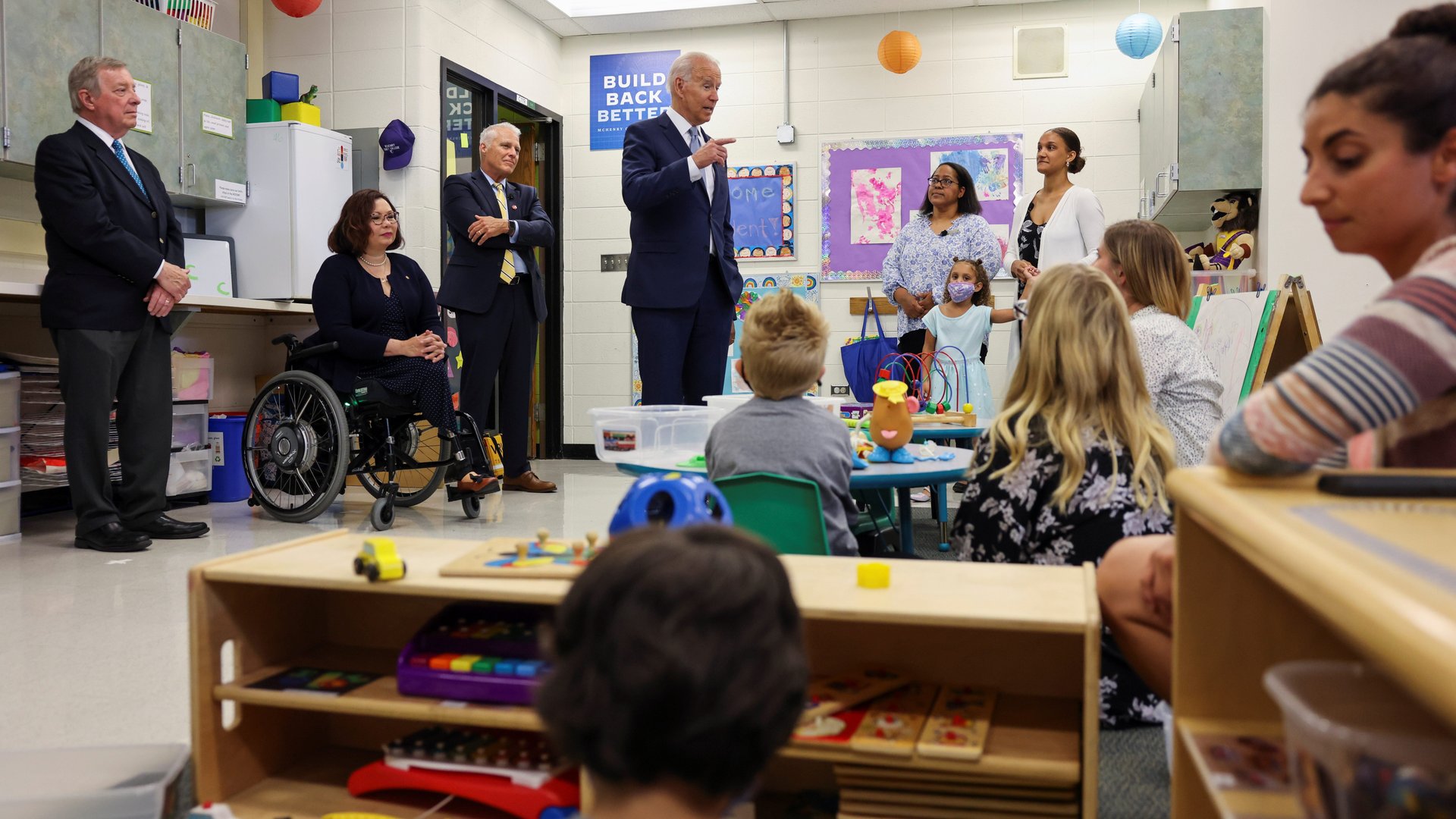
President Biden has compared the need to get internet access to all Americans as essential as delivering electricity to the entire country during the Great Depression. The country’s digital divide—the gap between those who have reliable high-speed internet access and those who do not—is one of the nation’s great inequalities. An estimated one in eight Americans is unable to purchase broadband internet according to BroadbandNow, a group that collects data on internet providers in the US.

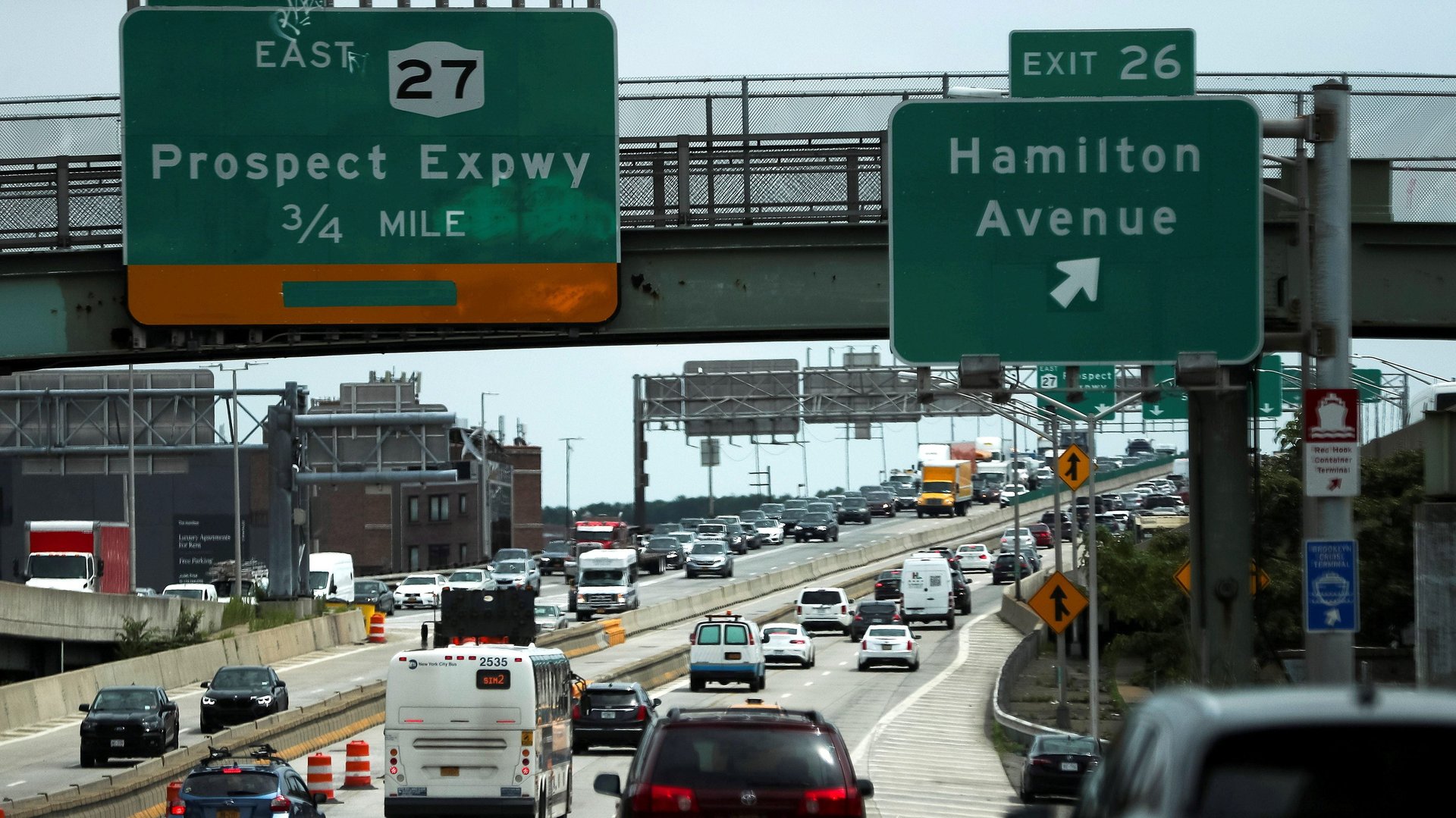
The US Senate has decided to advance debate on a $1 trillion infrastructure bill Democrats in Congress have been pushing for months. The bipartisan compromise bill, while much smaller than the $3 trillion legislation package president Joe Biden originally proposed in March, is the largest investment in US roads, waterways, and electric utilities in a generation.

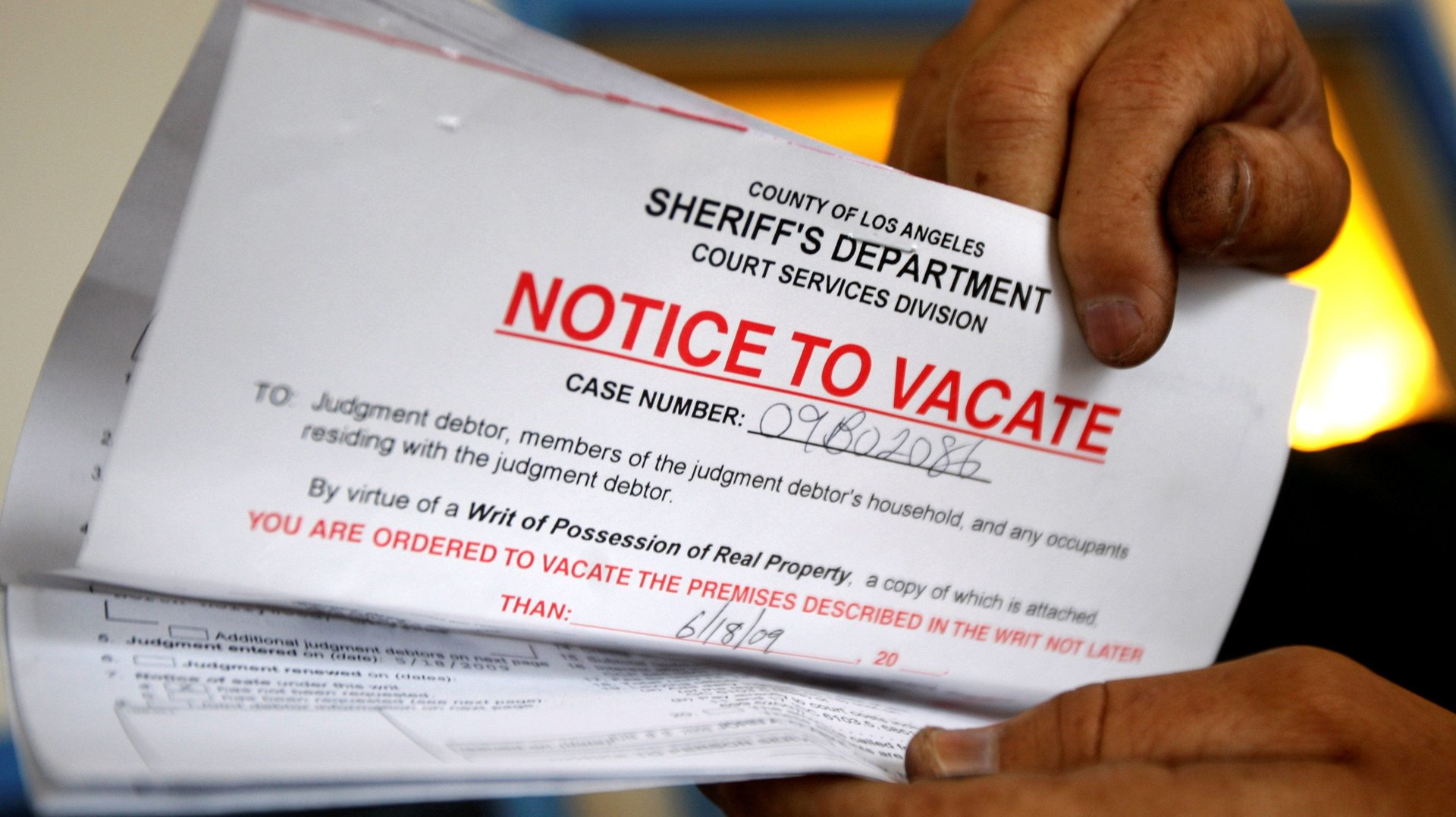
The US Centers for Disease Control and Prevention announced Tuesday that it would reinstate a federal moratorium on evictions in parts of the US experiencing high levels of Covid-19 transmission. The agency came under mounting pressure from Congressional Democrats as the pandemic’s new delta variant has spread across the country.

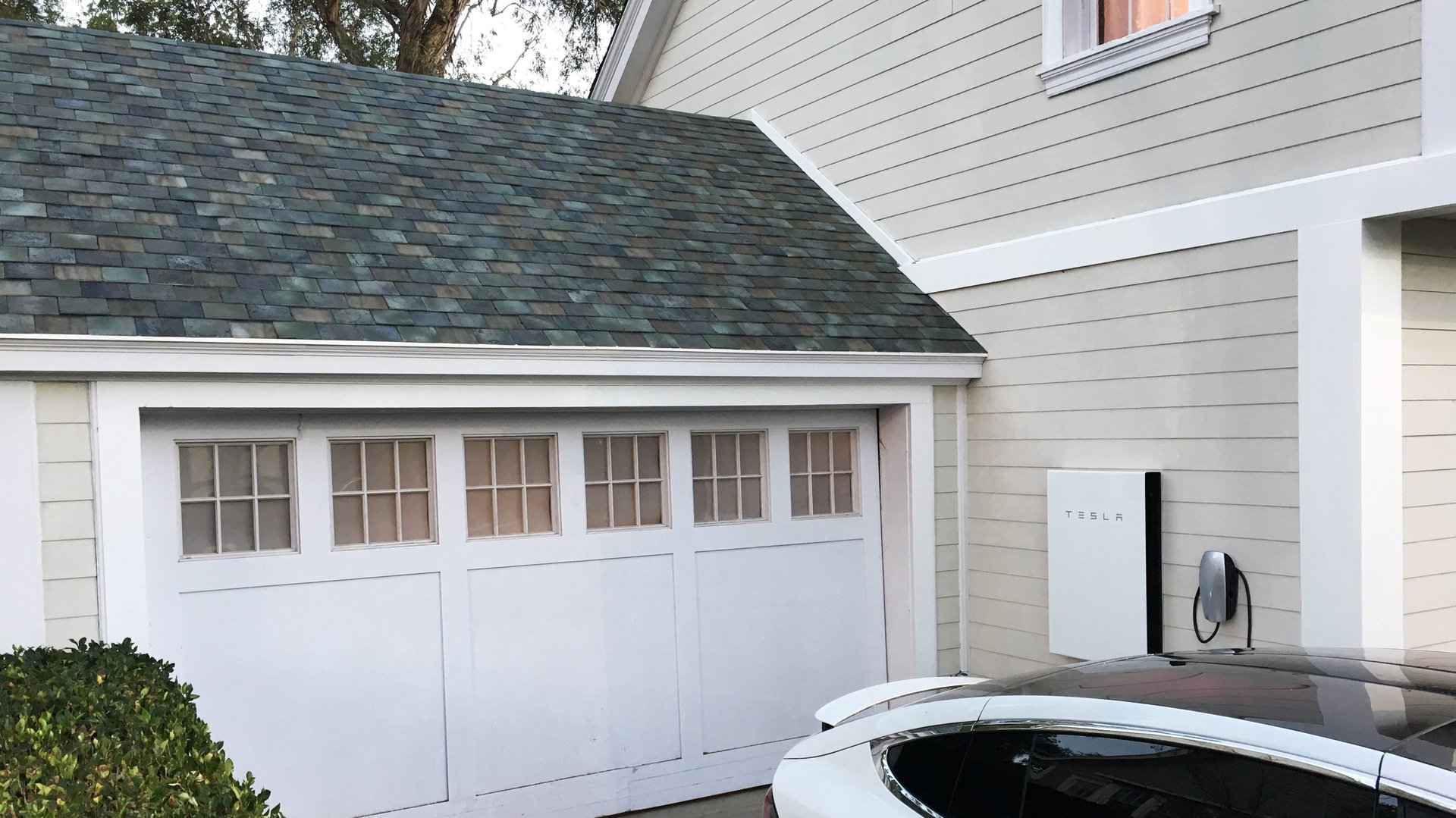
Elon Musk is continuing to grow his footprint in Texas by installing the latest version of Tesla’s solar roof on thousands of new homes.

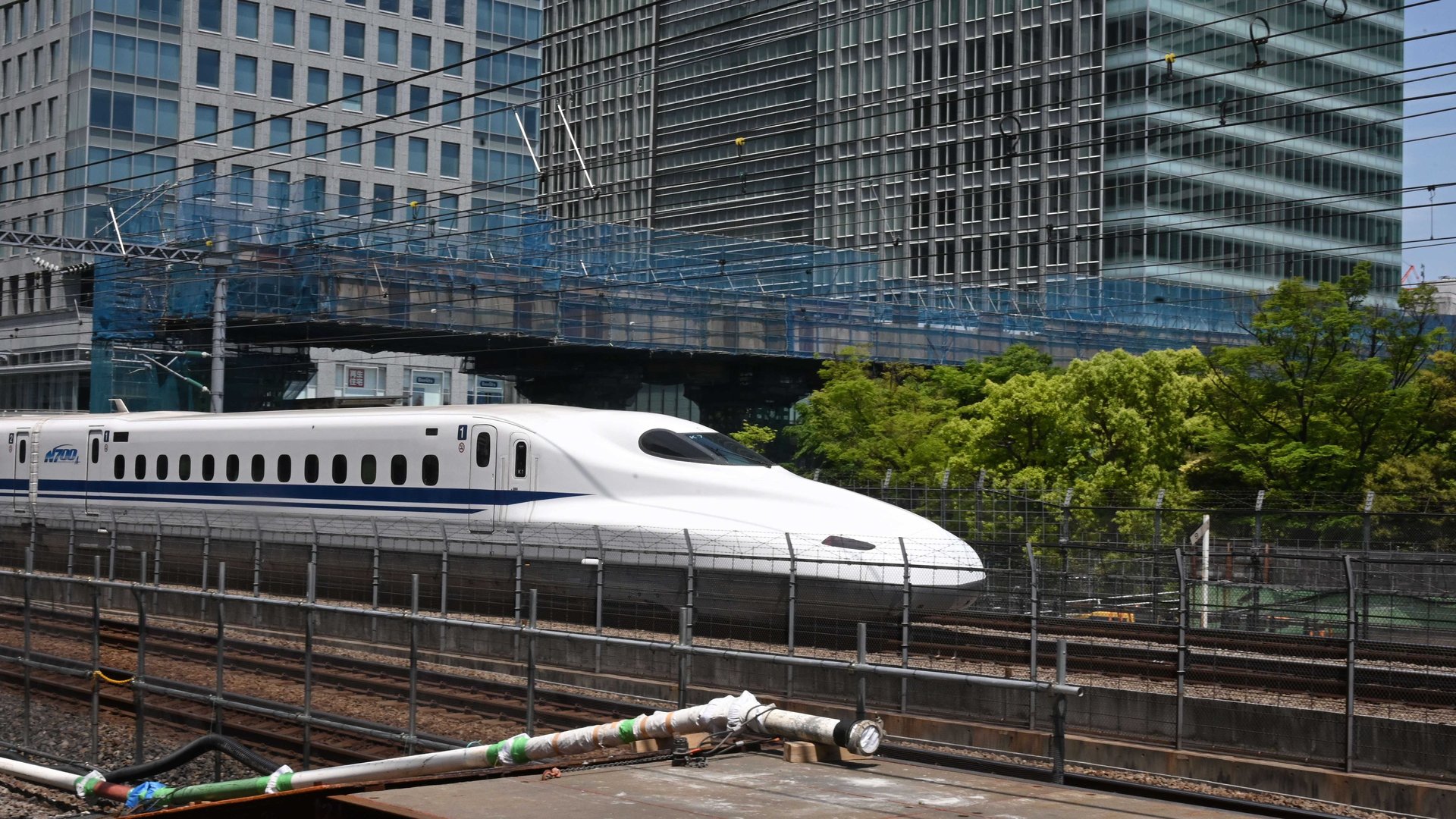
Tokyo came with its game face ready. Soon after the city was confirmed as host of the 2020 Olympic and Paralympic games in 2013, officials began planning for how to move millions of visitors around on Tokyo’s roads and infamously complex train system.

As some (but not all) companies shrink their real estate and offer workers a choice between coming to an office or working from home, other businesses are betting that there will be demand for new types of places to meet and work.

When the first installment of the enhanced Child Tax Credit was sent out on July 15, it marked a historic first for US social policy. For the first time, eligible households are getting direct cash payments for raising children rather than a credit on their annual taxes. The annual value of the benefit is up to $3,000 for each child 6 to 17, and $3,600 for children under 6.

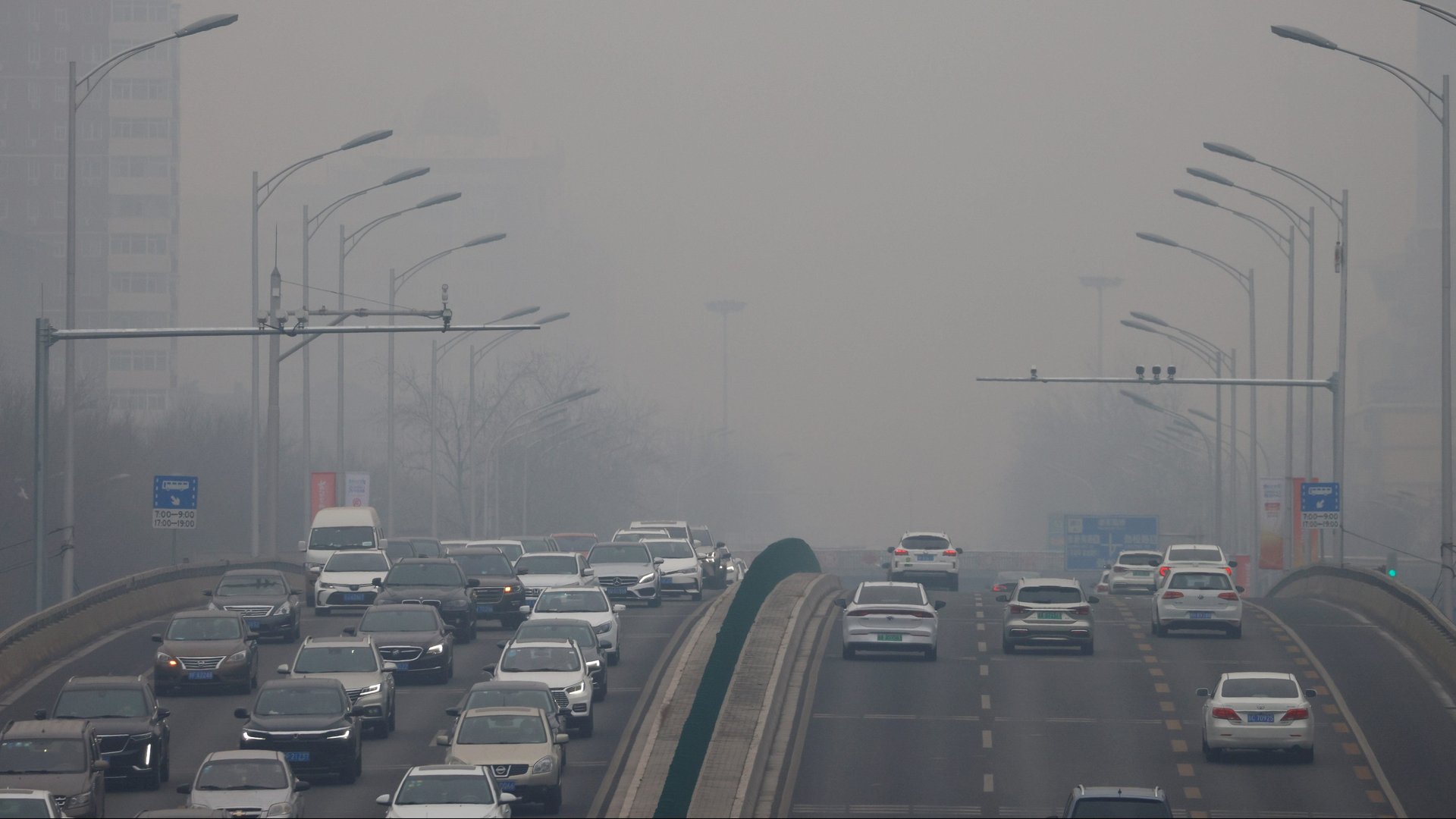
Just a few cities are responsible for the majority of urban carbon emissions. That’s according to a new study that evaluated the greenhouse gas emissions for 167 cities around the world and found over half of emissions from the entire group came from just 25 cities, mostly in China.

Families around the US are getting an economic boost today as the federal government issues the first of its updated Child Tax Credit. It’s now formulated as monthly automatic direct payments to most families in the US with children under 18. It was included as a key anti-poverty measure in the Biden administration’s coronavirus relief bill—the American Rescue Plan—that became law in March. The Internal Revenue Service (IRS) is distributing the money to taxpayers based on recent income tax filings. That means some of the most in need of the money could miss out.

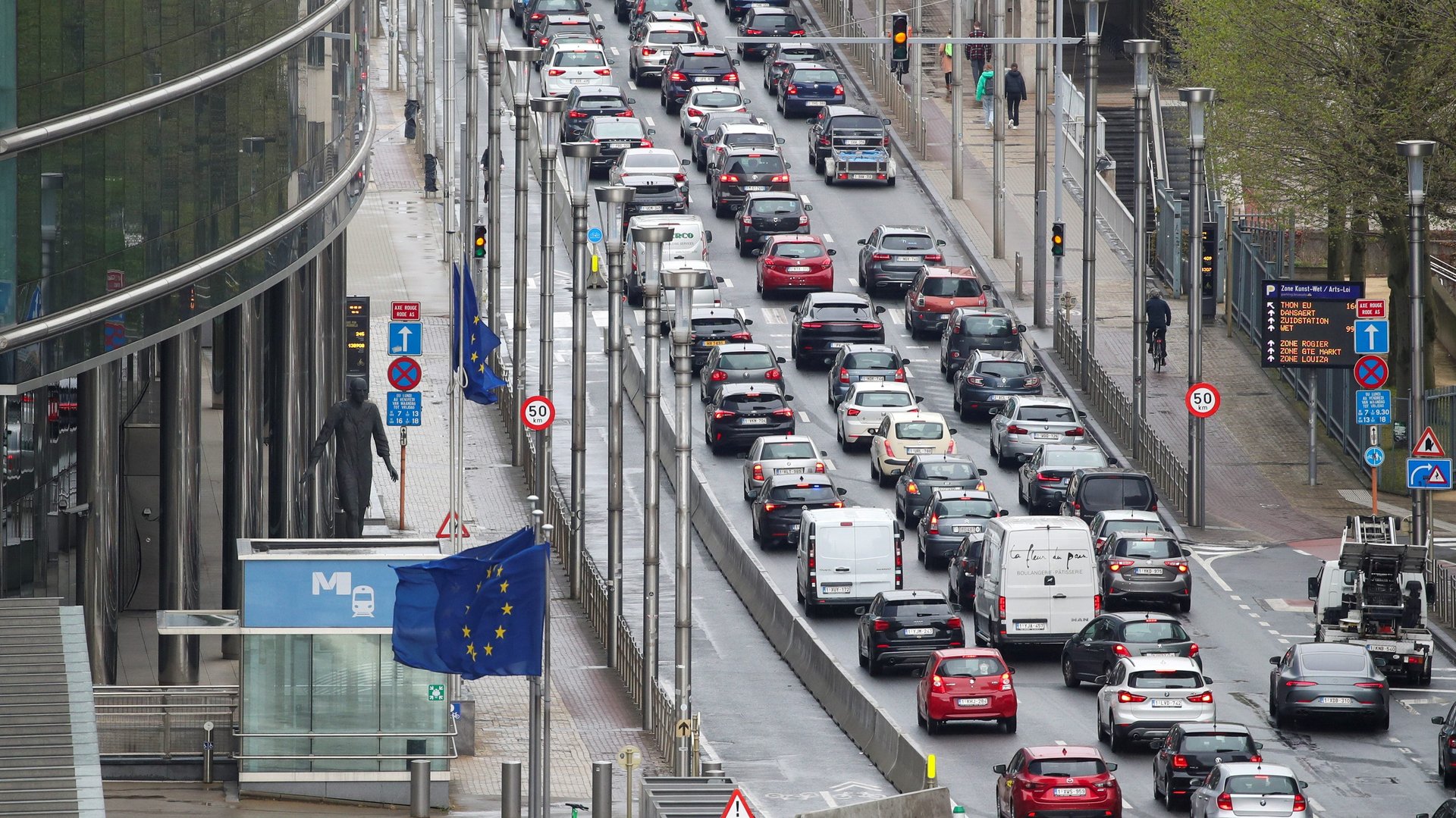
The regional Brussels government announced on June 25 a new ban on fossil fuel-powered cars in the region that will come into effect over the next 14 years. New sales of diesel cars will be prohibited 2030, and new gasoline car sales will be illegal in 2035. The move is in accordance with existing efforts in Brussels to reduce pollution, and the EU goal of achieving net-zero carbon emissions 2050.

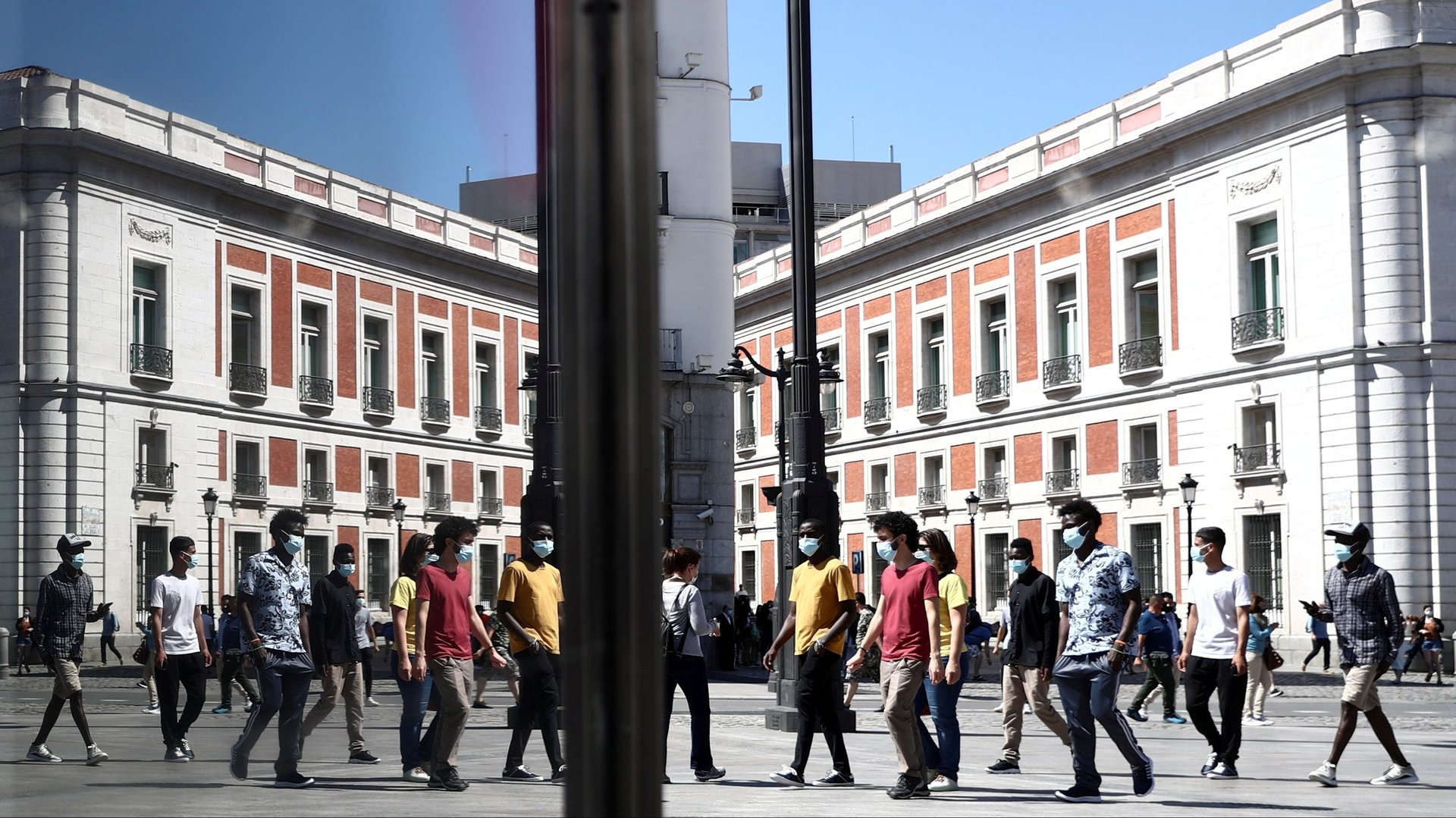
On June 30, lawmakers in Madrid announced (link in Spanish) their intentions to approve updates the city’s planning codes that will “adapt the city to the 21st century,” according to the government. Deputy mayor Begoña Villacís called the plans “the most ambitious update…in the last 24 years.”

Plans for a high-speed railway in Texas hit a major milestone last week when developers signed a $16 billion contract with an Italian construction firm to begin work on a high-speed railway connecting Dallas and Houston with a 90 minute ride. The project, which is expected to cost $20 billion was first announced in 2015 by the private developer Texas Central Railroad. It was delayed by court battles for several years as local officials and some property owners fought the company on their right to acquire land for the train. Now the path is clear for construction.

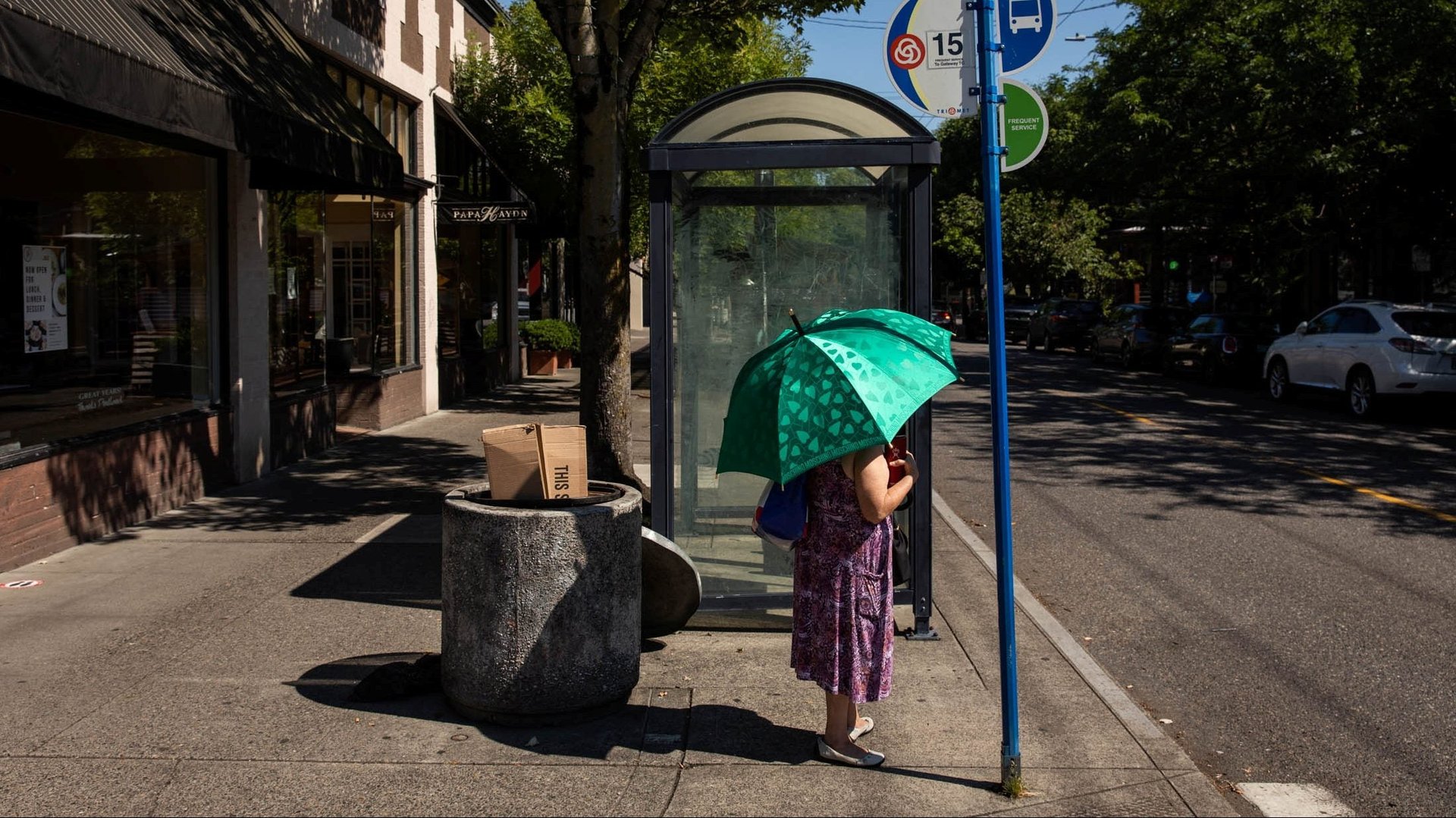
The heat dome that has sent temperatures soaring above 110°F (43°C) in parts of the western US and Canada over the past five days has taken a toll on the built environment. In a temperate climate that usually experiences summer highs around 70°F, the roads, water supply, and electricity grids of cities weren’t built to withstand this kind of heat. In a matter of days, the extreme weather has damaged key infrastructure in Portland, Seattle, Tacoma, and elsewhere. Here is some of what’s been impacted:

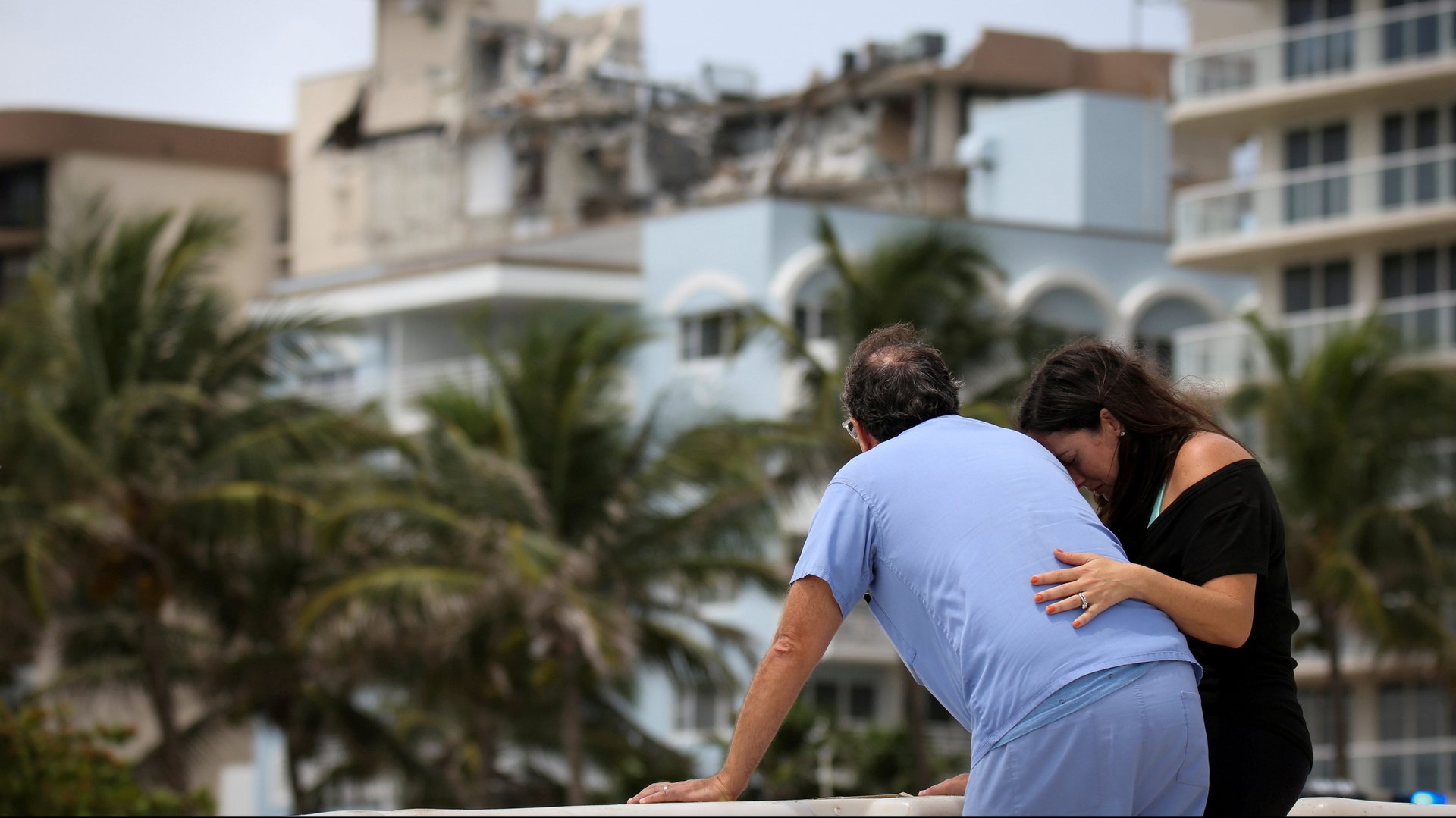
Experts are still investigating the causes of the of the Champlain Tower South condo collapse in Surfside, Florida last Thursday, a tragedy that has left at least 11 dead and more than 150 people unaccounted for. Initial information about the building has included reports of structural issues, as well as environmental challenges posed by the area’s geography.

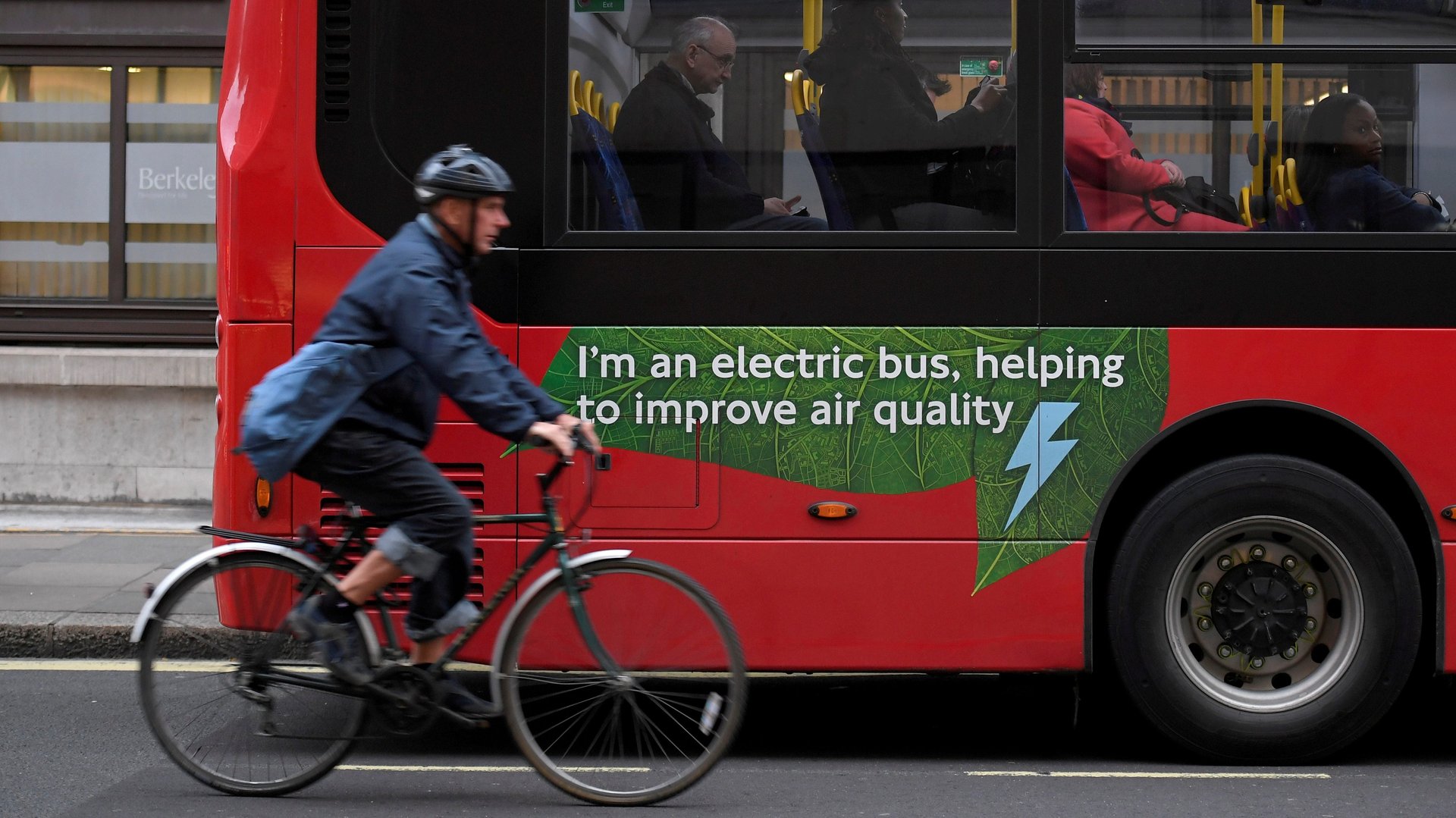
London’s iconic red double-decker buses are getting a bit greener. London mayor Sadiq Khan announced city will add to its fleet hydrogen fuel-cell double-decker buses that produce no pollution.

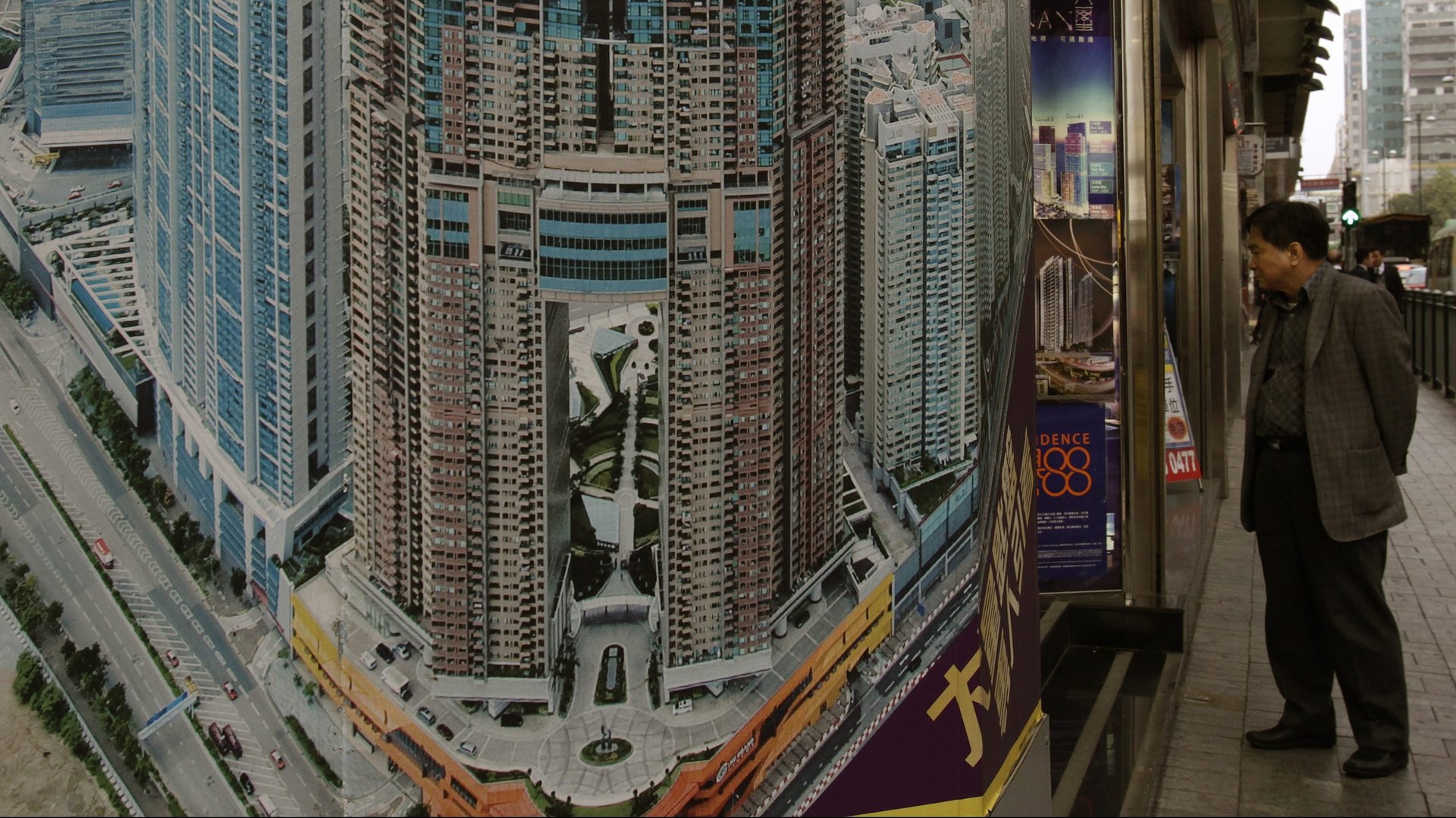
As some countries emerge from the coronavirus pandemic, many of the world’s major cities are seeing a boom in real estate prices. Wealthy buyers, especially, have over the last year found themselves with more cash and a desire for more space, driving up demand for new and existing housing across the Asia, Europe, and the US. The rush has led to fears of inflation and housing bubbles among policymakers. In New Zealand, regulators recently tightened mortgage standards in an effort to cool the market.

The US government’s definition of an American metropolis could change and some cities are concerned about being downgraded. The Office of Management and Budget (OMB) earlier this year recommended raising the minimum qualification for a “metropolitan statistical area,” to areas where the urban center has at least 100,000 residents, double the current standard.

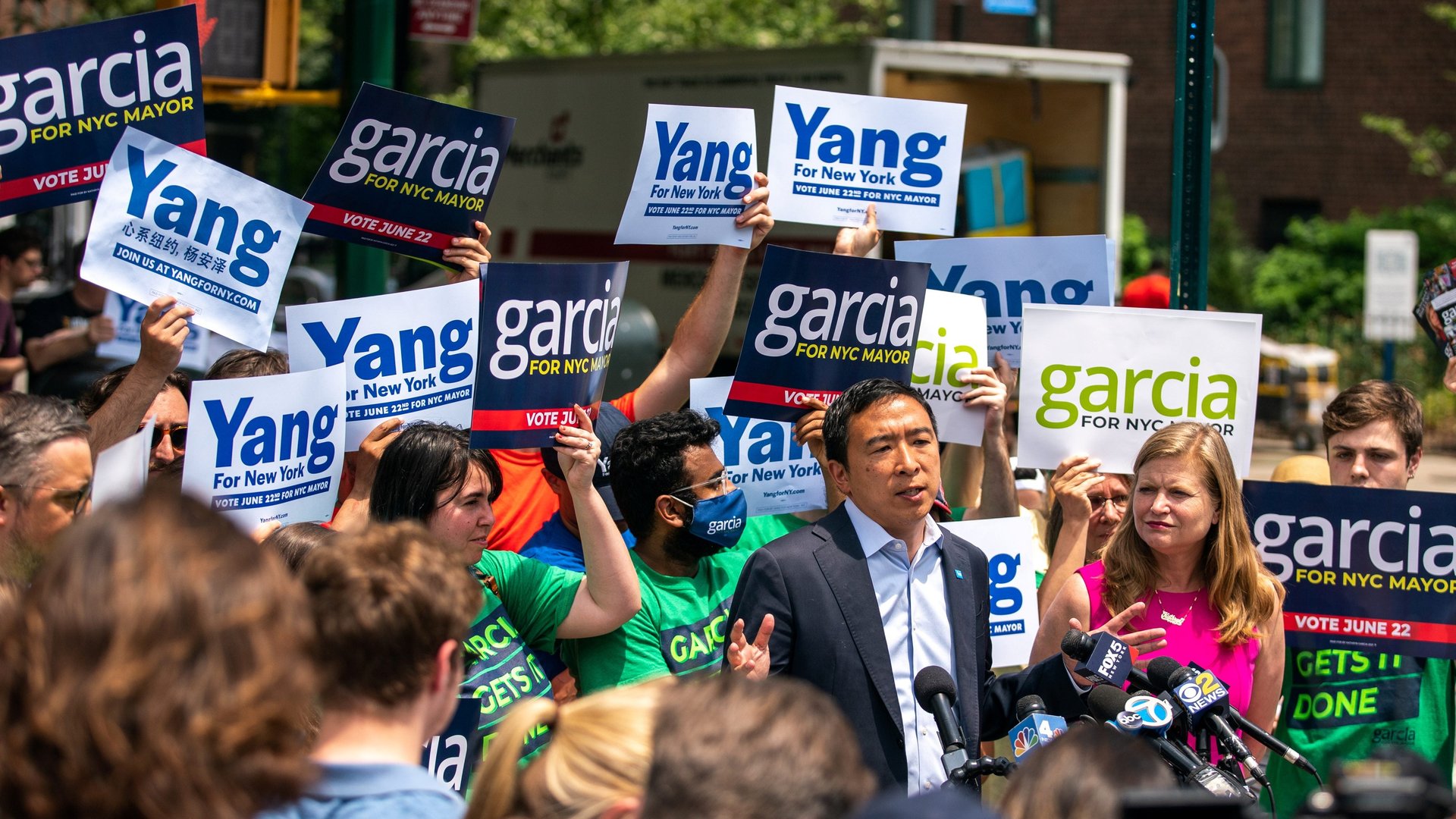
Polls have closed in the primary elections for New York City’s mayor, but thanks to the city’s new adoption of ranked-choice voting, we may not know the winners for some time. Although today’s vote is only to select candidates to run in the general election in September, there are seven Democrats for every Republican in New York. The Democratic primary is seen as a de facto general election.