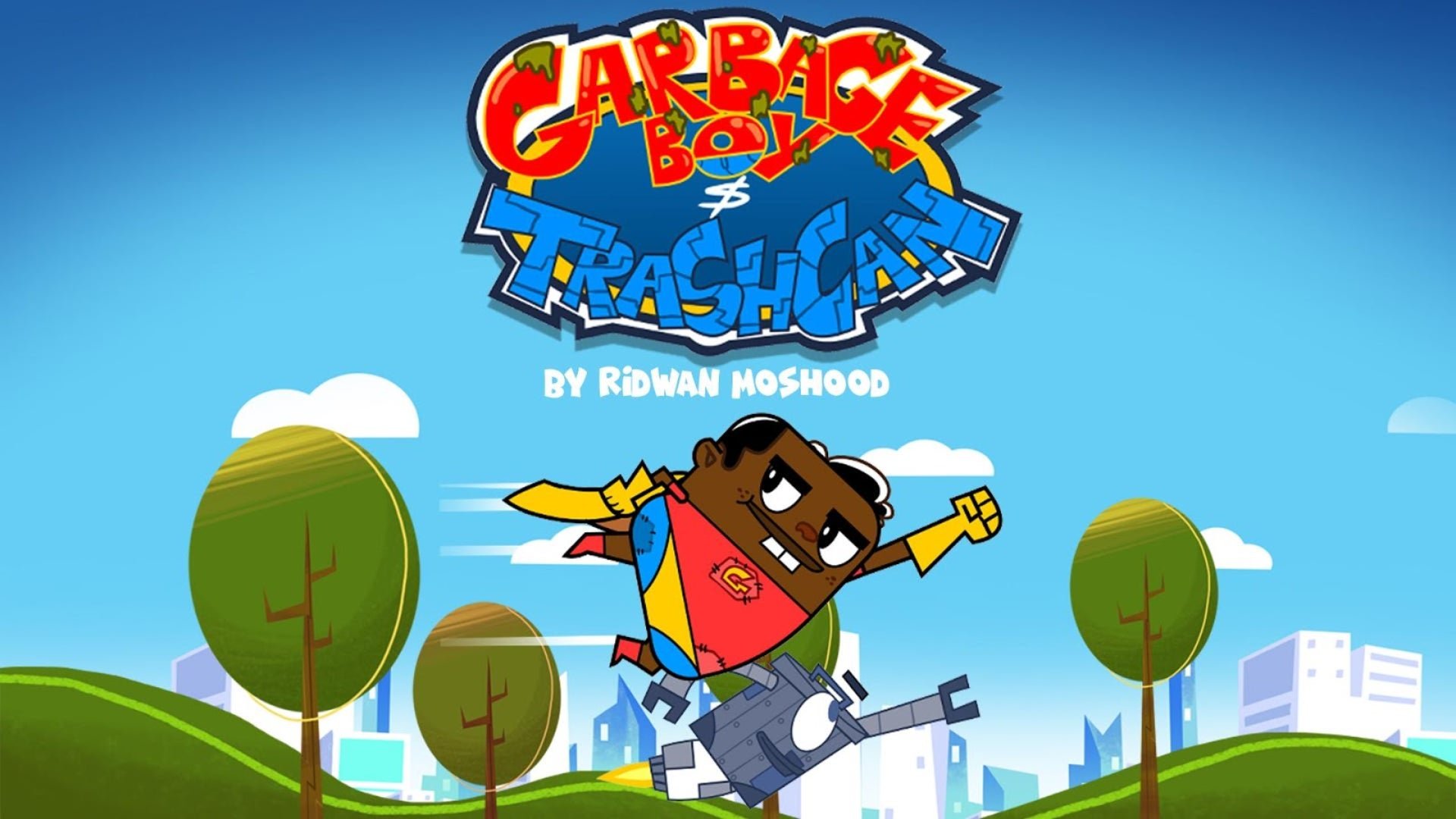
This month has been a significant one for Africa’s animation industry, as major content platforms in the US announced they are picking up four productions by local cartoon creators.

This month has been a significant one for Africa’s animation industry, as major content platforms in the US announced they are picking up four productions by local cartoon creators.

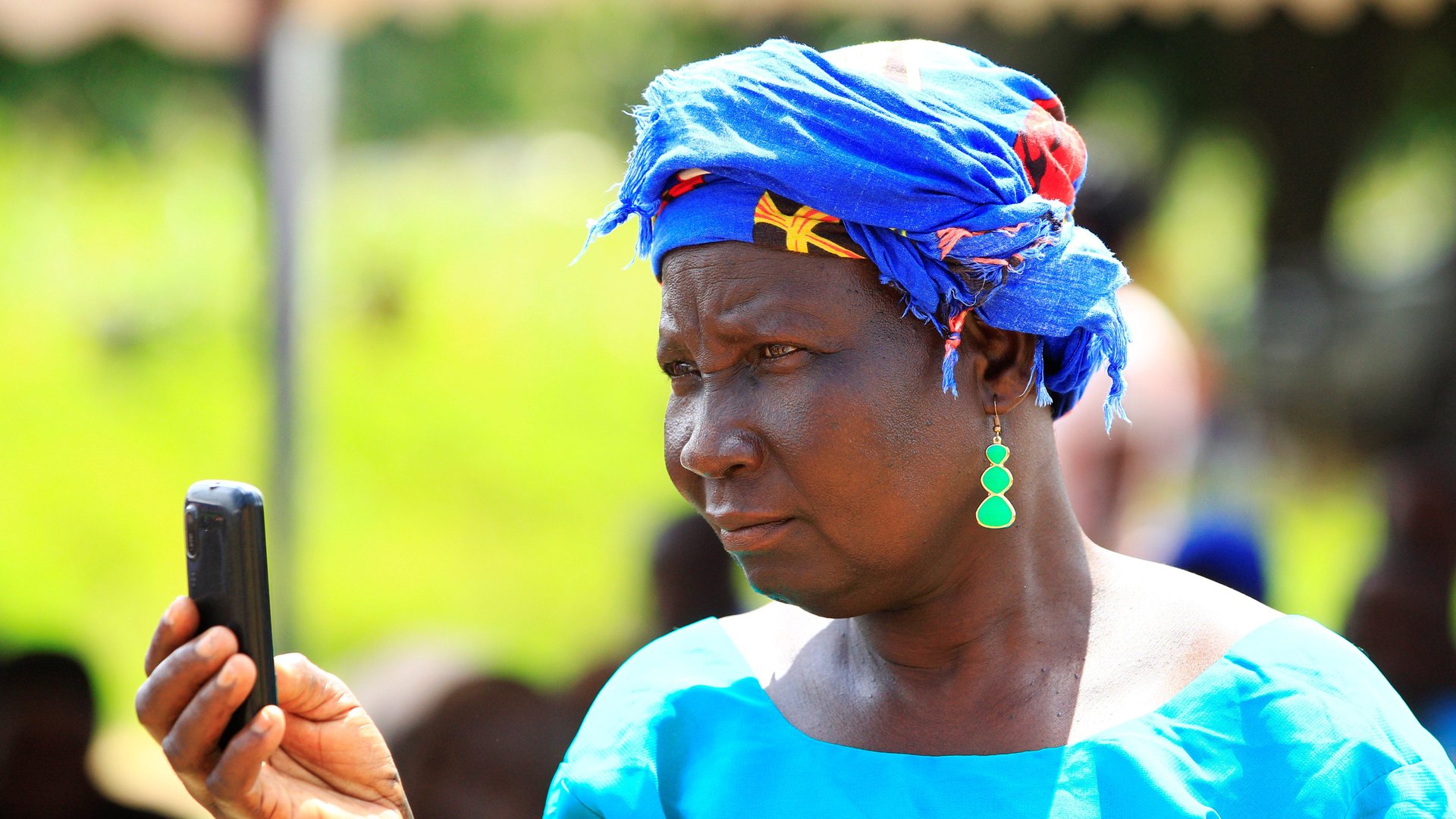
The Covid-19 pandemic made access to mobile phones and mobile internet more important. Yet the gender gap for mobile phone ownership and mobile internet use in sub-Saharan Africa remained largely unchanged in the past year.

The African e-commerce market could benefit by around $14.5 billion if the number of women selling on online platforms achieves parity with men, according to a new report. The International Finance Corporation (IFC), in partnership with the European Commission, says that additional training and financial support for female sellers would hugely expand the overall sector.

The African Development Bank has launched a AUD600 million ($463.9 million) social bond in Australia. Although the bank has issued social bonds in the past, it’s been selling them more frequently, as social bonds emerge as a key way to help cash-strapped countries during the coronavirus pandemic.

Afrobeats, afropop, soukous, rumba, gengetone, kwaito and Arabic pop—these are some of the sounds breaking through Africa’s borders and bringing the world’s attention to the continent.

African cultures have long inspired the world through mediums such as film and music. But now, investors, international companies, and social media platforms are showing a huge appetite for the space, prompting growth in startup funding, investment in original content, and attracting global audiences.

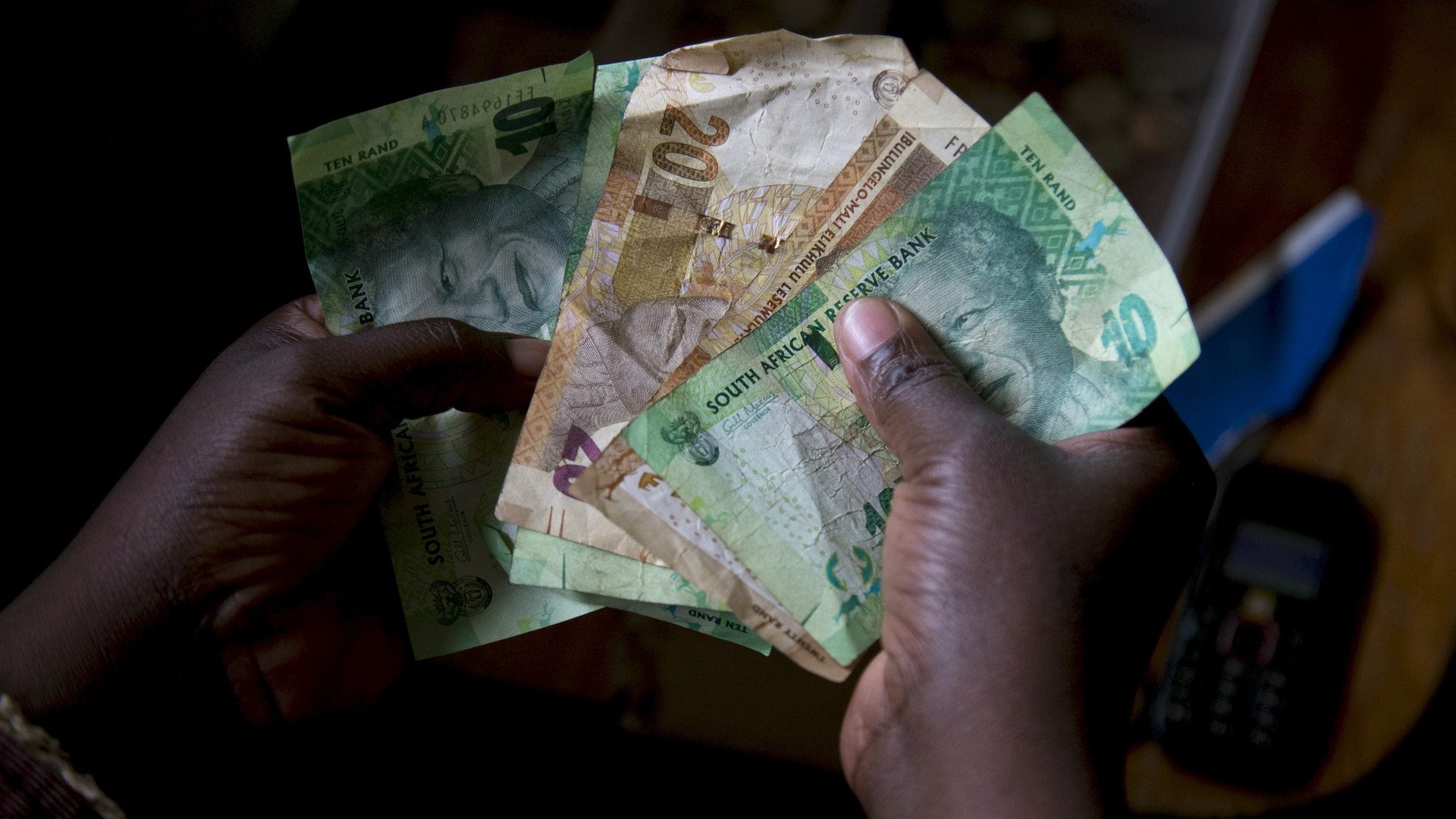
Central banks around the world are looking to develop their own digital currencies, which use technology to represent a country’s official currency in digital form.

Despite speech increasingly becoming one of the main ways people interact with devices, voice technology remains largely closed off to Africa’s languages, accents, and speech patterns. Case in point: The world’s most popular voice assistants, Siri, Alexa and Google Assistant, still don’t support any African languages. The continent has more than 1,000 languages.

Ghana’s planned issue of a social bond could kickstart a trend in Africa.

There’s been a flurry of activity around African data in the past two months.

A greater number of startups in sub-Saharan Africa are offering telemedicine services, spurred on by the Covid-19 pandemic and increasing digital adoption across the continent. But a lack of “clear and harmonized” regulation is preventing the industry from taking off, according to a new report on health innovation in the region.

The number of early-stage deals among African fintech startups is increasing, but the average size of the deals remains low compared to that of other regions, and funding gaps persist at the early stages, according to a new report on the industry in emerging markets. Creative funding solutions may go some way to overcoming these obstacles, it says.

The Covid-19 pandemic has further exposed corruption in African governments, as numerous reports emerge from procurement deals struck under shady circumstances. In South Africa, there are accusations of the misuse of $900 million in public funds meant for fighting the pandemic. In Uganda, four top officials were arrested on suspicion of inflating prices for Covid-19 relief food, costing the government at least $528,000.

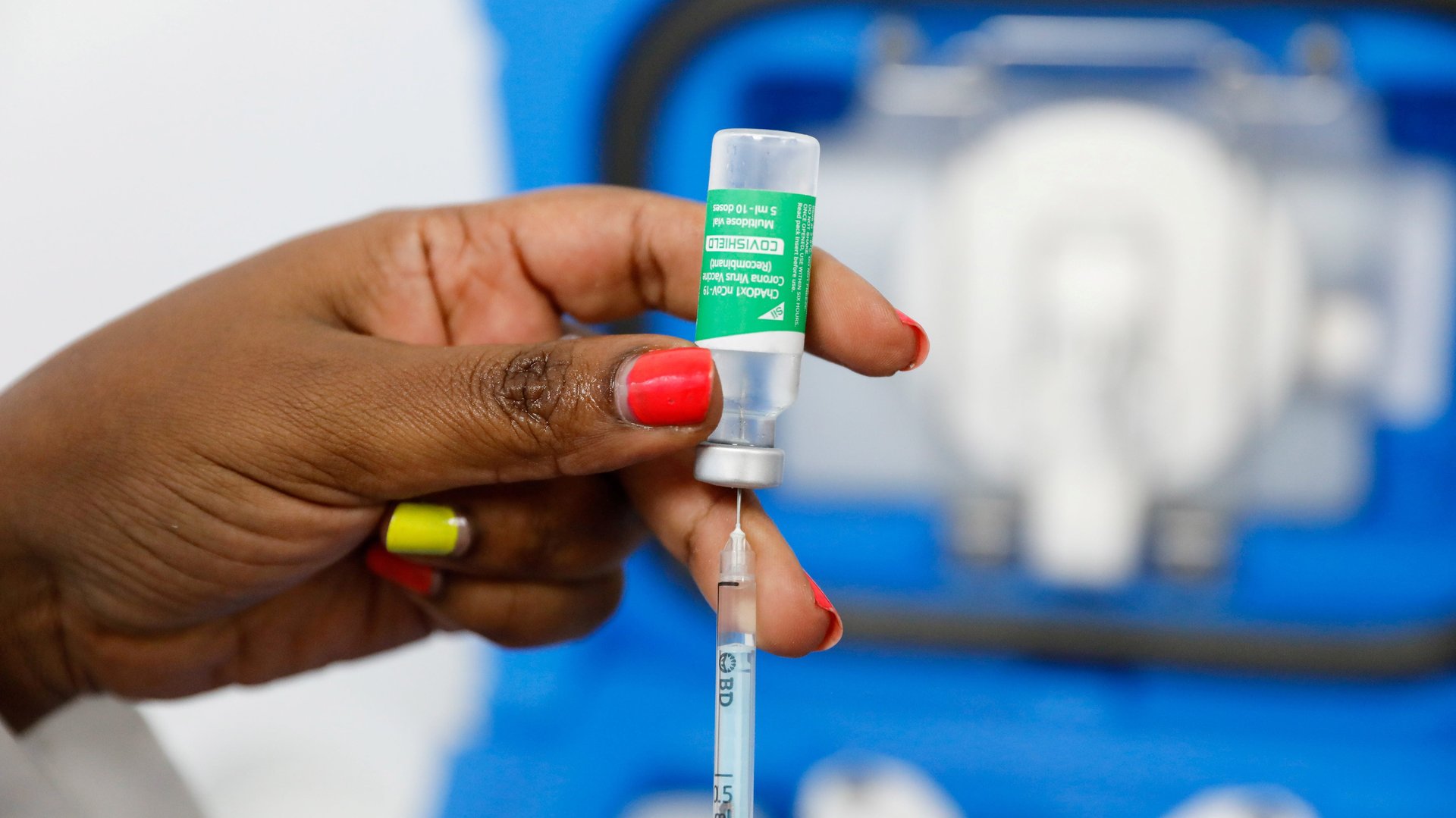
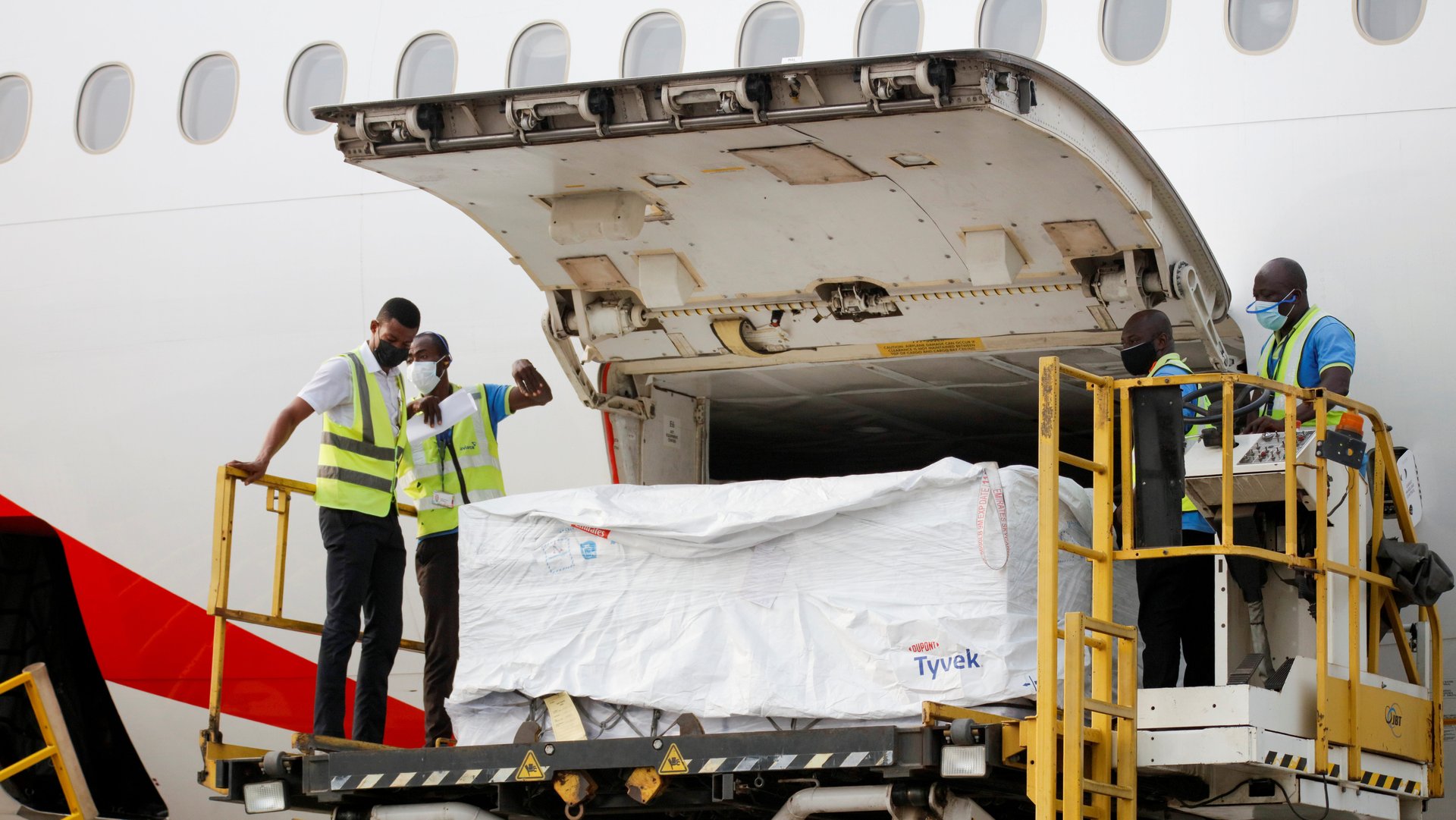
In a contentious reversal of its previous position, the US on May 6 announced its support for a suspension of intellectual property rights on Covid-19 vaccines. The African Union’s public health agency applauded the move, saying the waiver would offer the continent a “unique” opportunity to advance its vaccine manufacturing.

Sub-Saharan Africa’s apparel, textile, and footwear market is estimated to be worth $31 billion, and its fashions are often an inspiration for international designers. But many of its entrepreneurs operate in the informal sector. A lack of wide access to capital, low production capacities, and small distribution networks limit the industry’s growth potential.

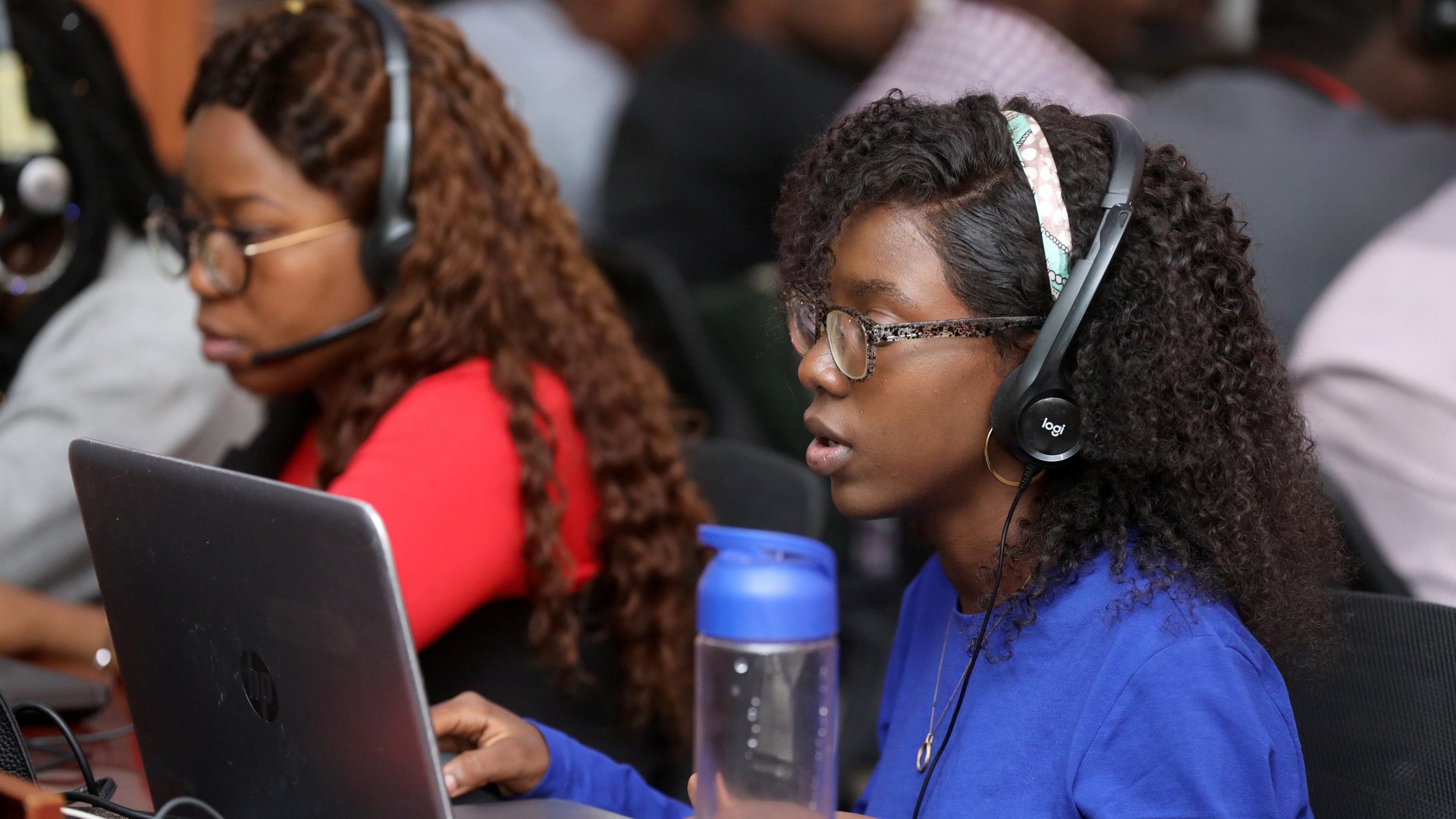
Finding, attracting, and retaining top talent is a big challenge for tech startups in Africa.

Covid-19 is a global disease. That means, as the Guardian’s Hannah Ellis-Petersen recently pointed out, that India’s crisis is the world’s crisis.

Kenyans are petitioning the International Monetary Fund to cancel its approval of a $2.34 billion loan for Kenya, citing mismanagement of funds by the government and the country’s increasing debt load.

The Covid-19 pandemic is widening the income gap between sub-Saharan Africa and the rest of the world, according to the IMF, risking greater differences in living standards between countries. This is particularly concerning for a region where millions have already been pushed into poverty by the pandemic.

A recently published letter by a group of prominent African scientists and health practitioners to international funders has reignited a conversation over the funding models used by western governments and global health institutions for the continent.

A huge appetite for African eurobonds is spurring a wave of issuances in the continent.

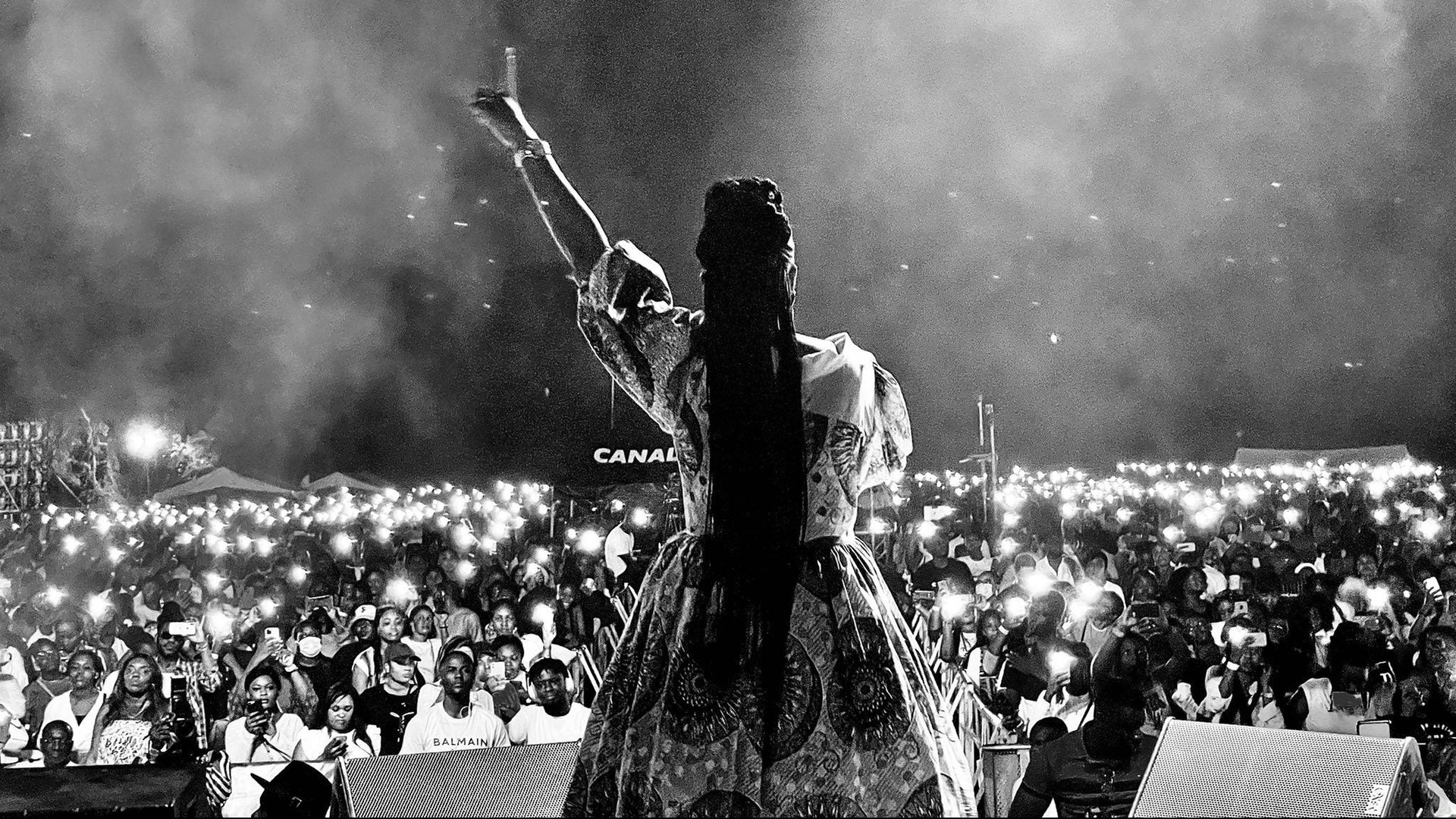
Fueled by a young population, great musical talent, and more streaming opportunities, Africa’s music industry is booming, and the world’s major record labels are taking notice.

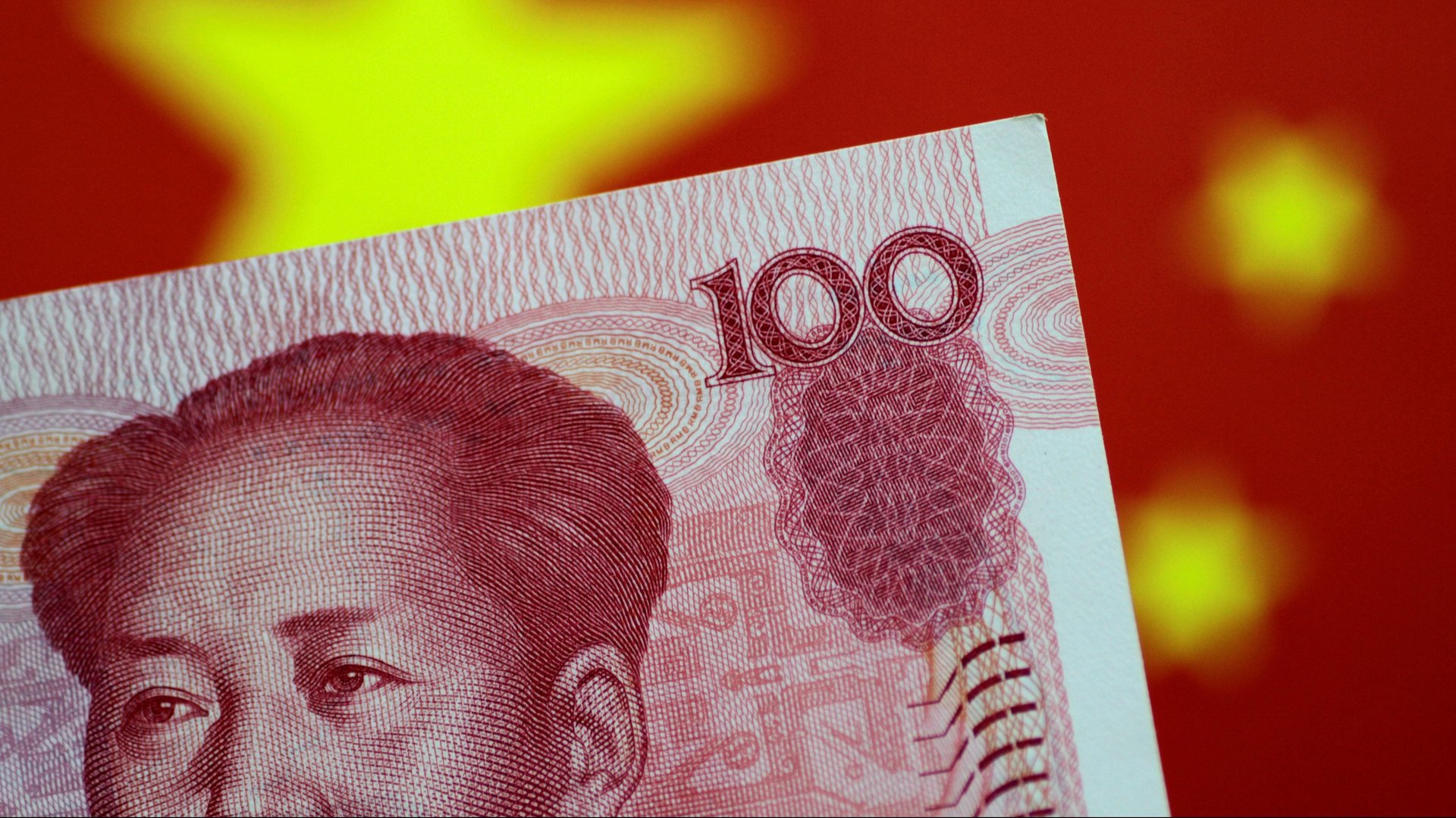
A new report led by AidData, a US-based development finance research lab, reveals the ways in which Chinese lenders use contracts to gain an advantage over other creditors in developing countries, limiting the borrowers’ options for crisis management, and complicating debt renegotiation.

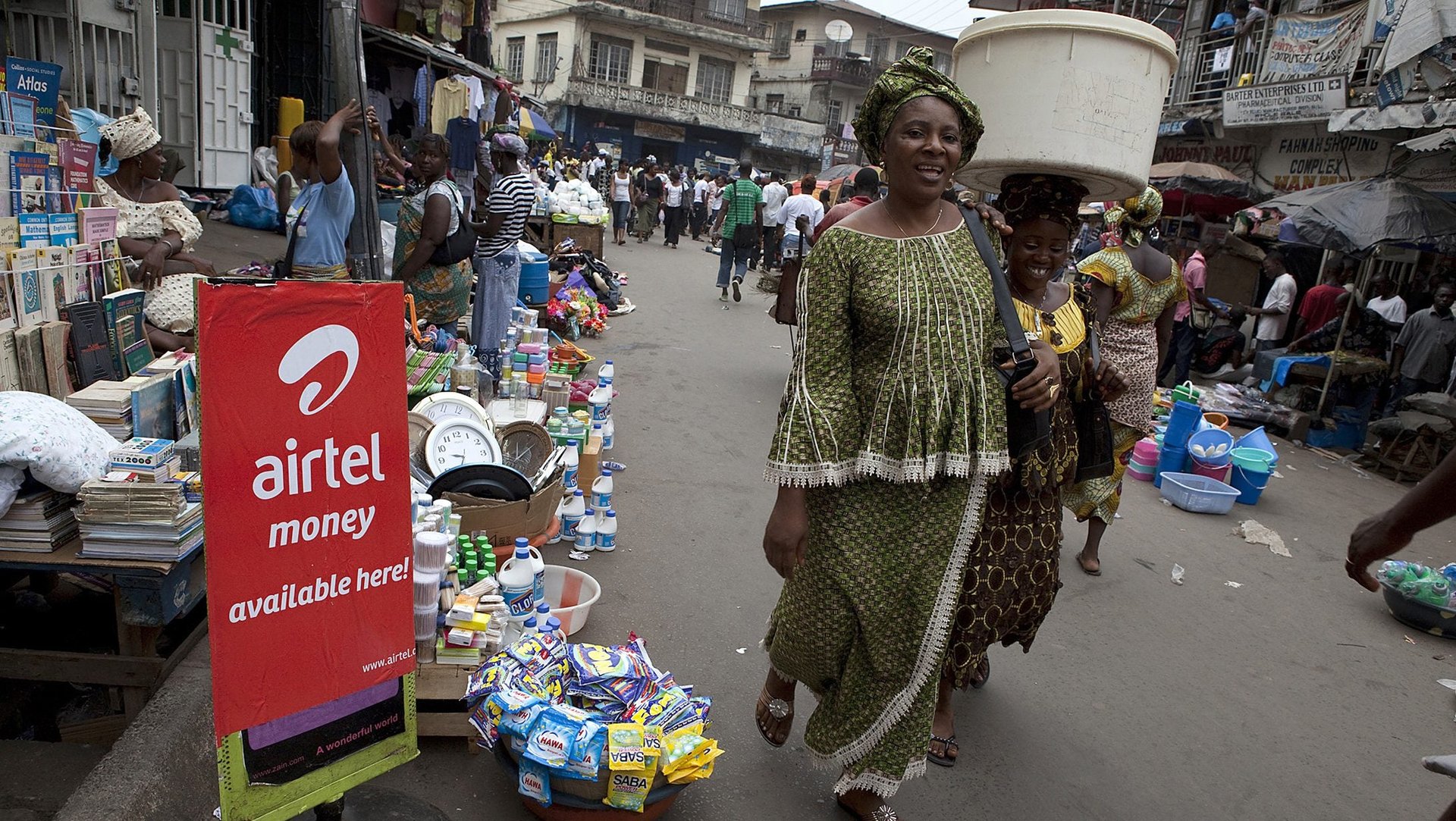
The $100 million investment from global payments giant Mastercard in the mobile money business arm of Airtel Africa announced this week is a sign of the rapid growth and optimism in Africa’s digital payment sector.