The mysterious, anonymous creator of bitcoin, whose identity has been sought by countless journalists, geeks, and hobbyists since the currency first appeared, has finally been uncovered.

The mysterious, anonymous creator of bitcoin, whose identity has been sought by countless journalists, geeks, and hobbyists since the currency first appeared, has finally been uncovered.

Tickle is a fake smartphone app. The slick product video above is a spoof. But the idea is compelling enough that it feels like it’s about to exist anyway. It’s the latest provocation from designer Alex Cornell, and his concept is simple: If you’re in an awkward situation, you just “tickle” the back of your smartphone, activating its motion-detecting accelerometer and alerting the app to take action. Tickle then calls you in order to get you out of whatever awkward situation you’re in at the moment. Haven’t we all needed that at some point?

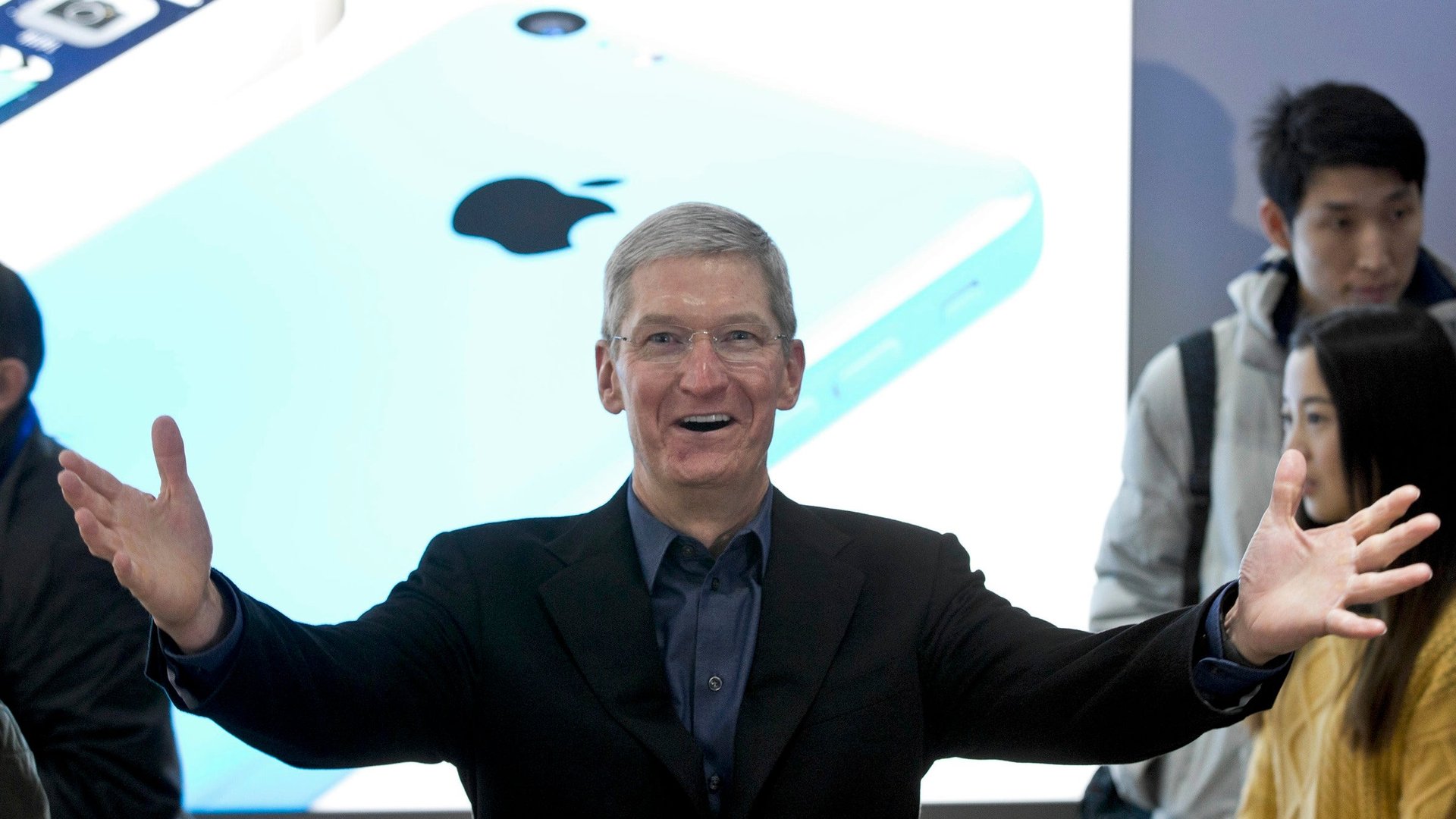
It turns out that the key to Apple’s creativity, speed, and adaptability is, on its surface, the exact opposite of the kind of free-wheeling creativity one might expect. It’s a checklist. A really long one.

Google has slowly but very deliberately encroached on territory previously claimed by Windows PCs: low-cost notebooks. Now its latest Chromebook may pose a threat to Apple’s dominance of the higher-end market.

The folks behind Square, the mobile device-based point of sale system, sent us this fascinating map showing the comparative cost of haircuts for both men and women in cities across the country. According to their calculations—based on data from shops that use their technology—San Francisco handily beats New York for most expensive average price for a haircut: $60 to $55. New York came out just ahead for women’s cuts, however: $73 to $71. It’s the significantly higher average price of men’s haircuts in San Francisco ($49 to New York’s $37) that translates to a higher average price there.

In an unnamed city in Asia, AGT, a Swiss security firm, has teamed up with Cisco to install internet-connected sensors in trash bins. The idea is simple: the city knows when bins are full or empty, so it can plan more efficient routes for trash collectors and their trucks. Save enough on fuel and labor by eliminating wasted trips, and the sensors more than pay for themselves.

Developer Mattan Griffel penned a fantastic guide to writing emails that busy people will actually respond to. Briefly, his guidelines are to keep it (very) short, format for readability, be specific about what you’re asking for, be reasonable in your request, and demonstrate that you’re worth answering.

There has been endless high-quality discussion about why Facebook was willing to pay more than what half of the S&P 500 companies are worth for WhatsApp. My biased distillation of the consensus is, basically, Facebook wanted to keep WhatsApp out of the clutches of Google, and the sale was in stock at a time when Facebook’s share price is at an all-time high, so Facebook didn’t have much to lose.

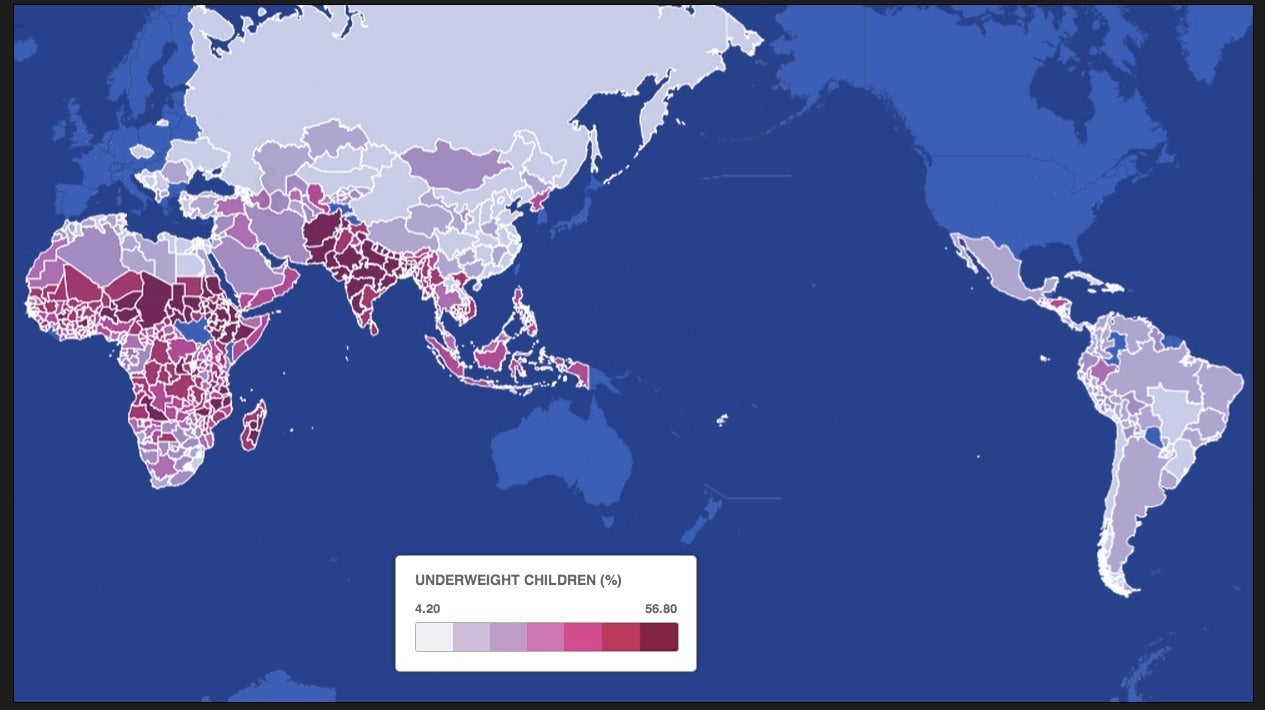
Few maps are more concerning than this one. Created by journalist Tim De Chant, it shows the percentage of children in each country whose weight is “more than two standard deviations below the median of the NCHS/CDC/WHO International Reference Population.”

If Mark Zuckerberg needed any more proof that the new place to share things with your social network is chat apps, not fusty old social networks like Facebook and Twitter, Buzzfeed is providing it. Buzzfeed told Re/code that when they dropped a “share to WhatsApp” button on their stories, the number of clicks on the WhatsApp share button rapidly exceeded the number of clicks on the share via Twitter button. Update: It seems that so far this is only true on iOS. Update 2: The headline of this piece has been updated to reflect that Buzzfeed is seeing more clicks on the WhatsApp share button, not more shares overall vs. Twitter.

Today, Jan Koum, the founder of WhatsApp and its biggest shareholder, is rumored to be worth more than $6 billion. But as a teenager, he was on food stamps, a recent immigrant from the Ukraine, starting over with his mother in the US.

Sources tell USA Today that Samsung is going to make a very public break with Google and its Android mobile operating system at this year’s Mobile World Congress, between Feb. 24 and 27 in Barcelona. If the anonymously-sourced rumor proves true, Samsung will announce that its much-maligned Galaxy Gear smartwatch will be getting a much-needed upgrade, and will lose the Android operating system it was running on.

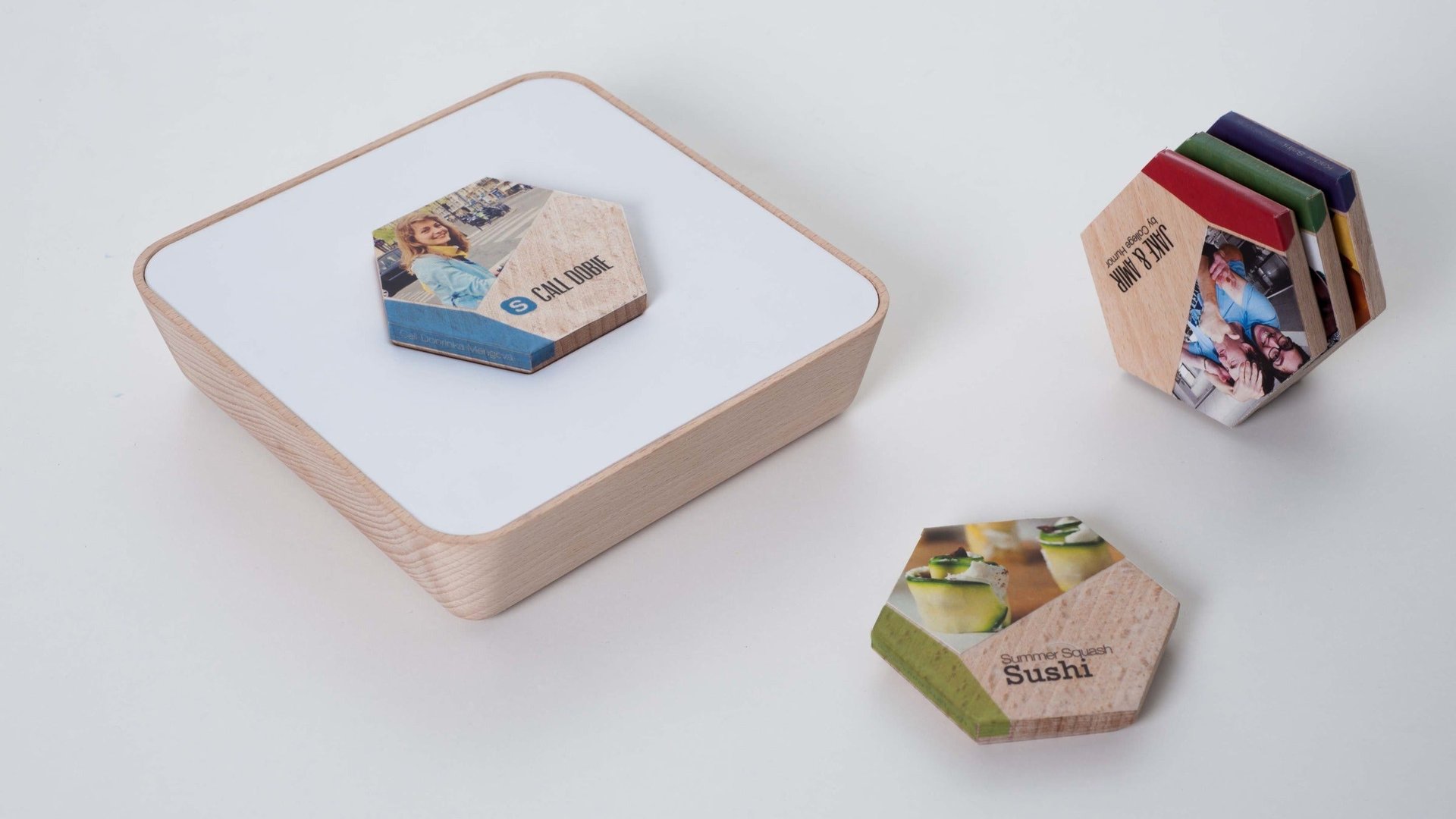
Not so long ago, every act of consumption began with a ritual. We pulled records from sleeves and perched them on turntables, slid books from shelves, watched as VHS tapes were ingested with a soft ca-chunk. Qleek, from Paris-based startup Ozenge, aims to return our digital media to a state in which they can be collected, stored, handled, played and shared in the same way that physical media were, once. The makers of Qleek want you to pick up a wooden hexagon printed with, for example, the artwork for an album or mix, place it on a reader, and hear the corresponding tracks play on your device of choice.

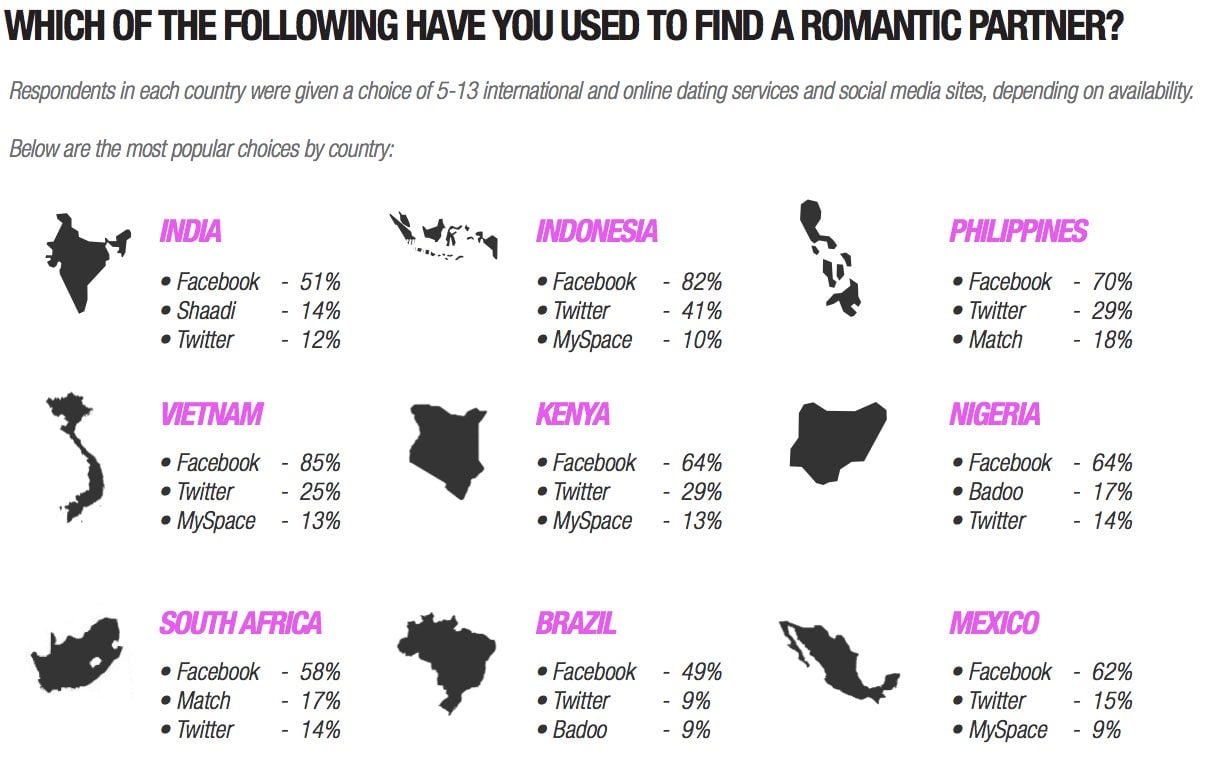
How do you meet someone online when you’re in India, Mexico, Nigeria, South Africa, Brazil, Vietnam, Kenya, the Phillipines, or Indonesia? You’d think it would be some local dating app, like Shaadi (India) or Badoo (Nigeria), but in a survey recently conducted by Jana, Facebook beat out all of them by a wide margin.

Grid-killing natural disasters are attacking the US east coast often enough that, as a semi-regular reader service, we republish our tips for how our US readers can make their cell phones last until the danger has passed. The new addition this time around? Next time, buy yourself a solar charger. But since it’s probably too late for an Amazon next day delivery of one of those, here’s how to make your phone last given the equipment you already have on hand.

Apple’s Mac desktops and laptops may still count for a fraction of the global market for PCs, but when you tally up all the computers (iPhones, iPads, etc.) on which people actually get things done, the number of computers sold by Apple exceeds the number of Windows-based PCs shipped worldwide in the fourth quarter of 2013.

The most memorable lecture of my college career was the one in which biological anthropologist Melvin Konner asked a room full of impressionable undergraduates what the purpose of love could be. Theatrically, he let a few of us answer. Then he dropped the hammer.

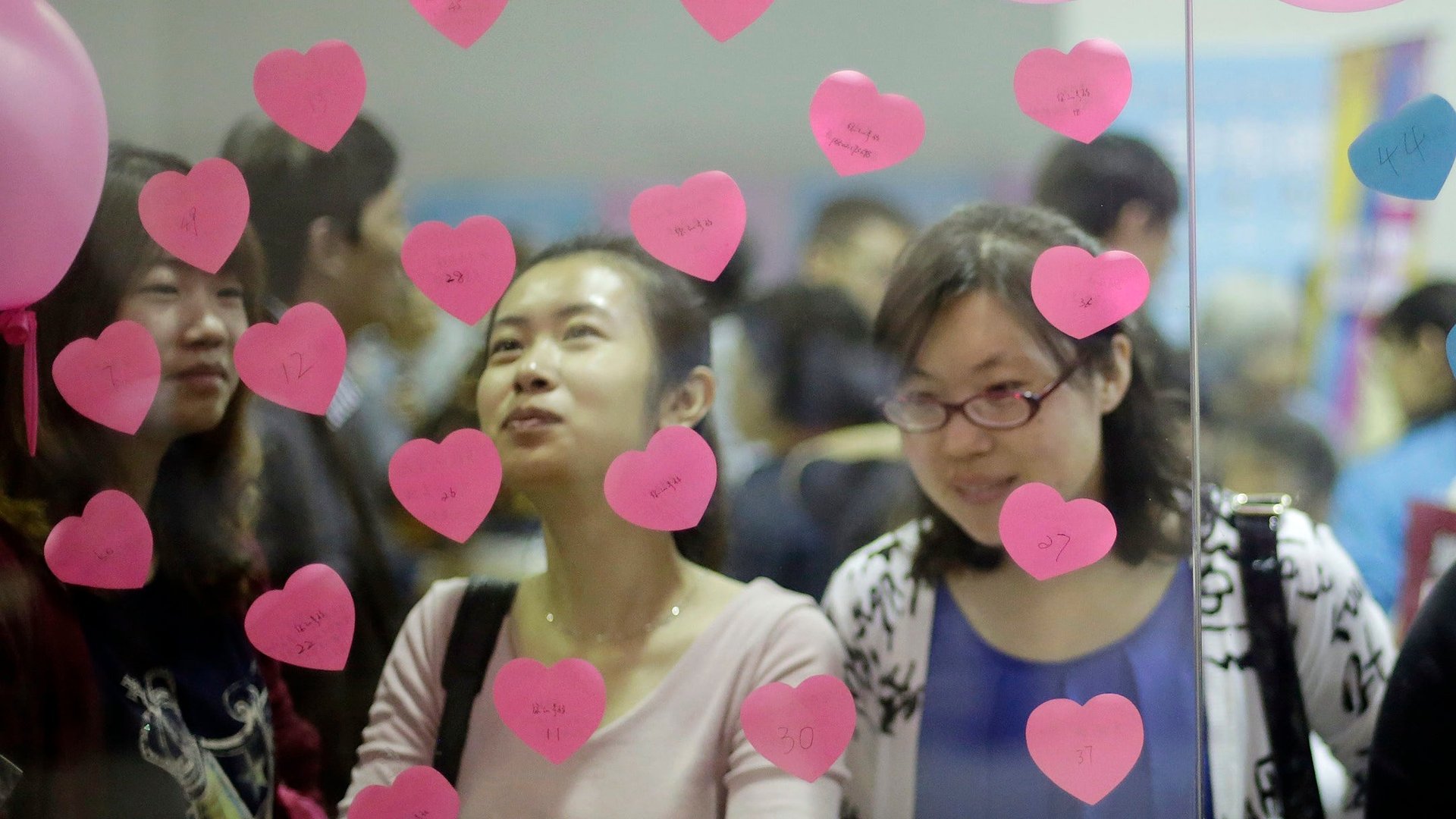
The location-based dating app SinglesAroundMe launched in 2012, and that means its creators have some historical data about how many people download their app around Valentine’s Day. Based on that data, they’re predicting that downloads of their app will quadruple from the week before Valentine’s Day through about Feb. 17, because apparently the loneliness doesn’t end when the holiday does.

You’ve got a product idea, and now you need money to get it to market. Why not ask your potential customer base to help you crowd fund its launch, instead of going through traditional investment channels? The only drawback is that crowd funding through Kickstarter or Indiegogo, not to mention their many lesser-known counterparts, is hard. Only about 44% of projects on Kickstarter successfully reach their funding goal, and on Indiegogo that figure is less than one in ten.

Startup Bitcoin Kinetics, which aims to create hardware that can allow vending machines to accept bitcoin, is offering 10 billion shares of common stock on the website Cryptostocks. This isn’t your typical IPO—Cryptostocks, where Bitcoin Kinetics will be “listed,” describes itself as both a crowd funding platform and a place to “buy shares… and earn dividends.” It’s not clear what the legal status of Cryptostocks is, since it’s not licensed or registered as an exchange. One commenter called Cryptostocks “another of the play-pretend Bitcoin financial exchanges.” (We reached out to Cryptostocks for comment, and will update this when we hear back from them.)

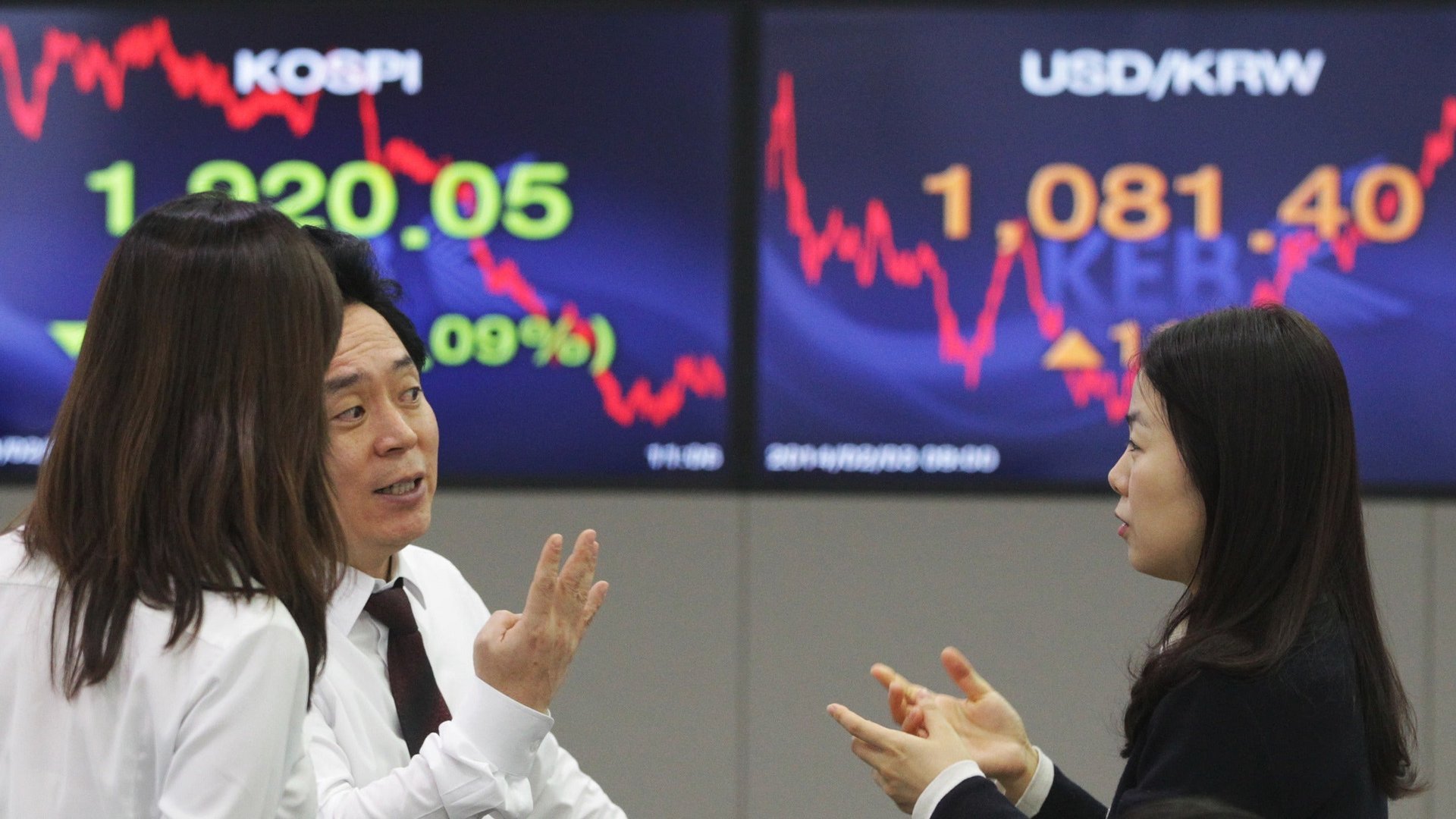
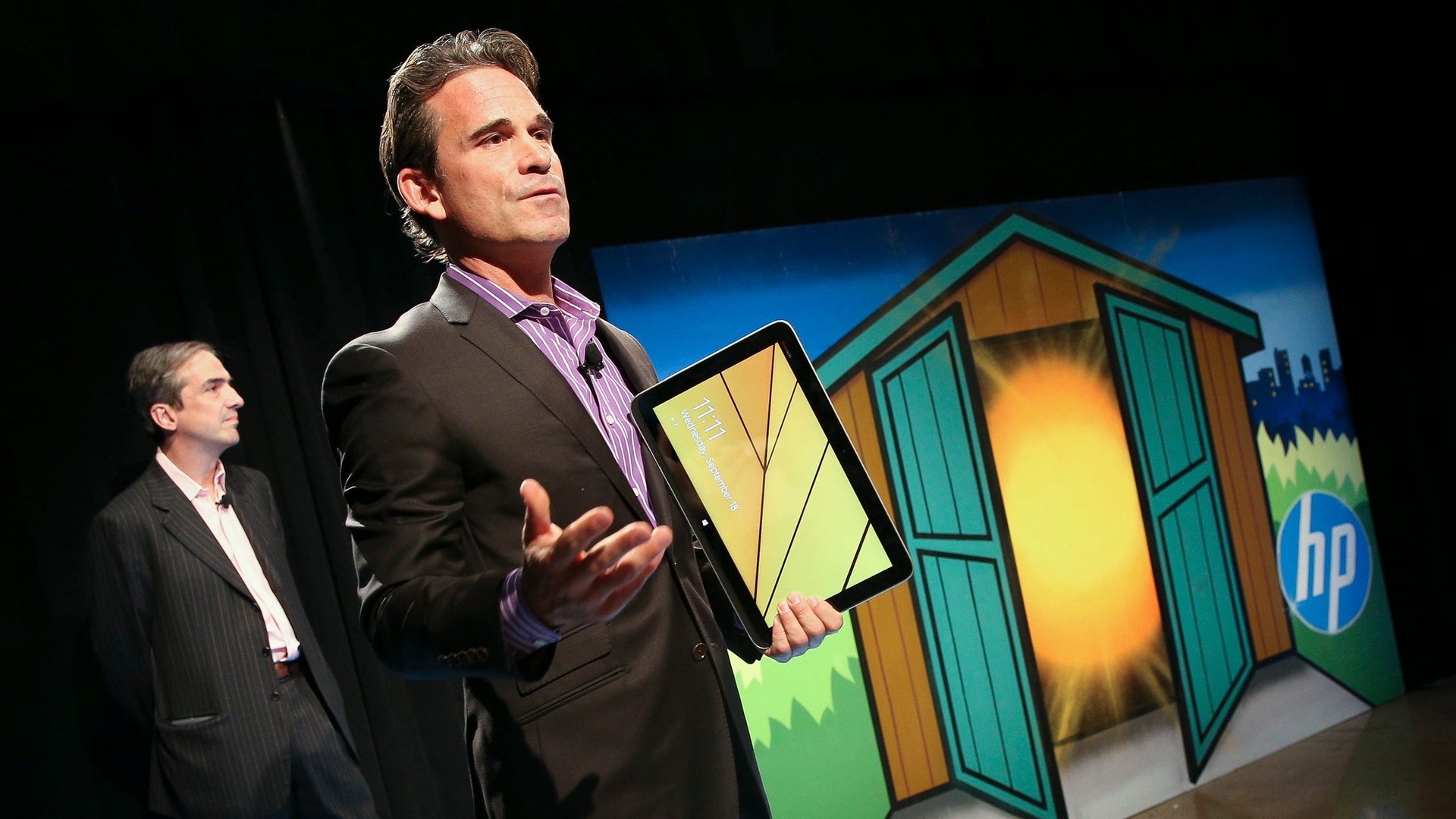
The past 30 days are littered with the corporate wreckage of years of declining PC sales—or at least, the kind of PCs that run Windows. On February 4, Nikkei reported that Sony is selling its money-losing Vaio PC division to investment fund Japan Industrial Partners for $490 million. Gartner and IDC announced that sales of PCs were down 10% in 2013—leading HP, which has refused to trade profits for market share, to cede its title (paywall) of the world’s biggest manufacturer of PCs by volume. Dell is laying off between 15,000 employees (according to sources outside the company) and 2,000 employees (according to sources within it). We’ll probably never know the actual number, since the company is now private.

For many businesses, big data is superfluous. Except, a recently-published paper on the mathematics of big data reveals, when it isn’t. It turns out there is a kind of data that, like black holes or evil wizards of Middle Earth, only becomes more powerful the larger it grows. What’s more, suggest researchers Enric Junqué de Fortuny, David Martens and Foster Provost, even if you’re not gathering this kind of data at present, the new results suggest you may lose out to a competitor who is.

In Iceland, scientists have just completed a successful experiment in harnessing energy directly from a volcano.

The gumshoes at Apple-focused blog 9to5Mac dug deep into job listings and public documents to discover that Apple’s new manufacturing facility in Arizona will be producing sapphire, the hardest natural material after diamond. Based on some creative, perhaps even wishful, parsing of those documents, pundits are jumping to all sorts of conclusions—for example that Apple might make the screen in the rumored iWatchout of sapphire.