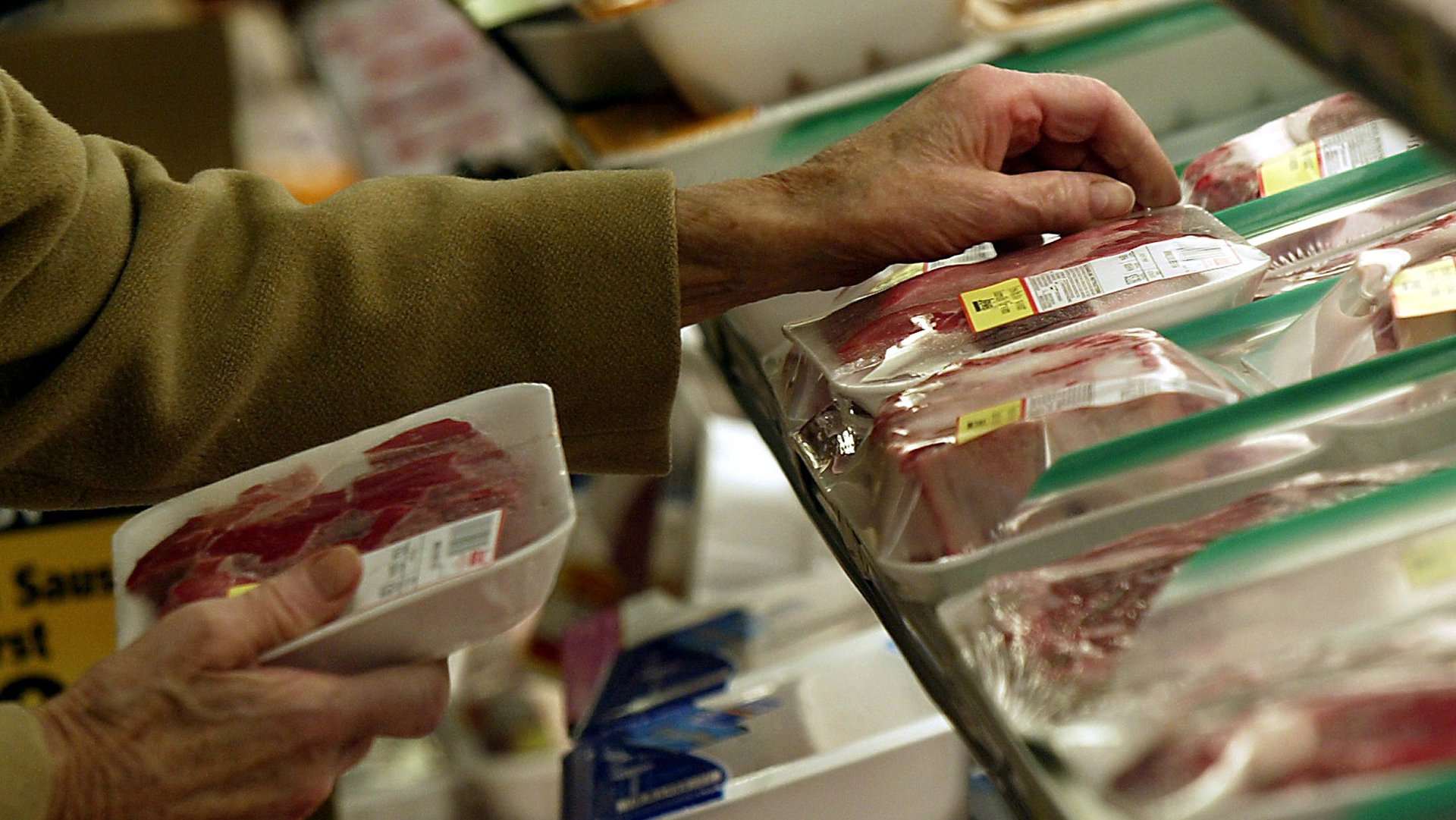
People have taken to the streets in Caracas, incensed over the government’s failure to import—as promised—the pork that would traditionally be served as part of Christmas dinner.

People have taken to the streets in Caracas, incensed over the government’s failure to import—as promised—the pork that would traditionally be served as part of Christmas dinner.

One of the most frustrating things about science is that it’s an incremental process. This, however, is a feature, and not a bug; in order to advance our understanding of ourselves and the world around us, we need to test and retest—and retest and retest—everything new thing we think we’ve discovered. That means it’s easy to miss scientific breakthroughs amid the churn of the daily news cycle, especially in the current political climate. So we’ve decided to look back at 2017, and highlight some of the advances made in various scientific fields that we feel were both underrated and are likely to have a major impact in 2018 and beyond. In no specific order:

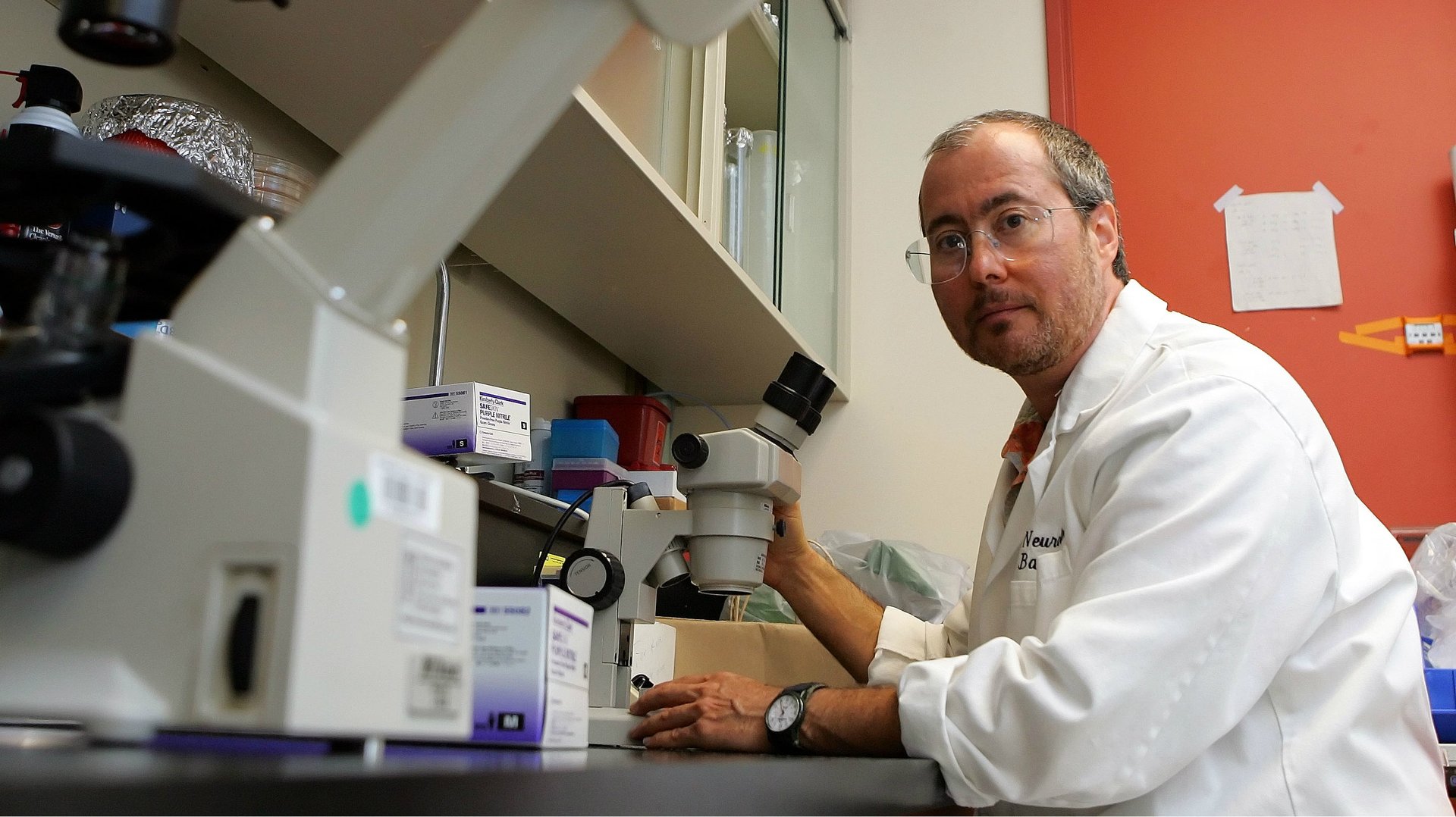
Faced with a decision of choosing between identity and career, Ben Barres stuck to his identity. Lucky for everyone, he was able to keep both.

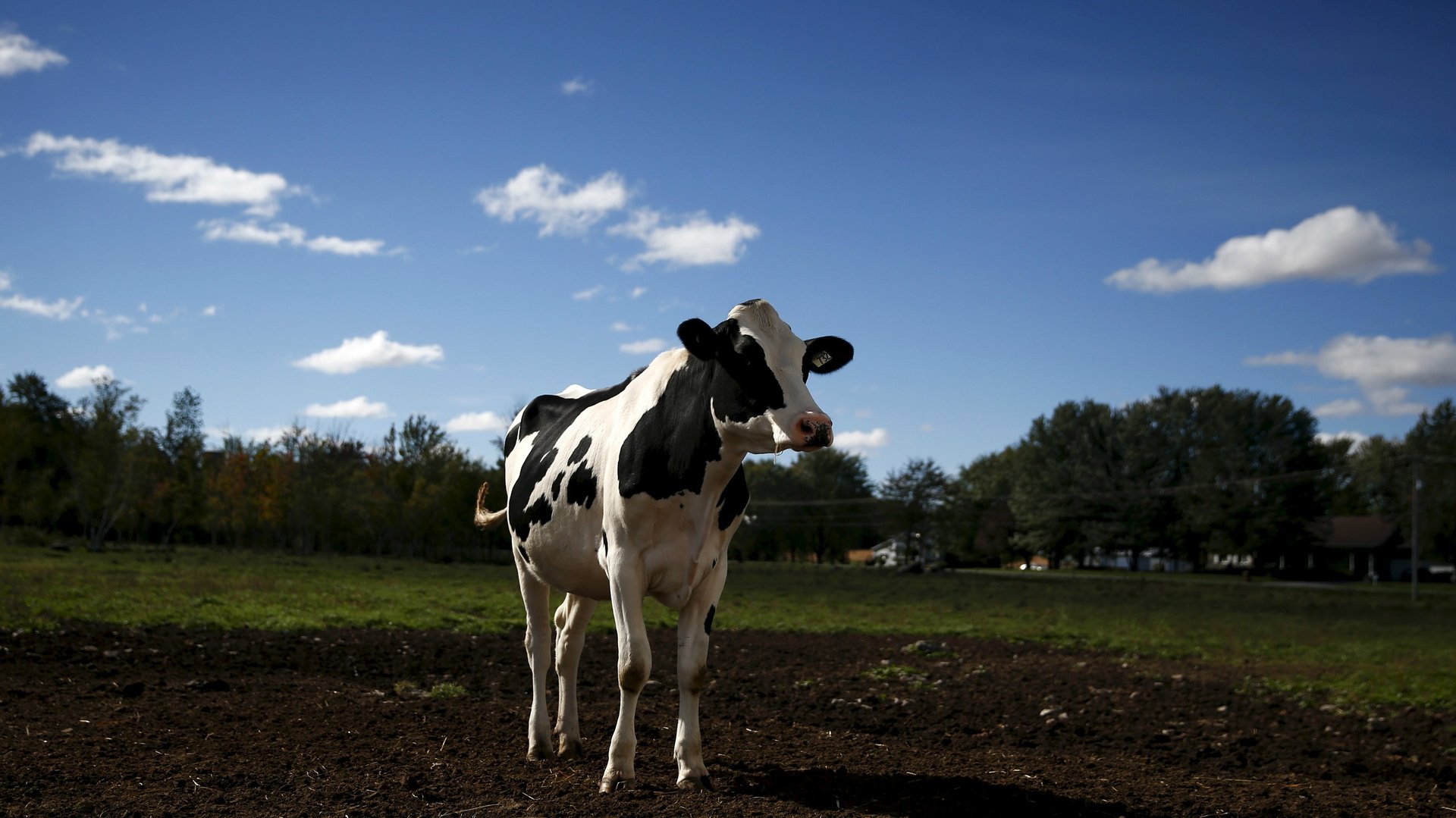
A Silicon Valley food startup is looking to spill a lot of milk in grocery stores across America—by offering shoppers a replica of the real thing.

The US government has fired a warning shot across the bow of junk science, promising to chase down the makers of sham medicine.

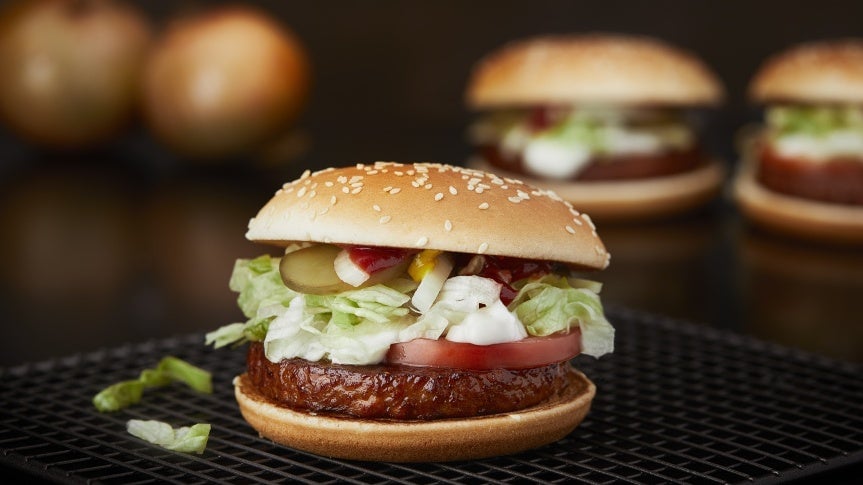
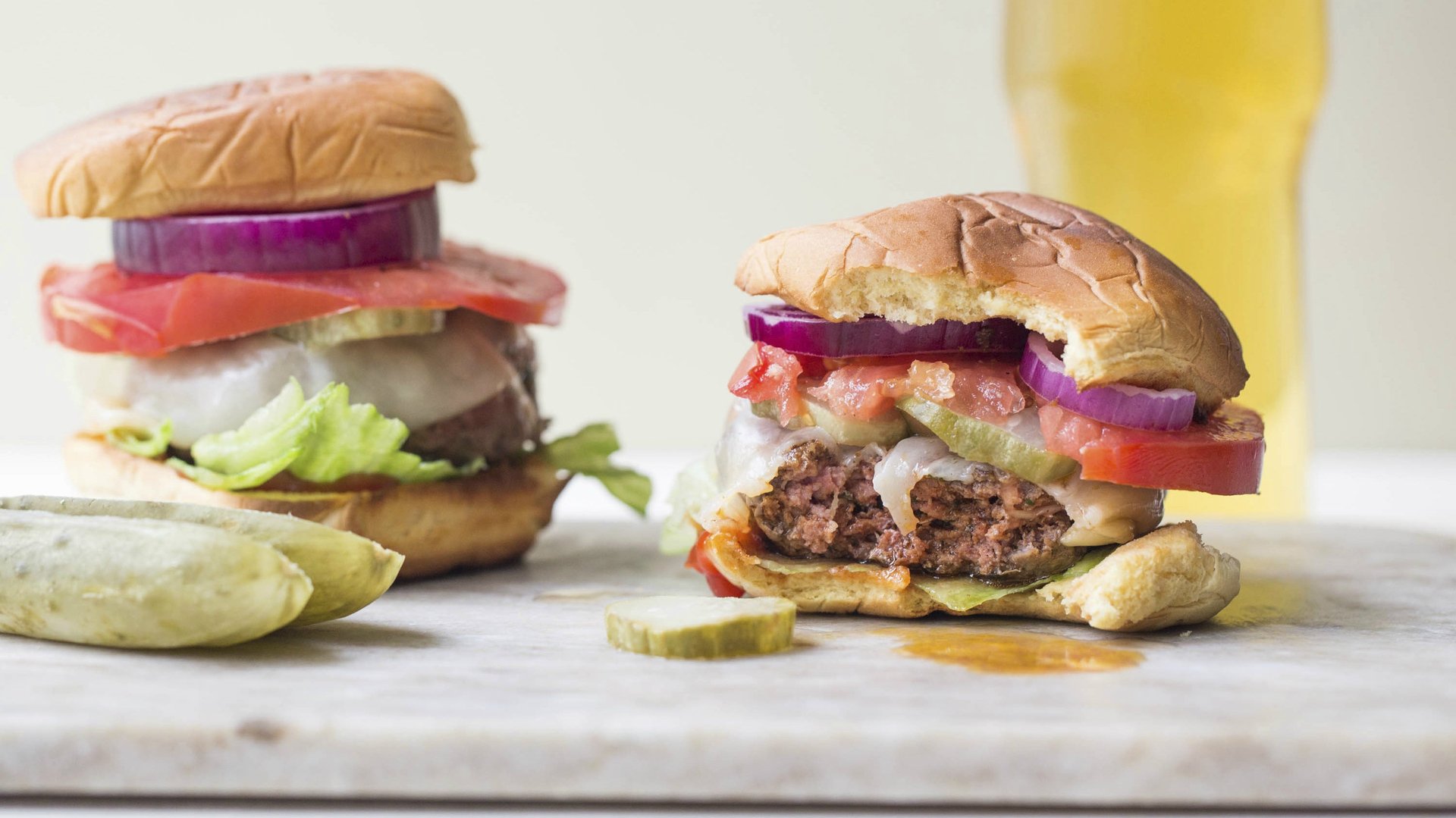
The world’s largest burger chain is officially adding a vegan soybean steak burger to its menus in Finland and Sweden.

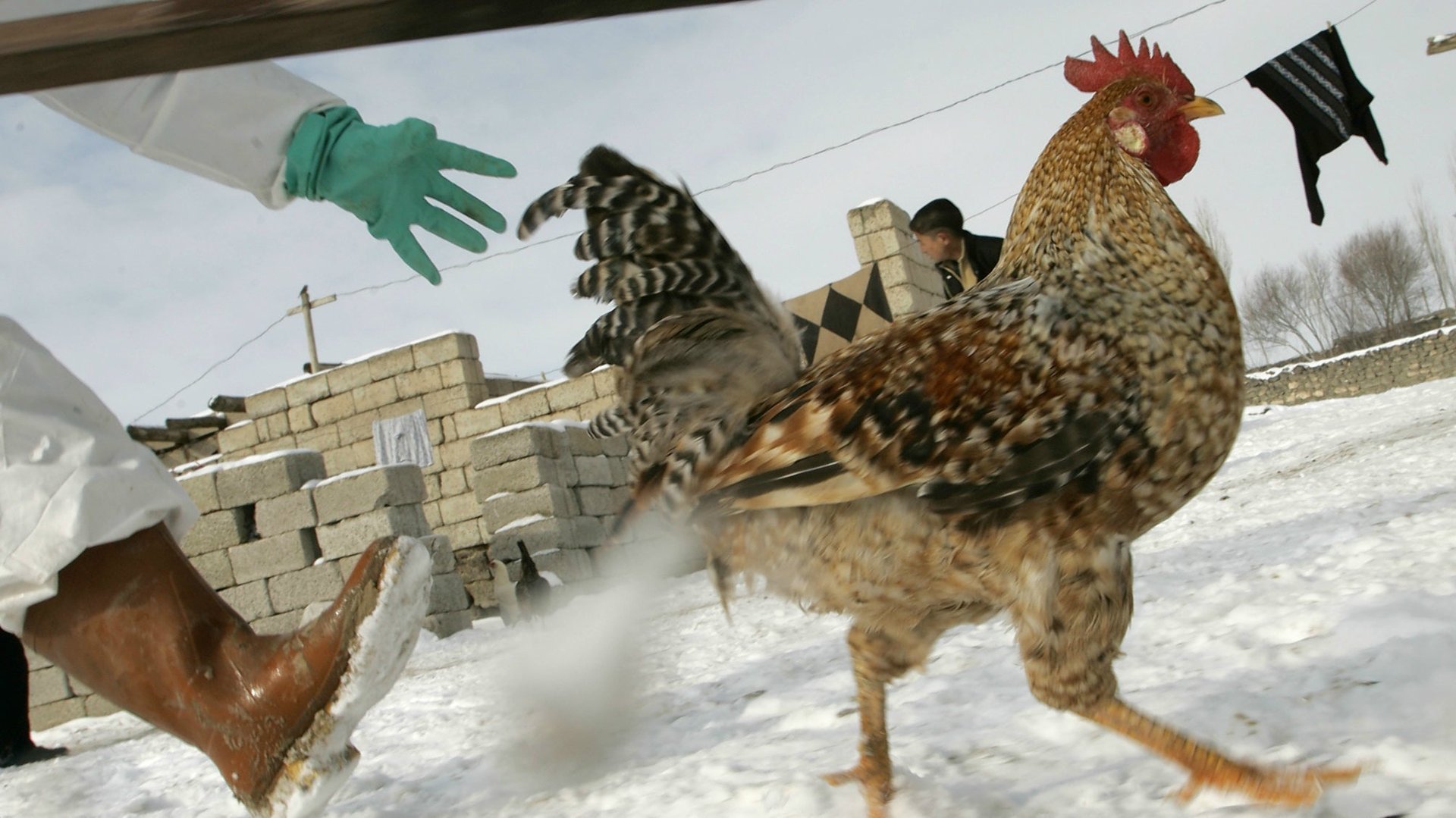
If you live in a city but still want to look deep into the eyes of your dinner, you’re in luck. Thanks to blockchain technology being developed by Chinese insurance tech company ZhongAn Online, people will soon be able to use facial-recognition technology to track organically farmed chickens they’ve pre-purchased. They will also be able to monitor their bird’s movement in real-time through GPS tracking bracelets attached to birds’ legs. Welcome to the brave new world of farm-to-table eating in the 21st century.

It’s a controversial question that sits at the intersection of climate change, public health, animal agriculture, and governance: Should eating meat be considered in the same category as cigarettes and alcohol, taxed for their inherent sinfulness?

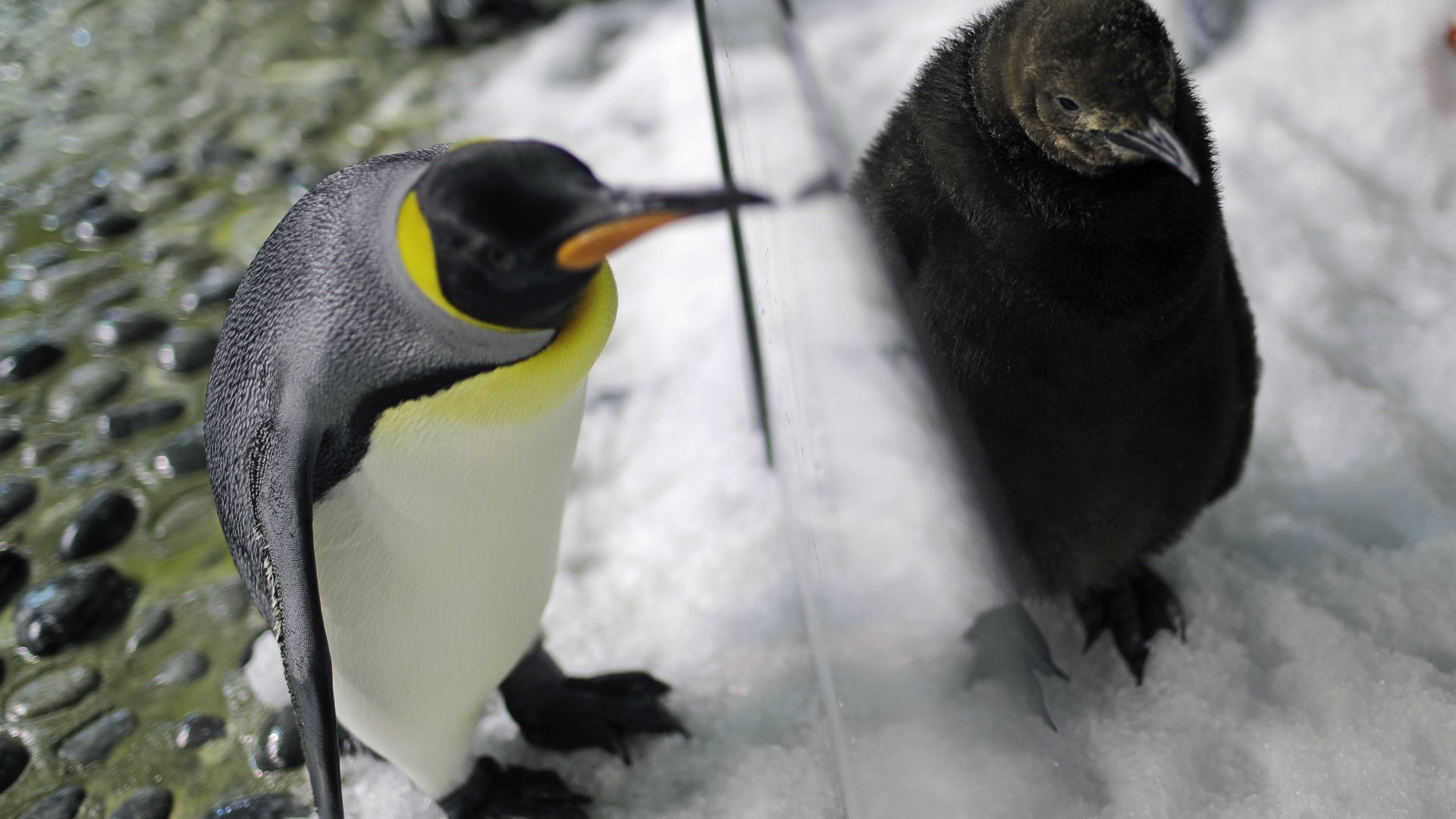
They found evidence of one in New Zealand, a 60-million-year-old fossil encased in an ultra-hard sedimentary rock. Scientists estimate the bird weighed about 220 lbs (100 kg) and stood just shy of 6 feet (1.77 meters)—pretty hefty for a penguin.

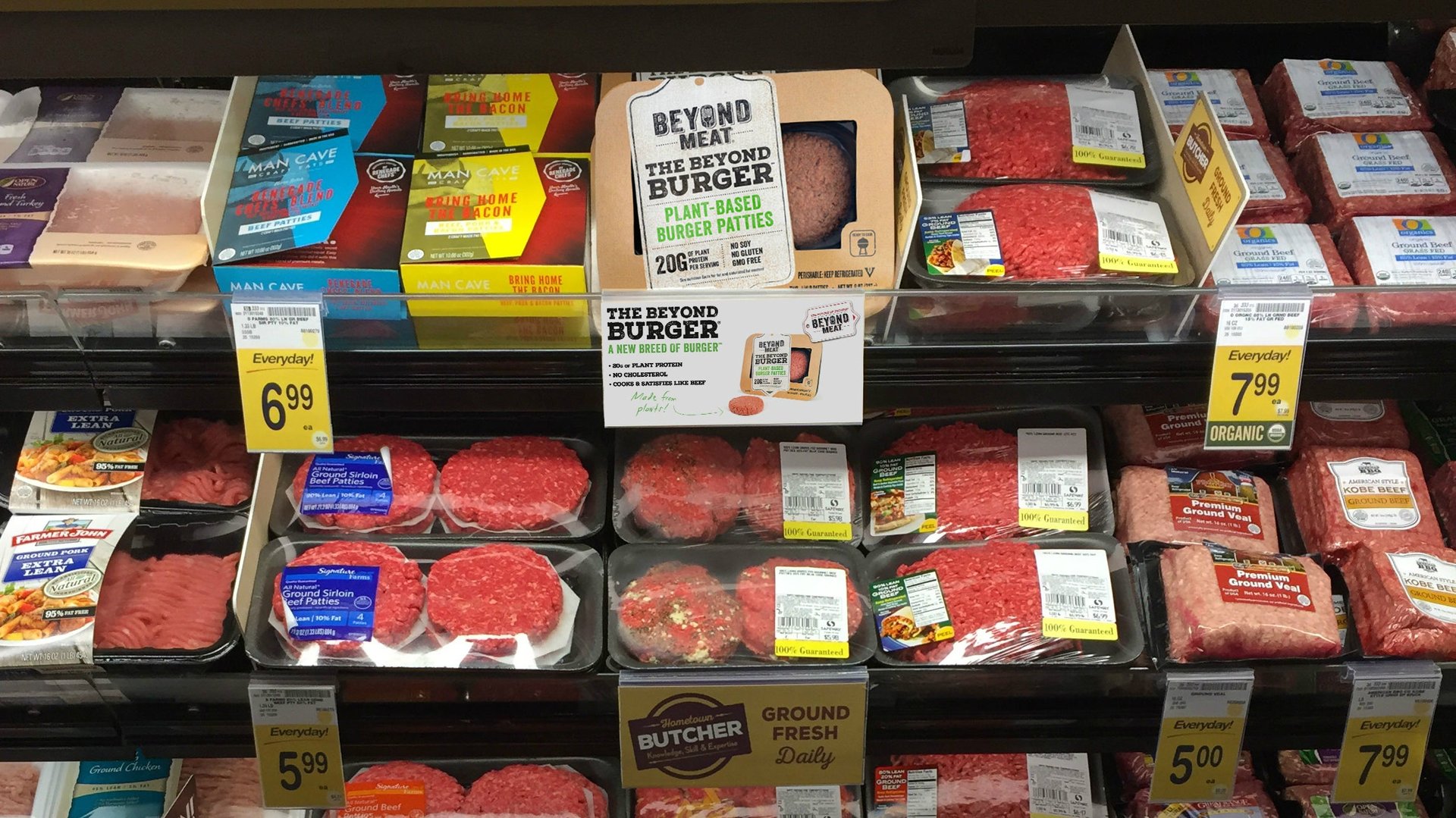
Less than a year after getting its plant-based burgers into the meat sections at mainstream grocery stores, Beyond Meat is ramping up production.

The Earth’s atmosphere works as a natural force field, and its high-pressure air ringing the planet is more responsible than previously thought for causing tumbling meteoroids to explode.

Scientists at NASA have loaded three pounds of Domino and C&H sugar onto a SpaceX Dragon rocket scheduled to launch into space tomorrow (Dec. 12) from Cape Canaveral in Florida.

American farmers are starting to cut back on the amount of antibiotics they use on food animals—a critical development as governments and scientists work to curb the threat of drug resistance in humans.

There’s an art to science, and sometimes there’s some pretty incredible science in art.

In a substantial $2.3 billion deal, Nestlé, the maker of Kit Kat bars and DiGiorno’s frozen pizza, has acquired a company that makes organic and natural supplements.

If the populations of countries around the world actually took their governments’ dietary advice, they’d be better stewards of the environment.

America’s largest pizza chain is about to begin testing the delivery of beer and wine alongside its pizza pies.

Scientists are drawing closer to developing new breakthrough drugs that could not only quell migraines when they hit, but prevent them from happening in the first place.

One of America’s hippest plant-based meat companies is about to go head-to-head with real meat in one of the county’s classic restaurant chains.

As it turns out, the secret to making a convincing plant-based egg was hidden inside the mung bean. That’s what San Francisco-based Hampton Creek is banking on with its new egg substitute product ”Just Scramble,” which uses the bean as its foundational ingredient.

It’s an idea that would take Fancy Feast to a whole new level. If a new Colorado-based company gets it way, pets across America will have access to the same high-tech, cell-cultured meats as humans.

The beleaguered CEO of Chipotle Mexican Grill is stepping down. The decision comes after nearly two years spent trying—unsuccessfully—to restore the chain’s reputation after a withering 2015 food-safety crisis.

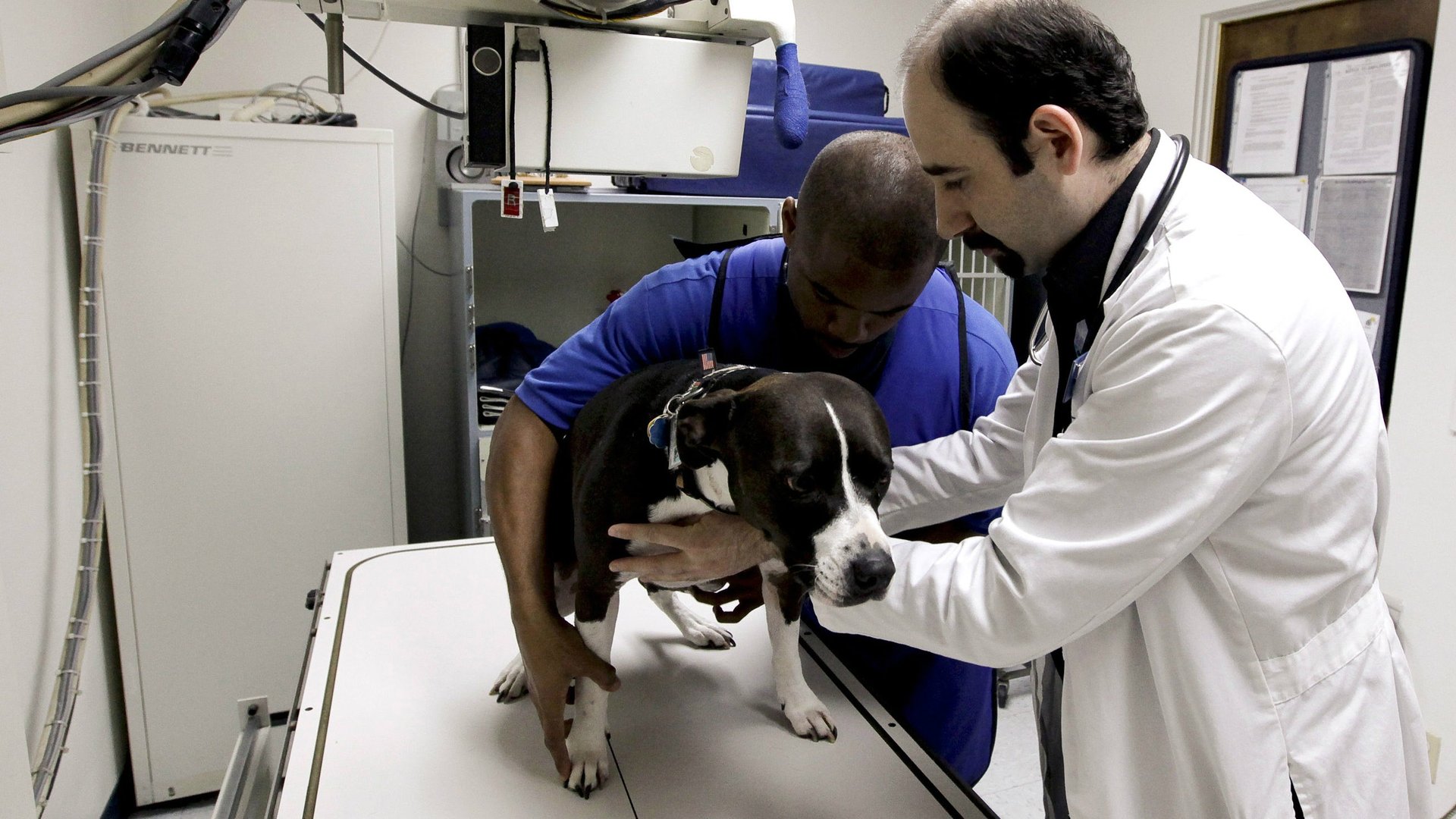
The US Food and Drug Administration (FDA) has recommended that people buy their dog bones with extra caution.

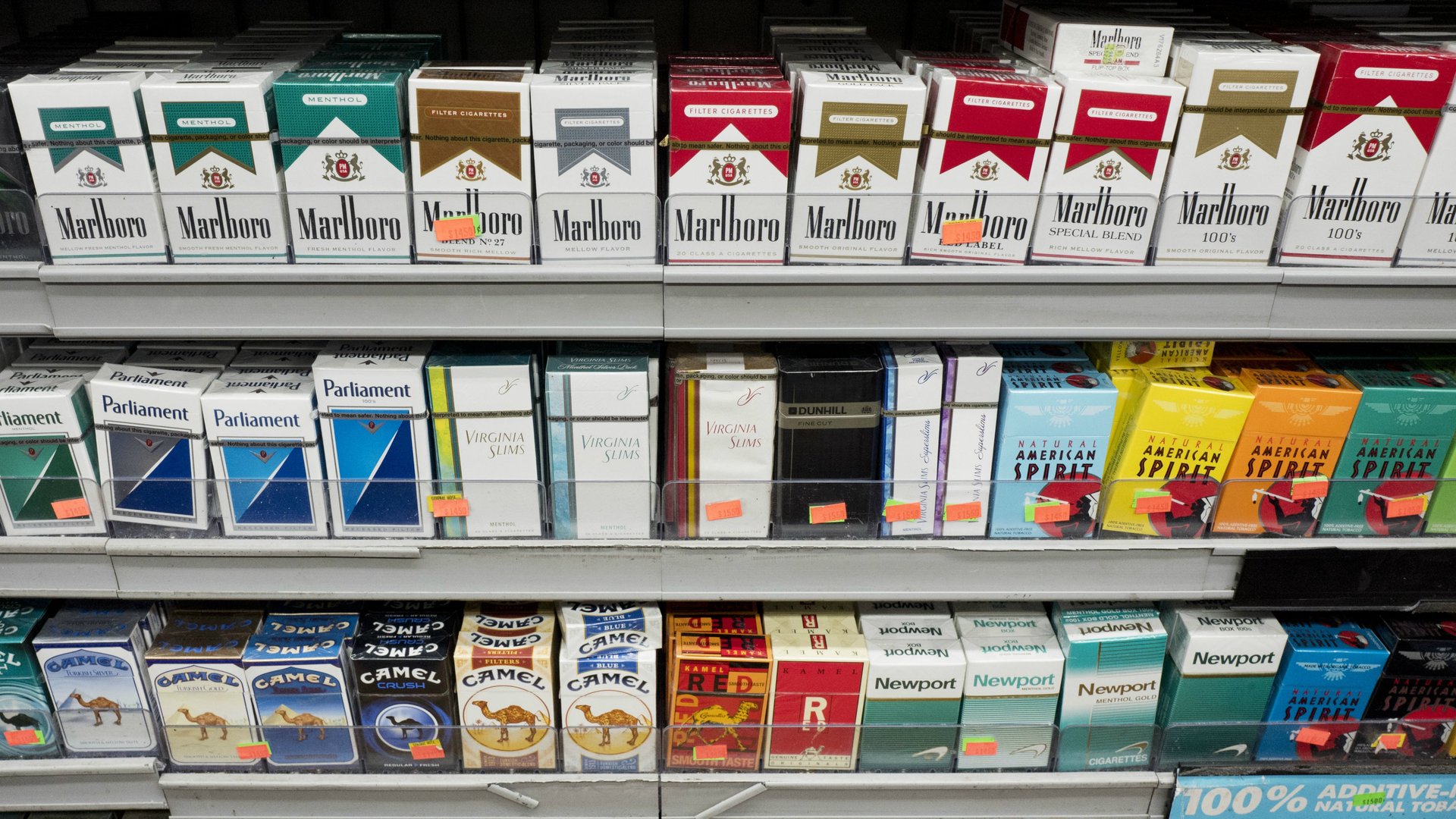
The ad, court-ordered to hit the airwaves over a decade ago, was finally delivered this month by a primitive relative of Siri, in a bored, monotonous incantation. The message is simple: cigarettes are bad for your health. The story behind the ad is anything but.